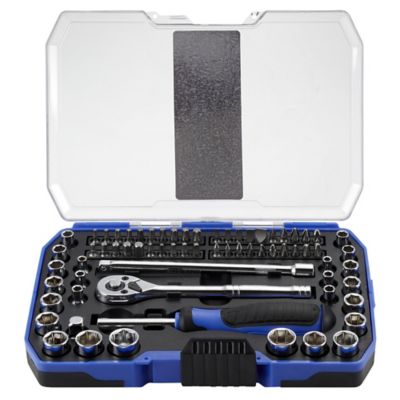
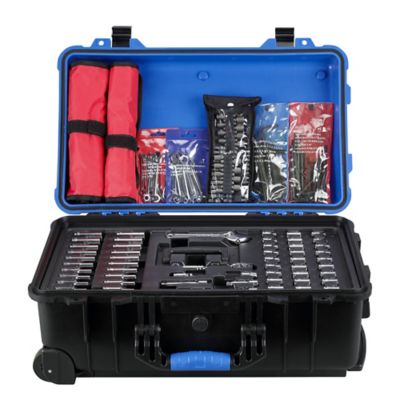
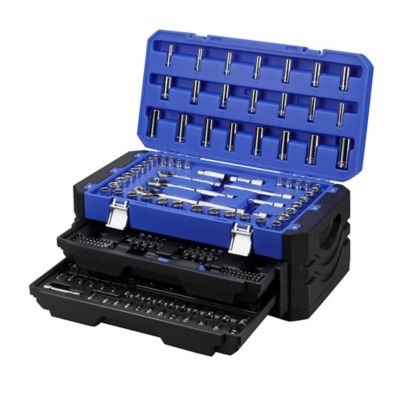
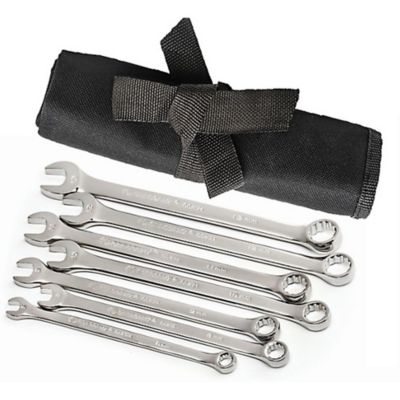
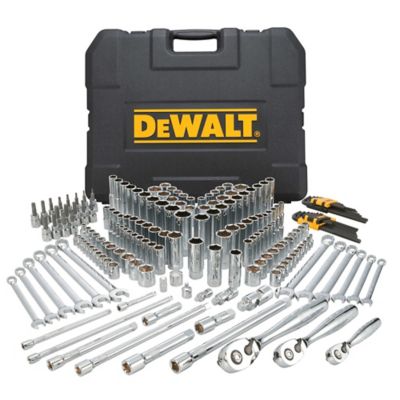
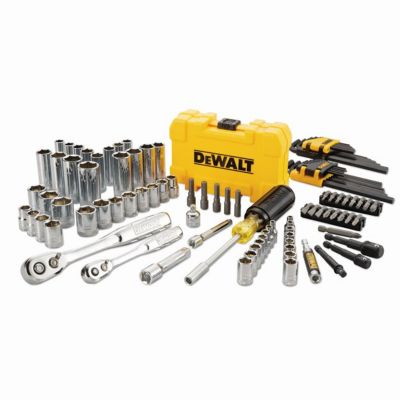
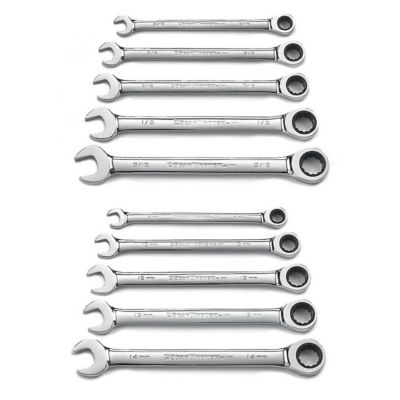
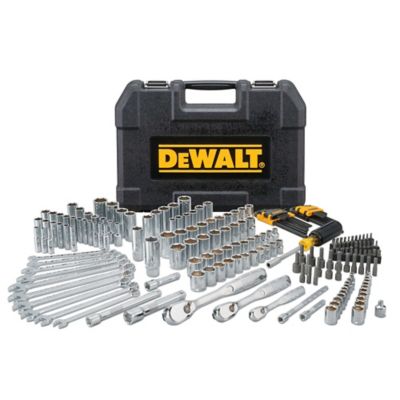
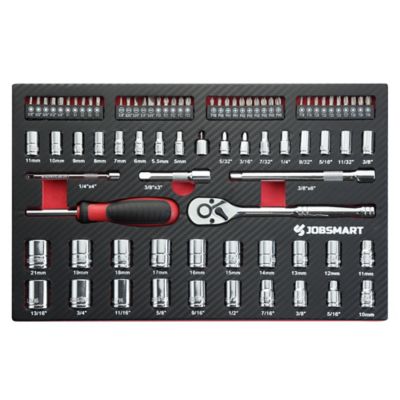
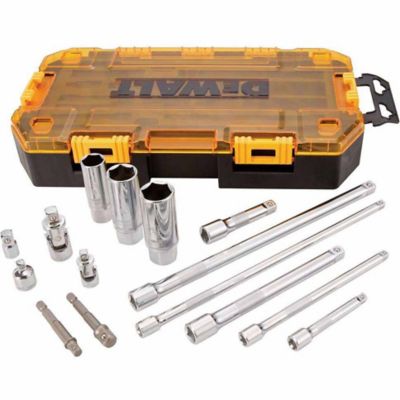
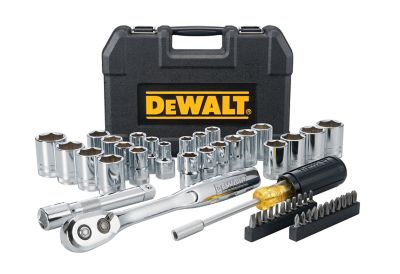
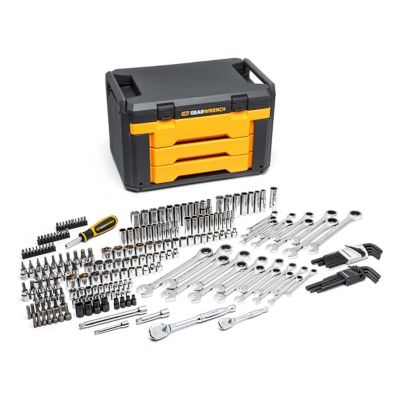
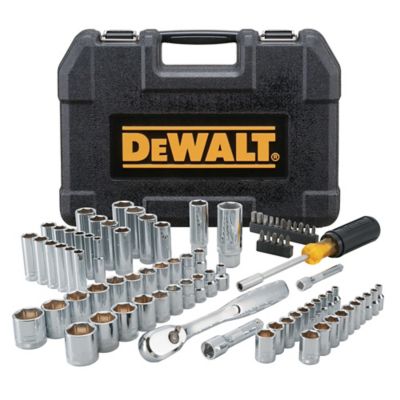
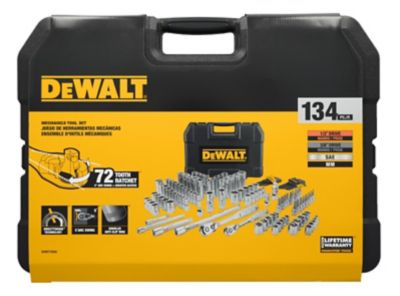
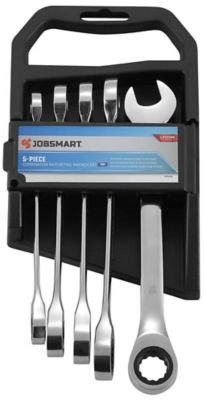
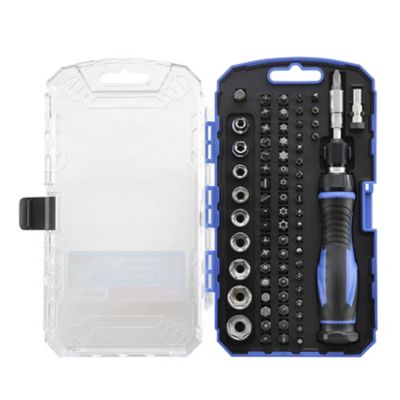
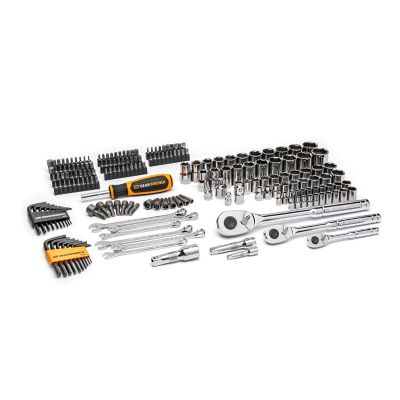
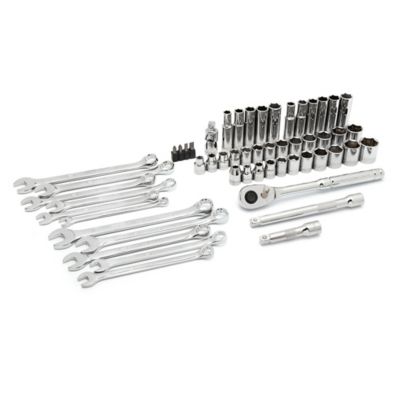
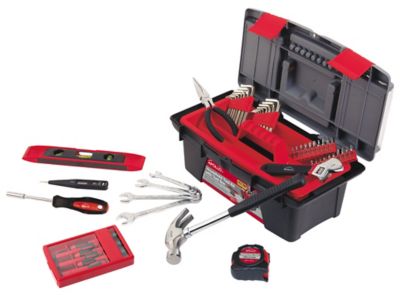
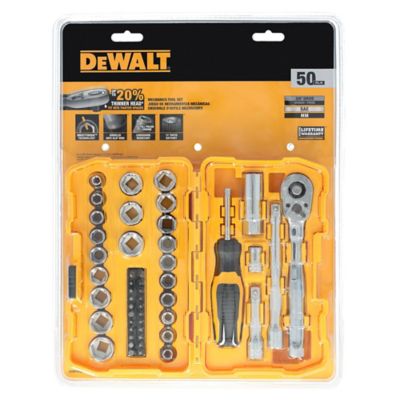
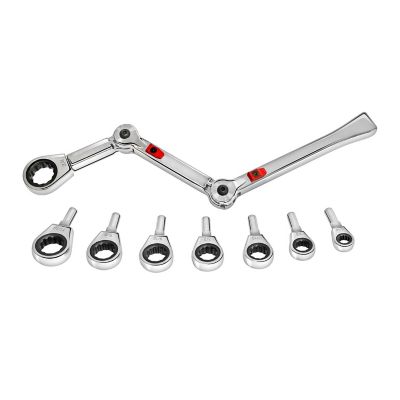
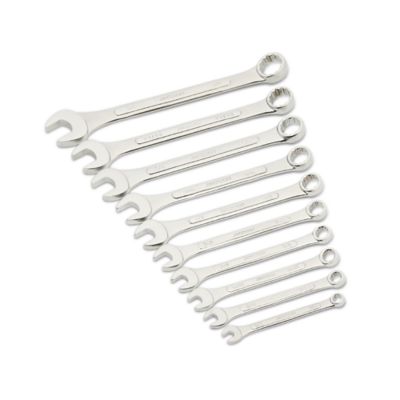
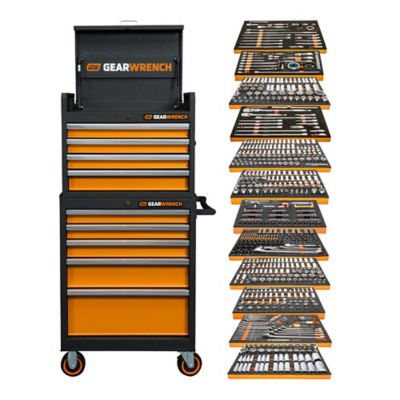
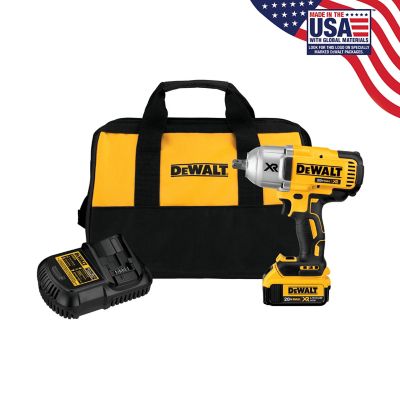
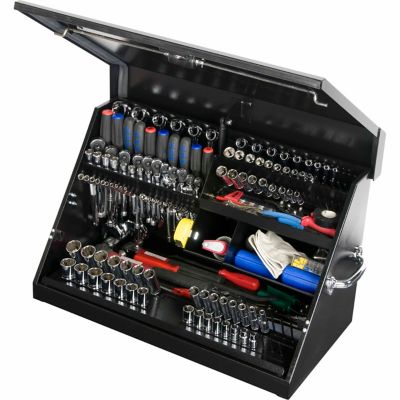
Beginning mechanic tools are a practical starting point for anyone who wants to handle basic vehicle, equipment, and household repairs with more confidence. A well-rounded collection does not need to be the biggest or most expensive setup in the shop. It should cover the jobs beginners are most likely to tackle, such as changing oil, replacing a battery, servicing brakes, tightening loose hardware, working on small engines, or making adjustments to lawn and farm equipment. A general mechanic tool set is often a smart foundation because it brings together commonly used hand tools in one case or organized storage tray. Look for a set with both 1/4-inch and 3/8-inch drive ratchets, metric sockets in shallow and deep sizes, and a selection of combination wrenches with open ends and box ends. Metric sizes are especially useful on many newer vehicles and equipment, while having a range of sizes helps prevent the temptation to force the wrong tool onto a fastener. A breaker bar can provide extra leverage when removing stubborn lug nuts or rusted bolts, and a torque wrench helps tighten wheel lugs and other critical fasteners to the vehicle or equipment maker’s specifications. For everyday work, a beginner will also get plenty of use from needle-nose pliers, adjustable pliers, locking pliers, diagonal cutters, a sturdy pry bar, and a small pick set for reaching O-rings, clips, and tight spaces. A ball-peen hammer is handy for general shop work, while a non-marring mallet can help loosen parts without leaving fresh dents. Round out the basic setup with a dependable work light or headlamp, gloves that allow a good grip, and a magnetic tray or small organizer for keeping nuts and bolts from disappearing into the gravel or under the workbench. These are the kinds of tools that earn their place over time, whether they live in a garage, barn, truck toolbox, or the corner of a shed.
When choosing beginner mechanic tools, start with the work that is most likely to happen and build from there. Someone maintaining a daily driver may want to focus on socket sizes, wrenches, pliers, a breaker bar, and a torque wrench, while a person working on tractors, mowers, utility trailers, or older equipment may appreciate larger drive sizes, longer handles, and tools made for heavier fasteners. Check the size range, drive compatibility, storage layout, and material of each set before buying. Clearly marked sockets are easier to find when hands are greasy and daylight is fading, and a case with sturdy latches makes it simpler to carry tools from the garage to the driveway or out to the pasture. Chrome vanadium steel and corrosion-resistant finishes are common choices for hand tools because they are made for repeated use, but proper care still matters. Wipe away oil and moisture before putting tools back, avoid using a ratchet as a substitute for a breaker bar, and use the correct socket rather than relying on an adjustable wrench for every job. A basic digital multimeter can be a valuable addition for checking batteries, fuses, continuity, and simple electrical problems, while a magnetic LED light can shine into dark engine compartments and beneath dashboards. Before starting any repair, park on a solid, level surface, set the brake, use wheel chocks when needed, and support raised vehicles with properly rated jack stands rather than relying on a jack alone. Eye protection is worth keeping close by, especially when brushing rust, tapping on stuck parts, or working beneath equipment. Taking a picture before disconnecting wires or removing a bracket can save time during reassembly, and placing removed hardware in a labeled cup or magnetic dish keeps a small repair from turning into a hunt across the shop floor. For more ideas on building a practical setup, browse
Tool For Mechanic selections suited to different kinds of hands-on work.
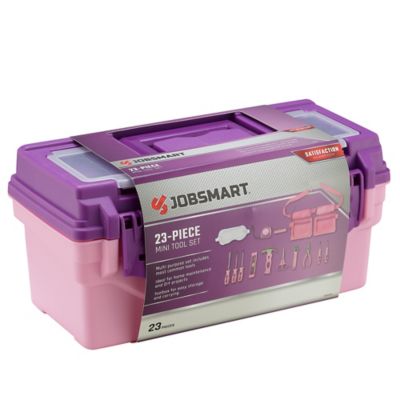
Beginner mechanic tools also make useful gifts for new homeowners, high school or college students, first-time vehicle owners, farmers, ranchers, outdoor power equipment users, and anyone who enjoys learning by doing. A compact set can be a thoughtful choice for a person moving into a first apartment or setting up a work area in a garage, while a larger collection may suit someone restoring an older pickup, maintaining a boat, or keeping several pieces of equipment running through the season. If the recipient is just getting started, prioritize versatile hand tools over specialized items that may sit untouched. A set with sockets, ratchets, wrenches, and pliers gives a new mechanic plenty to practice with and leaves room to add specialty tools as real projects come along. During the warmer part of the year, these tools may be used for routine vehicle checks, trailer repairs, mower maintenance, and getting equipment ready for busy outdoor work. As the weather cools, they can help with battery testing, winterizing equipment, replacing worn belts, and making small repairs before vehicles and machines spend more time under cover. Beginners often remember the first tool that helped them solve a real problem: the ratchet that finally reached a tucked-away bolt, the light that revealed a loose connection, or the torque wrench that made a brake job feel properly finished. Reliable, comfortable tools make those early projects less frustrating and help build good habits along the way. Keep the tool collection clean, store it where it stays dry, and add pieces based on the jobs at hand. With a solid starter selection and a careful approach, a new mechanic can handle many routine repairs while gaining the skill and confidence to take on more involved work safely.