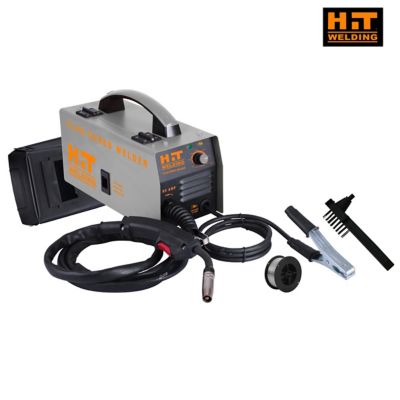
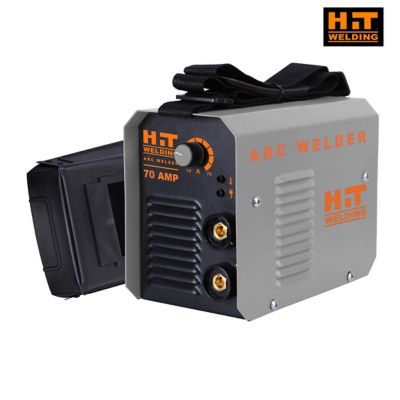
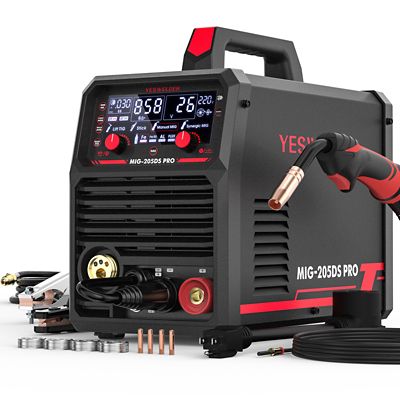
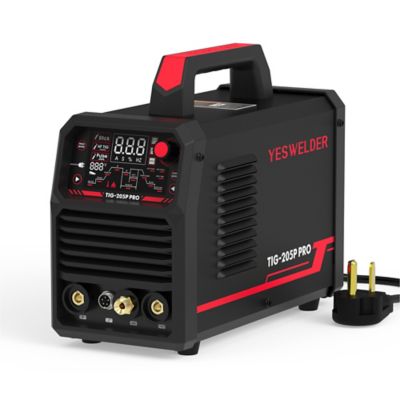
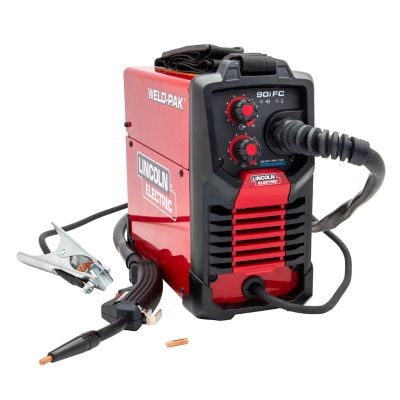
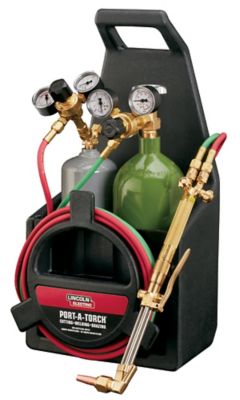
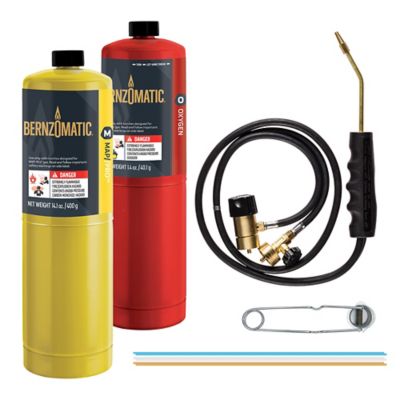
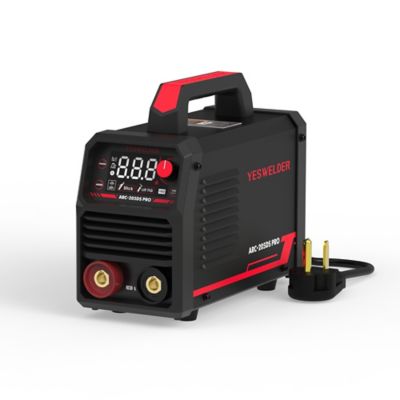
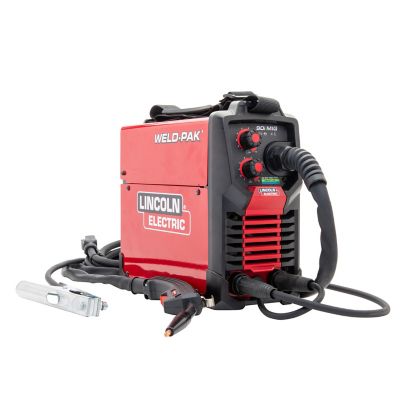
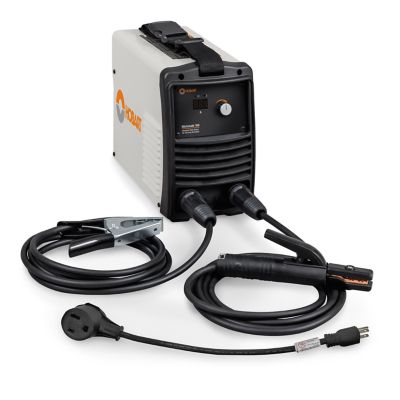
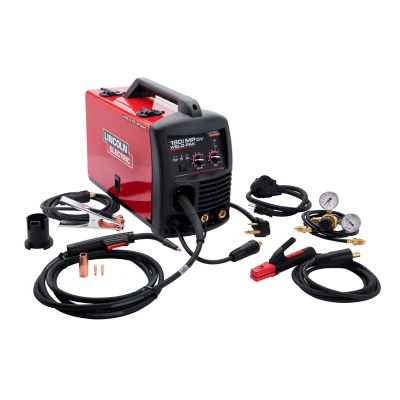
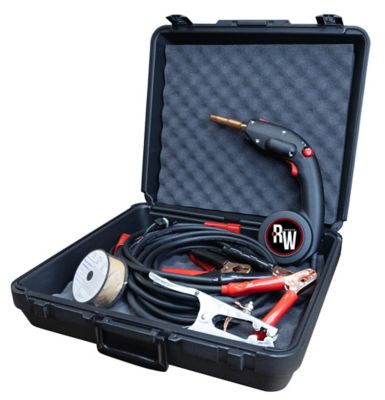
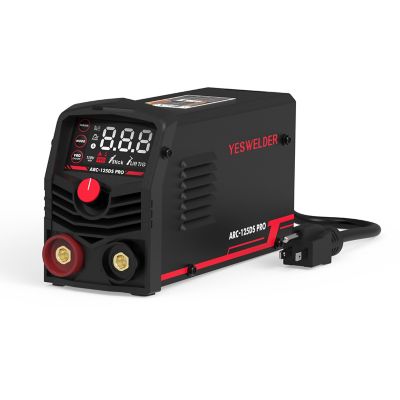
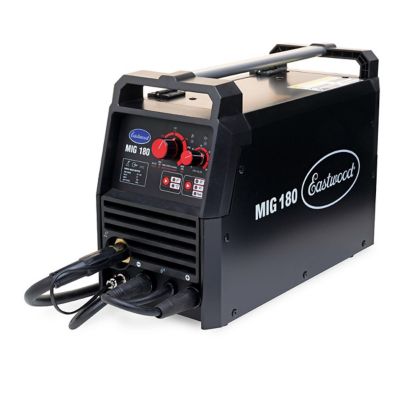
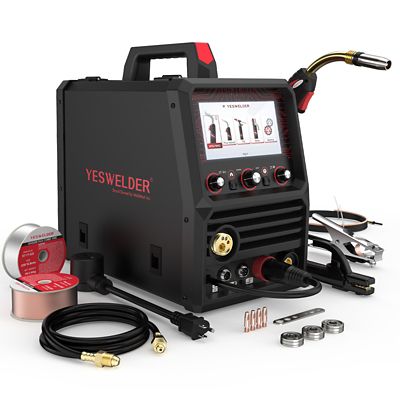
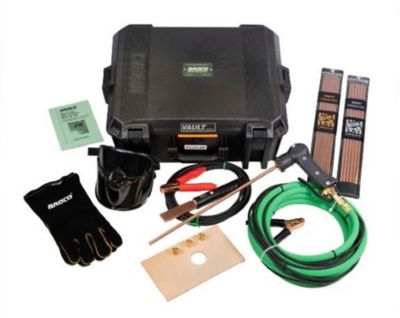
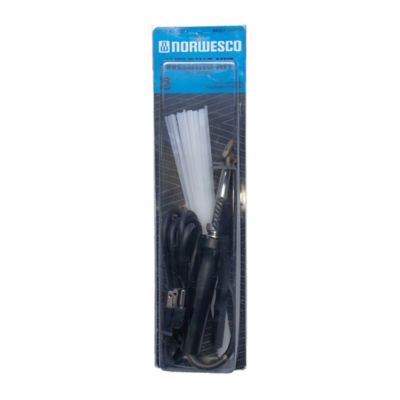
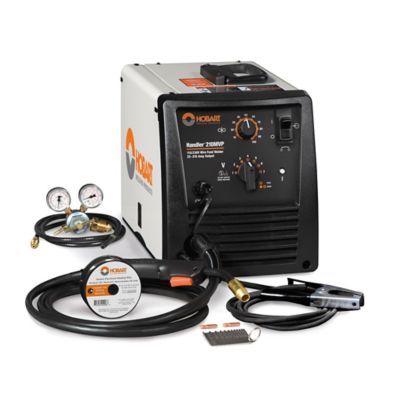
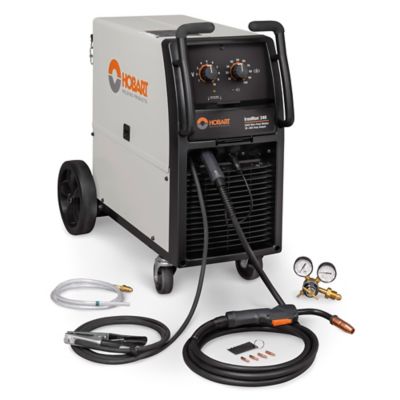
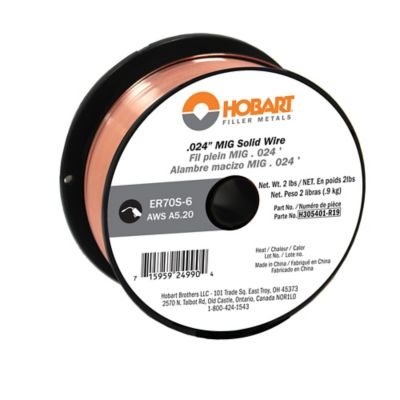
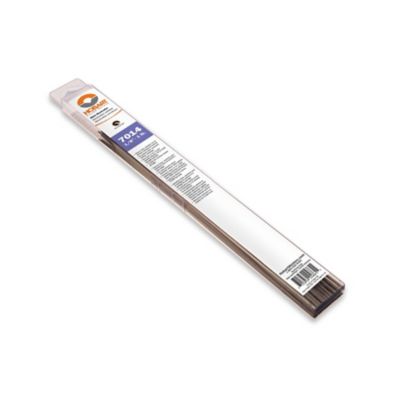
Welding starter kits bring together the basic equipment needed to begin learning the trade, making repairs, or tackling small fabrication projects around the farm, garage, or shop. A well-planned kit usually starts with a compact welder, protective gear, and a handful of practical hand tools that help with setup and cleanup. For many first-time welders, a 120-volt MIG or flux-core welder is a comfortable place to start because it can run from a standard household outlet and is relatively easy to transport. MIG welding typically uses a spool of solid wire along with shielding gas, while flux-core welding uses a specially filled wire and can often be used without a separate gas bottle. That gasless setup is handy for working outdoors, where a breeze can disturb shielding gas, though flux-core welding does leave slag that needs to be chipped and brushed away. Stick welders are another dependable choice for heavier outdoor work and farm repairs, while multi-process welders can offer MIG, flux-core, stick, and sometimes lift-arc TIG functions in one machine. When comparing welding starter kits, consider the type and thickness of metal you expect to weld, the available electrical service, the machine’s amperage range, portability, duty cycle, and whether consumables are easy to find. A small unit may be just right for brackets, gates, carts, trailer repairs, garden equipment, and light fabrication, but thicker steel may call for more power and multiple passes. It also helps to check what the package includes, since some kits focus on the welder and others concentrate on protective equipment and accessories. If you are building a setup piece by piece,
Welding Systems can help you compare equipment for different kinds of work.
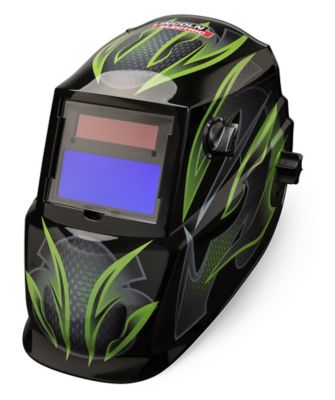
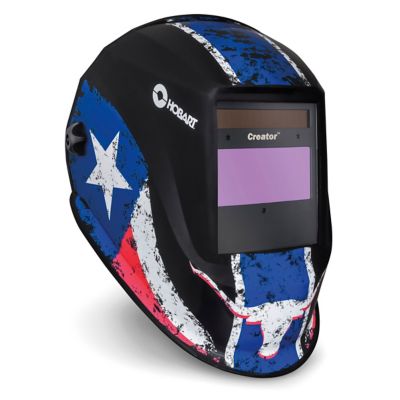
Safety gear is not an optional add-on to a welding setup; it is part of the starter kit. An auto-darkening welding helmet allows you to position the work and see the joint before the arc starts, then darkens to protect your eyes from the intense light. Look for a helmet with a suitable shade range, dependable reaction time, clear viewing area, and comfortable adjustment points, since a helmet that shifts or pinches can make careful work harder. Safety glasses should be worn under the helmet to help protect against sparks, grinding dust, and flying bits of slag. Heavy leather welding gloves shield hands from heat, sharp edges, sparks, and hot metal, while a flame-resistant jacket, sleeves, apron, or welding shirt helps protect arms and clothing. Avoid synthetic fabrics that can melt when exposed to sparks, and keep pant legs over sturdy boots rather than tucked inside them. A chipping hammer and wire brush are useful for removing slag and cleaning a bead so you can inspect the finished weld. Welding pliers can help with wire trimming and nozzle cleanup on MIG equipment, and magnetic squares or welding magnets can hold pieces at a useful angle while you tack them together. Clamps, a sturdy work surface, and a fire-resistant area make the whole process steadier and safer. Good ventilation matters, too; welding fumes should never be allowed to collect in an enclosed space, and painted, galvanized, oily, or coated metal may require special preparation and extra precautions. Keep a fire extinguisher nearby, clear away hay, sawdust, cardboard, fuel, and other combustibles, and allow freshly welded metal plenty of time to cool before handling it. Reading the machine instructions and practicing under the supervision of an experienced welder can help a new user build sound habits from the first bead.
Welding starter kits can be a practical choice for a homeowner, farmer, rancher, maintenance worker, hobby fabricator, or student learning basic metalworking. They are useful for someone fixing a sagging gate, repairing a mower bracket, reinforcing a workbench, building a small livestock panel, or making custom hooks and shop fixtures. A portable kit can also be a thoughtful gift for a mechanically minded person who enjoys restoring equipment or spending time in the workshop, especially when it includes the safety gear and hand tools that are easy to overlook. For a beginner, simple practice pieces made from clean mild steel can provide a low-pressure way to learn how to strike an arc, control travel speed, manage heat, and recognize an even bead before moving on to an important repair. Start with clean, properly fitted joints and practice tack welding, lap joints, butt joints, and fillet welds while following the machine’s recommended settings. The right wire, rods, tips, nozzles, contact tubes, and shielding gas—when required—depend on the welding process and the metal being joined, so choose consumables that match the machine and material. During the cooler months, a well-organized indoor shop can be a satisfying place to work on repairs and small projects, but ventilation and fire safety remain just as important in a barn or garage as they are outdoors. Store the welder and accessories in a dry area, protect cables from sharp edges, and keep gloves, helmet, and tools together so the setup is ready when a broken hinge or new project calls for it. With suitable equipment, careful preparation, and steady practice, a welding starter kit can turn a corner of the shop into a useful place for building, mending, and learning a skill that earns its keep around the homestead.