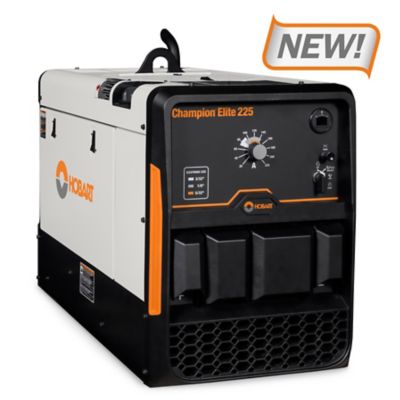
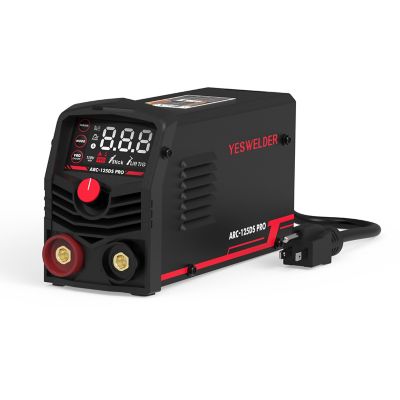
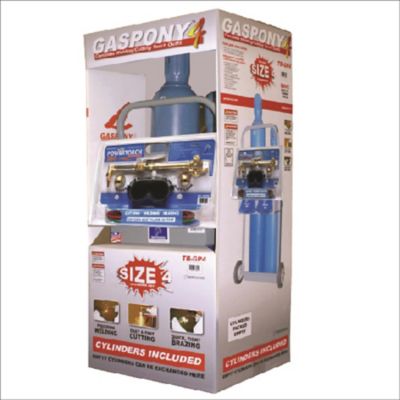
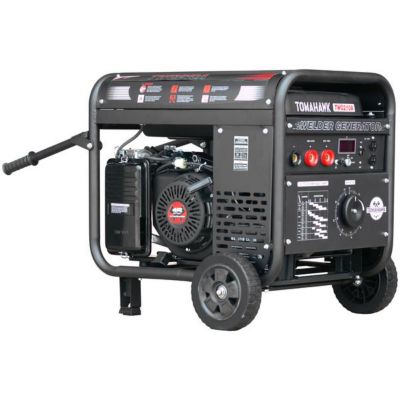
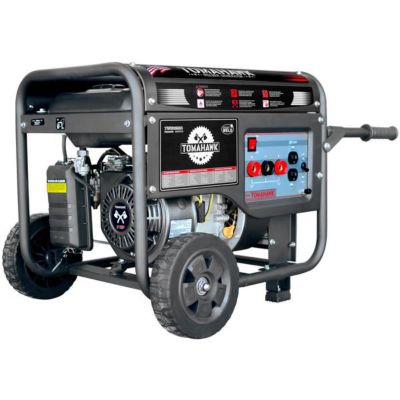
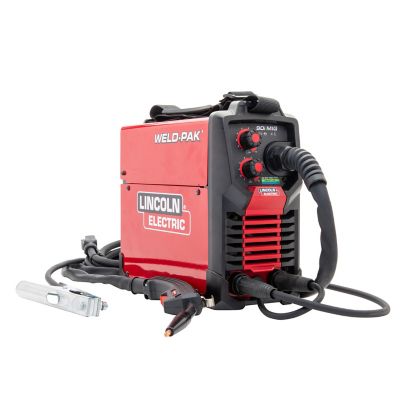
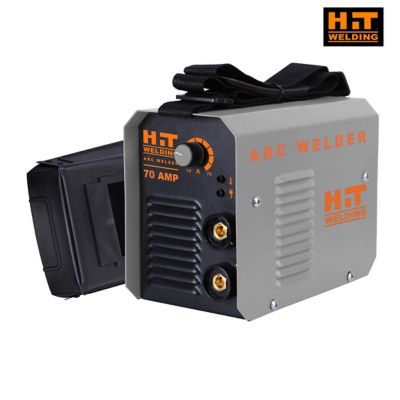
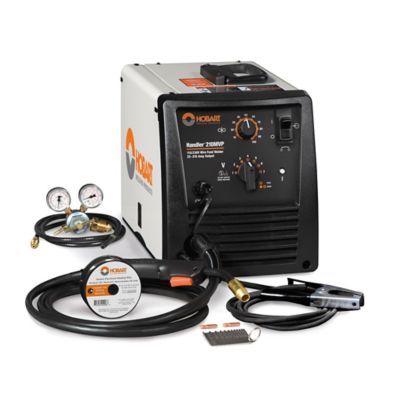
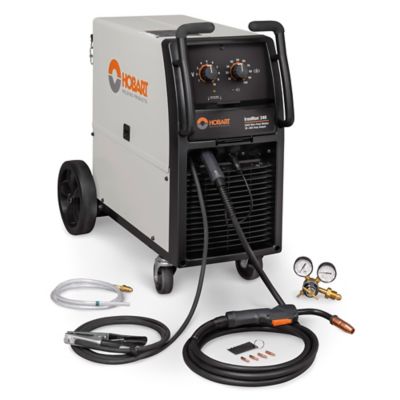
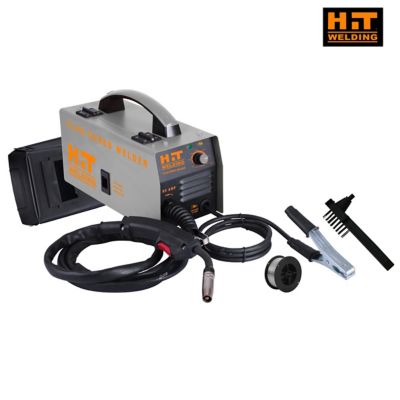
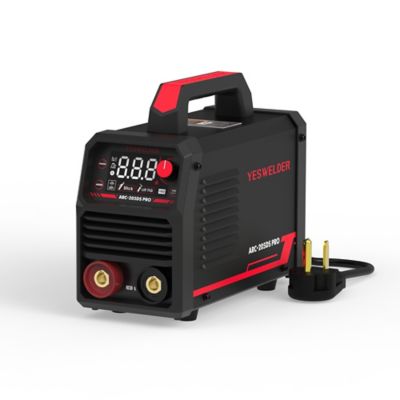
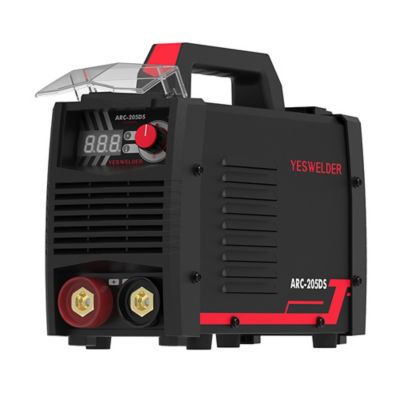
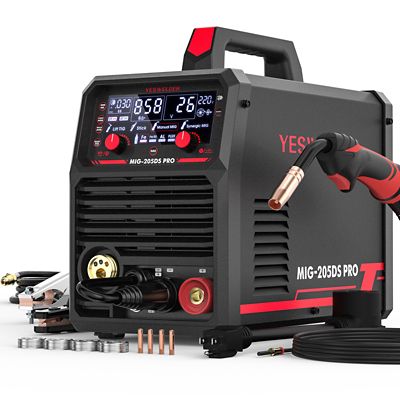
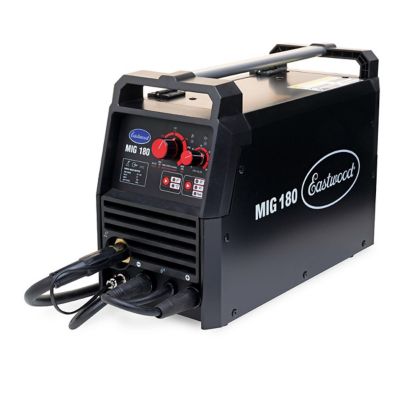
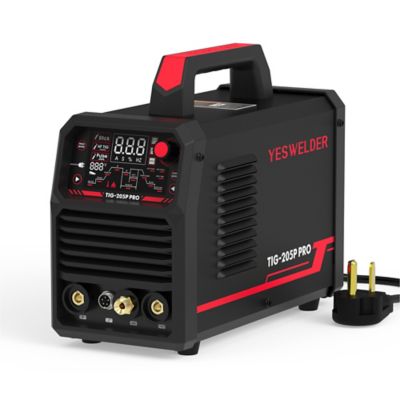
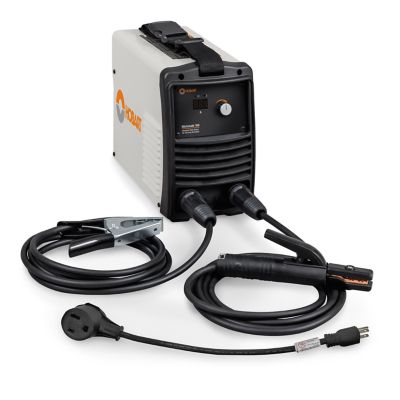
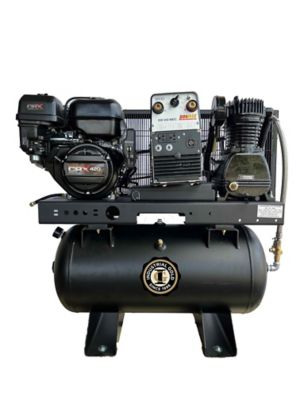
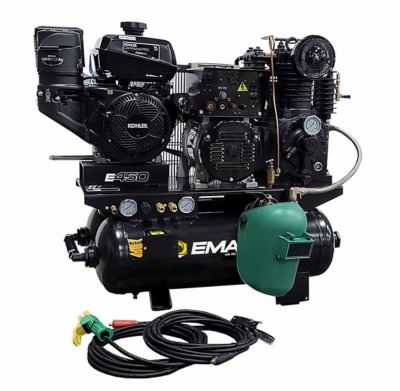
Welding systems bring together the power source, torch or electrode holder, work clamp and other parts needed to create a strong bond between metal pieces. In simple terms, the machine changes incoming utility or generator power into the controlled voltage and amperage needed to create an arc, melt the edges of the workpieces and fuse them together. A dependable ground connection completes the electrical circuit, while the torch, gun or electrode holder delivers current to the joint. Depending on the welding process, the system may also use shielding gas, a regulator, a wire spool, a tungsten electrode or flux-coated rods. These details matter when choosing equipment for a farm shop, garage, trailer, maintenance shed or small fabrication business. Someone repairing a gate hinge, reinforcing a livestock panel or building a workbench may need a different setup than a fabricator working with thin sheet metal or aluminum. Before choosing a system, consider the metal you plan to weld, the thickness of that material, how often you expect to use the machine and the power available where you work. Many compact welders can run from a standard household outlet, while higher-output equipment may require a 220-volt circuit. If your projects take place at a remote jobsite, a generator-friendly or portable system can make a big difference. For additional options suited to a range of shop and repair work, browse
Electric Welders.
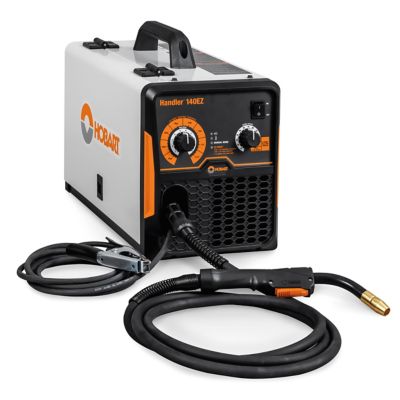
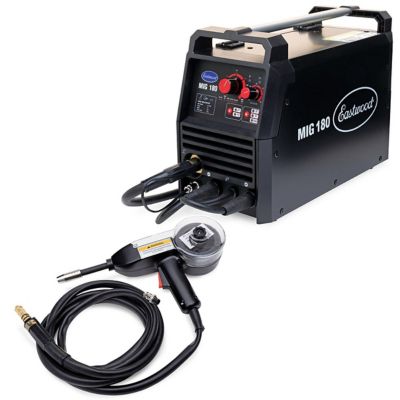
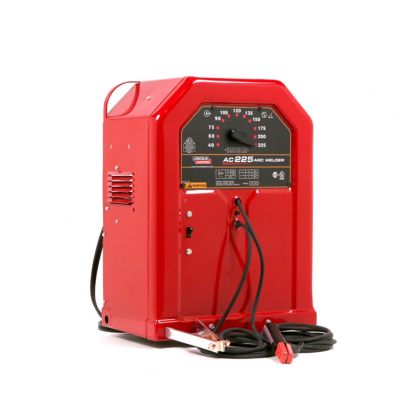
MIG welding, including flux-core welding, is a popular choice for general repairs and fabrication because the wire feeds continuously through the gun, helping users work steadily along a joint. It is often a practical fit for beginners, hobbyists and busy property owners who need to repair equipment without spending all day setting up. Flux-core wire can be especially useful outdoors or in breezy areas because it does not always require a separate shielding gas cylinder, though it still calls for clean technique and proper protection from wind. MIG systems that use shielding gas can provide a smooth, clean weld on suitable steel and other compatible metals when the gas flow, wire speed and voltage are set correctly. Stick welding uses a flux-coated consumable rod and is known for its portability and rugged performance. It can handle outdoor work and less-than-perfect steel, making it useful for fence repairs, farm implements, trailers and heavy equipment maintenance. The rods create their own protective shield as they burn, so a separate gas bottle is not needed, but users must learn to manage rod angle, arc length and slag removal. TIG welding takes more patience and hand control, yet it offers precise, clean welds on many thinner materials and is often selected for detailed fabrication, stainless steel work or aluminum when the system is equipped for it. TIG setups use a non-consumable tungsten electrode and typically require shielding gas, with filler rod added by hand as needed. Multiprocess systems combine two or more of these welding methods in one power source, which can be handy for a rural shop where one day calls for a quick stick repair and the next involves neat MIG work on a smaller project. The right choice depends less on having every possible feature and more on matching the machine to the jobs that regularly land on your workbench.
Welding equipment can be a useful addition for homeowners, mechanics, farmers, ranchers, maintenance crews, metal artists and do-it-yourself builders. It may also make a thoughtful gift for someone who enjoys restoring old machinery, building utility trailers, creating custom brackets or turning scrap steel into useful shop fixtures. A new welder can open the door to practical projects such as mending a broken latch, fabricating a firewood rack or reinforcing a well-used gate, while a more experienced user may appreciate a portable system, extra operating range or the ability to switch between welding processes. Look for features that make the equipment comfortable and manageable for the intended user, including a clear control panel, suitable amperage range, helpful duty cycle and cables long enough for the workspace. Weight and carrying handles become important when the machine needs to move between a barn, truck bed and repair table. Remember that the machine is only part of a complete welding setup. A properly rated helmet with the correct lens shade, welding gloves, flame-resistant clothing, safety glasses, hearing protection and sturdy work boots help protect against bright arc light, sparks, hot metal and sharp edges. Good ventilation is essential, and the work area should be cleared of hay, sawdust, fuel, solvents and other flammable materials before striking an arc. Secure the workpiece, inspect cables and clamps, keep gas cylinders upright when used, and allow finished metal to cool before handling it. During the cooler months, an enclosed shop can be a comfortable place to work, but fresh airflow and safe storage remain just as important. With the right welding system and a solid, clean workspace, routine repairs and ambitious metalworking projects become easier to take on with confidence.