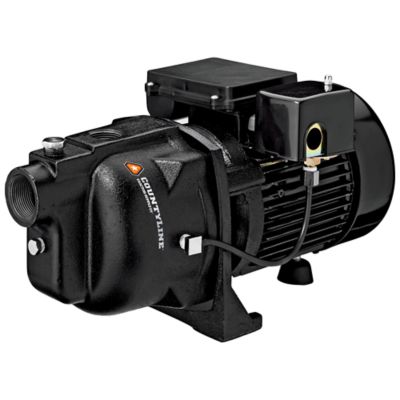
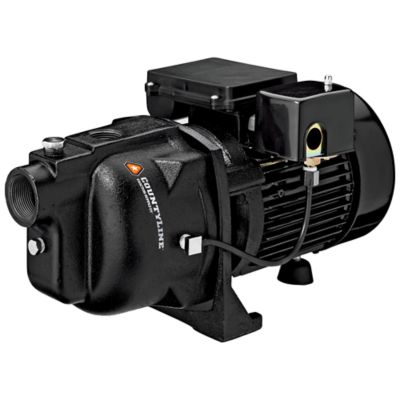
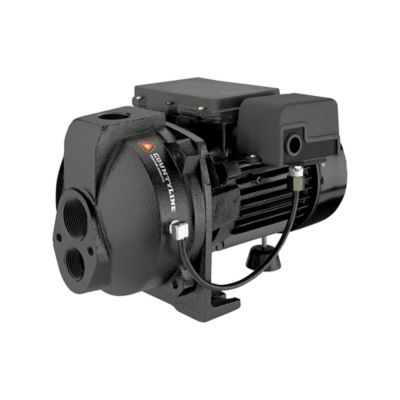
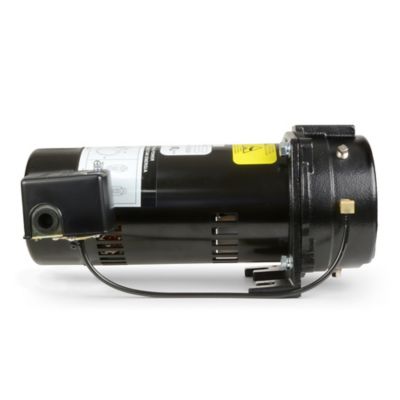
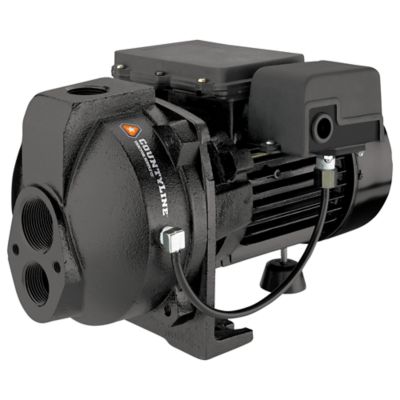
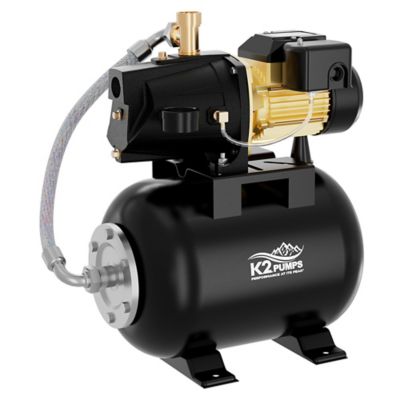
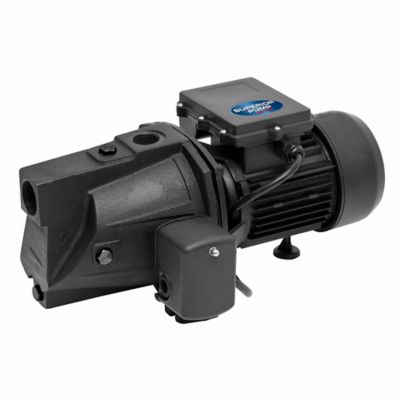
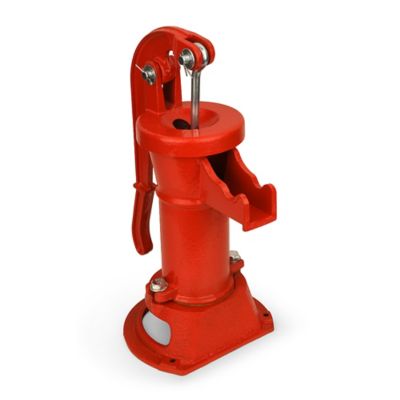
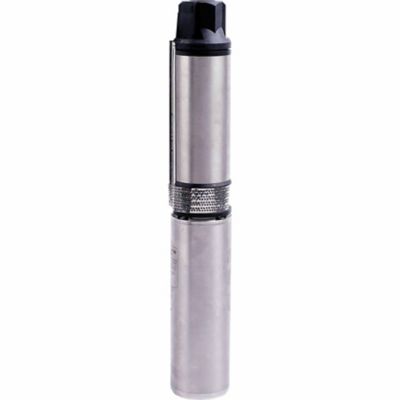
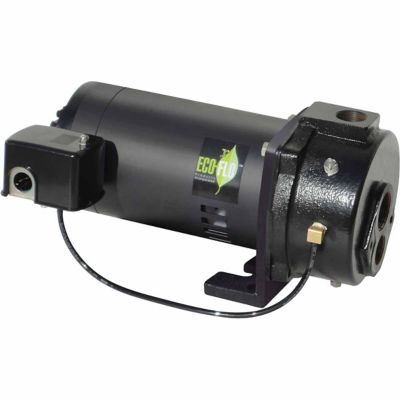
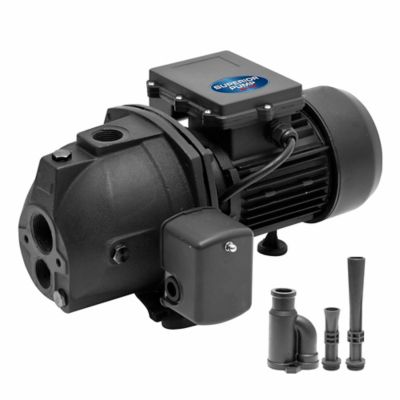
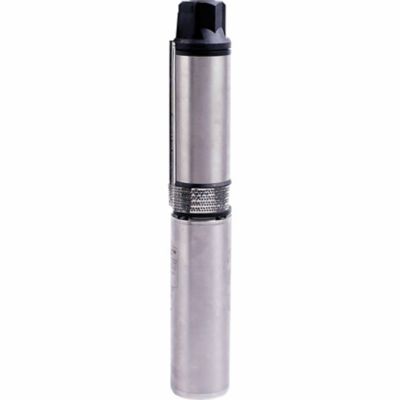
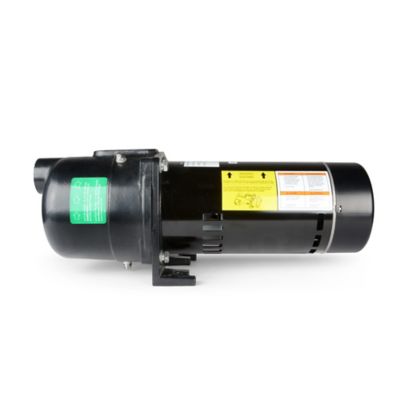
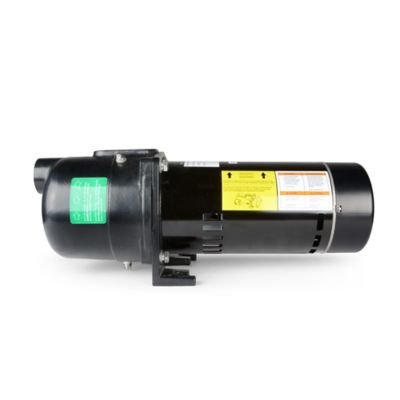
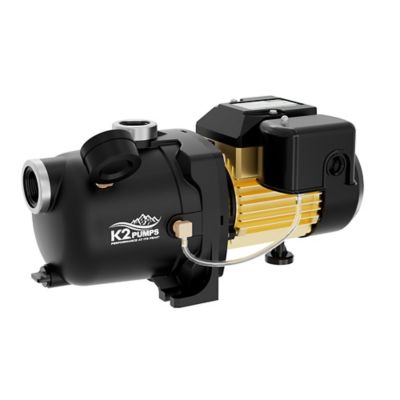
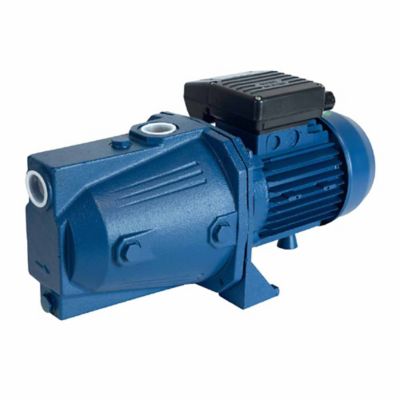
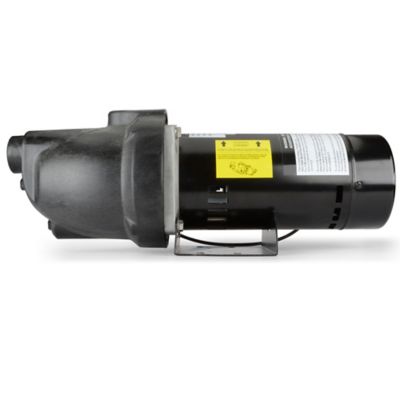
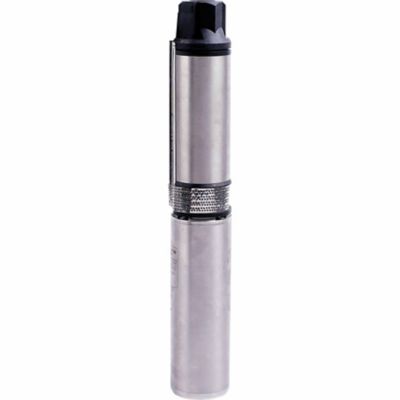
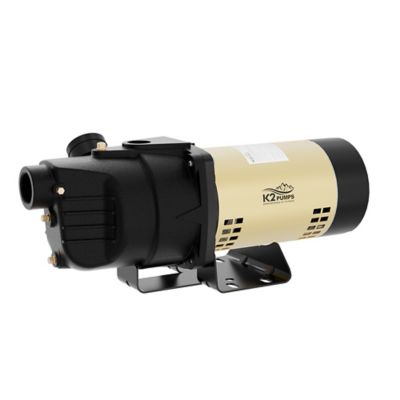
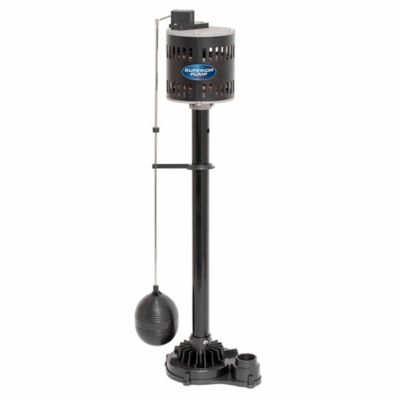
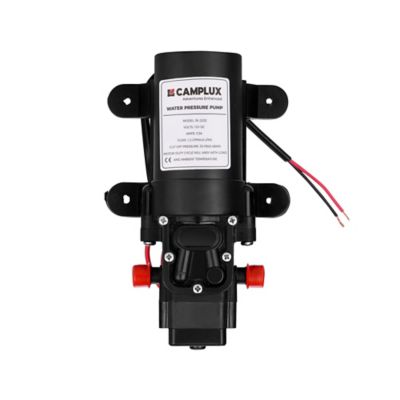
Water well pumps bring groundwater from a well into a plumbing system, pressure tank, or storage tank, helping supply homes, barns, livestock watering areas, and other parts of a rural property. The right setup depends on where the water sits, how much water the property needs, and how far that water must travel. A kitchen faucet and a barn hydrant may draw from the same well, but running both at once puts a different demand on the system than filling a single bucket. Well pump categories include shallow well jet pumps, convertible jet pumps, and submersible pumps, each suited to a different arrangement. Shallow well jet pumps sit above ground and draw water through a suction pipe. They generally serve installations where the pumping water level is about 25 feet or less below the pump, although elevation and pipe losses can reduce that practical limit. Convertible jet pumps can work in shallow or deeper configurations, with a down-well jet assembly supporting deeper applications when the pump specifications allow it. Some configurations handle pumping water levels around 90 to 100 feet, but that range is not a blanket rating for every pump. For installations that call for an underwater pump,
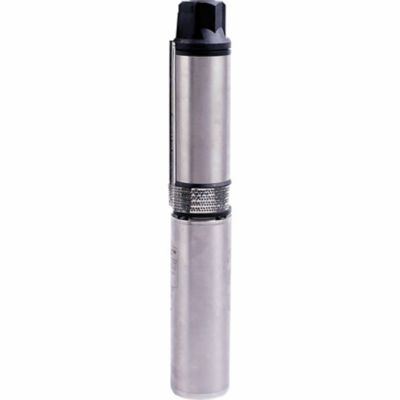
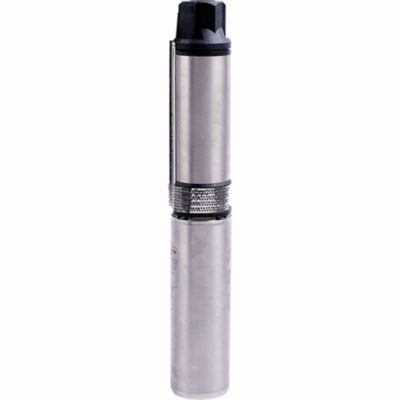
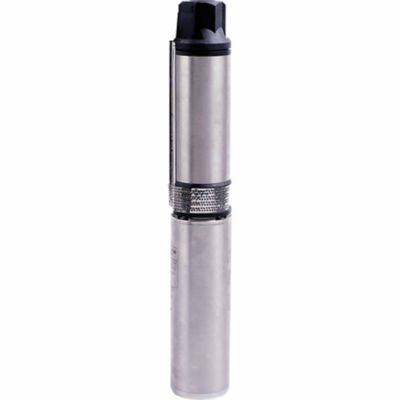
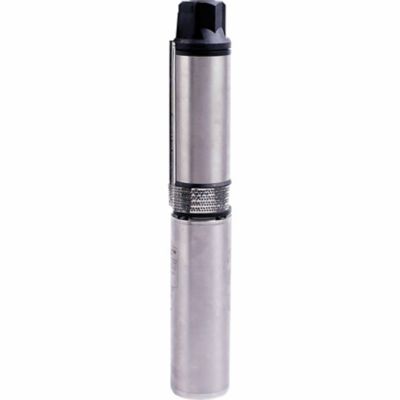
submersible well pumps sit inside the well casing below the water level and push water toward the surface. Depending on their design and ratings, these pumps can serve wells extending hundreds of feet deep. Total well depth alone does not determine pump selection: the standing water level, the water level while pumping, and the planned pump setting all matter. A well that extends 200 feet into the ground may have water much closer to the surface, while heavy demand can pull that water level lower. Those differences affect the work the pump must do and help explain why two properties with similar well depths may need different pumping arrangements. Access for service also differs, since an above-ground pump is within reach while a submersible installation generally requires equipment to lift the pump from the well.
Flow and pressure ratings help connect a water well pump to the everyday work expected of it. Flow is commonly measured in gallons per minute, or GPM, while pressure is commonly measured in pounds per square inch, or PSI. A household with several fixtures running together needs enough flow to support that demand, and a property supplying a distant barn must also account for elevation changes and friction through the piping. Total dynamic head combines the lift from the pumping water level, the pressure needed at the delivery point, and losses through pipes and fittings. Pump performance curves show how much water a pump can move at different head levels, making them more useful for matching a system than horsepower alone. A larger motor does not automatically mean a better fit. If a pump draws water faster than the well can replenish it, the water level may fall too far, so well recovery rate matters alongside household or farm demand. Storage can help separate peak demand from the well’s refill rate when it is part of a properly designed system. Pump dimensions matter, too: a submersible pump needs suitable clearance inside the casing, while surface-mounted equipment needs room for piping connections and service access. Electrical requirements include the specified voltage, circuit capacity, wire sizing, and controls, with some installations calling for a separate control box. In a conventional pressure-tank system, the pressure switch starts the pump when pressure drops to its cut-in setting and stops it at the cut-out setting. The pressure tank provides a reserve of pressurized water, reducing how often the motor starts during smaller draws. A tank with appropriate drawdown capacity helps limit short cycling, which can put extra strain on the motor and switching components. Check valves help prevent water from flowing backward after the pump stops; the number and placement depend on the system design. These connections matter when replacing a pump because the existing tank, switch, piping, and electrical setup all need to work with the new equipment rather than simply connect to it.
Materials, water conditions, and access for maintenance influence how a well pump holds up over time. Depending on the pump design, housings and internal parts may include cast iron, stainless steel, or engineered thermoplastics. Cast iron appears in many surface pump housings, while stainless steel is common in submersible assemblies that remain underwater. Material names alone do not settle the choice; the manufacturer’s specifications, the water’s mineral content, and the amount of sand or sediment in the well also deserve attention. Abrasive particles can wear impellers and other moving parts, and mineral buildup can affect passages and valves. Pumps intended for household drinking-water systems should have the applicable drinking-water certifications and compatible fittings, seals, and piping. A pump moves water; it does not make untreated groundwater safe to drink, so well testing and any necessary treatment remain separate parts of the system. Routine care centers on watching for changes in operation rather than waiting for the taps to run dry. Frequent starts, a noticeable drop in pressure, unusual noise, leaks around surface connections, or air at the faucet can point to a system that needs attention, though those symptoms do not always mean the pump itself has failed. Surface jet pumps also depend on proper priming and airtight suction connections, and running a pump without adequate water can damage it. Pressure tank air charge, pressure switch operation, and electrical connections need attention according to the equipment instructions, with power disconnected before service. A qualified well professional or electrician can handle work that involves lifting a pump, inspecting down-well components, or changing electrical connections. For homeowners, livestock keepers, and property managers, a well-matched pumping system supports ordinary chores without becoming the center of the day. Whether the job is keeping household fixtures supplied or delivering water to a trough across the yard, the strongest fit comes from matching the pump’s construction, operating range, and controls to the well and the workload.