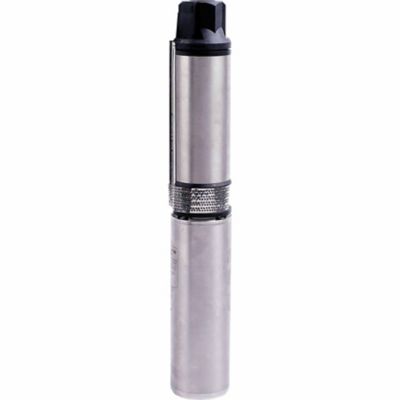
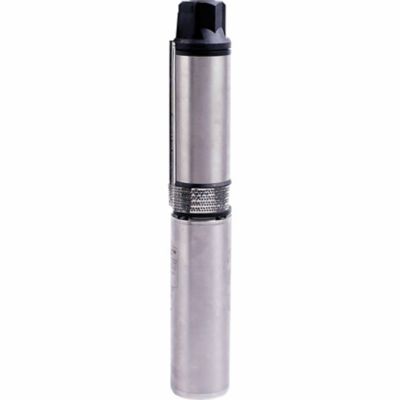
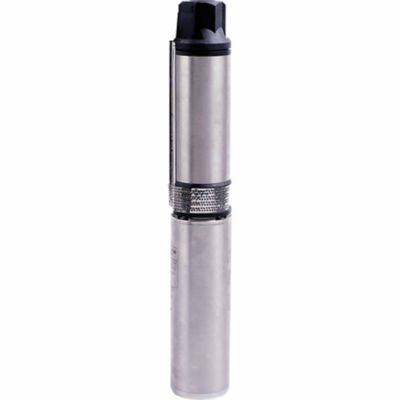
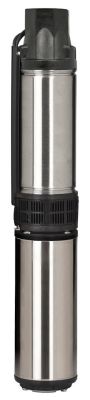
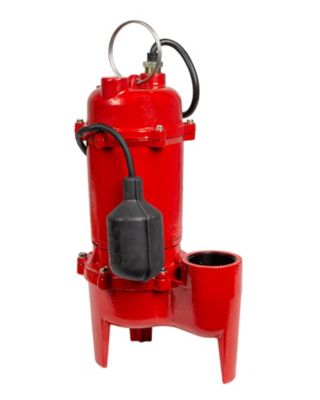
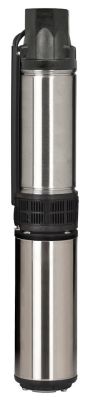
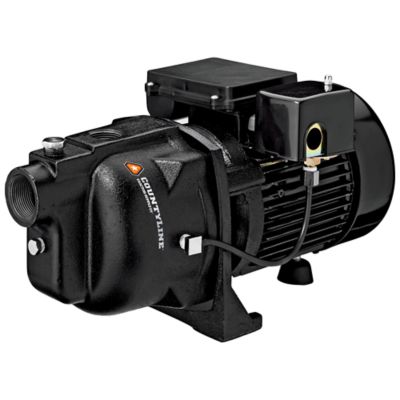
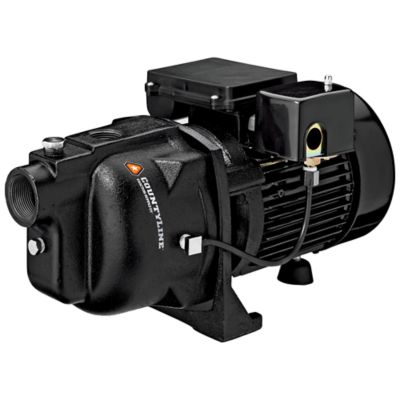
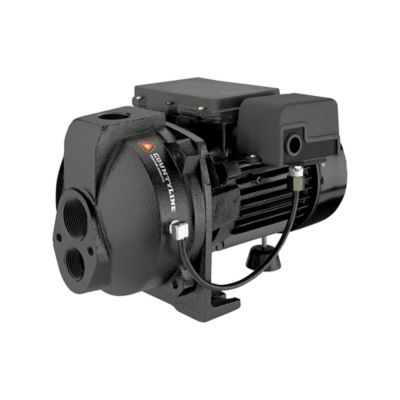
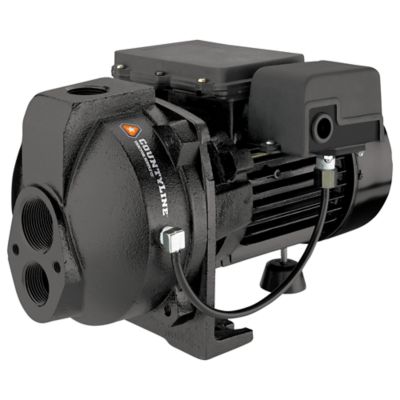
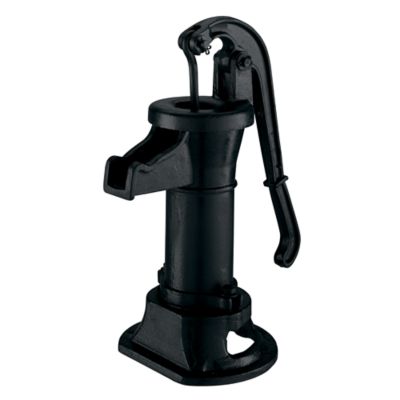
Submersible well pumps are motor-and-pump assemblies designed to operate underwater inside a well casing, pushing groundwater through a drop pipe to the surface. They supply water for everyday jobs around a rural property, from filling the kitchen sink and running the washing machine to watering a garden or supplying a livestock watering system. Unlike an above-ground jet pump that draws water through suction, a submersible pump moves water upward from below the pumping water level, making it a practical choice for many deep wells. The motor is sealed against water intrusion, while the pump section moves water through a series of impellers that build pressure. In a conventional household system, water travels to a pressure tank, and a pressure switch starts and stops the pump as system pressure changes. Other systems pair compatible pumps with variable-speed controls to adjust operation as demand changes. The right performance depends on both flow and lift, not horsepower alone. Flow is measured in gallons per minute, or GPM, and should reflect the water demand the system needs to serve at one time. A shower, washing machine, and barn spigot running together put a different load on a pump than a single kitchen faucet. Total dynamic head accounts for the lift from the pumping water level to the delivery point, the pressure needed there, and friction losses through pipe and fittings. That means the full depth of the drilled well is not the same as the lift the pump must overcome. Pump performance curves show how much water a pump can deliver at a given head; maximum flow and maximum head are not simultaneous operating points. The well’s recovery rate matters, too, since a pump cannot supply more groundwater over time than the well can replenish. A pressure tank helps manage cycling but does not increase that replenishment rate. For a broader look at equipment for different well setups,
Water Well Pumps covers the larger category.
Physical fit and construction matter just as much as pumping capacity. A submersible well pump needs clearance inside the casing for the pump body, electrical cable, and any required accessories, with dimensions that match the actual well rather than an assumed casing size. Many residential installations have a four-inch casing, but narrower and larger wells call for equipment sized for their particular openings. Well records can help establish casing diameter, total depth, water levels, and the existing pump setting. The water level while pumping is especially important because it can fall below the resting level as water is drawn out. Stainless steel housings are common in this category, and pump components may include stainless steel, engineered thermoplastics, or other materials selected for the application. Resistance to corrosion, sand abrasion, and mineral buildup depends on the materials and the conditions down the well. For a household drinking-water system, components should carry the approvals required for potable-water contact. Horsepower, voltage, flow rating, and head rating all need to work together with the property’s electrical supply and water demand. A larger motor is not automatically a better match; an oversized pump can draw down a low-yield well too quickly or contribute to frequent starts when the rest of the system is mismatched. Two-wire and three-wire descriptions refer to motor conductors, with a grounding conductor counted separately. Many two-wire motors have starting components built into the motor, while many three-wire motors require a separate control box matched to the motor specifications. These configurations are not interchangeable without checking the equipment requirements. Cable size also depends on motor load and the distance to the power source. Drop pipe, fittings, check valves, and supports must suit the installation’s pressure and load. A well professional can confirm pump placement, including clearance above sediment and sufficient water coverage during drawdown, while accounting for the motor’s cooling-flow requirements.
A good fit extends beyond the pump itself to the equipment that keeps water moving steadily through the property. Pressure tanks, pressure switches, gauges, control boxes, and protective controls each have a role, and their ratings need to match the pump and system layout. For a conventional pressure-tank system, tank sizing and pressure settings affect how often the motor starts. Frequent short cycles can add wear, even when water still reaches the faucet. Dry-run protection can help protect a compatible system when the water level falls too far, while motor overload protection addresses another set of operating risks. These features depend on the control arrangement rather than coming with every submersible pump. A home with a nearby barn may need a different flow-and-pressure balance than a property sending water through a long line to a remote trough. Pipe length, elevation changes, and simultaneous demand all influence what reaches the far end. Pumping water from a well also does not make it safe to drink by itself; water testing and suitable treatment address drinking-water concerns separately. Although the pump sits out of sight, changes at the tap can signal that the system needs attention. Sputtering flow, repeated cycling, a sudden pressure drop, or sediment in the water can come from several causes, including changing well conditions, leaks, tank problems, or worn components. Those signs do not always mean the pump needs replacement. Keeping service records and noting normal pressure readings can help a technician narrow down the cause. Wellhead protection, intact seals, and properly protected electrical connections also support long service life. Maintenance or removal involves electrical equipment and a suspended assembly, so those jobs belong with a qualified well professional. With pump capacity, casing fit, materials, and controls working together, a submersible well pump can serve the daily water needs of a farmhouse, acreage, or working livestock property without making routine chores a struggle.