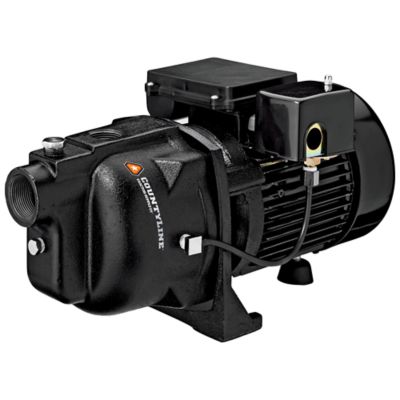
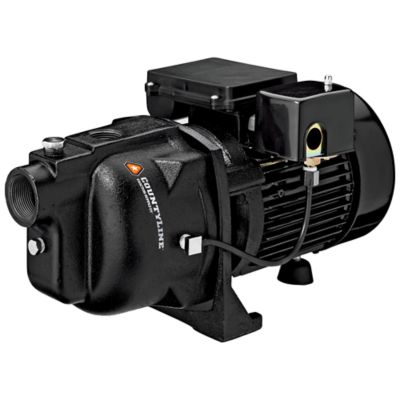
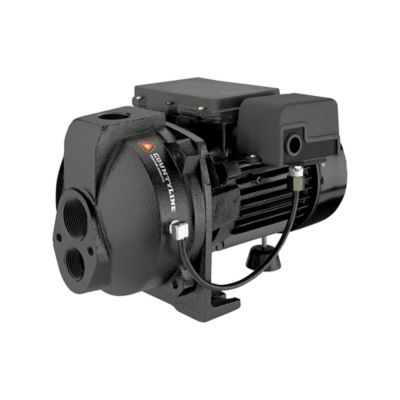
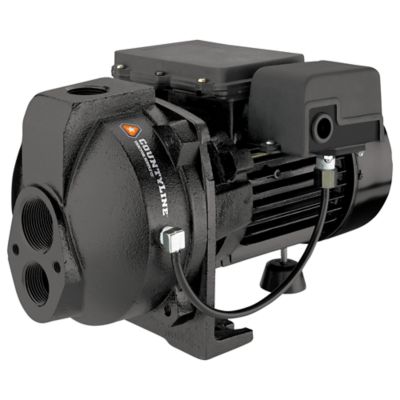
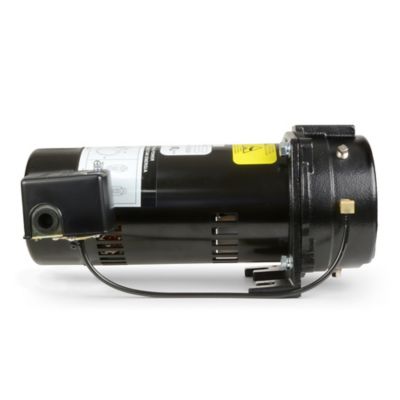
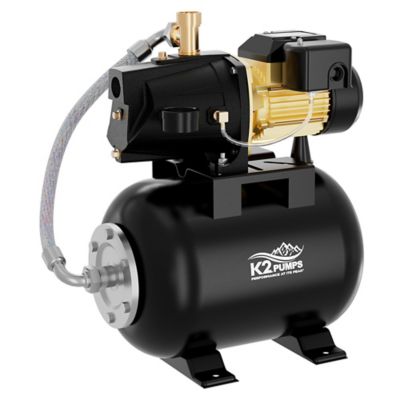
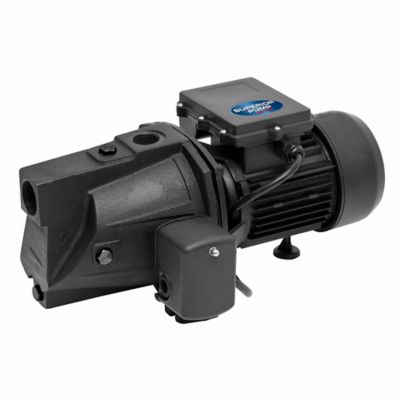
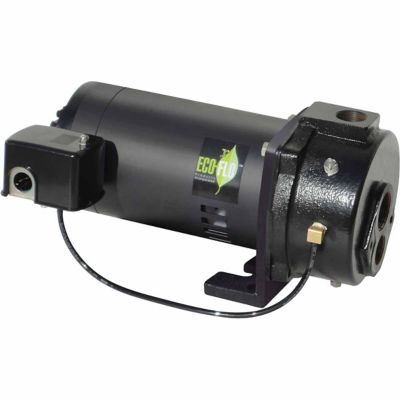
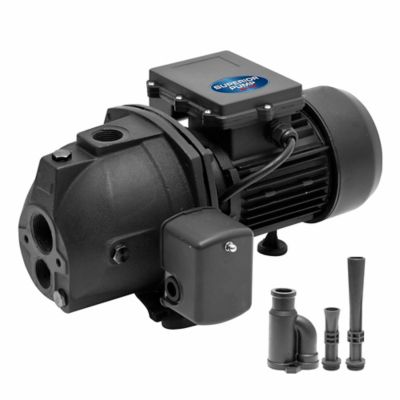
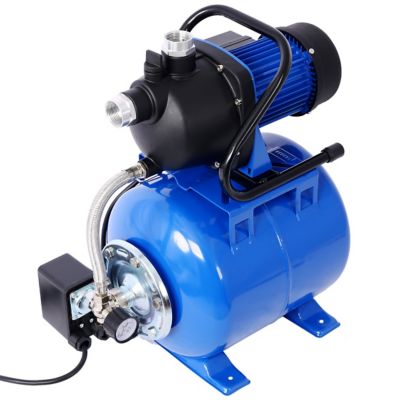
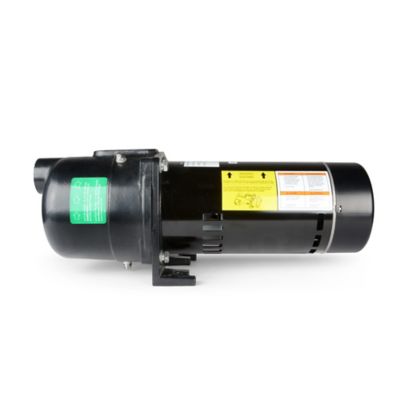
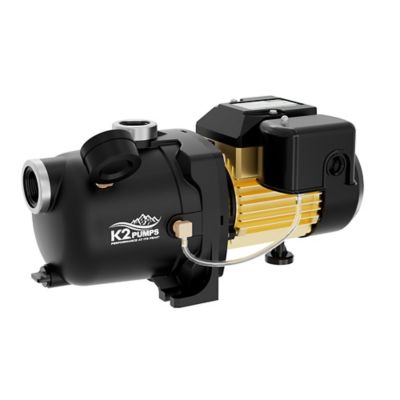
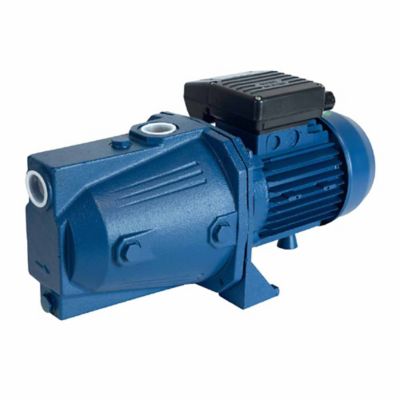
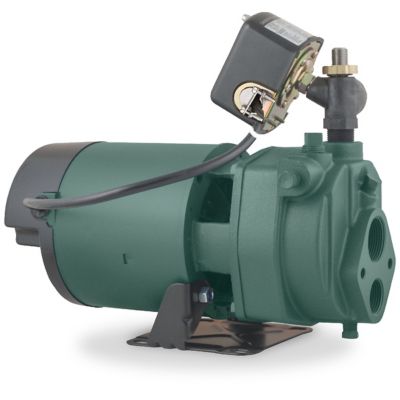
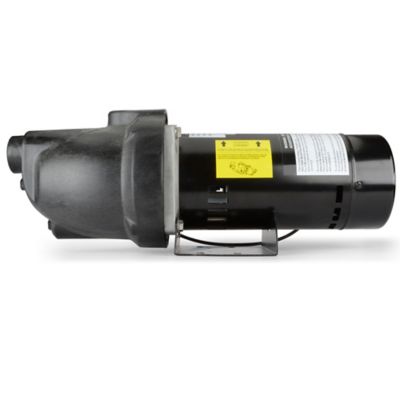
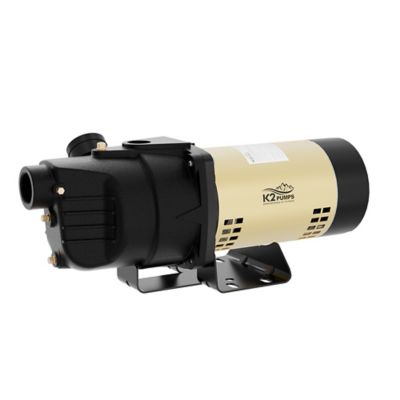
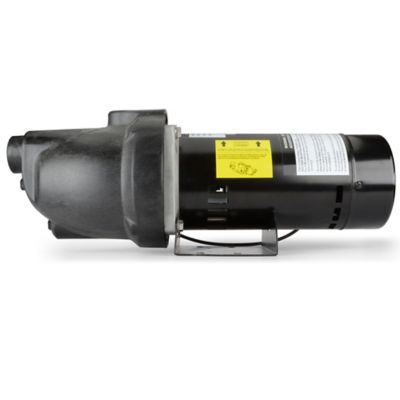
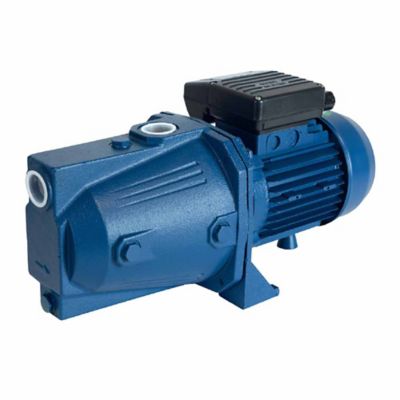
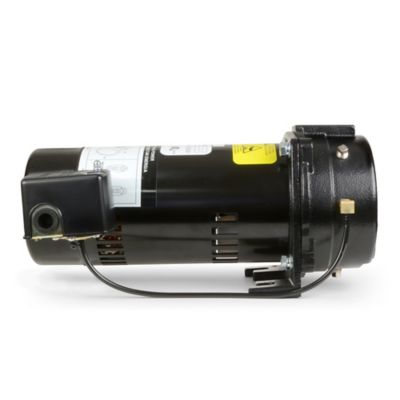
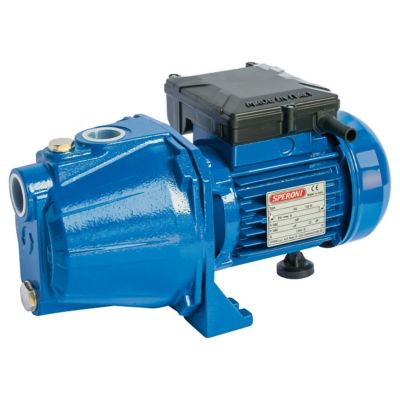
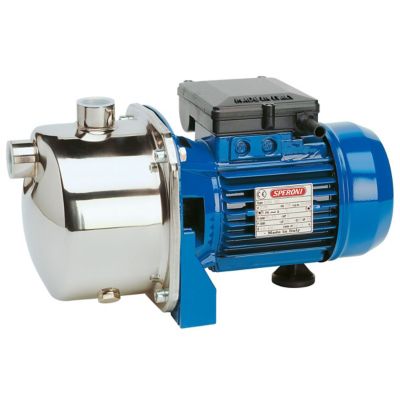
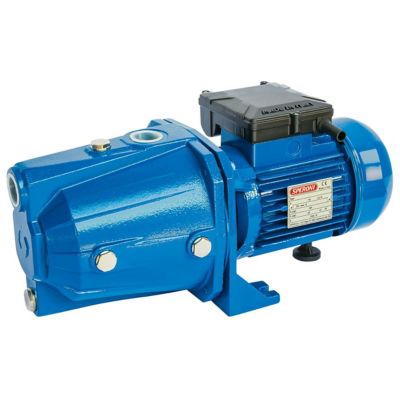
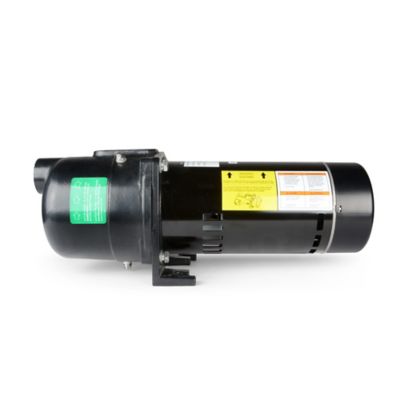
Shallow well jet pumps are above-ground water pumps designed to lift water from a well where the pumping water level is about 25 feet or less below the pump. They draw water through a suction pipe rather than operating down inside the well, making them a familiar choice for homes, small farms, cabins, and outbuildings served by a shallow water source. Inside the pump, a motor-driven impeller works with a jet and venturi assembly to create suction and move water into the plumbing system. A pressure switch and a properly matched pressure tank help deliver water on demand at sinks, hose connections, and livestock watering points. The important depth measurement is the vertical distance between the pump and the water level while water is being drawn, not the total depth of the well casing. A well can extend farther underground and still suit a shallow well pump if its pumping water level stays within the pump’s operating range. That roughly 25-foot limit is a practical upper range, not a promise for every installation; elevation, pipe friction, fittings, and changing water levels all affect suction performance. A pump positioned close to the well with a short, properly sized suction run generally has an easier job than one pulling through a long line with several elbows. For a farmhouse with a kitchen, laundry area, and a barn hydrant on the same supply, the right match depends on how much water those outlets need together. For a cabin with fewer fixtures, steady pressure and sensible tank sizing may matter more than a larger motor. These pumps are intended for compatible clean-water applications, not for moving sewage, muddy pond water, or water carrying abrasive grit. Drinking-water systems also need suitable wetted components and water testing, since pumping water does not make it safe to drink.
Matching a shallow well jet pump to a property means looking at flow, pressure, suction lift, and the well’s ability to replenish water as one connected system. Flow is commonly listed in gallons per minute, but that number changes with operating conditions. A pump’s performance chart shows how much water it can deliver at a given suction lift and discharge pressure, making it more useful than a motor rating alone. Even among
1 HP Jet Pumps, the useful comparison is delivered flow at the conditions the system actually requires. A bigger motor cannot correct a suction lift beyond the pump’s limits or make a slow-recovering well produce more water. Picture a hose filling a stock tank while someone starts a load of laundry: the combined demand matters more than either task by itself. Pipe diameter, the distance to the barn, and elevation changes between the pump and the outlets also affect the pressure that reaches the far end of the line. The pressure tank provides a reserve of pressurized water and helps limit frequent motor starts, but its total capacity is not the same as its drawdown, or the water available between pump cycles. Tank sizing, pressure-switch settings, and the pump’s capabilities need to work together. Physical fit deserves the same attention as performance. Suction and discharge connection sizes, mounting-hole spacing, overall dimensions, and clearance around the motor can determine whether a replacement fits an existing pump house without extensive plumbing changes. Electrical requirements vary, too. Some motors support more than one supply voltage, while others do not, so the nameplate and wiring diagram govern the connection. Proper grounding, circuit protection, and installation that follows local requirements belong in the plan. For households and farm buildings sharing one supply, a well-matched setup balances everyday water demand with the limits of the well, rather than simply choosing the highest horsepower.
Construction materials and service access help shape how a shallow well jet pump fits into everyday chores. Cast-iron housings provide a substantial body and a sturdy mounting base, while stainless steel and thermoplastic components offer different corrosion-resistance characteristics depending on the water and the particular component. The housing material alone does not tell the whole story: the shaft seal, impeller, internal passages, motor protection, and suitability for drinking-water contact all deserve attention. Water chemistry can affect service life, and a well that carries sand may need a different approach than one supplying clear water. Accessible priming and drain openings, readable pressure gauges, and room to reach fittings can make maintenance less of a chore in a cramped utility corner. Although many shallow well jet pumps are described as self-priming, that does not mean they can start with an empty pump casing. Initial filling and any later re-priming must follow the manufacturer’s directions, and running without water can damage the seal and other components. A properly arranged foot valve or check valve helps the system retain prime, while airtight suction connections keep the pump from drawing air instead of water. Small leaks on the suction side may affect performance even when no obvious puddle appears. A firm mounting surface and supported piping help keep vibration and pipe strain from working against the pump. Routine attention usually centers on changes in operation: frequent cycling, pressure that falls with all outlets closed, air sputtering at faucets, or a motor that runs longer than normal. Those symptoms can point to different issues, including plumbing leaks, tank problems, worn components, or a change in the water source; they do not automatically mean the pump needs replacing. Electrical power must be disconnected and system pressure relieved before service. With the right operating range, compatible materials, and accessible installation, a shallow well jet pump can keep water moving for household routines, barn chores, and the daily work around a rural property.