Deep well pumps bring groundwater up to the places that keep a rural property running, from the kitchen sink and laundry room to a barn hydrant or livestock watering system. Their job is to move water from a well and deliver it at the flow and pressure the connected system needs. The distinction between shallow and deep well pumping depends largely on the distance to the water while the pump is running, not simply the depth of the drilled hole. Once that pumping water level falls beyond the practical suction reach of a shallow well pump, generally around 25 feet under favorable conditions, a different pumping arrangement is needed.
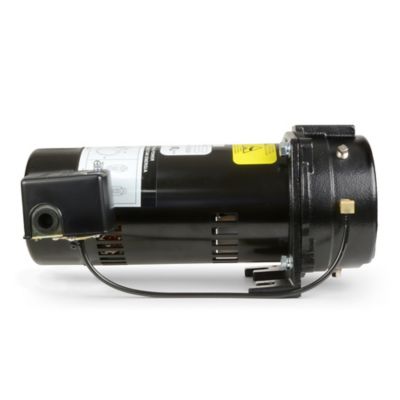
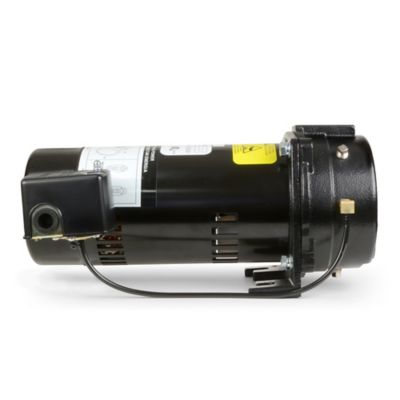
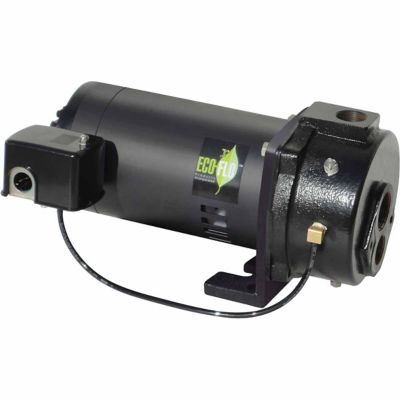
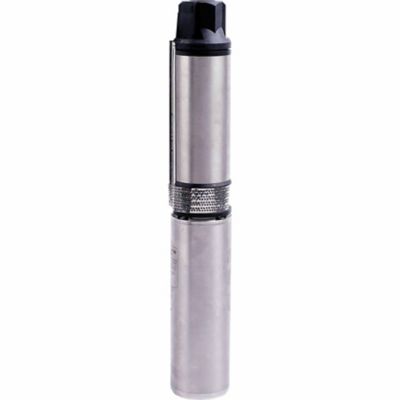
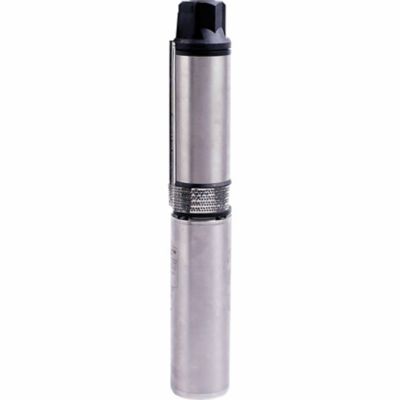
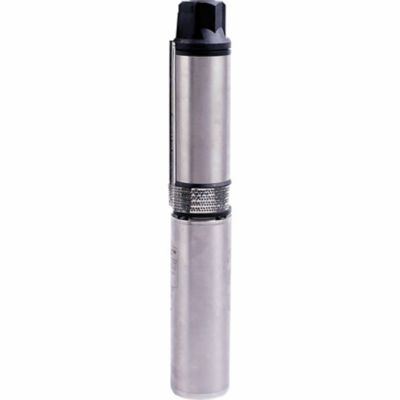
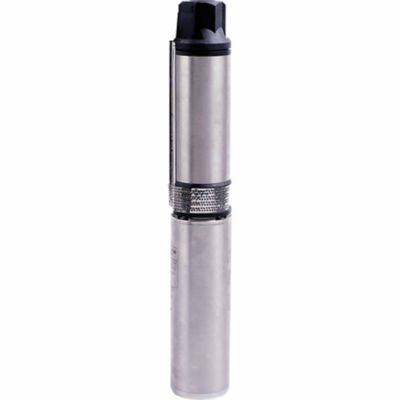
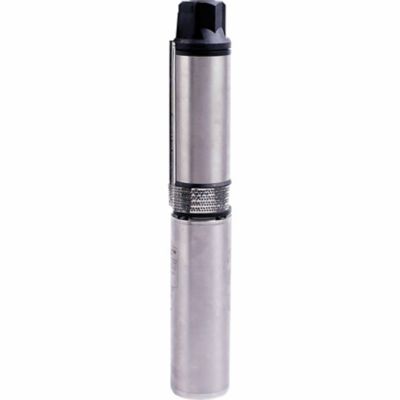
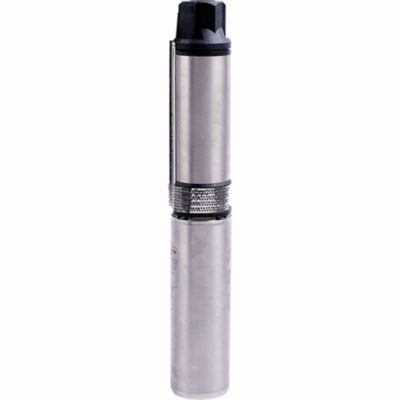
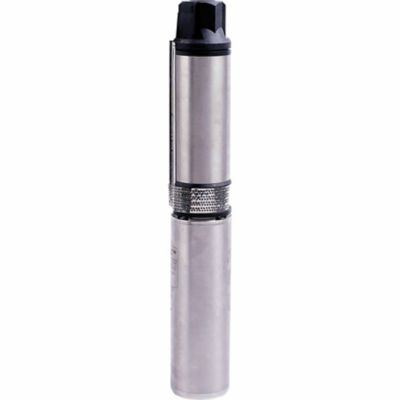
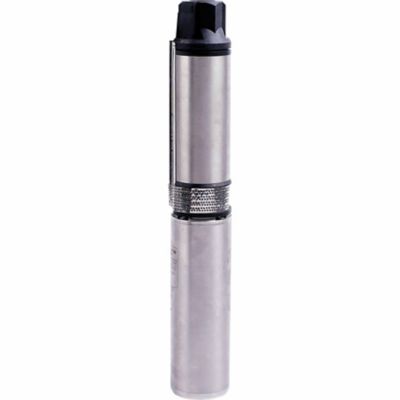
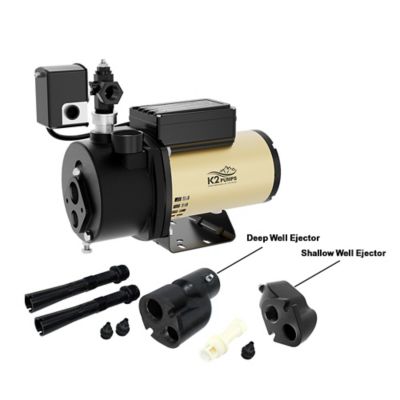
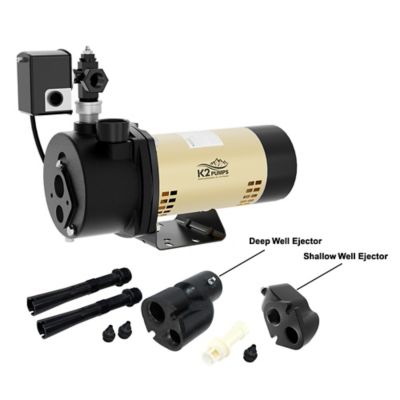
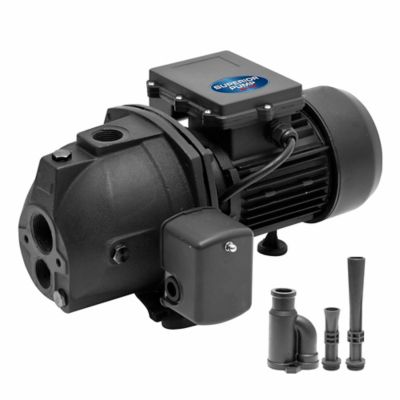
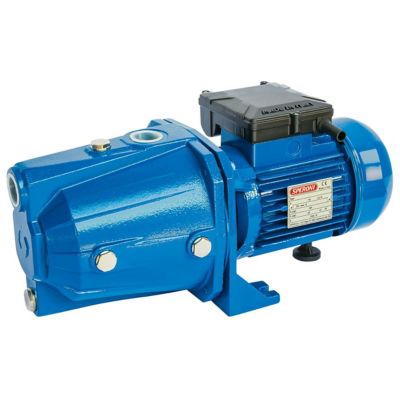
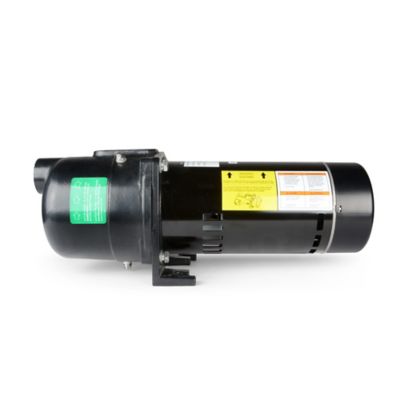
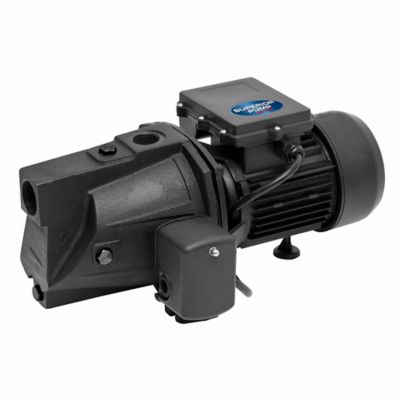
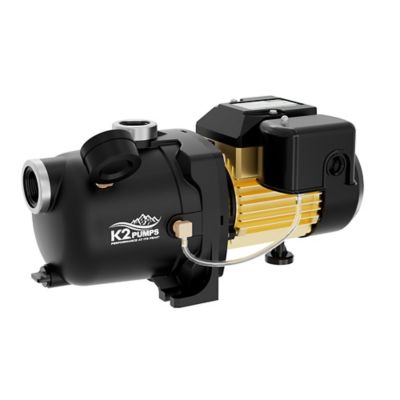
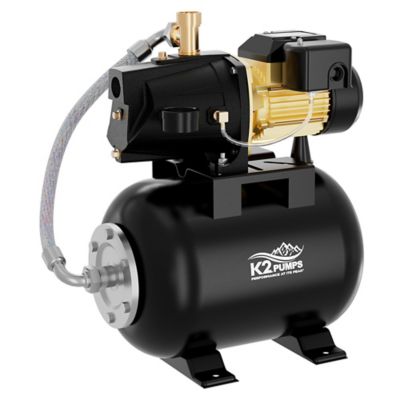
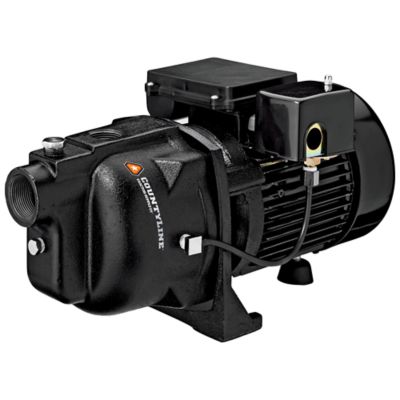
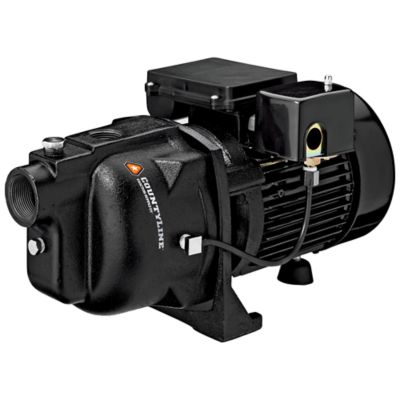
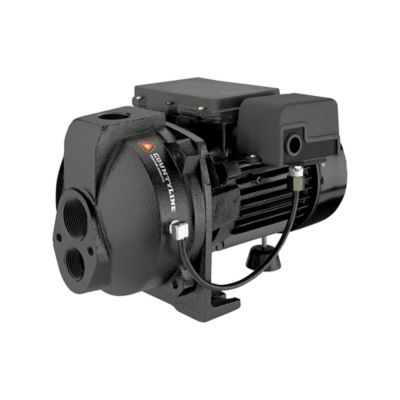
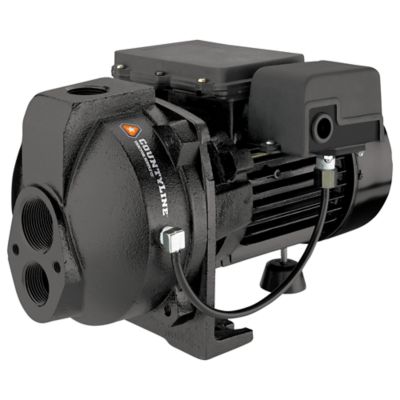
Submersible well pumps operate below the waterline, where a submerged motor drives a series of impellers that push water upward through a drop pipe. This arrangement serves many residential and farm wells, including installations with substantial lifting requirements. Deep well jet pumps take another approach: the motor stays above ground while a jet assembly sits down in the well, commonly connected through a two-pipe arrangement that circulates water to help bring additional well water to the surface. The suitable depth range depends on the pump, jet assembly, piping and operating conditions, so these systems are not interchangeable based on horsepower alone. For a farmhouse with several bathrooms, a small acreage with outdoor faucets, or a barn supplied from the same well as the house, the best fit comes from matching the pump to both the well and the work expected of it. Pressure tanks, switches, controls and piping all play a part in how that water reaches the tap. A deep well pump supplies water; it does not, by itself, remove bacteria, dissolved minerals or other contaminants. Drinking-water treatment and testing remain separate considerations, even when the water looks clear coming out of the faucet.
Flow, lift and well capacity belong together when comparing deep well pumps. Flow is commonly listed in gallons per minute, or GPM, but a stated flow rate only tells part of the story. Pump performance changes with total dynamic head, which accounts for the vertical lift from the pumping water level to the delivery point, the pressure required at that point, and friction losses through pipe, fittings and valves. The bottom of a 200-foot well is not automatically the starting point for that lift calculation; the water level during pumping matters. Pump curves show how much water a pump can deliver against different head requirements, making them more useful than a horsepower number by itself. A larger motor does not automatically mean a better match, especially when the well replenishes slowly. A household shower, washing machine and barn faucet running together create a different demand than one hose filling a trough. Irrigation can add another sustained load, and the pump’s output needs to fit the well’s sustainable yield rather than outpace it. Storage can help bridge certain demand patterns, but it does not increase the amount of water the well can produce. Physical fit matters just as much. Many residential submersible pumps are designed for nominal 4-inch well casings, though the actual casing clearance, pump diameter and manufacturer’s installation requirements still need to line up. Drop-pipe size, discharge connections and the distance to the pressure tank also affect the overall match. Electrical requirements deserve the same attention: voltage, circuit capacity, cable size and motor controls must suit the installation. For many single-phase submersible motors, two-wire designs contain their starting components in the motor, while three-wire designs require a matched external control box; both also need equipment grounding. A replacement pump should fit the existing system’s documented requirements, not merely resemble the old assembly. A well professional can confirm those details and address problems such as excessive drawdown or an undersized supply line before they carry over to a new installation.
Materials and construction help determine how a deep well pump stands up to life below ground. Stainless steel housings, corrosion-resistant components and engineered thermoplastic impellers are common construction choices, with the best combination depending on water chemistry, sediment and the demands of the installation. Stainless steel is not immune to every water condition, and a metal exterior alone does not tell the whole story about the motor, bearings or internal pumping stages. Sand and grit can wear internal parts, so a pump’s sediment limits matter on a well that brings up particles. Placement also affects service life: the intake needs adequate submergence without sitting in accumulated material at the bottom, and the motor needs the cooling flow specified by its manufacturer. Some installations call for a flow sleeve to direct water past the motor. Protection against running without enough water can be especially helpful where the pumping level drops during a long draw. Above ground, a properly matched pressure tank and working controls help limit frequent starts and stops that put extra strain on the motor. A faucet that pulses, a tank that seems to trigger the pump every few seconds, or a noticeable change in pressure can point to a system issue rather than a need for more horsepower. Keeping the well cap secure, protecting electrical connections from moisture, and checking accessible plumbing for leaks support the whole setup. Pump removal, electrical work and changes inside the well are jobs for qualified help, particularly when a long drop pipe and submerged wiring are involved. Components that contact drinking water should carry applicable potable-water approvals, and service work should preserve the well’s sanitary protection. Whether the water is headed to a house, a feed room sink or a stock tank beside the barn, a well-matched deep well pump works as part of a complete water system, with construction, controls and capacity suited to the property.