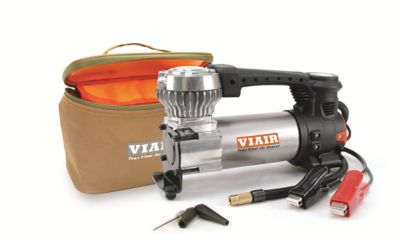
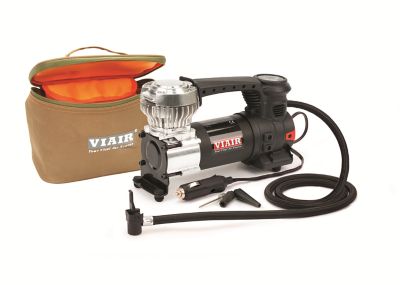
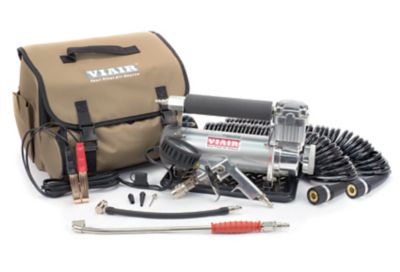
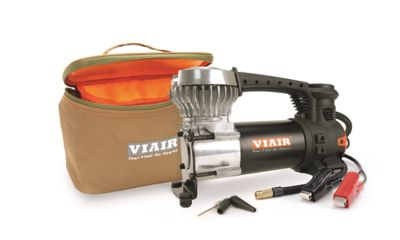
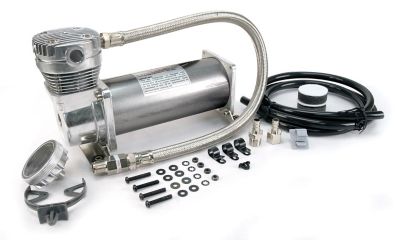
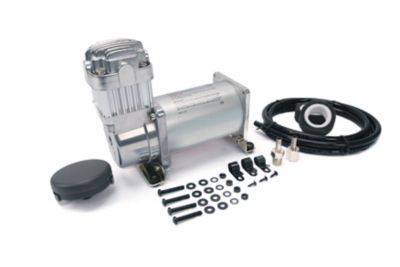
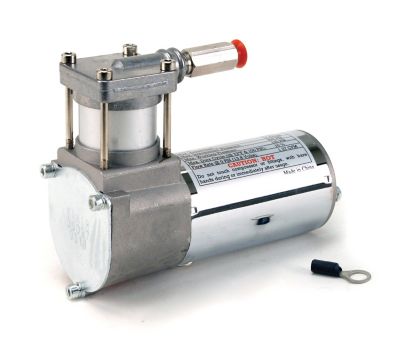
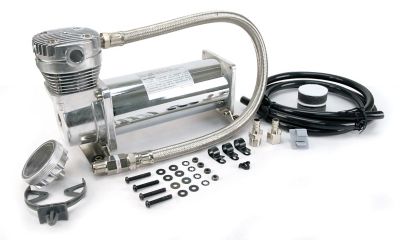
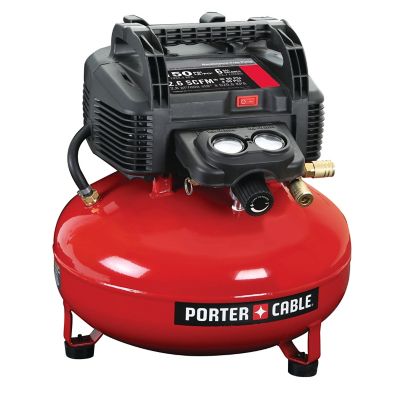
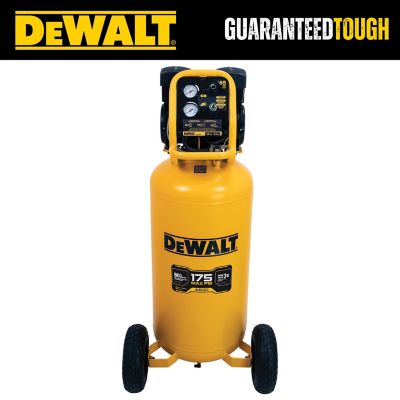
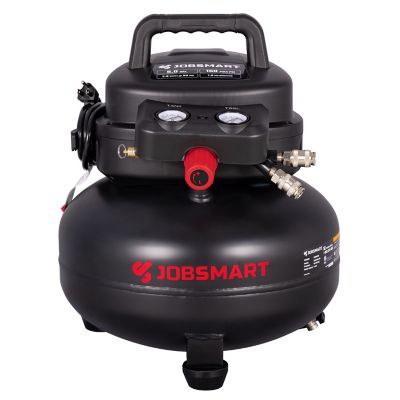
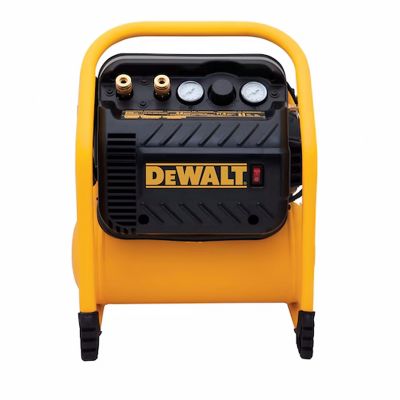
A Vi air compressor can be a handy piece of gear for keeping vehicles, trailers, equipment, and outdoor toys ready to roll. These compact electric pumps are commonly used for tire inflation, air suspension adjustments, air horns, and other jobs that call for a dependable supply of compressed air without dragging a large shop compressor out to the driveway. Portable units are a good fit for a pickup, SUV, camper, farm truck, or utility trailer because they can be carried along and brought out when a tire loses air on a gravel road, at a hunting camp, or beside a barn. Many connect to a 12-volt vehicle electrical system, while some setups are made for 24-volt applications. Depending on the design, the compressor may connect with battery clips or a vehicle power connection, and longer power leads and air hoses can make it easier to reach all four tires without moving the vehicle. For a permanent installation, an onboard compressor can be mounted under a vehicle or in another protected location and paired with an air tank. That kind of setup is useful for drivers who regularly adjust tire pressure, operate air lockers, use air suspension, sound an air horn, or need quick access to compressed air while working away from the shop. A portable unit may also make a thoughtful gift for a farmhand, off-road driver, camper, landscaper, or anyone who spends long days traveling on rural roads where a tire gauge and a little air can save a long walk or an expensive service call.
When comparing a Vi air compressor, start with the job rather than the size of the pump alone. Tire size and inflation pressure have a big effect on how long a compressor will need to run. A compact unit may be well suited to passenger vehicles, side-by-sides, motorcycles, lawn equipment, and occasional top-offs, while larger truck, RV, trailer, and agricultural tires generally call for stronger airflow, a longer duty cycle, and sturdy connections. Look at the compressor’s maximum pressure, airflow rating, duty cycle, and recommended tire range, keeping in mind that maximum pressure is not the same thing as fast inflation. Airflow, often listed in cubic feet per minute, helps indicate how quickly the unit can move air, while the duty cycle describes how long it can operate before needing a cool-down period. A compressor with thermal overload protection can shut itself off if the motor gets too hot, helping protect the equipment during demanding jobs; let it cool before restarting rather than forcing it to run continuously. An oil-free design is convenient for roadside and farm use because there is no oil reservoir to check, spill, or replace, and a direct-drive motor uses fewer moving parts than many traditional shop-style compressors. Those features can mean less routine maintenance, though the air filter, fittings, electrical connections, and hose should still be checked from time to time. A built-in or included pressure gauge helps with accurate inflation, but a separate tire gauge can be useful for confirming the final reading. Pay attention to chuck style, hose length, cord length, storage case options, and whether the compressor includes the adapters needed for valve stems, inflatables, air springs, or other equipment around the property.
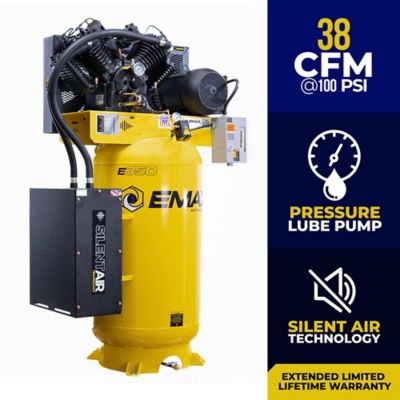
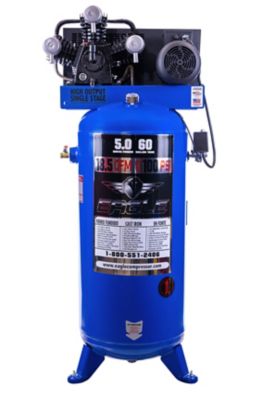
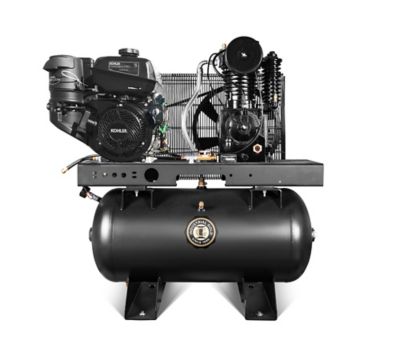
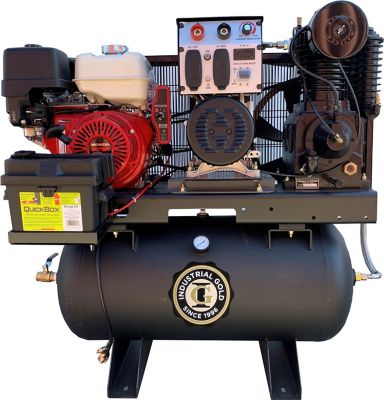
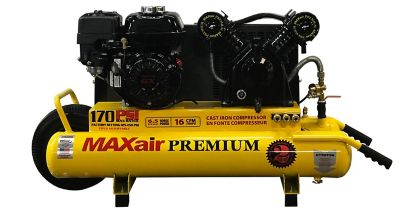
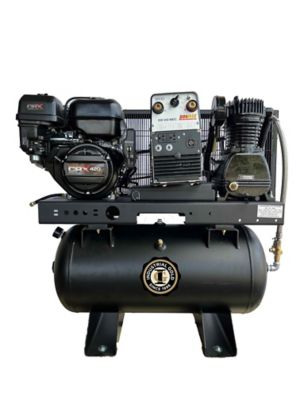
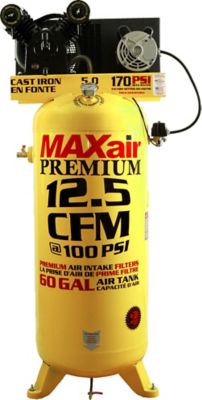
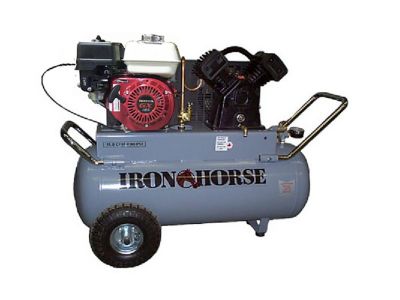
Safe setup matters just as much as pumping power. Park on a firm, level surface when possible, set the parking brake, and inspect the tire for nails, cuts, damaged sidewalls, or a bead that has come loose before adding air. Follow the vehicle or tire maker’s recommended cold inflation pressure instead of relying on the maximum number molded into the tire sidewall. If a tire has been driven while badly deflated, has visible damage, or will not hold air, inflation is only a temporary step and the tire should be inspected by a qualified professional. Keep the compressor vents clear of grass, dust, straw, and mud, especially when working around a feed lot, hay shed, or freshly mowed field. Give the motor a break according to its duty cycle, and avoid leaving a running compressor unattended. Store the unit somewhere dry and protected from freezing moisture, and coil the hose and power leads without sharp bends so they are ready for the next trip. During the warmer part of the year, correct tire pressure can help trailers track better on long drives and can reduce unnecessary wear on trucks and mowers; during cooler weather, pressure may drop as temperatures fall, making a quick check useful before hauling firewood, feed, livestock supplies, or recreational gear. Those shopping for a larger shop setup may also want to compare
Honda Air Compressors for jobs that require a stationary power source, while a 12-volt or 24-volt vehicle compressor remains a practical choice for mobile inflation and compact onboard air systems.