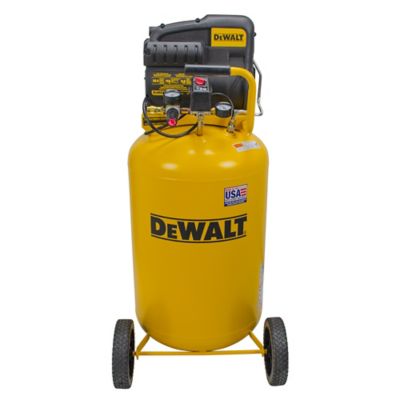
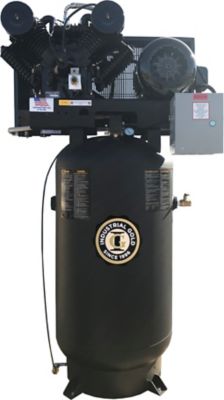
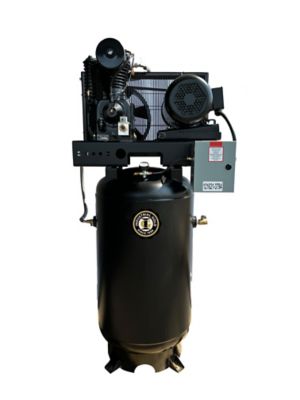
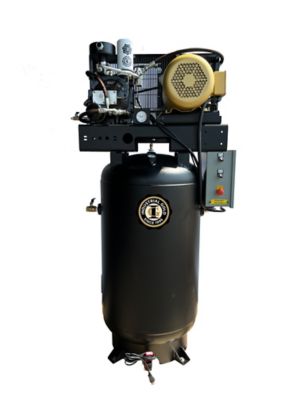
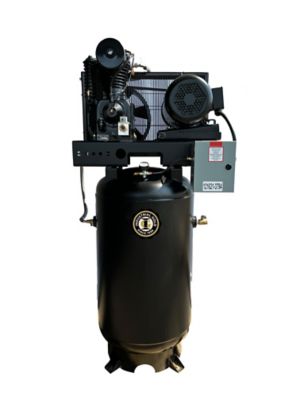
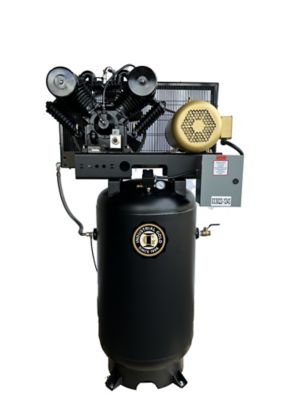
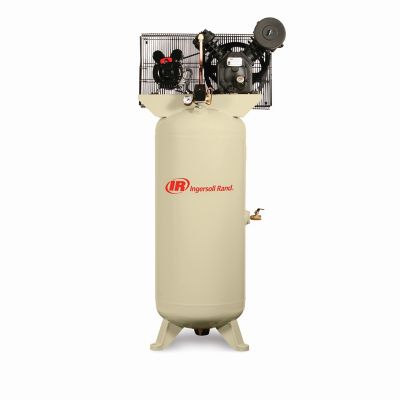
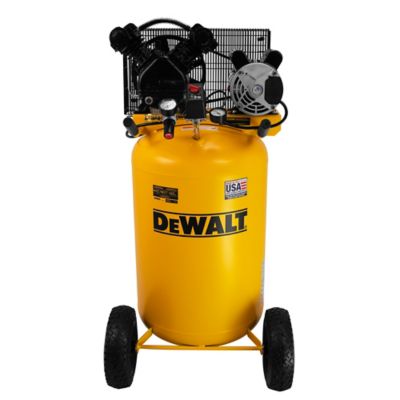
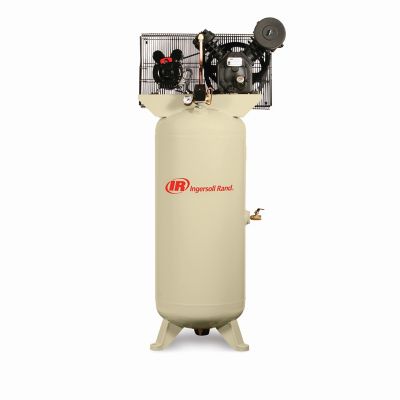
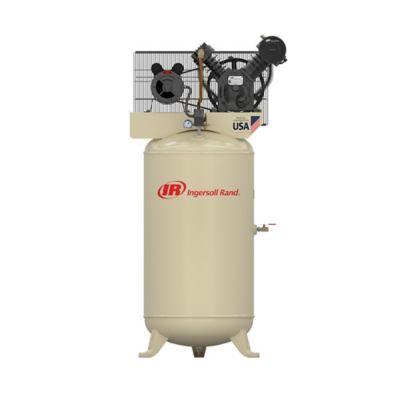
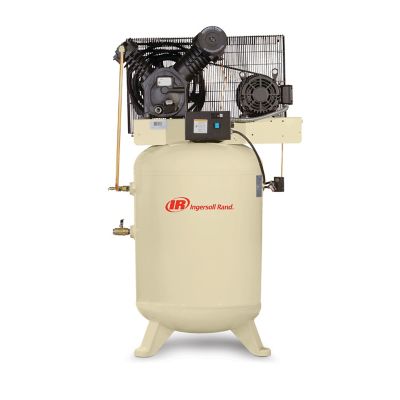
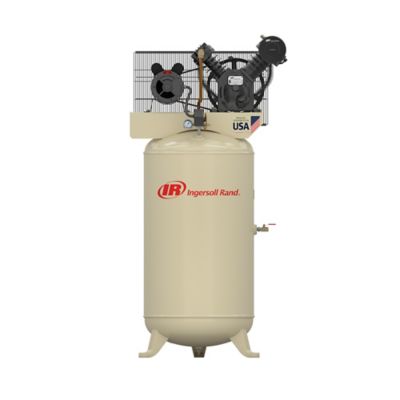
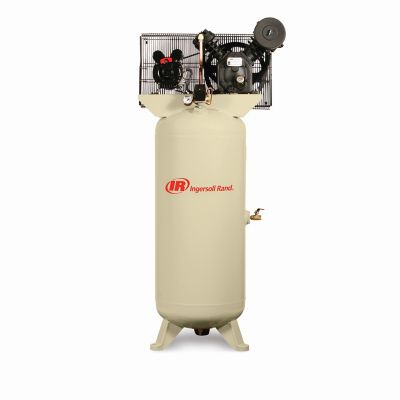
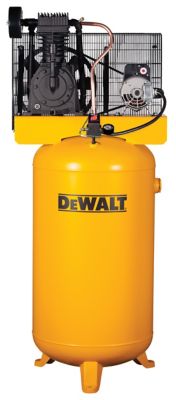
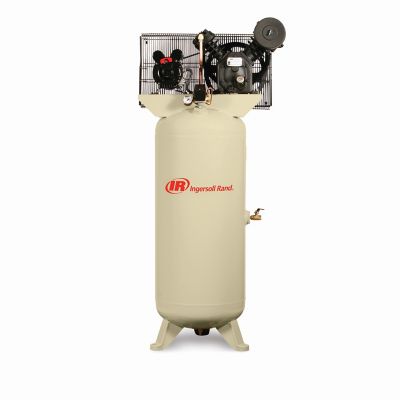
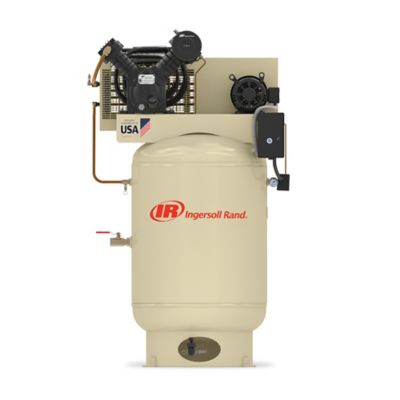
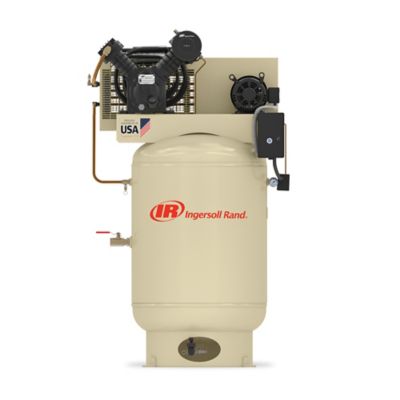
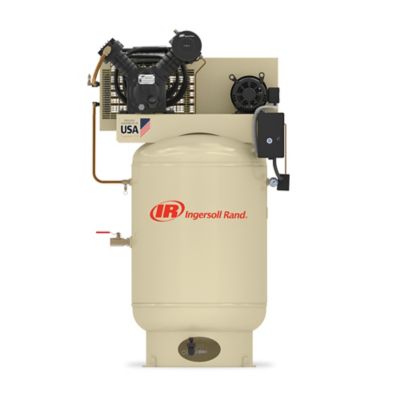
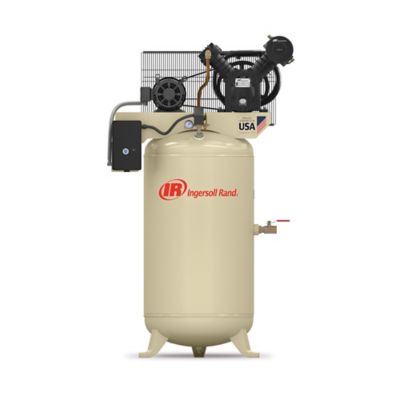
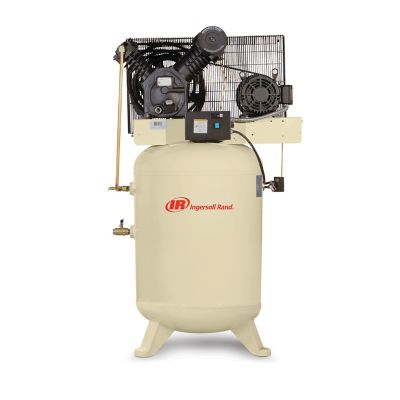
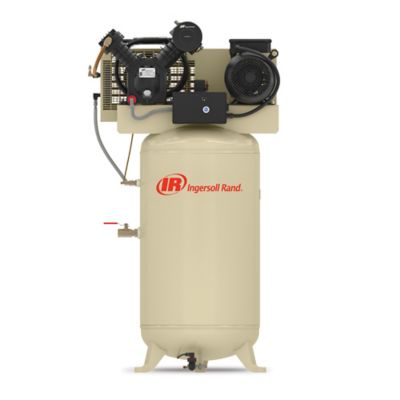
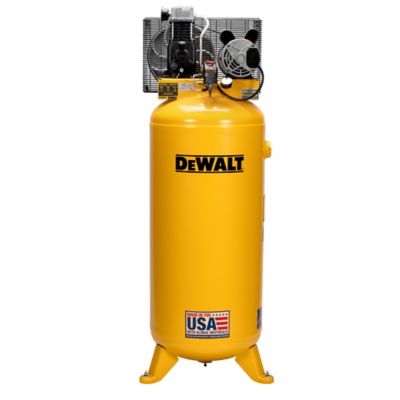
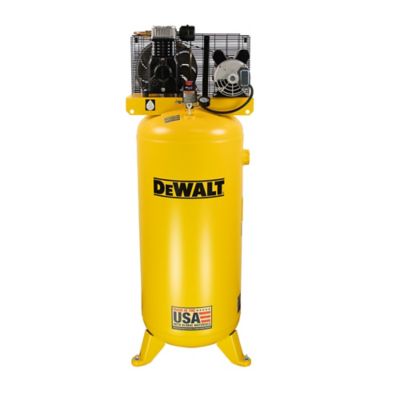
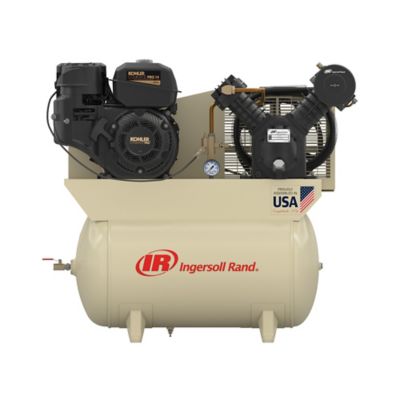
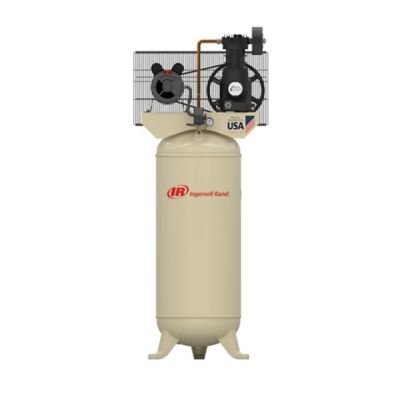
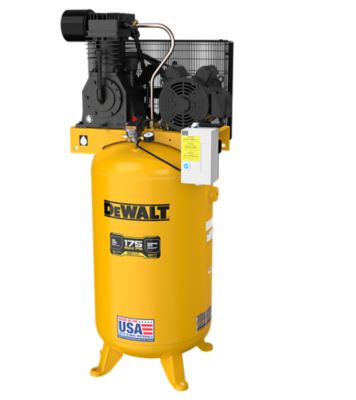
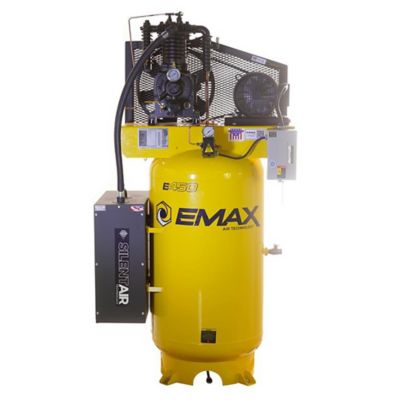
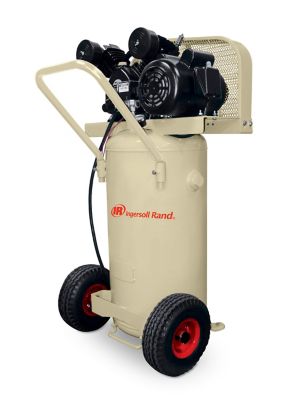
Vertical air compressors are a handy fit for garages, barns, workshops and job sites where floor space matters. Instead of spreading the tank out across the floor, a vertical air compressor stores its tank upright, making it easier to tuck into a corner or place along a wall while keeping room open for a workbench, mower, tractor parts or stacked materials. These compressors are used by DIYers, farmers, mechanics, contractors, woodworkers and anyone who relies on compressed air for more than an occasional job. A smaller unit can handle tasks such as inflating tires, blowing dust from equipment, operating brad nailers and staplers, and adding air to sports gear or trailer tires. Larger models provide more reserve air for impact wrenches, ratchets, grinders, sanders, paint sprayers and other tools that run longer or demand a steady supply. They can also make a useful gift for someone setting up a home shop, restoring an old pickup, maintaining a small acreage or building a tool collection one piece at a time. Before choosing a vertical air compressor, think through the jobs that will happen most often rather than focusing only on tank size or horsepower. The tank, measured in gallons, affects how much compressed air is stored and how often the pump needs to run. A tank in the roughly 20-gallon range may suit light shop work and intermittent tool use, while larger tanks are better suited to demanding applications and longer periods of use. Tank size does not tell the whole story, though. Pay close attention to CFM, or cubic feet per minute, which describes the amount of air the compressor can deliver. Compare the compressor’s delivered CFM at the pressure required by your tool, not just the tool’s minimum rating, and allow some extra capacity when possible. Nailers and staplers generally use short bursts of air, while impact wrenches, die grinders, sanders and spray equipment may need a stronger, steadier flow. Matching the compressor to the tool helps prevent slow performance, excessive cycling and the frustration of stopping halfway through a job to let the tank recover.
Power requirements are another important part of the fit. Many compact vertical air compressors work with a standard 115-volt outlet, which is convenient for a home garage, shed or outbuilding with ordinary electrical service. Bigger shop compressors may require 230-volt power or a dedicated circuit, so check the available wiring before bringing one home. If a unit will live in a barn or detached workshop, consider the distance to the outlet, the condition of the electrical service and whether an extension cord could create a voltage drop. In most cases, a properly installed outlet close to the compressor is the better setup. Noise can matter just as much as power, especially when the compressor will be used near a house, a tack room or a shared workspace. Quiet-running designs can make conversations and other work more comfortable, but every compressor still needs a firm, level location with room around it for airflow and service. Oil-free pumps are often simpler for occasional users because they do not require pump oil changes, while oil-lubricated pumps can offer durable performance for frequent shop work when they are maintained as directed. Check the manufacturer’s instructions for break-in procedures, oil requirements, duty cycle and recommended service intervals. A compressor that is sized for the work and given time to cool between cycles will generally be a better long-term fit than a smaller unit pushed beyond its limits. For heavier shop demands, explore
Professional Air Compressors for equipment suited to regular, high-volume use. It also helps to account for the accessories that turn stored air into a useful system. A quality hose with the right inside diameter, dependable fittings, a regulator and an air filter can improve tool performance and make the setup easier to use. A moisture separator may be helpful in humid conditions or when using air tools that need cleaner, drier air.
Routine care keeps a vertical air compressor ready when a tire goes soft or a repair job stretches into the evening. Place the unit where it will stay dry, protected from rain, mud and heavy dust, and keep the intake area clear. Follow the recommended break-in process for a new compressor, then inspect hoses, fittings and power connections from time to time. Listen for unusual rattling, leaking air or a pump that runs much longer than usual; those signs can point to a loose connection, a worn component or an undersized setup. The tank should be drained regularly to remove water that collects as air is compressed. This is especially important in humid weather and in unheated spaces, where condensation can build up more quickly. Water left inside the tank can contribute to rust, so release the pressure according to the manufacturer’s instructions, open the drain valve carefully and let the tank empty completely before closing it. Never modify or remove the safety valve, and do not use a tank that shows serious corrosion, dents or other damage. Store hoses neatly to keep them away from sharp edges and vehicle traffic, and use the right fittings instead of forcing mismatched connections together. During the warmer part of the year, a vertical compressor can help with fence repairs, equipment cleanup, tire checks and outdoor projects; as cooler weather settles in, it can be just as useful for workshop repairs, air tools and getting machinery ready for storage. With the right tank capacity, CFM output, power supply and maintenance routine, a vertical air compressor can earn a permanent place in the corner of a busy shop without taking over the whole workspace.