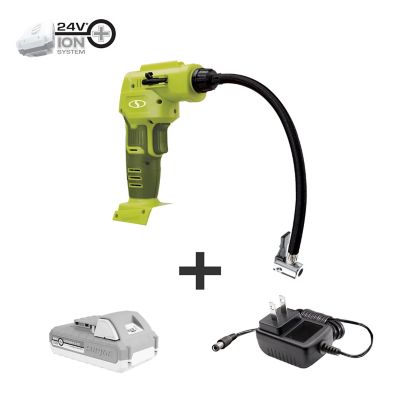
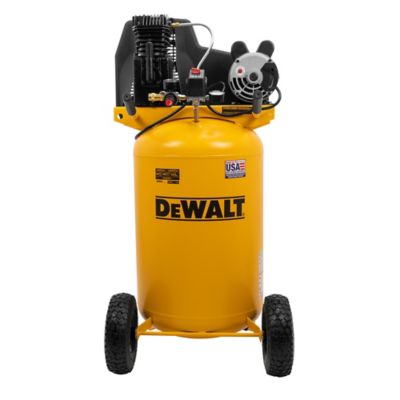
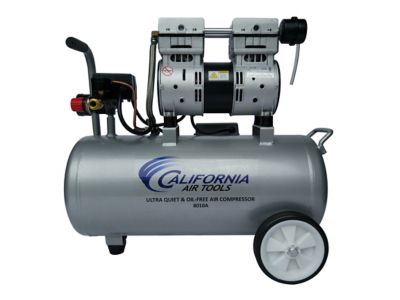
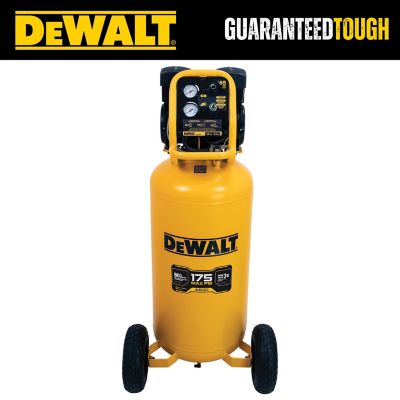
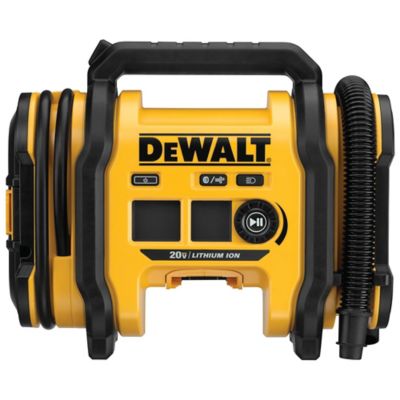
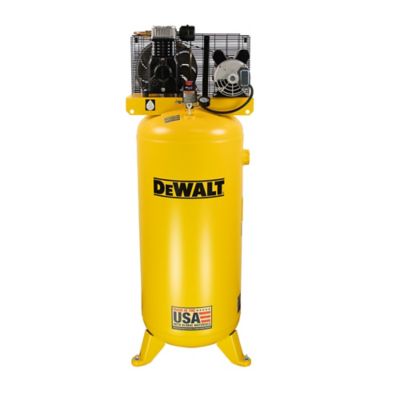
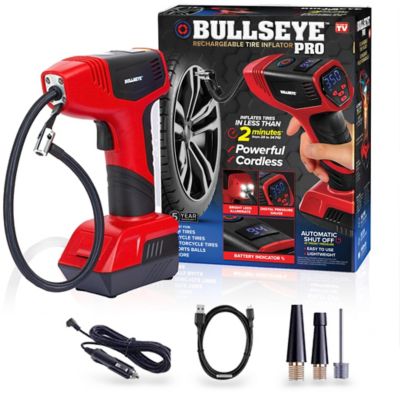
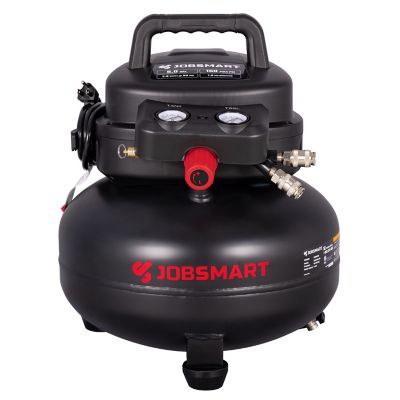
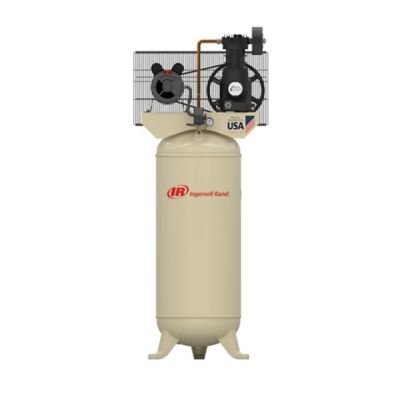
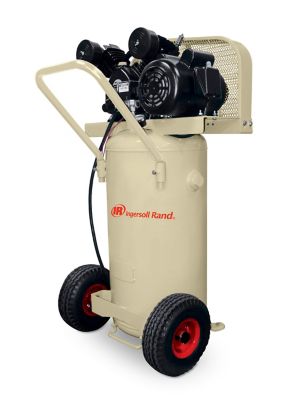
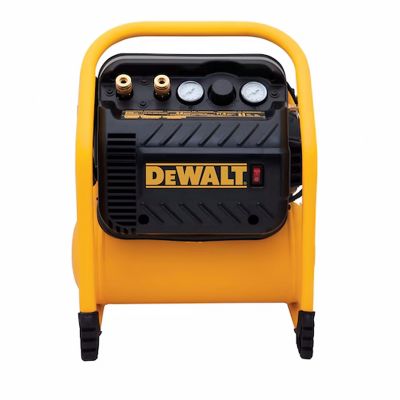
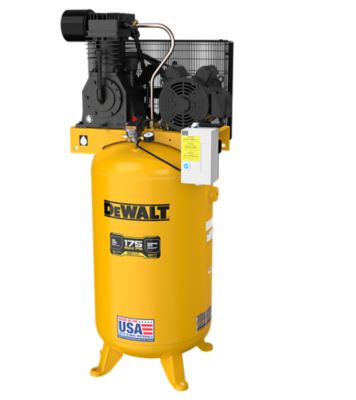
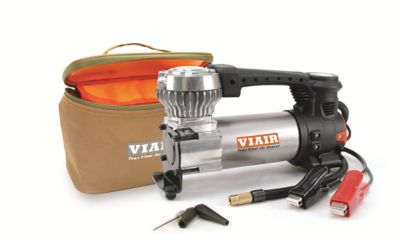
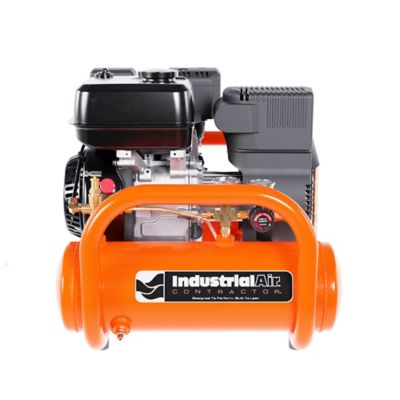
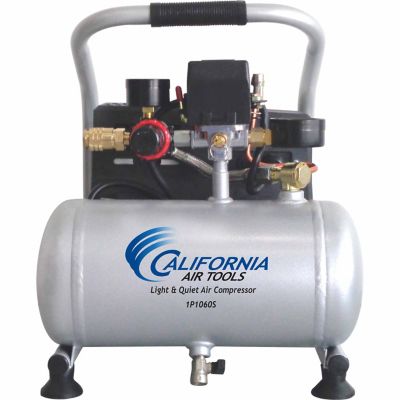
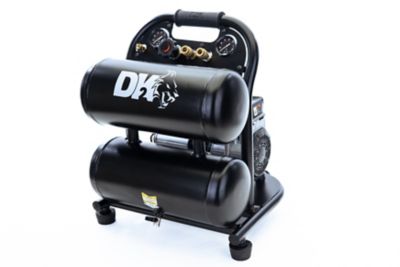
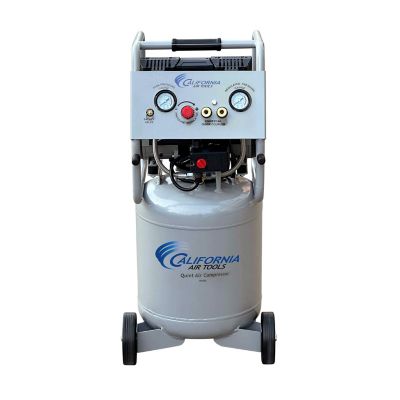
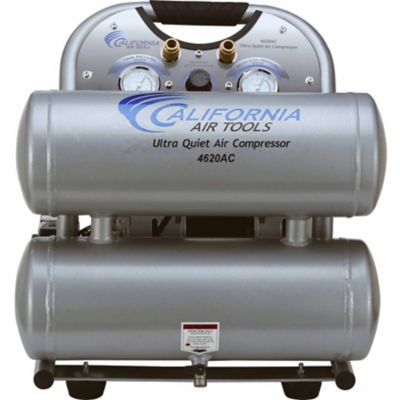
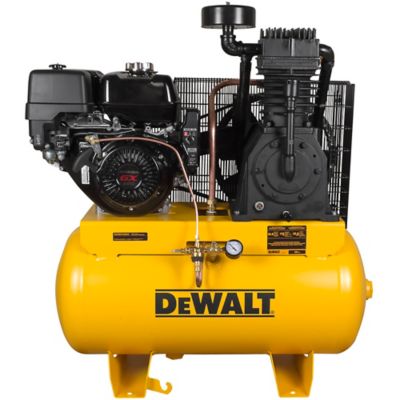
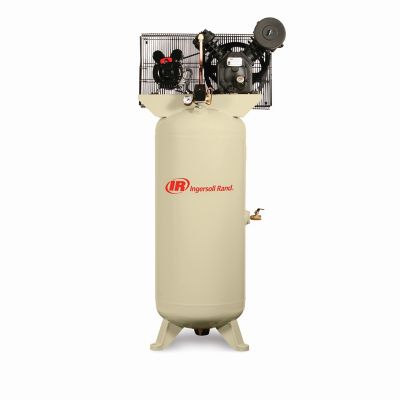
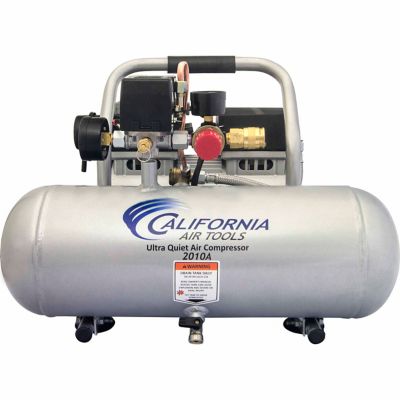
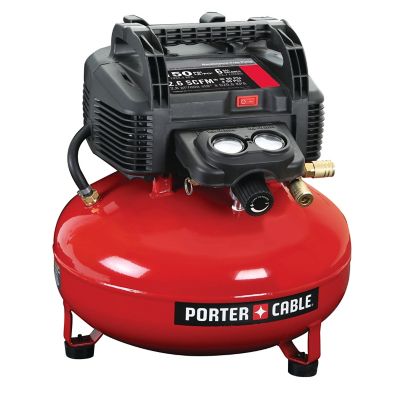
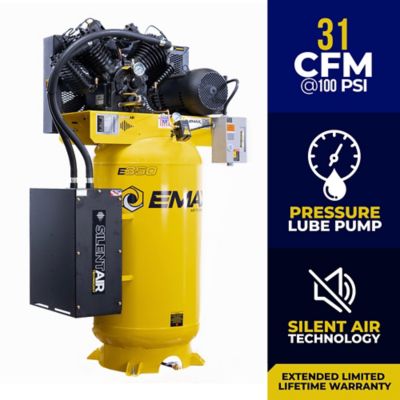
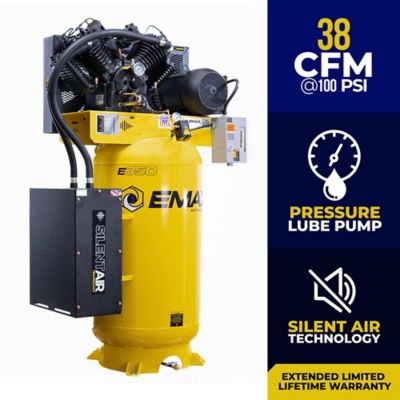
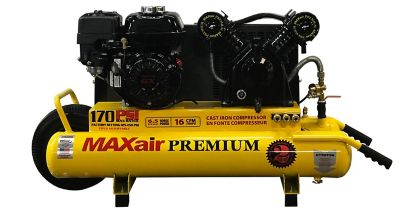
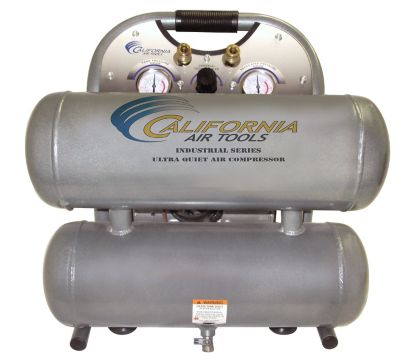
A good air compressor can earn its keep around a home, garage, barn, or small shop by handling a wide range of everyday jobs with steady compressed air. Smaller portable models are often a practical fit for filling vehicle, trailer, tractor, lawn equipment, bicycle, and recreational tires, while also powering brad nailers, staplers, blow guns, and other light-duty air tools. For many households, a pancake-style tank is easy to carry from the garage to the driveway and simple to store on a shelf when the work is done. A horizontal tank with wheels can make rolling the compressor across a shop floor easier, while a vertical tank takes up less floor space in a crowded corner. Oil-free pumps generally call for less routine maintenance, which can be handy for folks who want to check the tire pressure, connect a hose, and get on with the task. These compressors may also suit a spare room, workshop, or job trailer where space and portability matter. Picture a cool morning spent getting the mower ready, topping off a utility trailer, or fastening trim around a mudroom addition: the right compressor keeps the work area moving without requiring a large stationary setup.
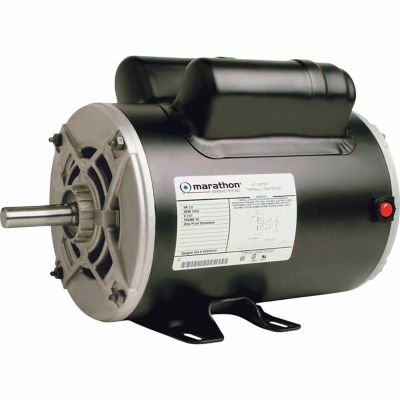
When comparing air compressors, start with the jobs you expect to handle most often. Tank size affects how much air is stored before the motor cycles back on, while maximum PSI shows the highest pressure the unit can produce. Neither number tells the whole story, so pay close attention to CFM, or cubic feet per minute, at a stated PSI. CFM helps show how well a compressor can keep up with a connected tool. Inflation and occasional brad nailing usually place modest demands on an air supply, but framing nailers, ratchets, impact wrenches, sanders, and spray equipment can call for more air over a longer stretch. A compressor with a small tank may work nicely for short bursts, though it can cycle more often during extended jobs. A larger tank can provide a deeper reserve, but it also adds weight and takes more room. Motor horsepower, running time, electrical requirements, noise, hose reach, and outlet placement are worth checking before purchase. In a rural shop, a longer power cord and a hose with enough reach can save repeated trips across the floor. If the compressor will travel to a field, driveway, or outbuilding, look for a handle and wheel setup that makes moving it manageable, then keep the unit on a level, dry surface with clear airflow around the motor. For heavier air demands, browse
Large Air Compressor options for added tank capacity and stronger air delivery.
Air compressors can make useful gifts for a homeowner, farmer, rancher, mechanic, or anyone who spends free time keeping equipment in shape. They fit naturally into a housewarming gift for someone settling into a home with a garage, or a practical present for a family member who maintains trailers, small engines, fencing tools, and farm equipment. During the cooler months, an air compressor can help with tire checks before a long drive, clearing dust from workbenches, and handling indoor shop projects when outdoor chores slow down. As the weather shifts, it is also handy for preparing mowers, carts, bicycles, and other equipment for storage or the next round of work. Before choosing one, think about where it will live, how often it will run, and which tools may be connected later. Make sure the available electrical circuit matches the compressor’s requirements, and use a hose, fittings, couplers, and pressure gauge suited to the planned work. Drain moisture from the tank as directed, inspect hoses for wear, and follow the maker’s instructions for storage and operation. Keeping eye protection nearby is a smart habit, especially when blowing debris from machinery or work surfaces. With the right size and setup, an air compressor becomes a go-to part of the work area, ready for tire inflation, fastening, cleaning, and a long list of chores that come up around the place.