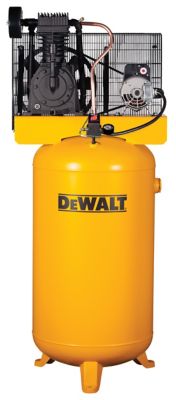
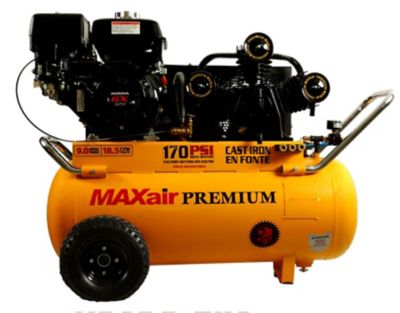
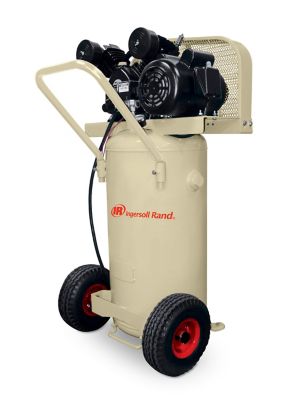
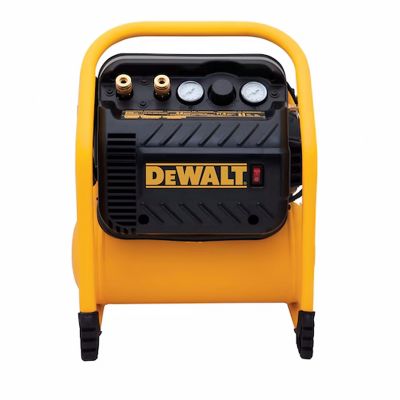
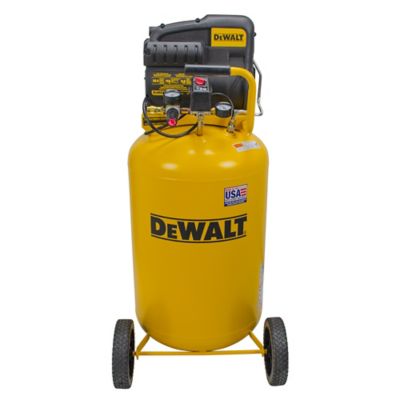
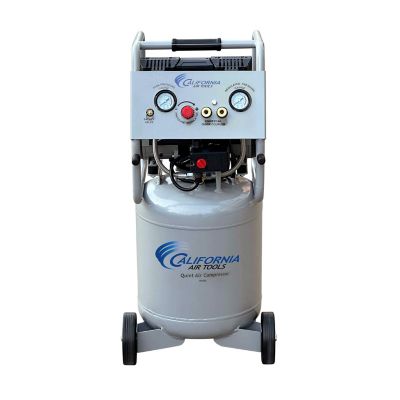
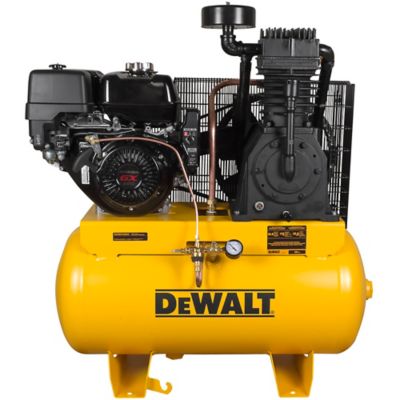
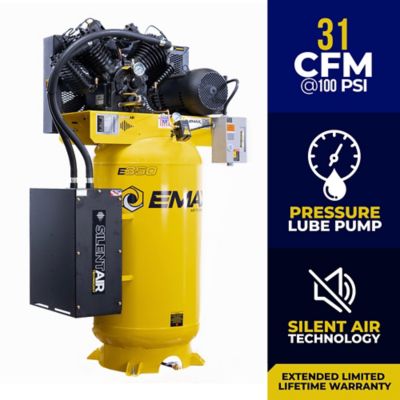
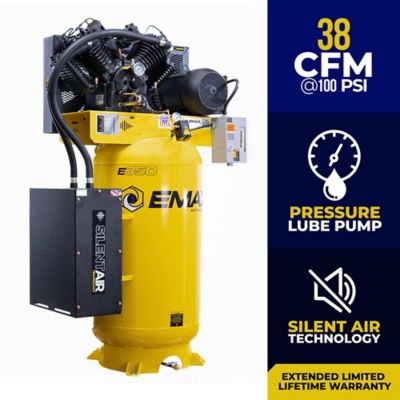
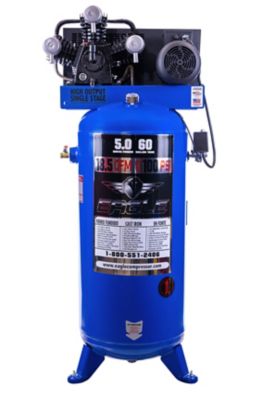
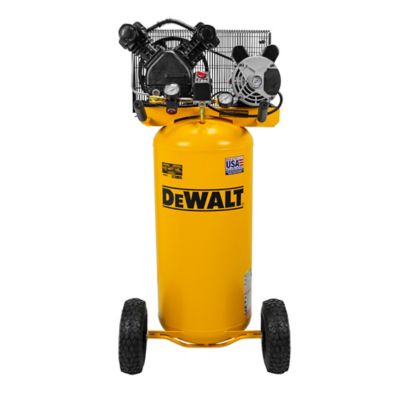
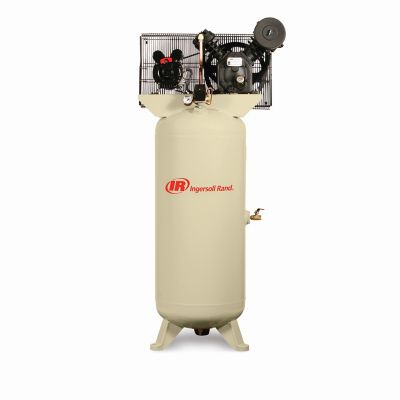
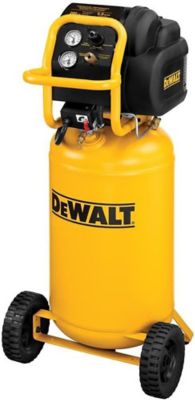
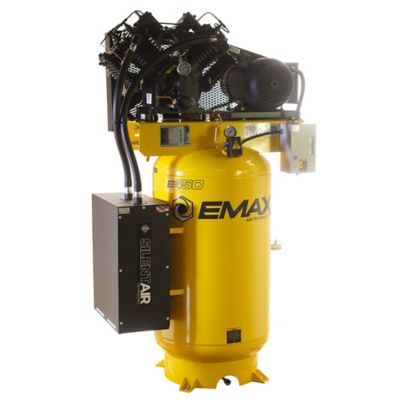
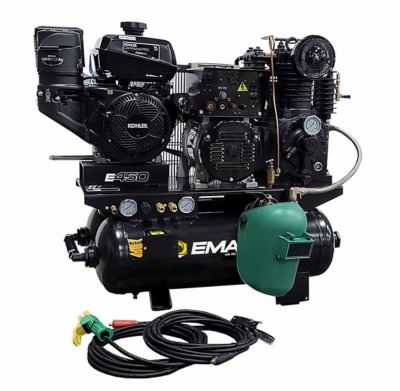
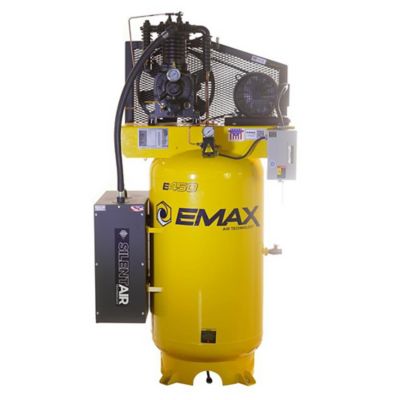
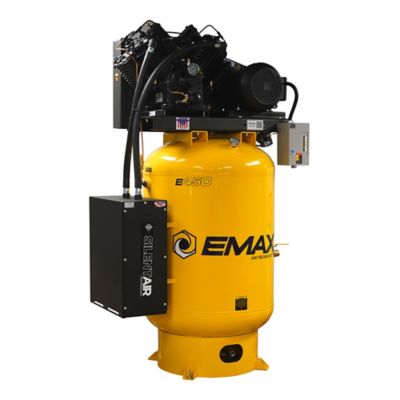
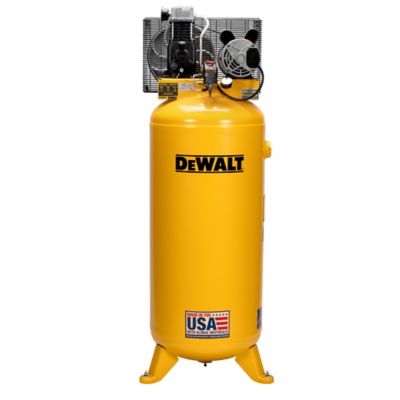
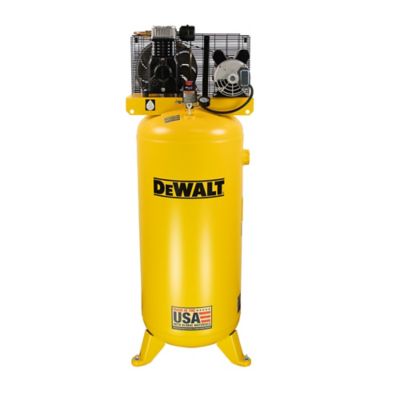
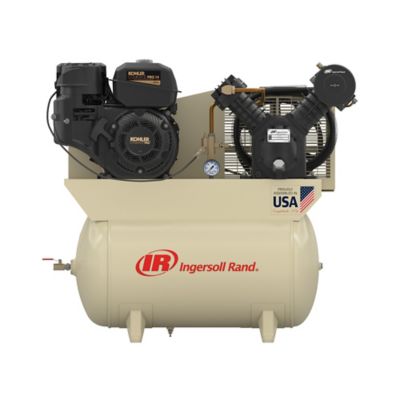
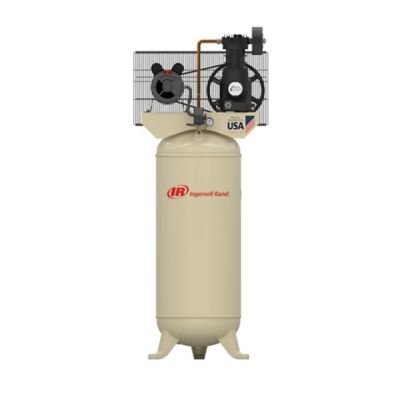
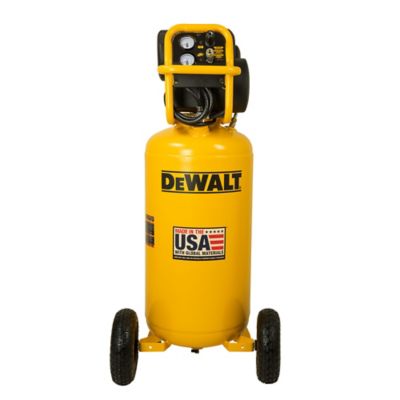
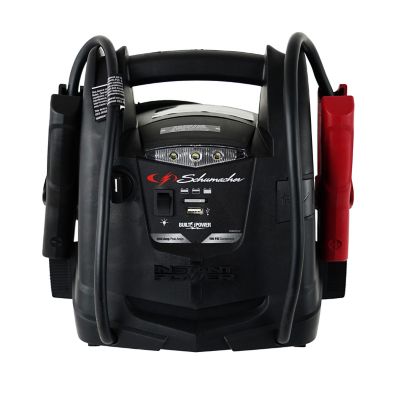
A max air compressor search can point to several different kinds of equipment, from shop air compressors for everyday wrenching to specialized high-pressure systems for construction tools or cylinder filling. Those categories serve different jobs, and maximum pressure alone does not tell the whole story. A shop compressor supplies compressed air for tasks such as inflating equipment tires, running compatible nailers, and powering pneumatic tools at the workbench. Specialized construction compressors may supply much higher pressure to tools and hoses designed for that system. Breathing-air compressors belong in a separate category altogether: they require purpose-built purification, monitoring, and testing to meet the applicable breathing-air standard. An ordinary shop compressor is not a source of breathing air, even with an added moisture filter. For farm shops, home garages, and maintenance buildings, the most helpful specifications are working pressure, delivered airflow, tank capacity, and duty cycle. Pressure, measured in pounds per square inch, or PSI, describes how much pressure the system develops. Airflow, commonly listed in cubic feet per minute, or CFM, describes the volume of air it delivers. Comparing airflow ratings at the same stated pressure gives a clearer picture of how compressors stack up. A high maximum PSI rating does not necessarily mean a compressor can keep a grinder running through a long stretch of metalwork. Tank size adds stored air, which can help handle short bursts of demand, but it does not increase the pump’s ongoing air output. Duty cycle describes how long a compressor can operate within a specified period under stated conditions; the manufacturer’s definition matters. That distinction shows up in a familiar shop scene: seating a few fasteners takes brief bursts, while sanding a trailer panel can call for steady air delivery. Equipment that fits the actual workload lets the task set the pace rather than constant stops for the tank to recover. For anyone comparing a max air compressor with other shop equipment, these ratings offer more useful context than the largest number on the tank label.
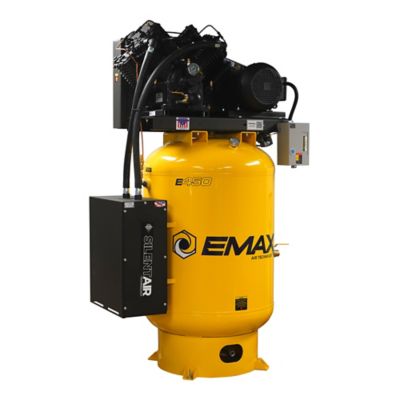
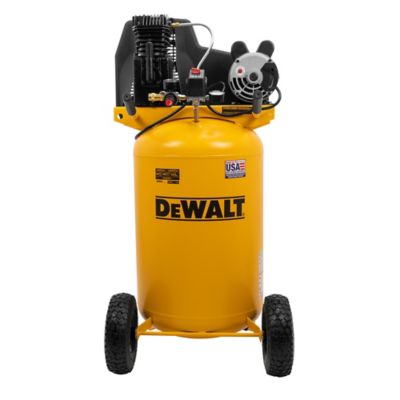
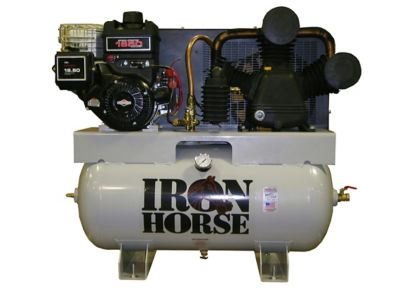
Air compressors range from compact, carry-along designs to wheeled units and stationary tanks that stay put beside the shop wall. A smaller footprint can suit a garage shared with feed storage, lawn equipment, and a pickup, while a stationary setup makes sense where air tools run regularly and floor space allows a permanent installation. Portability involves more than the listed weight. Handle placement, wheel size, balance, and clearance all affect how a compressor moves over a concrete threshold or across a gravel driveway. A tall tank saves floor space, but its height and stability still matter around crowded benches and overhead shelving. Common construction materials include steel air receivers, cast-iron pump components, and aluminum pump components, with the exact combination depending on the design. Cast iron is common in shop pumps built for repeated service, while aluminum can help keep portable equipment lighter. Long service life also depends on cooling, operating speed, maintenance, and staying within the unit’s intended workload. Oil-lubricated pumps need the specified lubricant and scheduled attention; oil-free designs avoid pump oil changes but still need intake-filter checks, tank draining, and other care outlined in the manual. Belt-drive and direct-drive layouts bring different service needs, and sound levels vary with pump design, speed, and installation. In a metal-sided building, compressor noise can carry farther than expected, so published sound ratings and their test conditions are worth a look. Electrical fit matters just as much as physical fit. Voltage, amperage, circuit requirements, and startup demand must match the building’s electrical supply; some stationary compressors call for a dedicated circuit and professional installation. Gas-powered equipment brings exhaust concerns and belongs outdoors, away from doors, windows, and air intakes. Hose length, inside diameter, coupler style, and pressure ratings also affect the setup. A long, narrow hose can restrict airflow even when the compressor has enough capacity on paper. Farmers, mechanics, woodworkers, and property owners all benefit from matching the entire air system to the work, not just choosing a larger tank.
Day-to-day ownership is where a well-matched air compressor earns its space in the shop. A livestock trailer waiting on tire checks, a fence repair that calls for a compatible nailer, and a mower deck on the bench each place different demands on the same air supply. Tire inflation depends on the tire’s specified pressure and an appropriate inflator and gauge, while air-hungry tools need enough delivered airflow at their required operating pressure. Running more than one tool at a time raises the total demand. For painting and finishing, clean, dry air becomes especially important because moisture and oil carryover can spoil a finish; filtration and drying equipment should match the application. Compressing air creates heat, and cooling air leaves condensation in the receiver, so access to the tank drain is a practical ownership detail. Drain intervals should follow the manufacturer’s directions and operating conditions, with pressure handled exactly as the manual specifies. Clear space around the pump and motor supports cooling, and an intake kept away from grinding dust and loose chaff helps limit contamination. Belts, guards, fittings, cords, and hoses need routine inspection, especially in a working barn or shop where equipment gets bumped and dust settles quickly. During cooler weather, startup conditions and the specified lubricant’s temperature range deserve attention, particularly in unheated buildings. Pressure vessels also need careful treatment: a corroded or damaged tank calls for removal from service and evaluation, not a welded patch. Regulators control downstream pressure, while the safety relief valve serves a different protective purpose and must never be bypassed. Eye and hearing protection belong with pneumatic work, and compressed air should never be directed at skin or clothing. For a gift, compatibility with the recipient’s tools, power supply, and workspace matters more than sheer size. The
Good Air Compressor page offers another place to compare equipment for the garage, barn, or workshop. The best fit is equipment with the airflow, operating pressure, service access, and practical footprint to handle the chores that keep coming back.