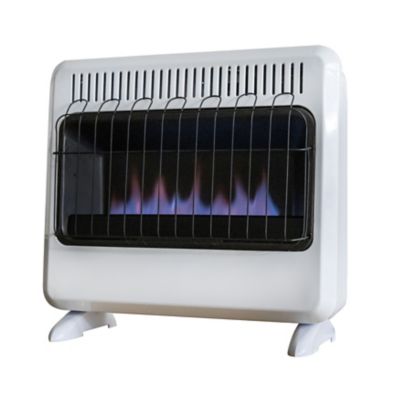
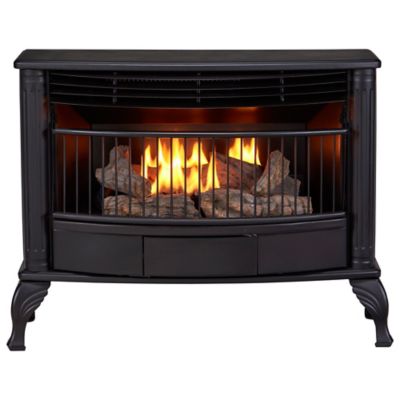
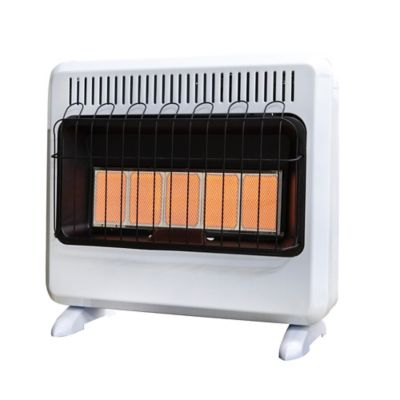
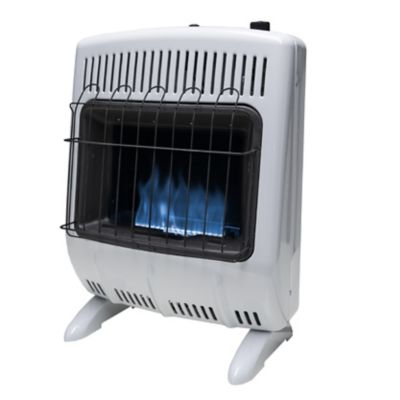
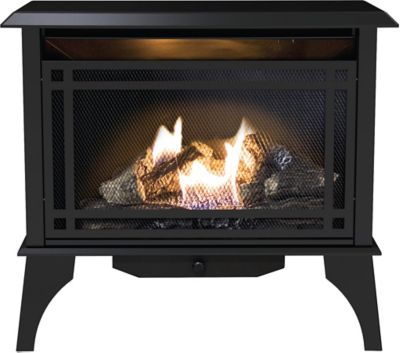
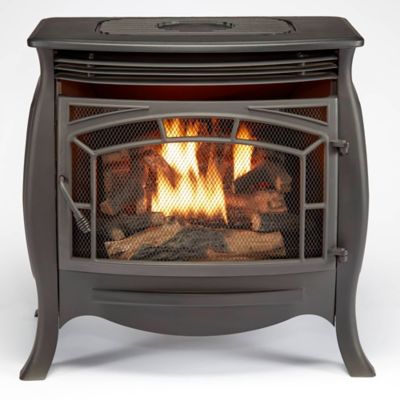
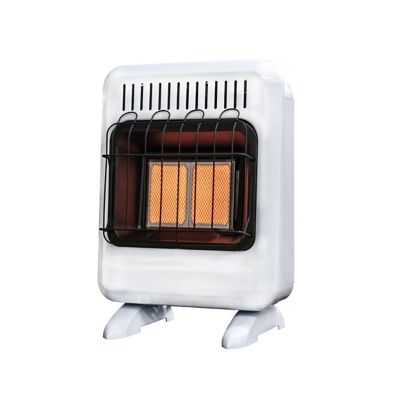
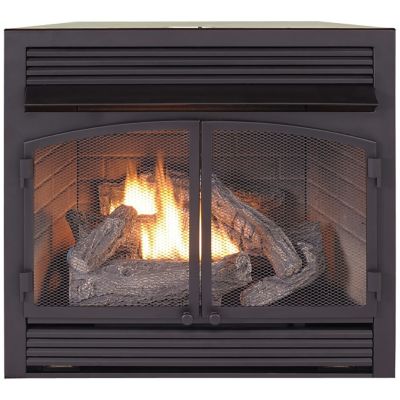
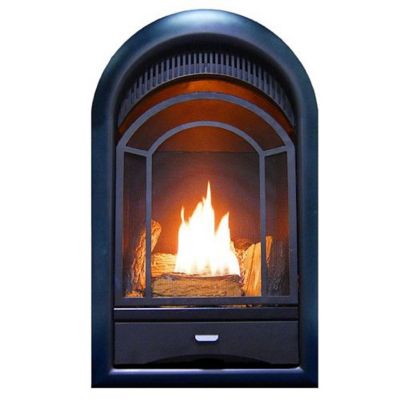
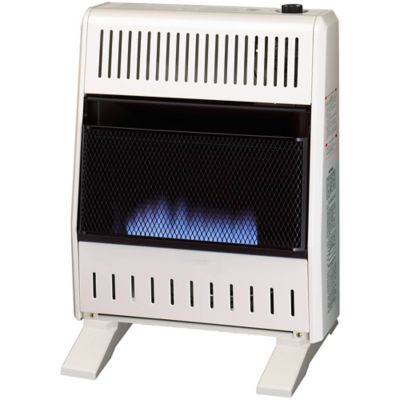
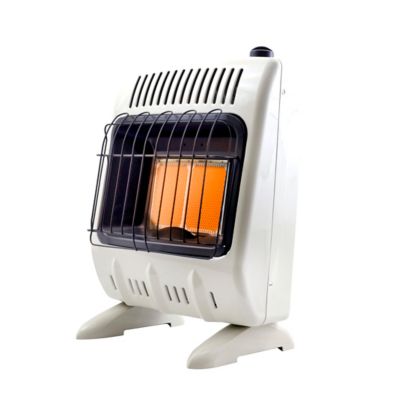
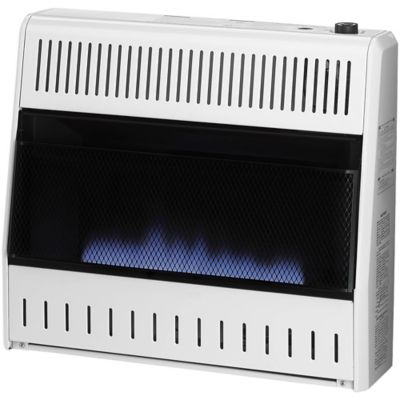
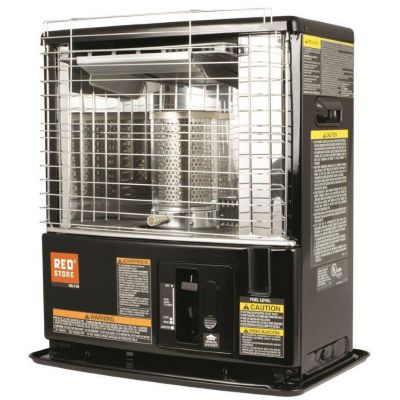
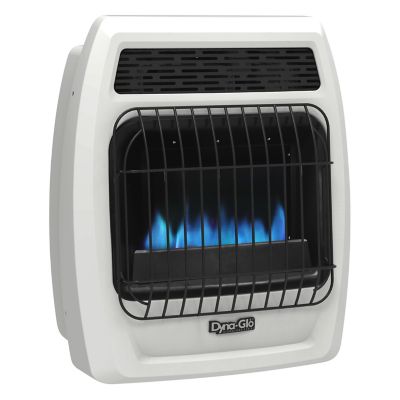
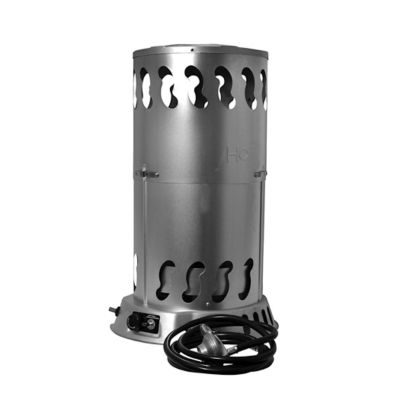
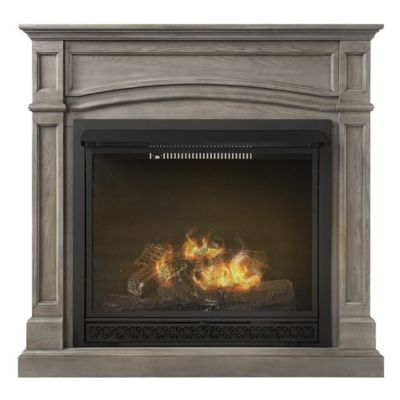
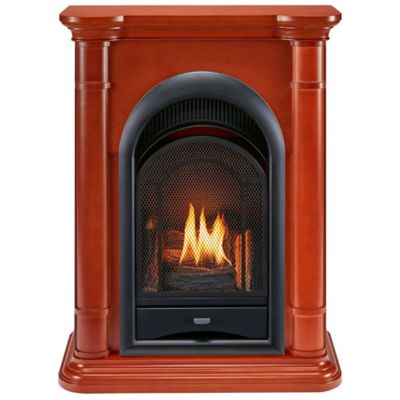
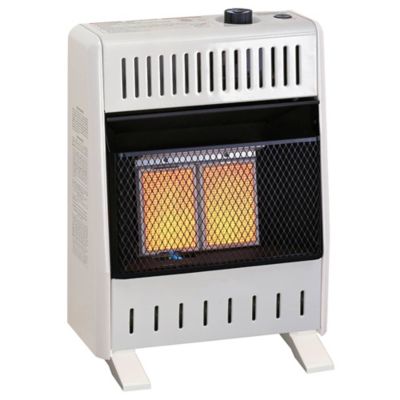
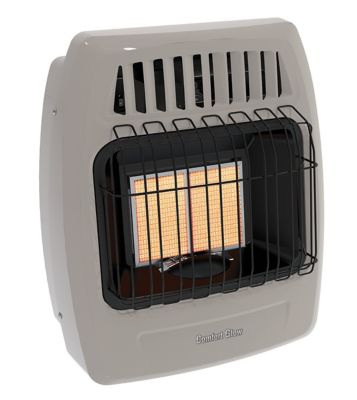
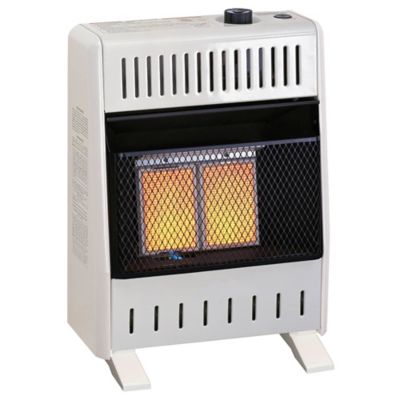
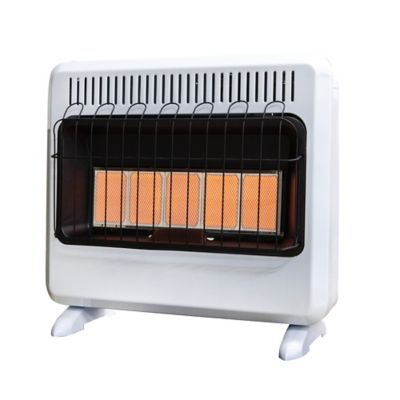
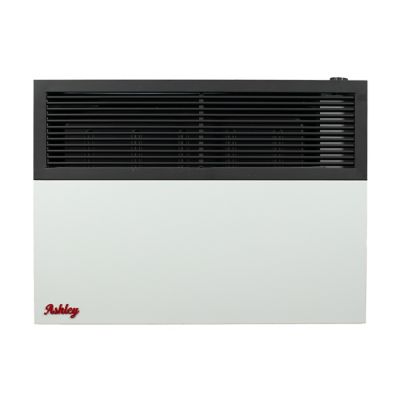
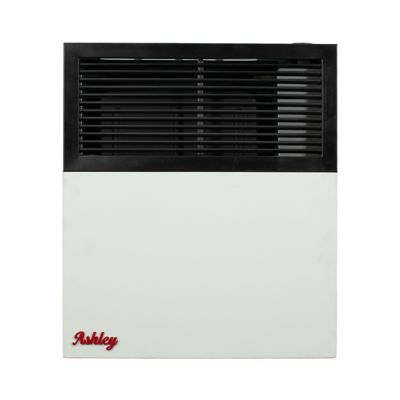
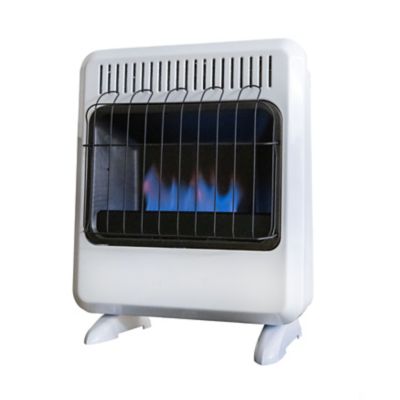
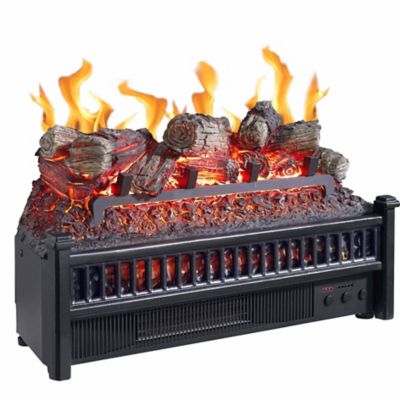
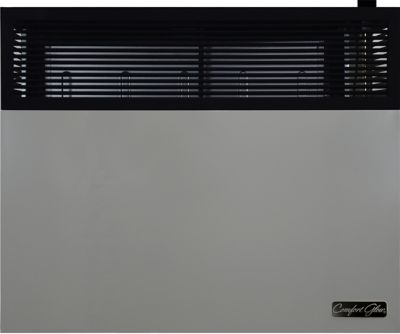
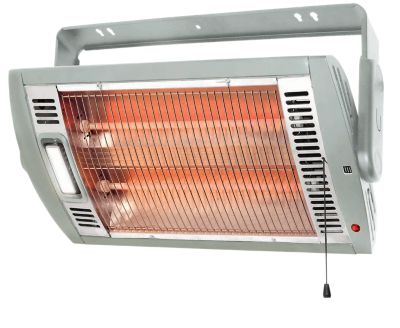
Ventless heaters, also called vent-free heaters, can add convenient supplemental warmth without a chimney, flue, or dedicated exhaust pipe. They burn either propane or natural gas and are designed to use nearly all of the fuel’s heat inside the room, making them a practical choice for taking the chill off a living area, workshop, cabin, enclosed porch, garage, or other approved space. During the cooler months, a ventless heater can help warm the room where you spend time instead of turning up the heat throughout the whole house. They are also useful as backup heat during a power outage when the fuel supply and local rules allow their use. Some units warm the air through convection, much like a central furnace on a smaller scale, while radiant models send heat toward nearby people, furniture, floors, and walls. That radiant warmth can feel especially welcome when you come in from feeding animals at daybreak or finish a cold chore in the barn and settle into a mudroom or family room. Before shopping, determine whether natural gas or propane is available where the heater will be used, and check the required fuel connection, clearance, and mounting setup. Natural gas heaters must connect to an appropriate natural gas line, while propane models generally require a properly sized propane supply. A heater rated for one fuel should never be converted or connected to another unless the manufacturer specifically allows it and the conversion is completed by a qualified professional. BTU output matters, too. A unit that is too small may run constantly without making the room comfortable, while one that is too large can make a small space uncomfortably hot. Room insulation, ceiling height, drafts, windows, and the climate around your home all affect the right size, so use the listed coverage guidance as a starting point rather than a guarantee. Local building and fire codes may restrict ventless gas heaters altogether or limit their use in certain rooms, including bedrooms, bathrooms, mobile homes, or tightly enclosed areas. Requirements can vary from one county or state to the next, so confirm the rules with your local authority and follow the installation instructions before bringing a heater home.
Safe operation deserves just as much attention as heat output. Ventless heaters release combustion byproducts, including water vapor, into the room instead of sending them outdoors. Most approved indoor models include an oxygen depletion sensor, commonly called an ODS, that is designed to shut the heater off if oxygen levels fall below a safe range. That built-in feature is an important safeguard, but it does not replace proper installation, fresh-air requirements, working carbon monoxide alarms, or regular maintenance. Use the heater only in the type of space and for the purpose described in its instructions. Keep curtains, furniture, bedding, paper, clothing, pet supplies, hay, straw, and other combustible materials well away from the heat source, and leave the required clearance above and around the unit. Never cover a heater, block its air openings, or use it to dry gloves, boots, towels, or work clothes. A sturdy, level installation helps prevent tipping and keeps the heater operating as intended. If the unit uses a thermostat or wall control, place and use it according to the directions, and teach children to stay clear of hot surfaces. Pets may be drawn to a warm spot without understanding the danger, so give dogs, cats, and other animals plenty of room and consider a barrier when needed. Install carbon monoxide alarms on every level where appropriate and near sleeping areas, test them regularly, and keep fresh batteries on hand. A yellow flame, unusual odor, soot, condensation, or repeated shutoff can signal a problem; turn the heater off, follow the troubleshooting steps, and have it inspected by a qualified technician before using it again. Because burning fuel produces moisture, condensation may collect on cold windows or walls, especially in a tightly sealed room. That moisture can contribute to damp odors, peeling finishes, or mold over time. Follow the manufacturer’s ventilation guidance and watch the room for signs of excess humidity. A ventless heater is intended for supplemental or temporary zone heating, not as a substitute for a home’s primary heating system or a properly designed permanent furnace.
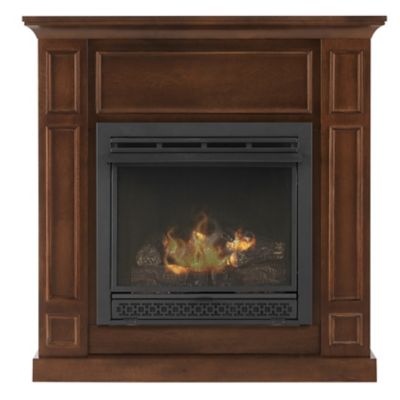
When comparing ventless heaters, look at more than the listed BTUs. Consider the room’s square footage, ceiling height, insulation, fuel type, control options, ignition method, safety shutoff features, installation style, and whether you need radiant warmth or broader air circulation. Freestanding units can be useful when you want flexibility, while wall-mounted or built-in designs may save floor space in a finished room, hunting cabin, or workshop. Think about how often the heater will be used and who will operate it. A simple control layout can be helpful in a busy household, while a thermostat may make it easier to maintain a steady temperature without constant adjustments. For a rural home, the best location may be a drafty sitting room, enclosed porch, or outbuilding where a central system does not reach well, but the space must still meet all fuel, ventilation, and code requirements. Measure the area before buying, inspect the proposed location for nearby combustibles, and make sure fuel lines, regulators, and connections are suitable for the selected heater. Professional installation is a smart choice whenever gas lines, wall penetrations, or code questions are involved. Keep the owner’s manual nearby, clean the unit as directed, and arrange seasonal inspection if the heater sees regular use. For shoppers looking to create a cozy focal point as well as supplemental heat, browse
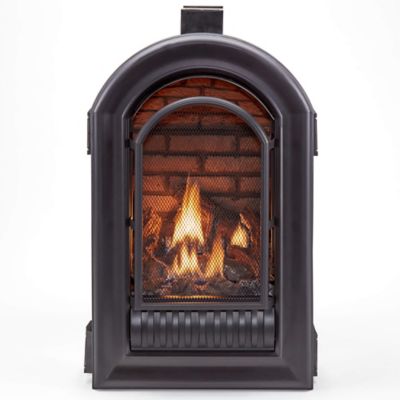
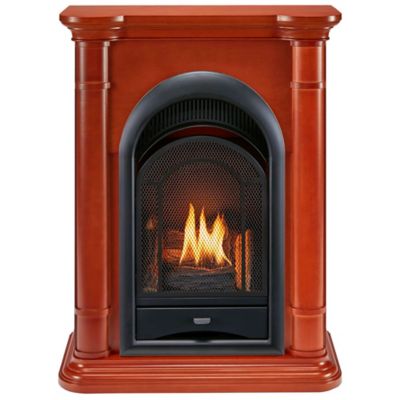
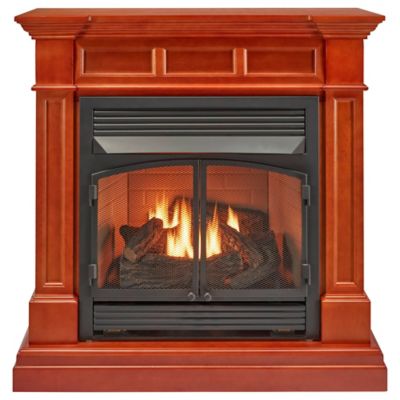
Ventless Fireplaces for another style of vent-free warmth. A ventless heater can make a cold corner feel more comfortable while you finish paperwork, sort gear, or enjoy coffee after chores, but the right fit comes from matching the fuel, size, location, and safety requirements to the space. With careful setup and sensible operation, it can be a handy part of a broader heating plan during cool mornings, chilly evenings, and changing weather.