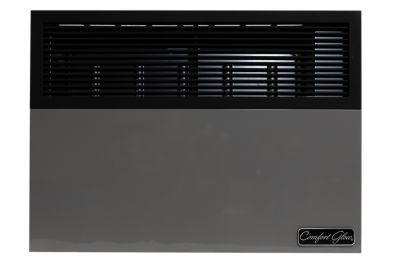
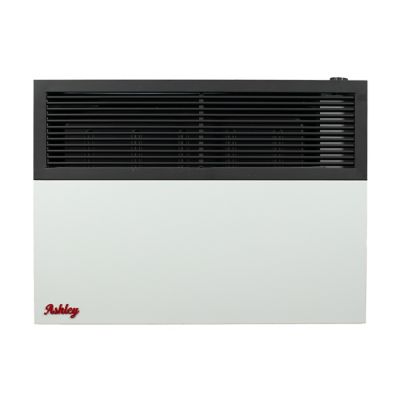
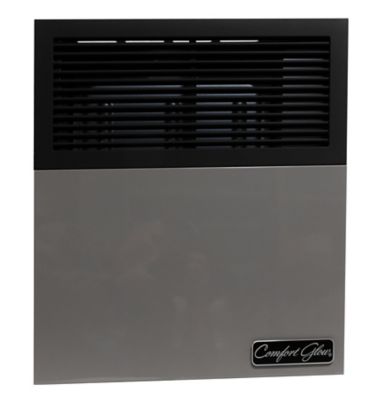
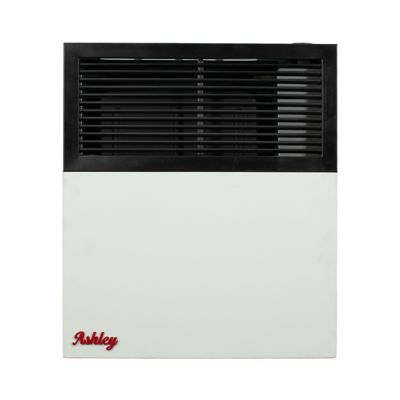
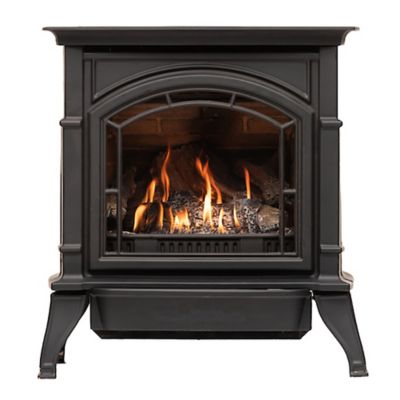
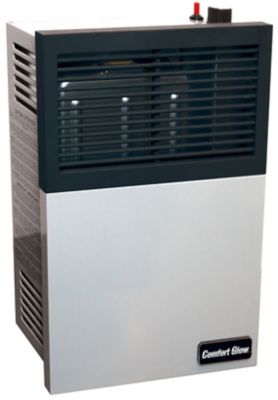
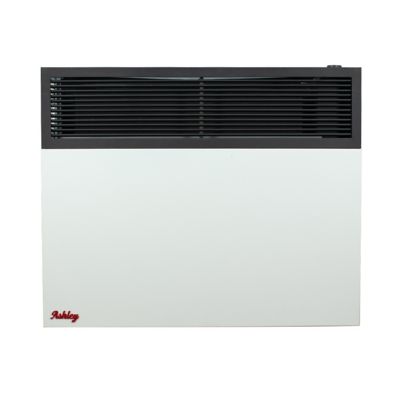
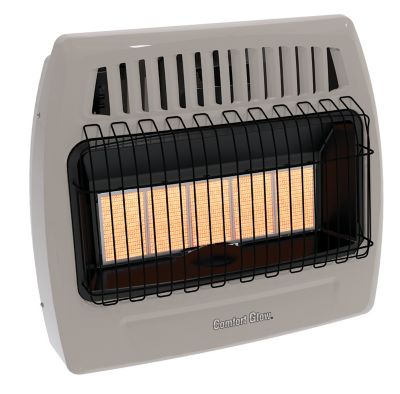
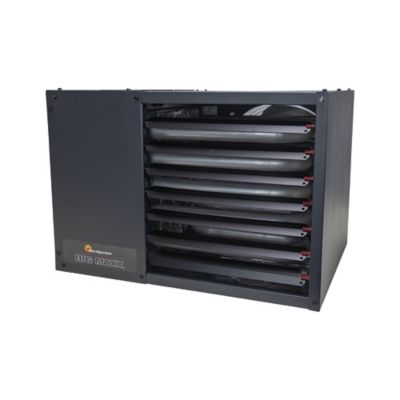
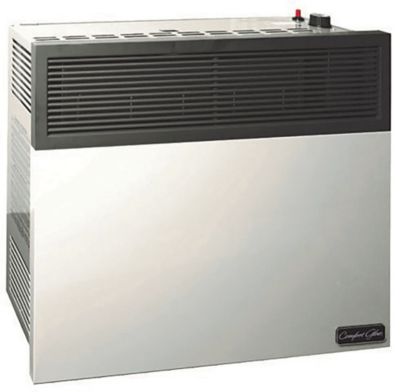
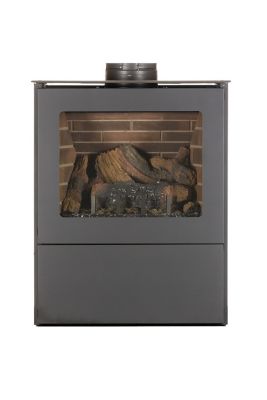
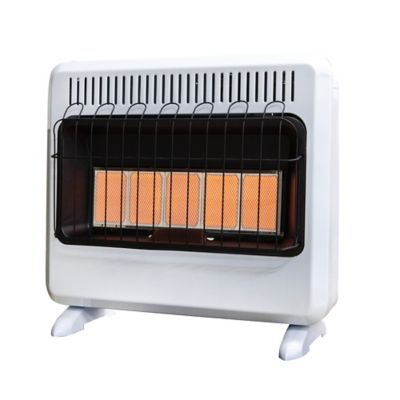
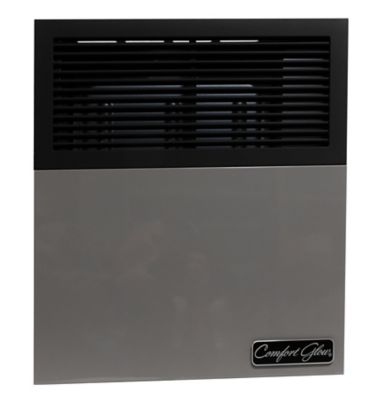
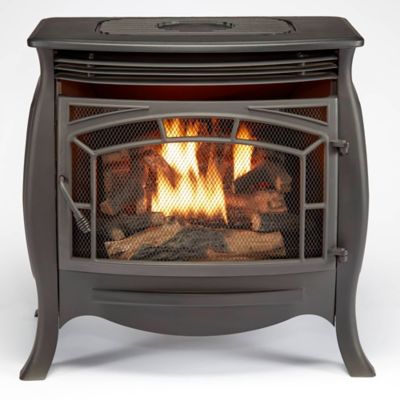
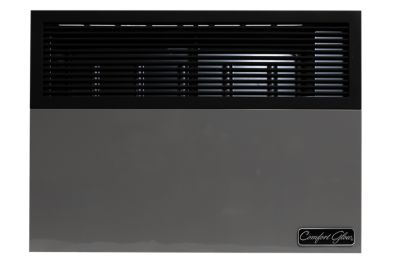
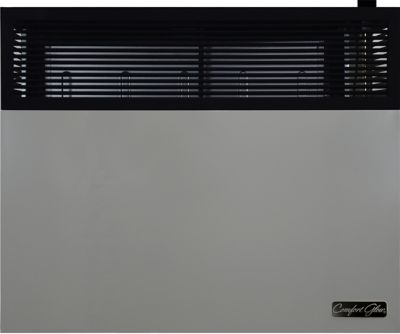
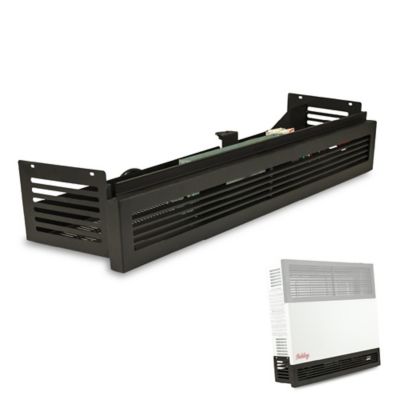
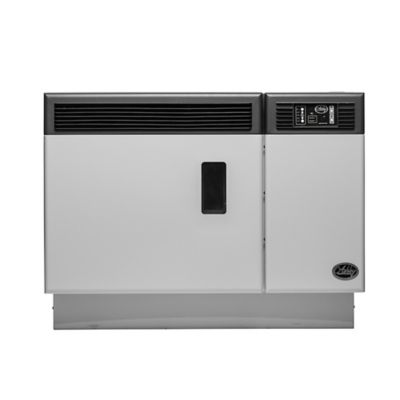
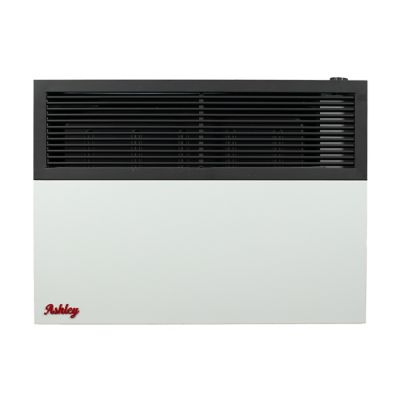
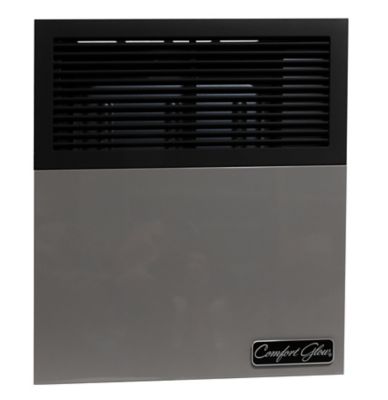
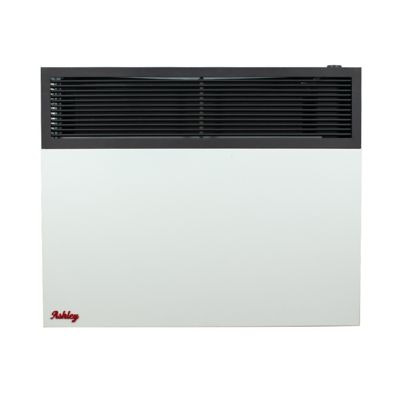
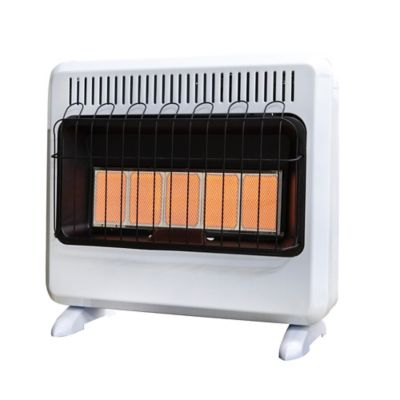
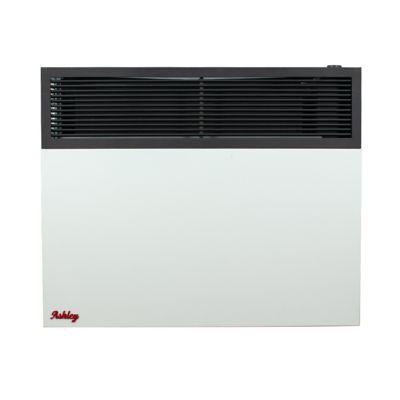
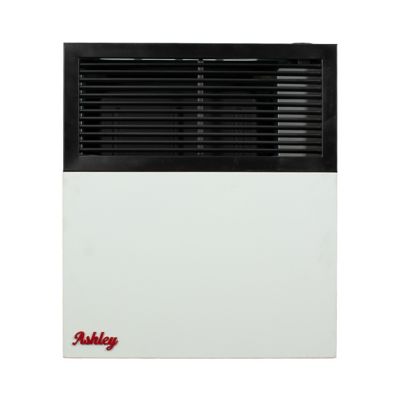
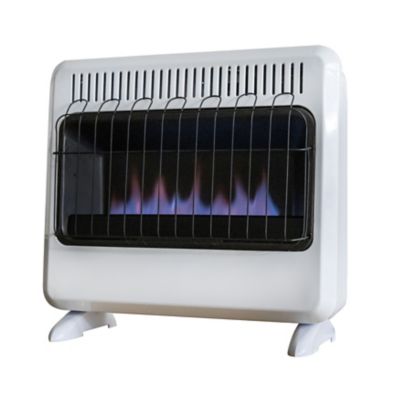
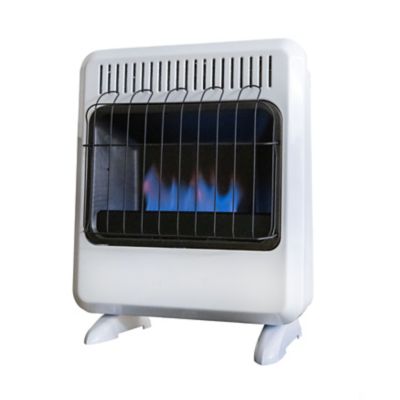
Direct vent heaters offer a practical way to bring steady warmth to rooms, cabins, workshops, additions, and other spaces along an outside wall. A direct vent heater is a sealed-combustion gas appliance: it draws air from outdoors through one passage of a dedicated vent and sends combustion exhaust back outside through another sealed passage. The flame stays isolated from the room, so the heater does not draw heated indoor air for combustion in the same way some open appliances do. Most models mount against an exterior wall and vent straight through that wall, which can avoid the need for a traditional chimney or a roof opening. This setup makes direct vent heaters a natural fit for a hunting cabin tucked among the trees, a detached room at the edge of the property, or a chilly back room where extending central heat would be difficult. During the cooler months, they can provide supplemental warmth in a frequently occupied area or help maintain a more comfortable temperature in a space that does not have ductwork. Some units rely on a standing pilot, millivolt controls, or piezo ignition and may continue to operate during a power outage, though operation depends on the model and fuel supply. That can be helpful for rural homes, off-grid cabins, and backup heating plans. Explore related options in our selection of
Gas Heaters while keeping the layout, fuel source, and intended room in mind.
The first purchase consideration is fuel. Direct vent heaters may be made for natural gas or liquid propane, and the connection must match the fuel available at the installation site. A natural gas line may be convenient for a home or shop already connected to a utility supply, while propane can suit a cabin, farm building, or property with a tank on site. Never assume a heater can switch between fuel types without the conversion parts and instructions approved for that model. Heating capacity matters just as much. Room size, ceiling height, insulation, window area, outside exposure, and the local climate all affect the amount of heat a space needs. A small, well-insulated room can call for a different output than a large open workshop with a high ceiling and frequent door openings. An oversized heater may cycle more often than expected, while one that is too small may run constantly without keeping up on a cold, windy evening. Review the manufacturer’s heating range, BTU rating, fuel requirements, vent kit details, and thermostat options before making a choice. Check the wall construction and measure the available area for the appliance, vent opening, and required clearances. Furniture, curtains, stored feed, hay, tools, lumber, and other combustible materials need to remain outside the stated clearance zones. For a cabin or spare room that may sit empty between visits, a thermostat setting can help maintain a basic level of warmth, but frozen pipes and other property concerns call for a broader winter-preparation plan rather than relying on a heater alone.
Installation is a key part of safe operation. Direct vent systems depend on a properly fitted, sealed vent assembly, and the intake and exhaust openings must be positioned according to the installation manual and local code. Clearances from windows, doors, eaves, walkways, corners, and neighboring structures can vary by appliance and location. Have a qualified gas-appliance professional handle the gas connection, vent installation, leak checks, and start-up unless local rules specifically allow another arrangement. A professional can also confirm that the wall can support the heater, that the vent terminates in a suitable place, and that the fuel pressure is correct. Even though combustion air and exhaust are routed outdoors, every home should have working carbon monoxide alarms on each level and near sleeping areas, along with smoke alarms that are tested regularly. Keep the vent termination clear of leaves, snow, mud, nests, and drifting debris, especially after storms or when the property sits unattended. Before each heating season, look over the appliance and vent from the outside, check for damage or blockage, and follow the cleaning and inspection schedule in the owner’s manual. Direct vent heaters can be a welcome source of comfort beside a muddy entryway, in a quiet guest cabin, or in a workshop where morning chores start before the sun is up, but the best fit comes from matching the heater to the fuel, room, wall location, and way the space will be occupied.