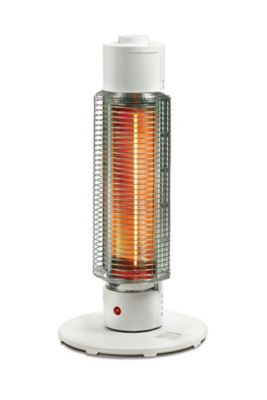
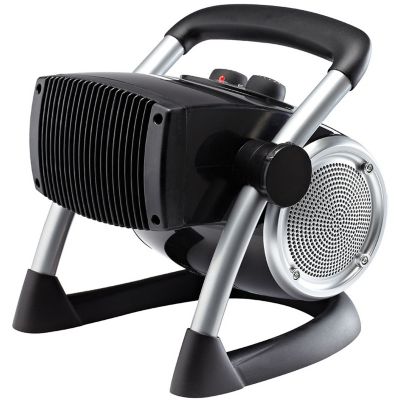
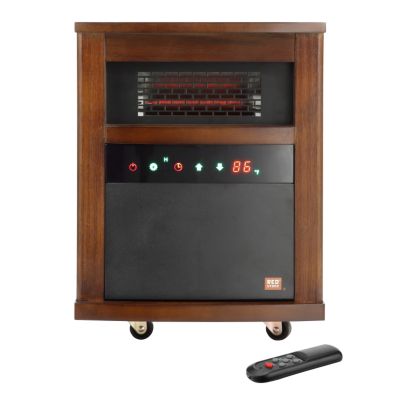
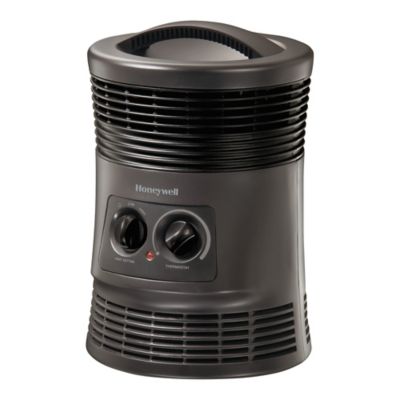
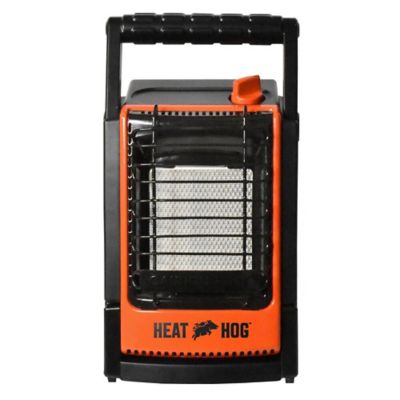
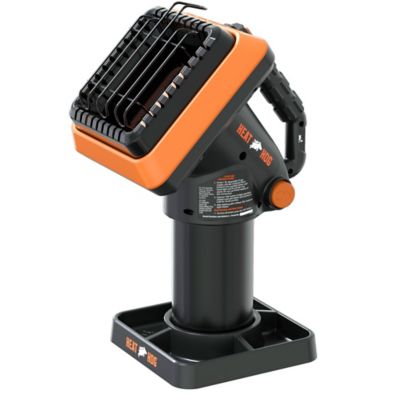
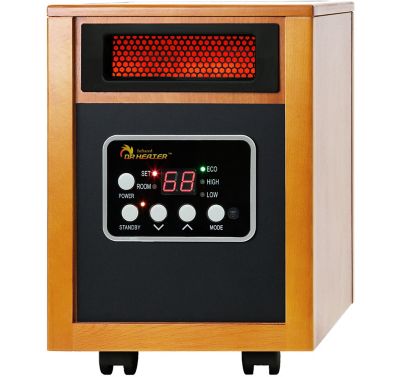
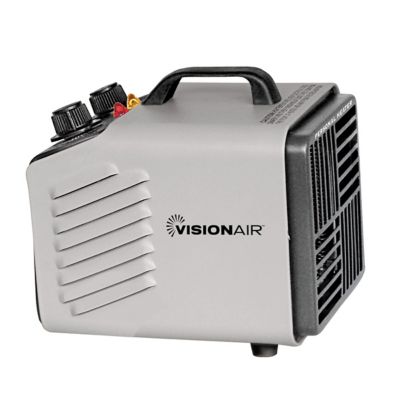
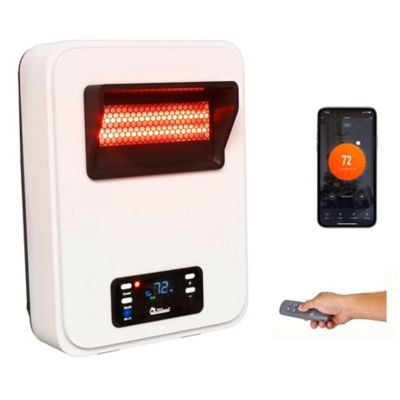
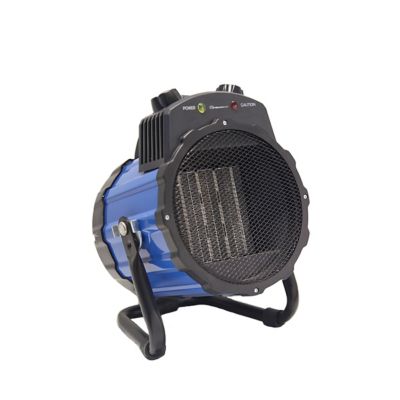
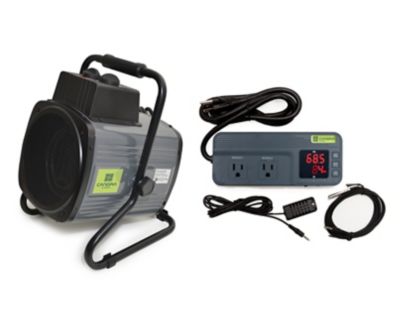
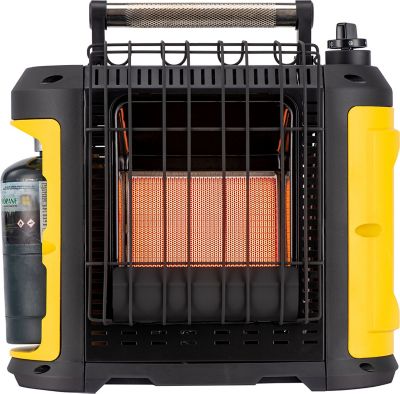
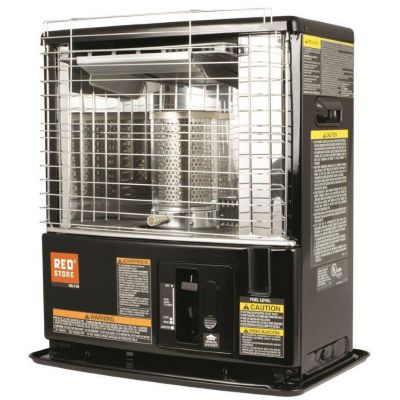
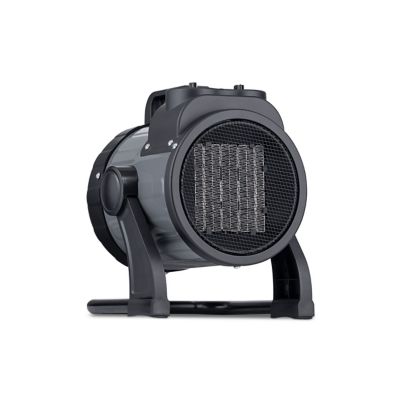
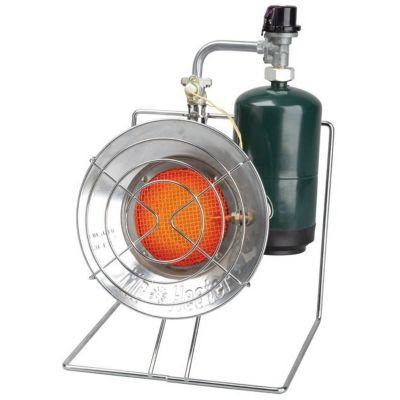
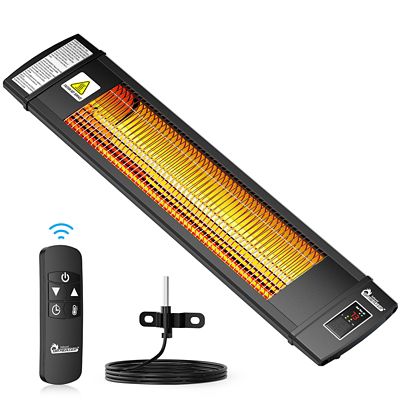
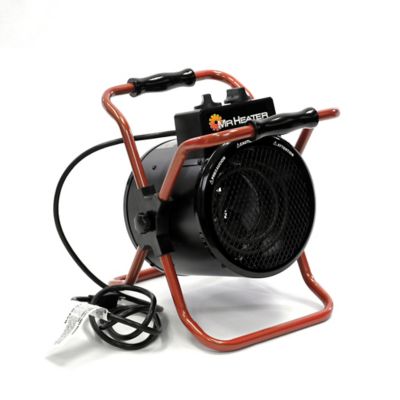
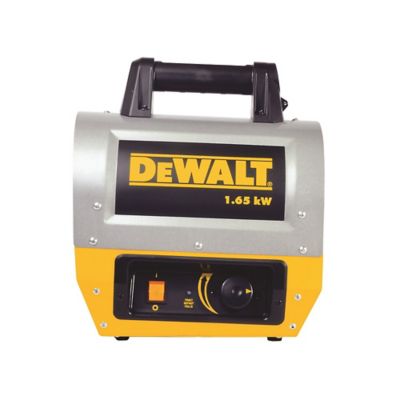
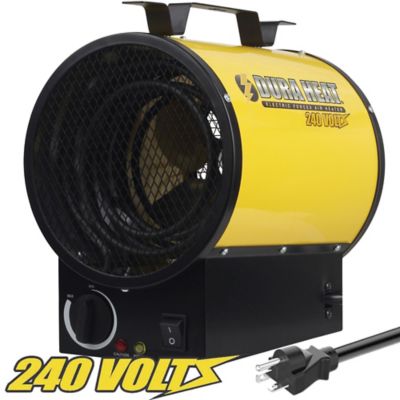
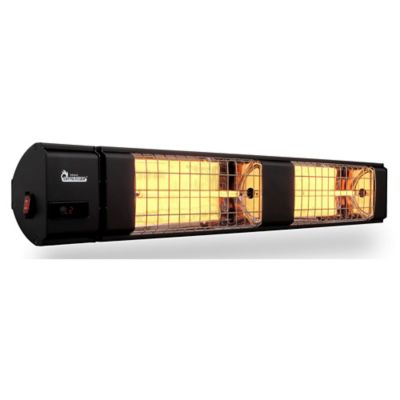
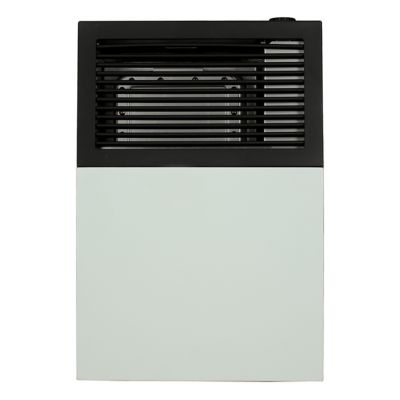
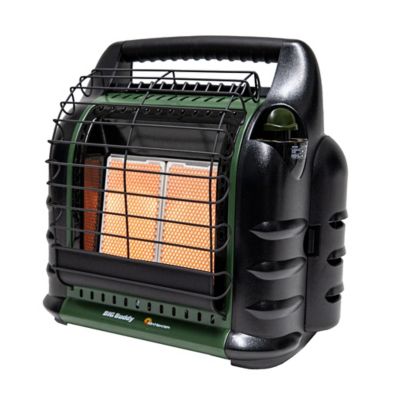
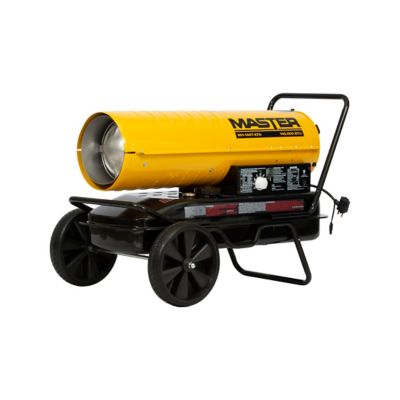
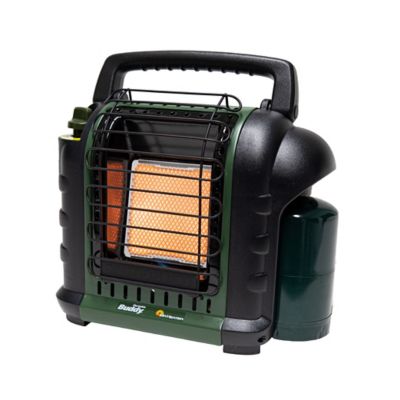
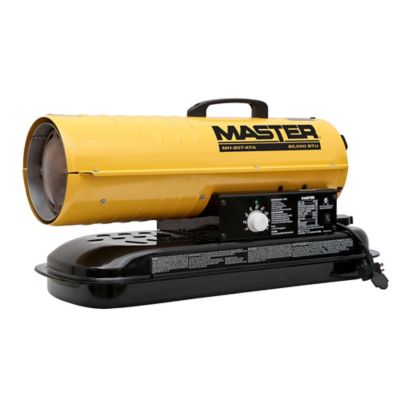
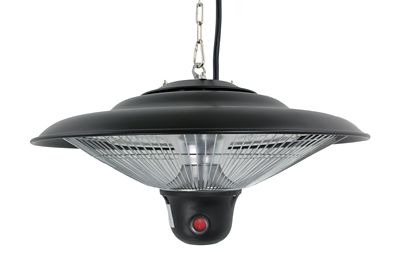
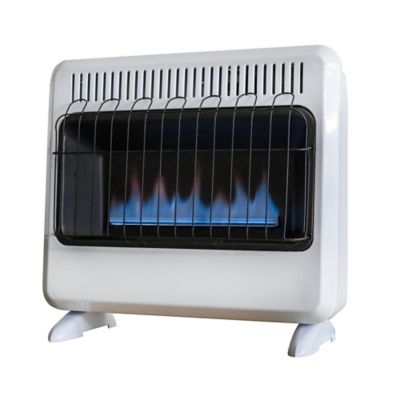
Compact heaters are a handy way to take the chill off a small area without heating the whole house, shop or outbuilding. These portable units are often used in home offices, bedrooms, dorm rooms, enclosed porches, hunting cabins, workshops and other spaces where a little extra warmth makes a big difference. They work especially well for spot heating—warming the area around a desk, chair, workbench or bedside rather than trying to heat an entire large room. Most compact electric heaters are designed for spaces of roughly 100 to 200 square feet, though the actual coverage depends on ceiling height, insulation, drafts and outdoor temperatures. A well-insulated room may warm up quickly, while a drafty mudroom or barn office may need a longer run time and a higher setting. Many models use a small fan to move warm air through the room, while ceramic heating elements can provide steady heat in a compact design. Other features may include adjustable thermostats, low and high heat settings, fan-only operation, carrying handles and simple controls that are easy to use with cold hands. Lower-wattage options in the 500- to 700-watt range can be a practical choice for warming a personal zone, such as the space beneath a desk, while standard compact heaters commonly reach up to 1,500 watts for more noticeable room heating. Checking the wattage before buying helps match the heater to the outlet, room size and way you plan to use it. For a broader selection of indoor heating options, browse
Space Heaters.
When comparing compact heaters, start with the space where the unit will sit and the kind of warmth you need. A thermostat is useful when you want to maintain a comfortable temperature without leaving the heater running at full power. Multiple heat settings give you more control during changing weather, letting you use a lower setting on a cool morning and a stronger setting when the temperature drops. A fan-only mode can also make a small heater useful beyond the cold season by moving air around a stuffy office or enclosed room. Size and portability matter, too. A lightweight unit with a built-in handle is easy to carry from the kitchen to the bedroom, from the house to a finished garage or from an office to a work shed. If the heater will stay in one place, a compact footprint may be more important than carrying convenience. Look for a stable base and controls that are easy to reach. Safety features deserve close attention, especially in homes with children, pets or busy work areas. Tip-over shutoff can turn the heater off if it gets knocked over, while overheat protection helps stop operation if the unit gets too hot. A cool-touch exterior may reduce the chance of a burn from brushing against the housing, although every heater should still be treated as a hot electrical appliance. Place the unit on a level, hard surface with plenty of open space around it, and keep bedding, curtains, clothing, cardboard, sawdust and other flammable materials well away from the heating outlet. Never cover a heater, use it to dry clothes or leave it running where nobody can keep an eye on it. Compact heaters can be useful beside a desk during early-morning paperwork, near a workbench while repairing equipment or in a guest room when the house feels cooler than expected, but they should supplement a safe primary heating system rather than replace one.
Proper electrical use is just as important as choosing the right features. Plug a compact heater directly into a wall outlet whenever possible, and avoid running it through a power strip, extension cord or multi-outlet adapter unless the manufacturer specifically allows it. Check the cord for frays, crushed spots or heat damage before use, and stop using the unit if the plug, outlet or cord becomes unusually hot. Keep the heater away from sinks, tubs, livestock waterers, wet floors and other damp areas; most indoor electric heaters are not made for moisture or outdoor exposure. Dust and pet hair can collect around air intakes, so clean the unit according to the care instructions and make sure airflow is not blocked. A compact heater can make a thoughtful practical gift for someone setting up a home office, college room, basement workspace, enclosed porch or insulated hunting cabin. It may also suit a family member who spends long hours sewing, reading, crafting or handling paperwork in one part of the house. For a gift, consider the recipient’s room size, outlet setup and storage space, along with easy-to-read controls and built-in safety protections. During the cooler months, a small heater tucked beneath a desk or placed in a chilly corner can bring welcome comfort without making the whole household uncomfortably warm. Choosing the right wattage, using the heater on a clear stable surface and following the safety instructions helps make that extra bit of warmth useful, convenient and dependable.