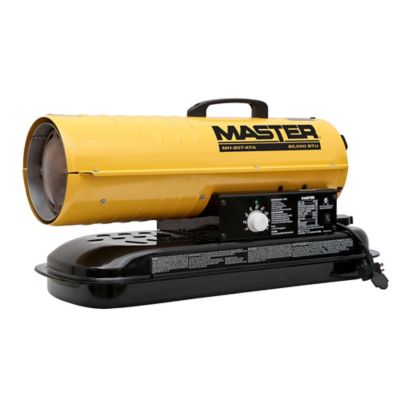
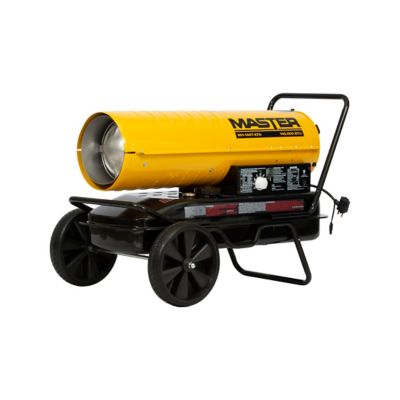
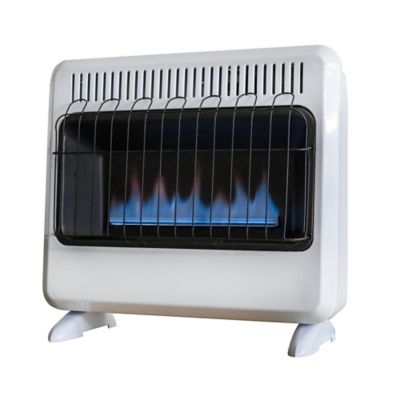
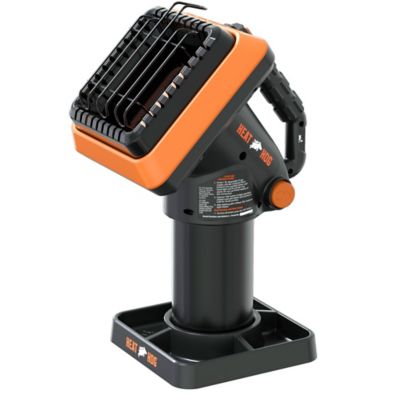
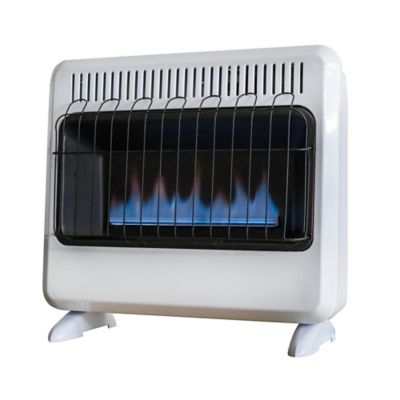
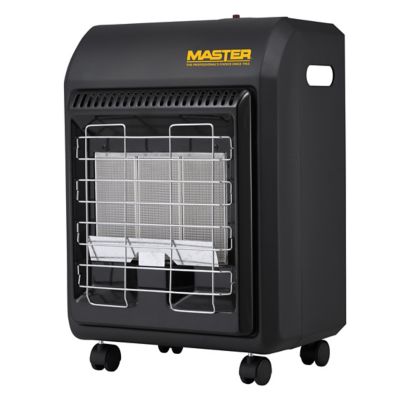
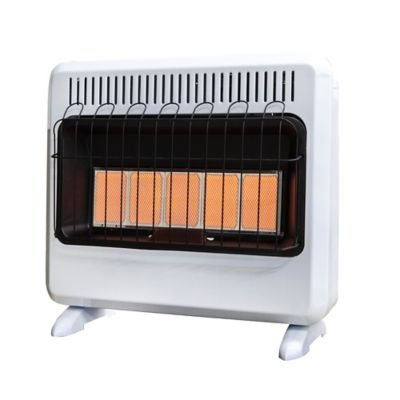
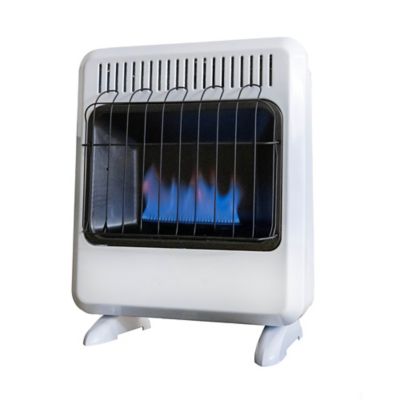
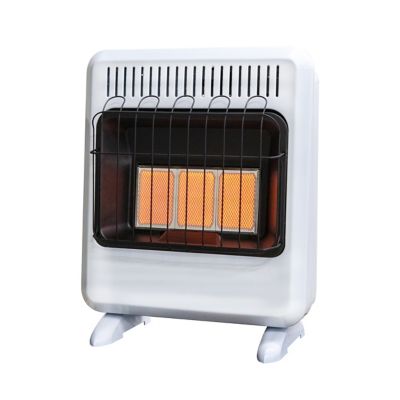
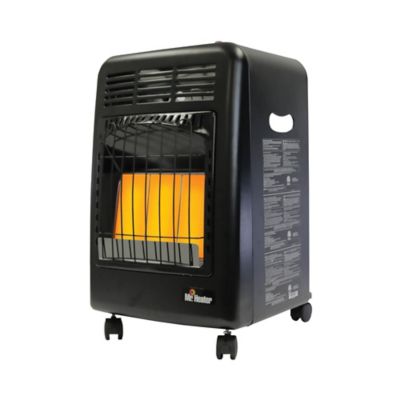
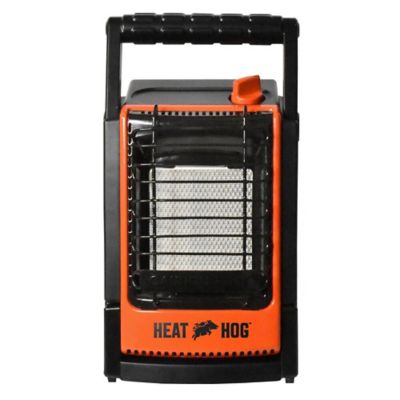
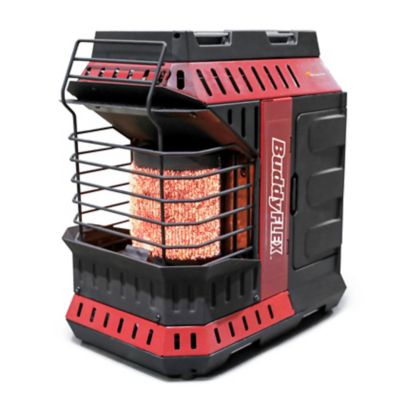
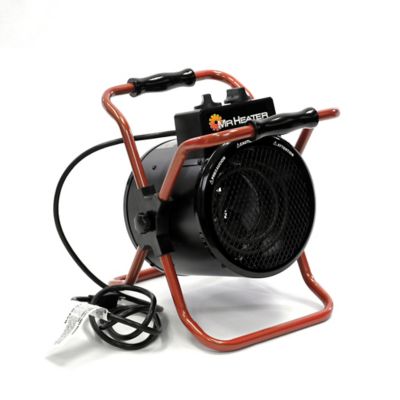
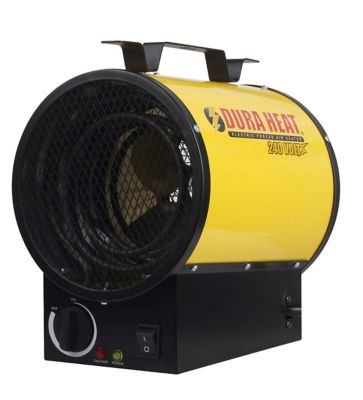
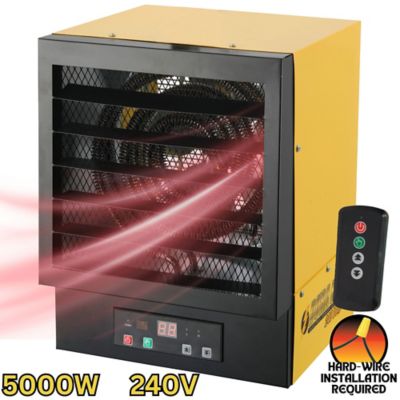
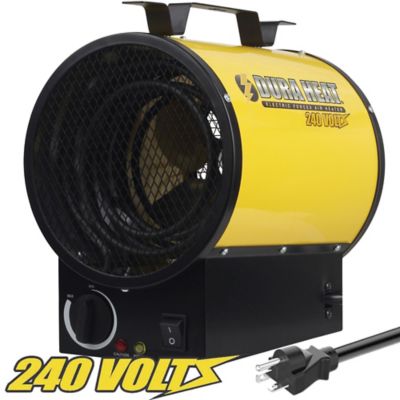
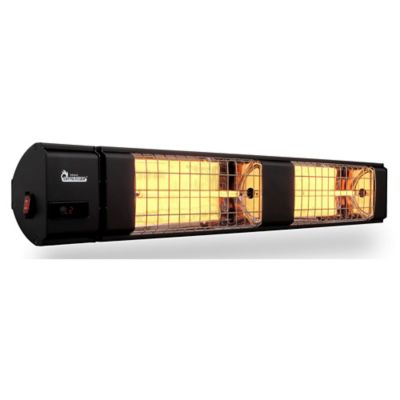
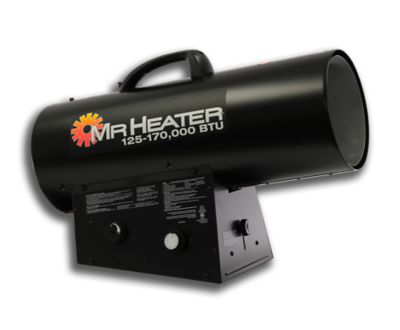
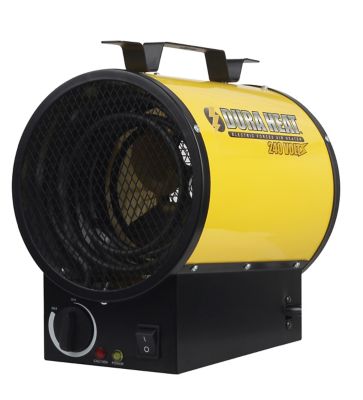
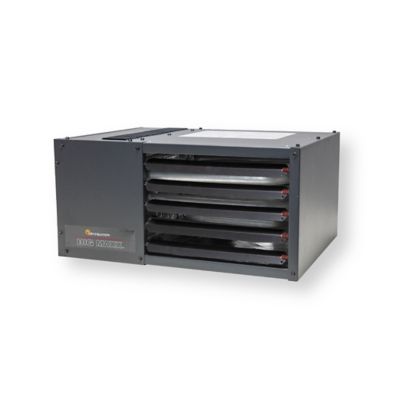
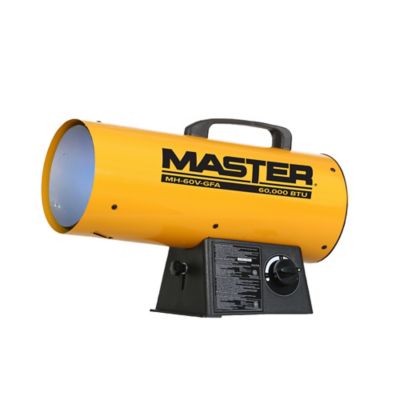
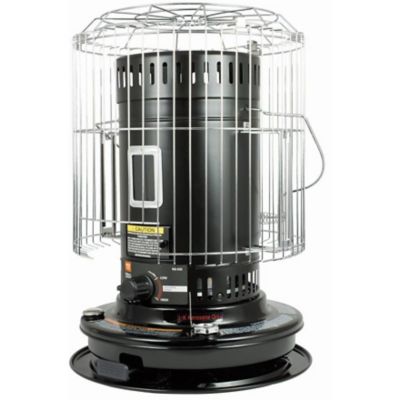
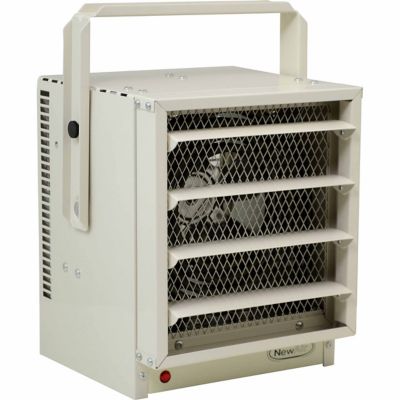
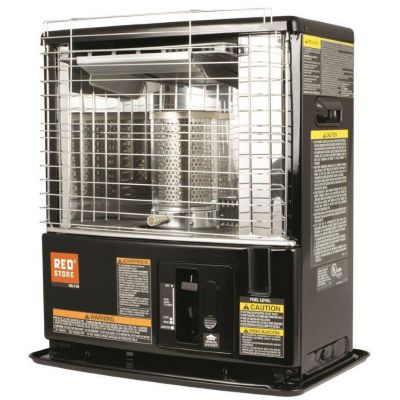
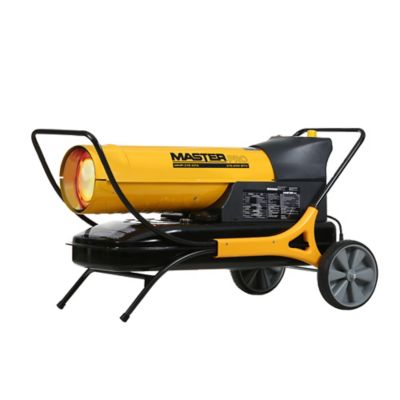
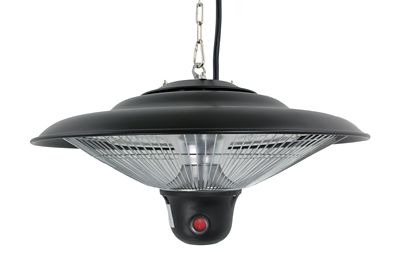
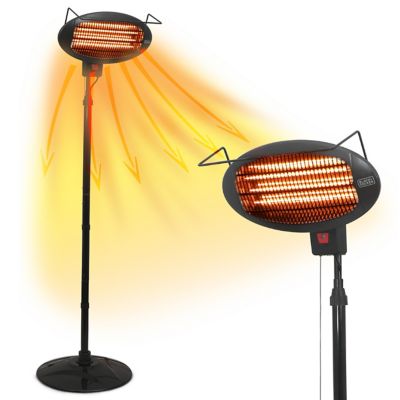
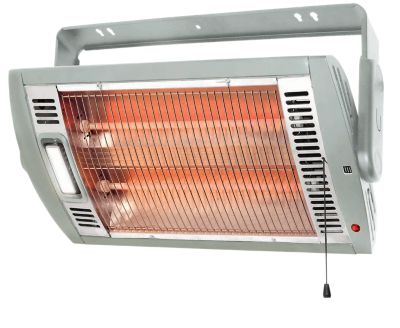
Space heaters are portable, self-contained heating appliances made to warm a single small or medium-sized indoor room. They can take the chill off a drafty mudroom, warm up a home office during an early morning of paperwork, or make a bedroom, workshop, or living room more comfortable during the cooler months. They work best as supplemental heat rather than a replacement for a home’s main heating system. When choosing a space heater, start with the room where it will be used and consider its size, layout, insulation, ceiling height and the amount of cold air coming through doors or windows. A compact heater may suit a desk, workbench or small bathroom-free sitting area, while a larger room may call for a model designed to circulate heat across more floor space. Ceramic heaters use a ceramic heating element and a fan to move warm air into the room, making them a handy choice when you want to feel heat fairly quickly. Radiant or quartz heaters warm people and nearby objects directly with infrared-style heat, which can feel comfortable beside a chair, recliner or workbench without heating every corner of the room. Oil-filled radiators heat oil inside metal columns and give off steady, quiet warmth; they take longer to reach full temperature but can continue radiating heat after the unit is turned off. Pay attention to adjustable thermostats, multiple heat settings, oscillation, timers, digital controls and carrying handles, but let safety features lead the decision. Tip-over shutoff and overheat protection can add an extra layer of peace of mind, especially in busy homes, guest rooms or spaces where pets and children may be nearby. A heater can also make a practical gift for someone setting up a chilly home office, finishing a basement room, moving into a drafty older house or spending long hours in an insulated outbuilding. For rooms where floor space is limited, a permanently installed option may be a better fit; browse
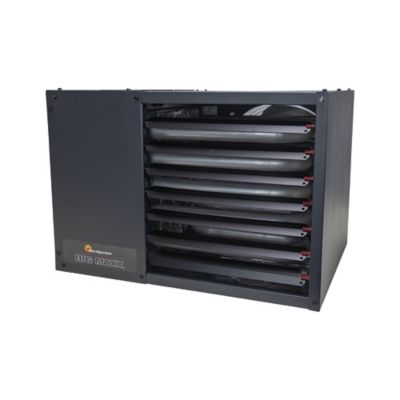
Mounted Heaters for another way to add warmth without placing a portable unit in a walkway.
Safe placement matters just as much as heating performance. Set a space heater on a solid, level, nonflammable surface where it cannot be bumped, kicked or knocked over. Keep at least a 3-foot clearance zone around the heater, leaving plenty of room between the unit and curtains, bedding, furniture, rugs, paper, hay, clothing, boxes and other items that could catch fire or block airflow. Keep cords out of walking paths and do not run them beneath rugs or furniture. Plug the heater directly into a wall outlet rather than an extension cord, power strip or other plug-in device, since high-wattage heating appliances can place a heavy load on electrical equipment. Before use, check the cord, plug and housing for damage, and stop using the heater if you notice fraying, scorch marks, unusual smells, sparking or repeated breaker trips. Keep the unit away from water and damp areas unless it is specifically designed and approved for that kind of environment. Never cover a heater, use it to dry clothing, or place anything on top of it. Children and pets should be supervised around any hot surface, and curious dogs, cats or farm dogs should not be able to pull the heater over by its cord. Turn the heater off and unplug it whenever you leave the room or go to sleep, even if the space feels settled and warm. Give the unit time to cool before moving or storing it, and follow the operating and cleaning instructions supplied with the heater. Dust buildup can restrict airflow, so gentle cleaning and regular inspection help keep the unit working as intended. Many folks use a space heater while getting ready before dawn, checking animals, sorting feed records or settling in for a quiet evening, and a little planning helps that warmth stay comfortable instead of becoming a hazard. Choose a model suited to the room, leave its safety zone clear and use it with the same care you would give any other electrical heating appliance.