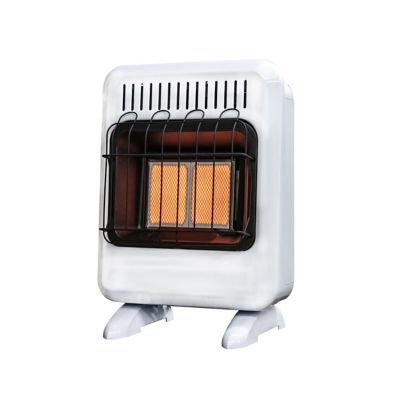
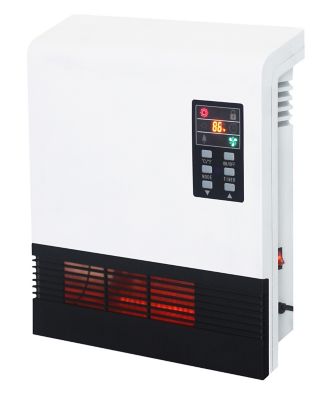
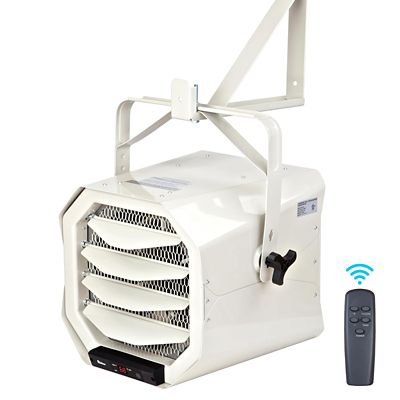
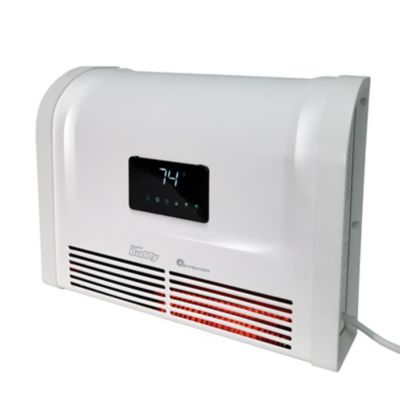
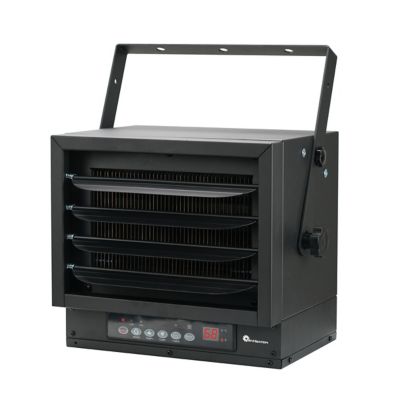
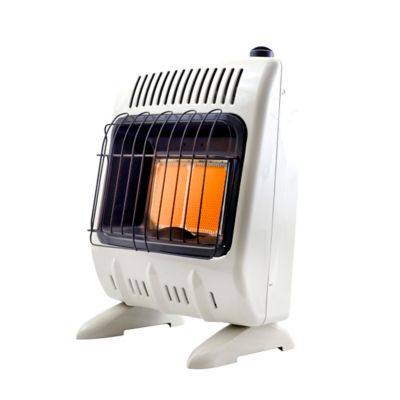
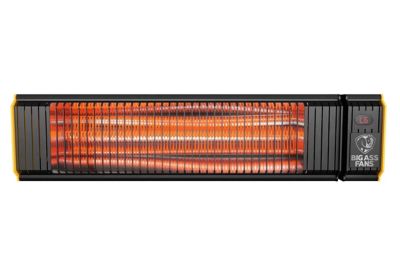
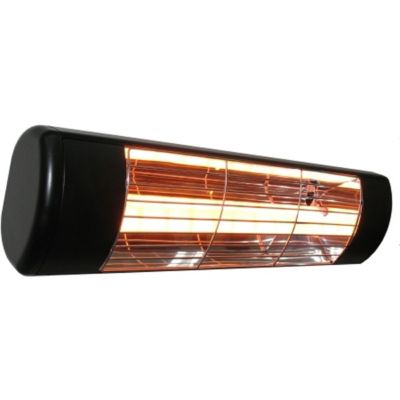
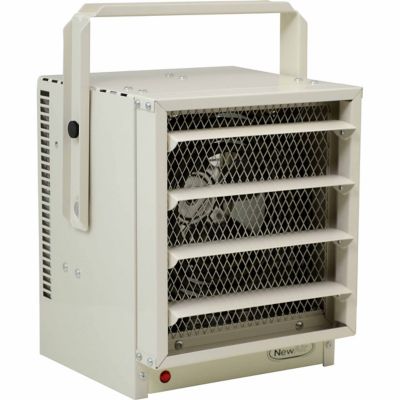
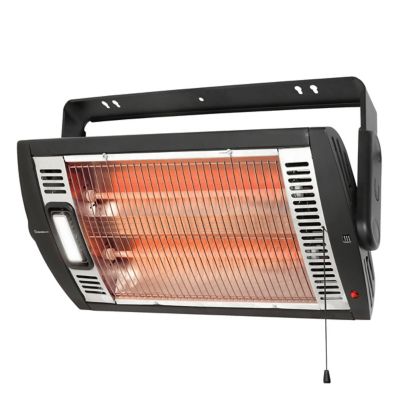
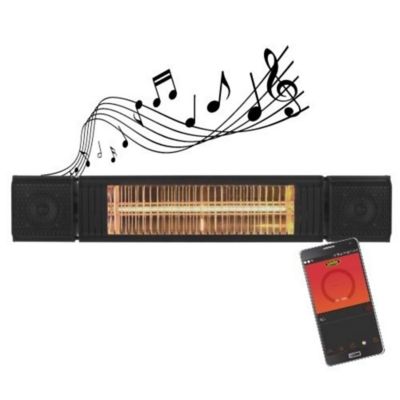
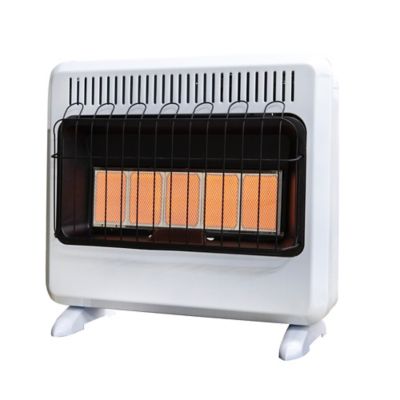
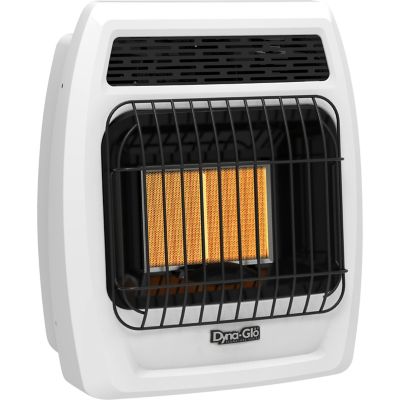
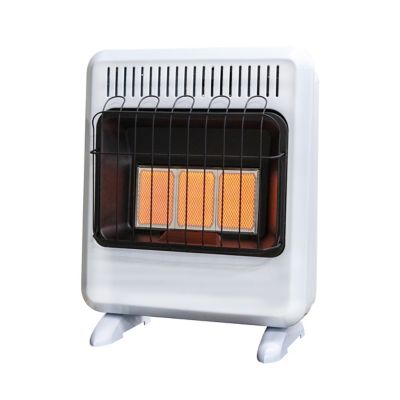
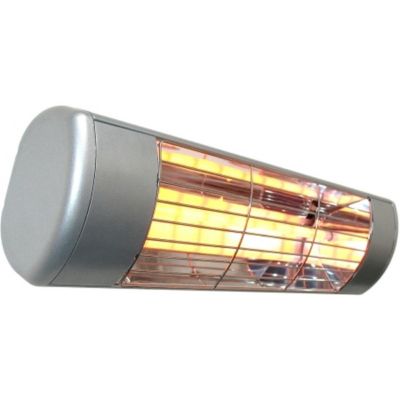
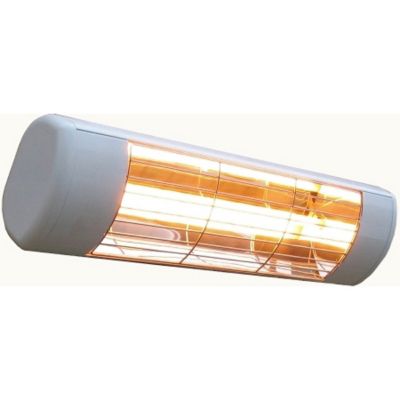
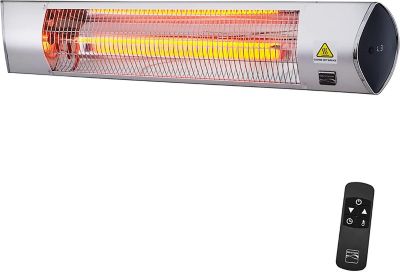
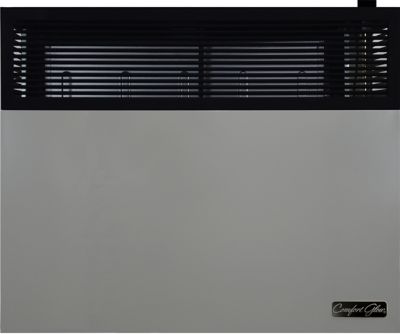
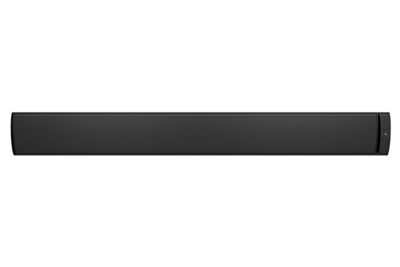
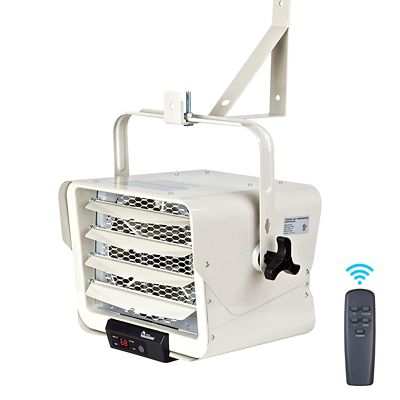
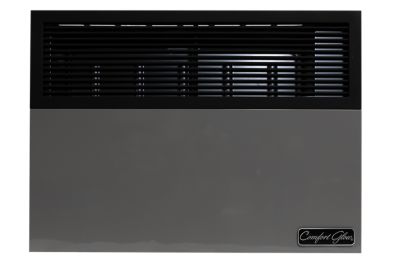
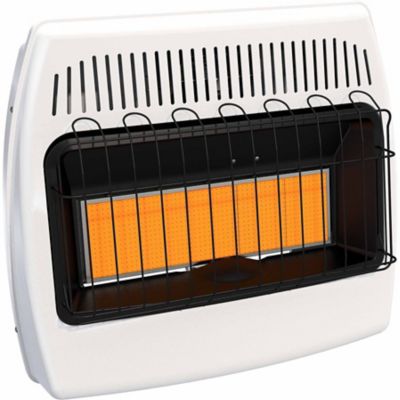
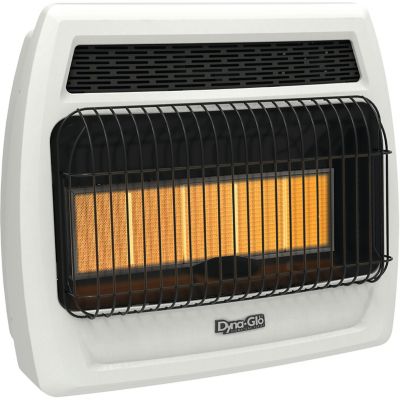
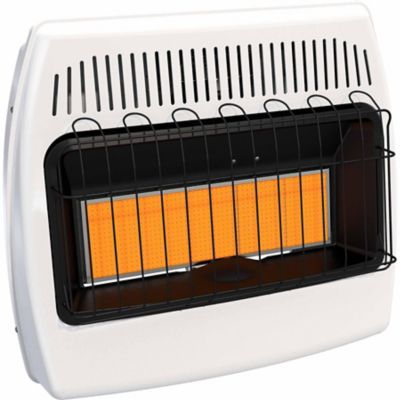
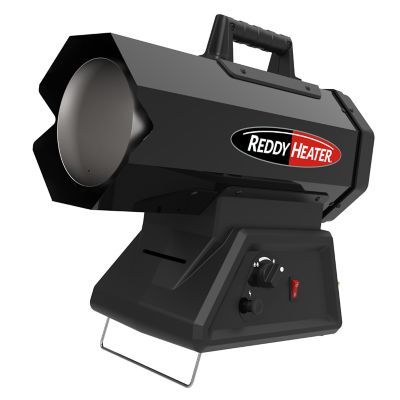
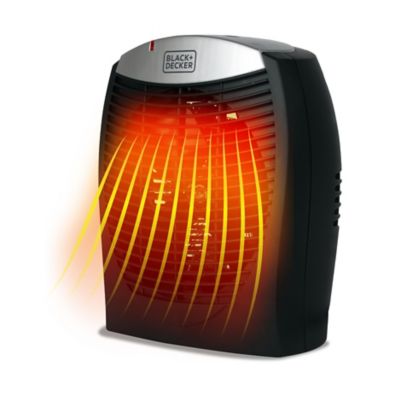
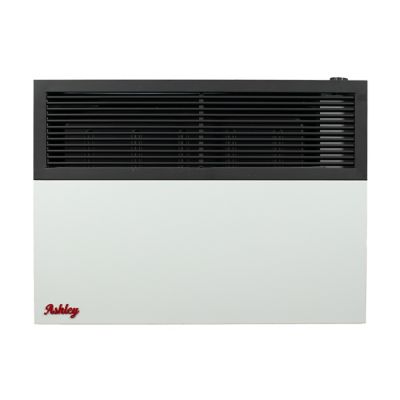
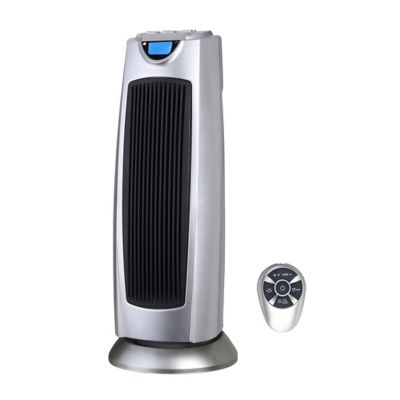
Mounted heaters make room for warmth without taking up the floor space needed for a workbench, tool chest, or a clear path through the garage. With the heater secured to a wall or ceiling, there’s less equipment underfoot while you’re carrying lumber, rolling out a mower, or getting a truck ready for the next day’s chores. These heaters can serve different purposes, from taking the chill out of a small utility room to providing supplemental heat in a larger workshop. The right match depends on the space, the mounting location, and whether the goal is steady room heat or warmth around a particular work area. Fan-forced heaters move heated air through the room, which can help distribute warmth beyond the spot directly beneath the unit. Radiant heaters send heat toward people and surfaces within their reach, making their position and line of sight especially important. Neither approach fits every building, and a tall ceiling, an open overhead door, or a draft around old windows can change how comfortable a room feels. In a shop where someone spends an afternoon sorting hardware or repairing a gate hinge, warmth near the work area may matter more than heating every corner evenly. In an enclosed room with frequent foot traffic, broader air circulation may be the better fit. Mounted heaters can also make sense for homeowners, mechanics, woodworkers, and folks maintaining equipment on an acreage, provided the heater is approved for that setting. A garage rating does not automatically make a heater suitable for a livestock building, greenhouse, damp room, or dusty workshop. Moisture, airborne particles, flammable vapors, and nearby bedding or stored feed all affect suitability. Keeping those conditions in mind helps narrow the choice to equipment intended for the actual space, rather than choosing by appearance or heating output alone.
Fit involves more than finding an empty stretch of wall. A mounted heater needs a suitable supporting structure, the specified installation height, and room around its cabinet, air intake, and heat outlet. Wall framing and ceiling construction matter because the mounting hardware must carry the heater’s weight securely. Brackets may allow a fixed position or an adjustable angle, depending on the design, but the permitted mounting positions still come from the manufacturer’s instructions. In a working garage, that placement also has to account for shelving, raised vehicle hoods, overhead door tracks, and the path of the door itself. A spot that looks clear with the door closed may not remain clear when it opens. Required separation from lumber, cardboard, curtains, fuel containers, and other combustible materials is another part of the fit, not an optional allowance. Heating capacity deserves the same attention. Square footage offers a starting point, while ceiling height, insulation, windows, air leakage, and the difference between indoor and outdoor temperatures shape the heating load. Wattage and BTU ratings describe output in different ways, so those numbers need to line up with the building’s needs and the available energy source. Electric mounted heaters may require a dedicated circuit, a particular voltage, or a hardwired connection; an ordinary nearby outlet is not proof that the electrical supply is suitable. Qualified installation helps address circuit capacity, wiring, grounding, and local code requirements. Fuel-burning mounted heaters add fuel compatibility, gas-line sizing, combustion air, and any required venting to the picture. Carbon monoxide alarms are an important safeguard wherever fuel-burning equipment is present, but they do not replace proper installation or ventilation. A heater intended for outdoor or open-air operation does not belong in an enclosed shop simply because it fits on the wall. The installation requirements help determine which heater belongs in the space before convenience features enter the decision.
Materials and everyday upkeep also shape how well a mounted heater fits into a busy property. Steel housings, aluminum components, protective finishes, and outlet grilles appear across different designs, each serving a purpose in the heater’s construction. A metal cabinet can stand up to ordinary shop surroundings, but no housing makes a heater immune to corrosion, impacts, or blocked airflow. Damp air and exposure to chemicals can affect finishes and internal parts, so the unit’s environmental rating matters as much as its outward appearance. Accessible controls and service points are helpful when the heater sits above shoulder height, especially where routine cleaning would otherwise call for awkward reaching. Dust settling on an intake or grille can interfere with operation, and any cleaning belongs within the care directions for that heater, with power disconnected and the equipment allowed to cool. Fuel-burning systems may also call for scheduled professional inspection and service. Thermostats, adjustable louvers, timers, and remote controls can make day-to-day operation more convenient when those features are part of the design. A thermostat can help maintain a set temperature, while an adjustable outlet can direct airflow toward an open working area rather than into shelving. Those features do not change required clearances or make it safe to hang gloves, towels, or damp clothing over the heater. For a room where permanent mounting is not practical,
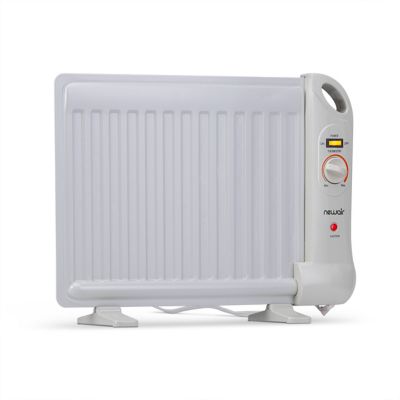
compact heaters offer another category to consider, with their own placement and electrical requirements. A mounted setup is better suited to a space where the heating location can stay put and the building supports the installation. Whether the job is making a garage more comfortable for an oil change or keeping an enclosed workroom ready for small repairs, the best fit brings together suitable heat output, sound mounting, straightforward controls, and care that works with the way the space gets worked in every day.