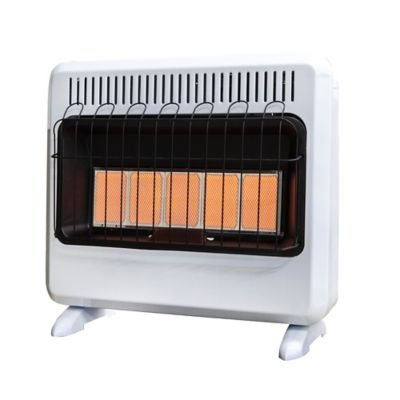
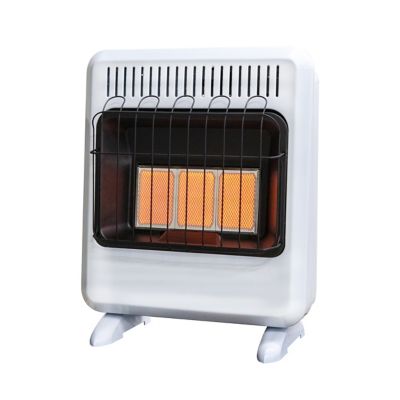
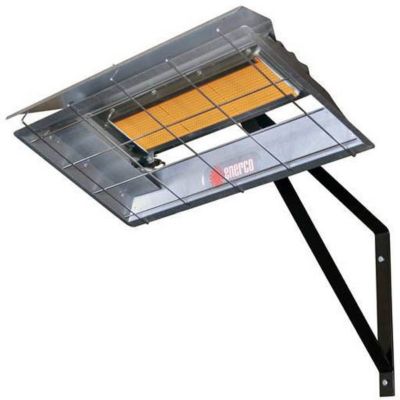
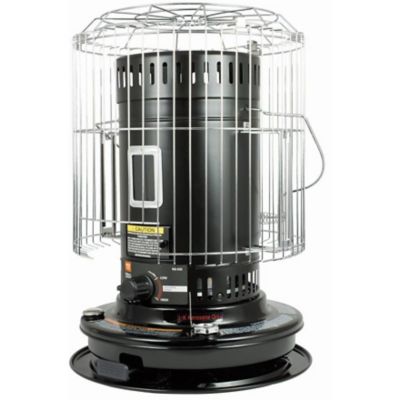
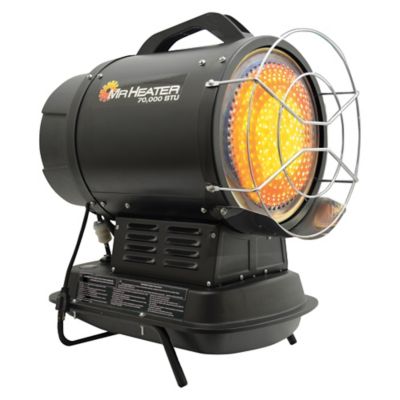
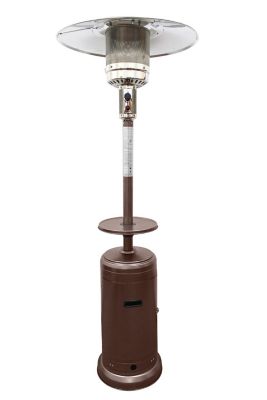
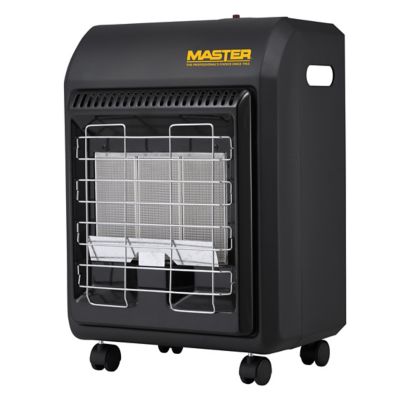
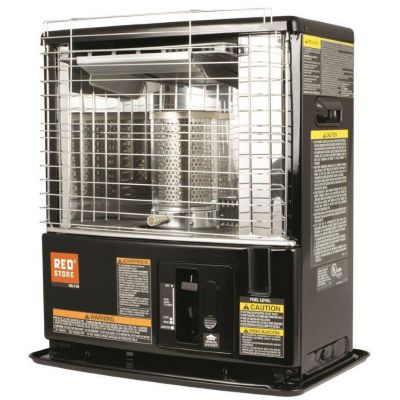
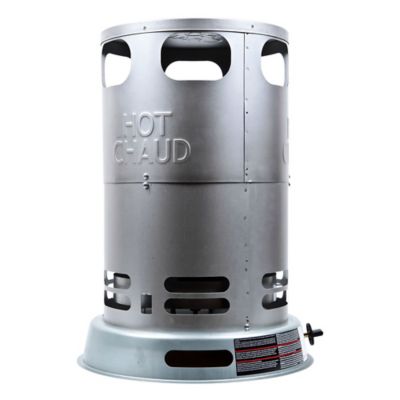
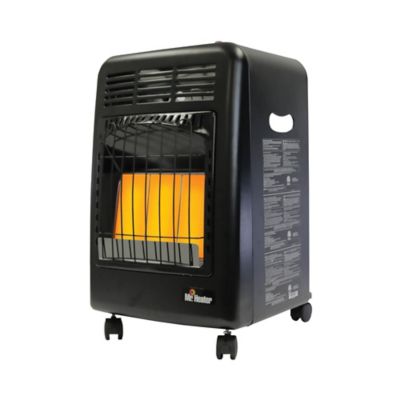
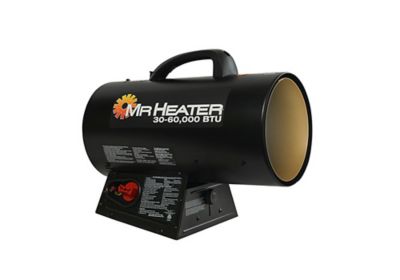
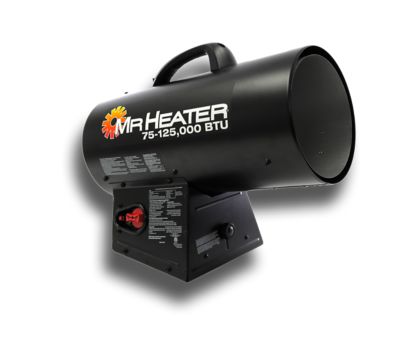
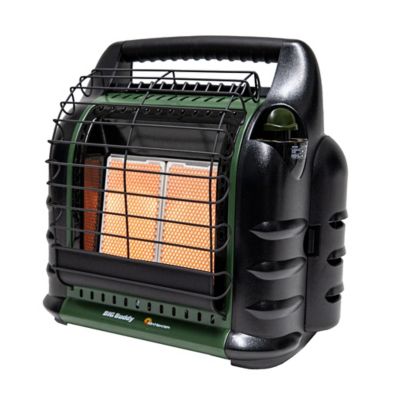
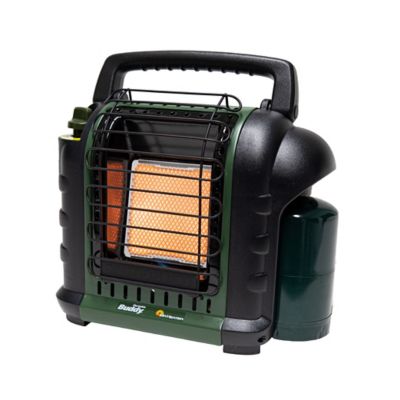
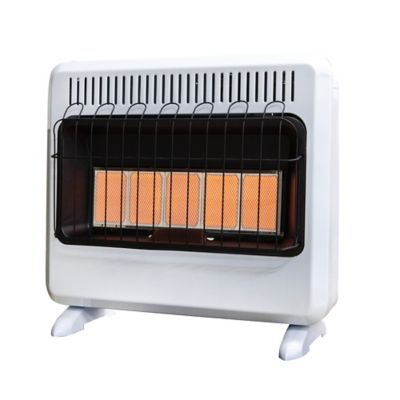
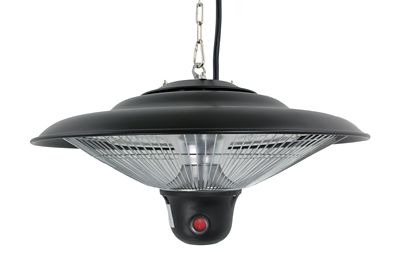
Gas heaters offer a practical way to bring steady warmth to places that may be hard to heat with a central system or electric equipment. Depending on the design, they may use natural gas, propane, LPG or butane to create targeted heat without drawing power from an outlet. That makes them useful in a wide range of settings, from a chilly workshop or drafty garage to a covered porch, barn office, hunting cabin or outdoor seating area. Some units are made for indoor spaces, while others are designed only for outdoor use, so matching the heater to the location is the first step. Portable gas heaters can be handy when you need to move warmth from one area to another, and certain models connect to liquid propane cylinders for a straightforward fuel source. Patio heaters, including freestanding and tabletop styles, are built to warm the area around a gathering spot rather than an entire enclosed room. Wall-mounted or built-in heaters can provide a more permanent heating solution when installed according to local requirements. For anyone looking to keep a work area comfortable during cooler months, prepare a backup heat source for a power outage, or make an outdoor space more welcoming as the weather changes, gas heaters can be a dependable option. They can also make a thoughtful gift for a homeowner, farmer, mechanic, camper or outdoor host who spends long hours working or relaxing outside. A heater is especially useful for someone who enjoys morning coffee on the porch, late-season tailgating, evening chores or weekend projects in an unheated shop. If you need a short-term heating solution while a permanent system is being repaired or installed, browse
Temporary Heaters for additional options.
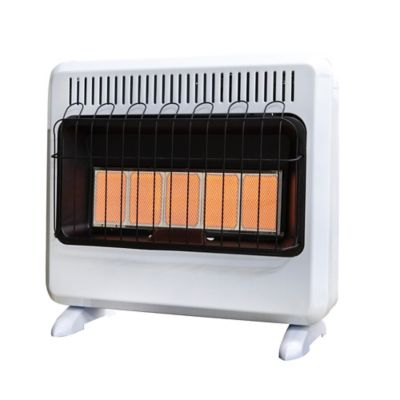
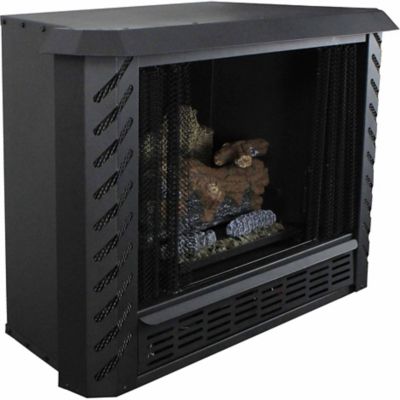
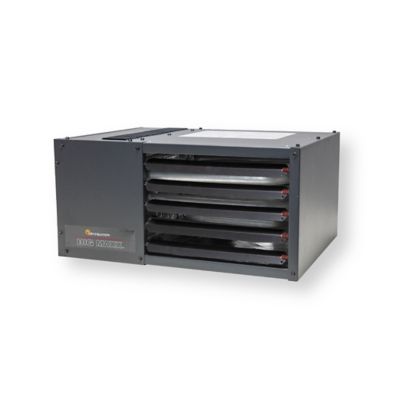
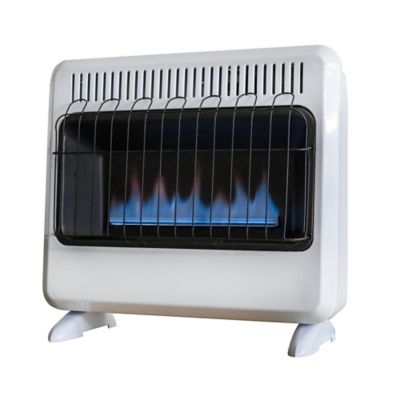
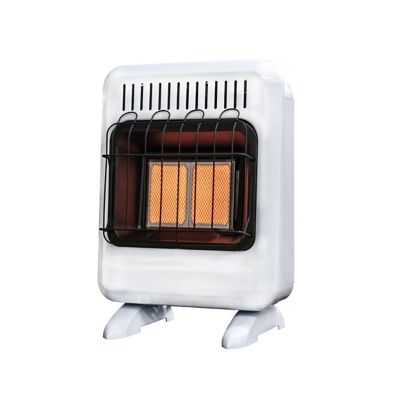
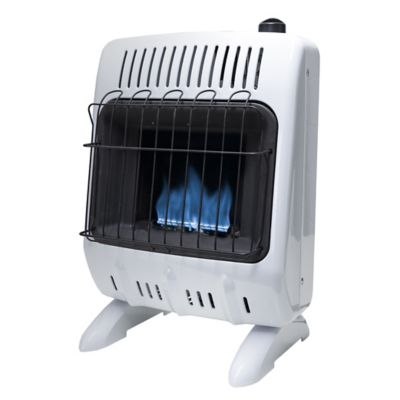
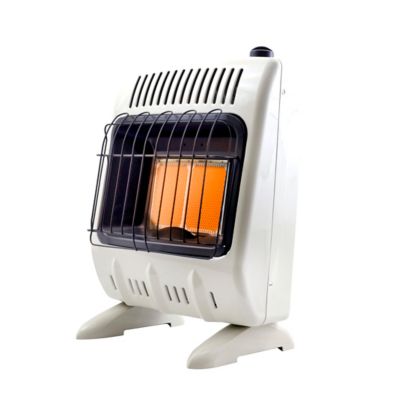
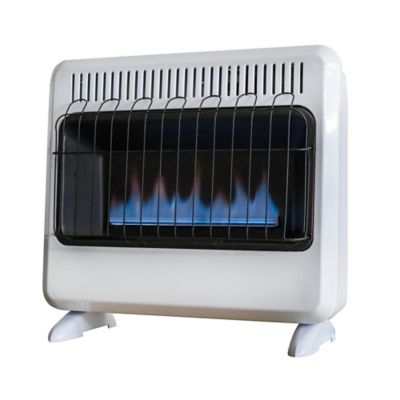
When comparing gas heaters, start with the space you want to warm, the fuel available and the way the heater will be used. Check the manufacturer's heating-area guidance, but remember that insulation, ceiling height, wind, open doors and moisture can all affect performance. A small, enclosed room with decent insulation may warm differently than a large pole barn with open bays and concrete floors. Radiant heaters direct warmth toward people and nearby objects, much like standing in the sunshine on a crisp morning, making them useful for spot heating, workstations and seating areas. Blue-flame heaters generally warm the air through convection, which can help bring a room to a more even temperature when the space is properly suited for that type of use. Vent-free, or unvented, heaters do not use a chimney or flue and can be highly efficient, but they still burn fuel indoors and consume oxygen while producing combustion byproducts and water vapor. Vented heaters connect to an exterior wall, chimney or approved venting system so exhaust can leave the building. For indoor applications, installation and use must follow the owner's manual, local building and fire codes, and any fuel-specific requirements. Professional installation is strongly recommended for units that need a gas line, wall connection, venting or other permanent work. In some locations, vent-free heaters may be restricted or subject to additional rules, so check local regulations before purchase. Fuel type matters, too. Natural gas requires an appropriate supply line, while propane and other liquefied gases are commonly stored in cylinders or tanks. Never assume a heater designed for one fuel can be converted to another without an approved conversion process. Look for clear information about fuel compatibility, regulator requirements, connection sizes, operating altitude and cylinder capacity. A heater that is easy to light and move may be best for occasional use, while a fixed model may make more sense for a frequently used room or outbuilding. Consider controls, thermostat settings, heat direction, portability, wind protection, clearance requirements and whether replacement parts or accessories are readily available.
Safety should guide every gas heater decision, whether the unit is used in a house, garage, shed, livestock area or open-air gathering space. Read the complete instructions before lighting the heater, and keep required clearances from walls, furniture, curtains, bedding, vehicles, hay, sawdust, fuel containers and other combustible materials. Outdoor patio heaters should never be moved indoors, into a tent, camper, garage, barn or other enclosed area unless the manufacturer specifically lists that location as approved. Carbon monoxide is a colorless, odorless danger associated with fuel-burning equipment, so use carbon monoxide alarms as recommended and make sure indoor spaces have the required ventilation. Do not use a heater while sleeping unless it is specifically designed and approved for that purpose, and never leave a portable heater unattended around children, pets or livestock. Stable placement is important on uneven shop floors, gravel, decks and concrete, so use the base, legs and stabilizing hardware provided. Many modern heaters include safeguards such as oxygen depletion sensors, automatic shutoff systems, flame-failure protection and tip-over shutoff valves, but these features do not replace proper setup or supervision. Inspect hoses, fittings, burners and connections for wear, cracking, rust or damage before use, and follow the manufacturer's directions for leak checks; never use an open flame to look for a gas leak. Keep propane cylinders upright and stored as directed, away from heat sources and ignition points. Allow the heater to cool before moving, cleaning or storing it, and keep burners and air openings free of dust, insect nests and debris. If you smell gas, hear hissing, see an unusual flame or notice soot, shut off the fuel supply when safe, leave the area and contact a qualified professional or emergency service as appropriate. With the right fuel, size, placement and maintenance routine, a gas heater can help take the bite out of a cold work morning, extend time on the porch or provide valued backup warmth when electricity is unavailable.