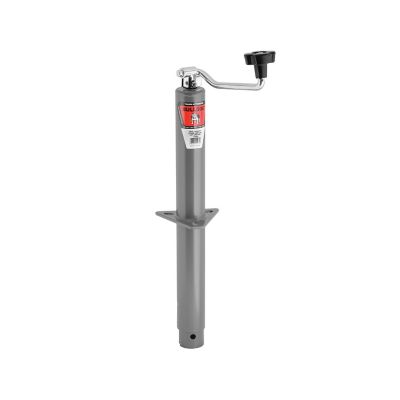
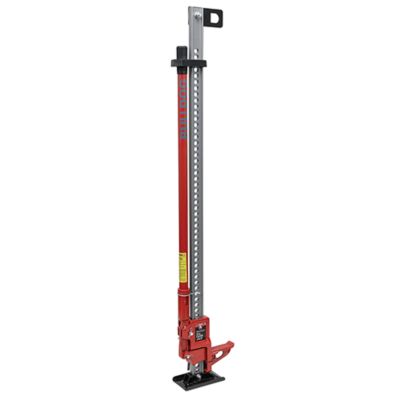
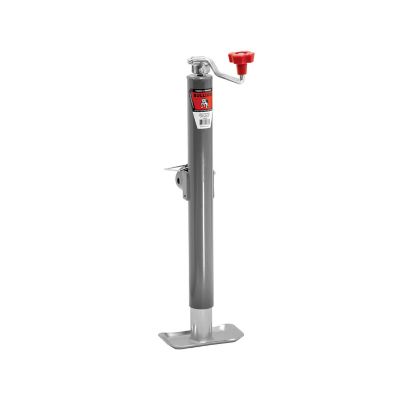
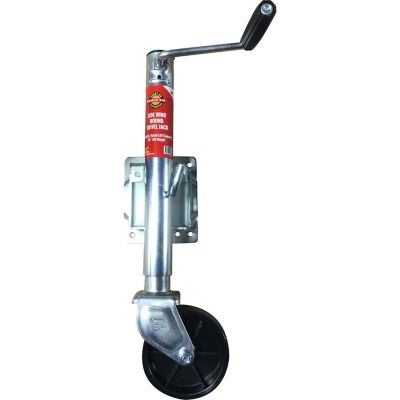
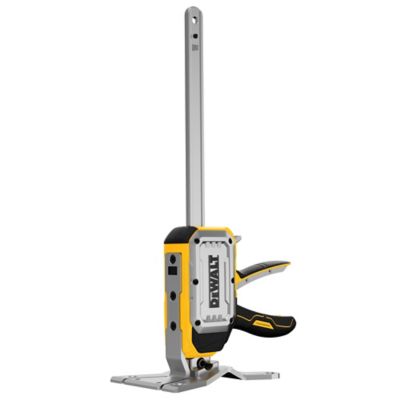
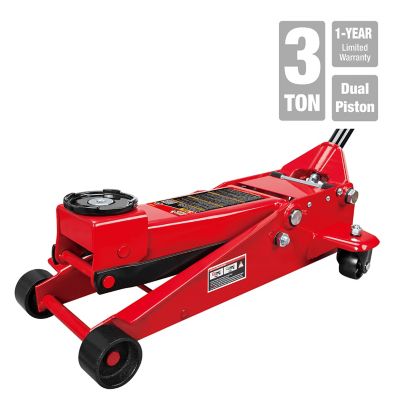
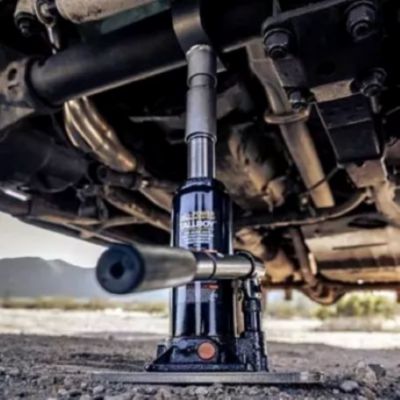
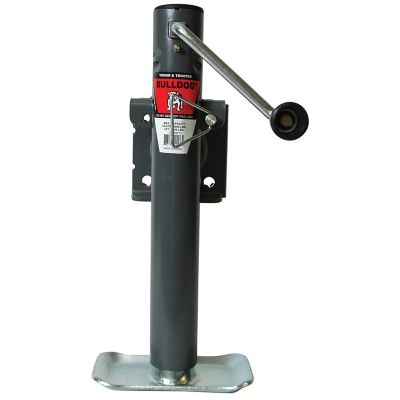
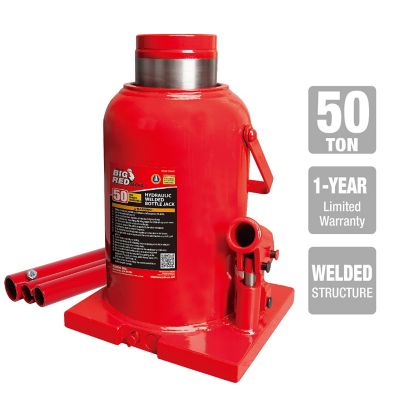
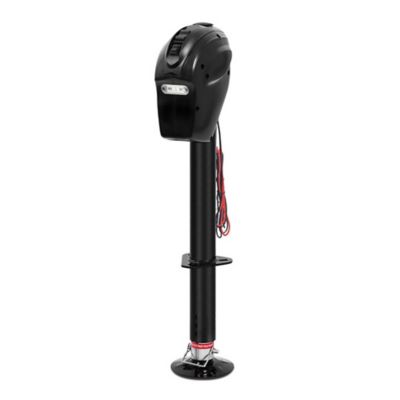
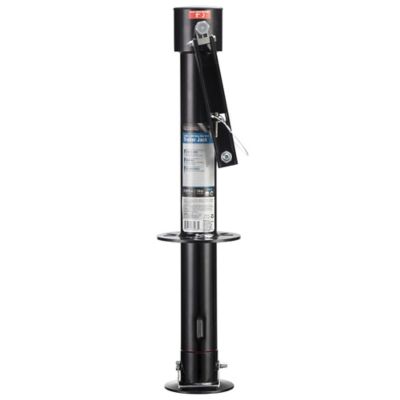
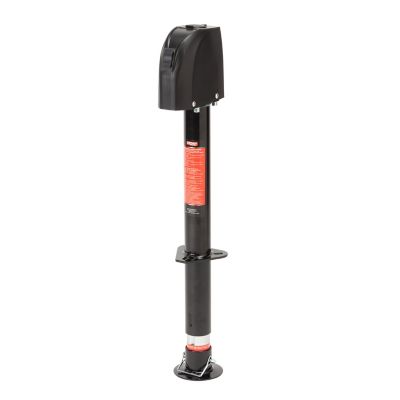
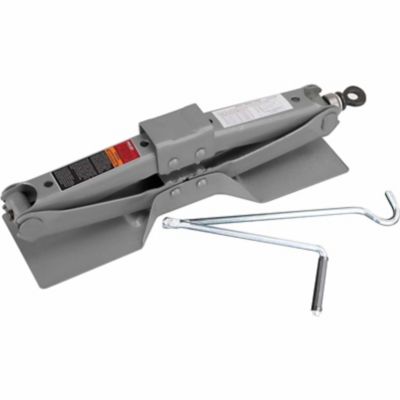
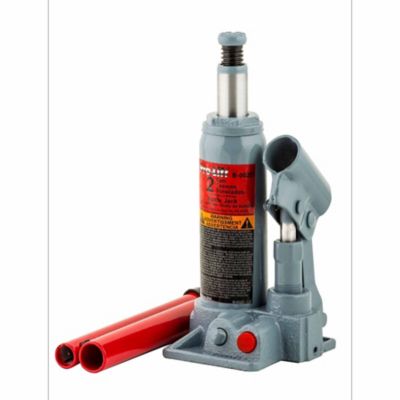
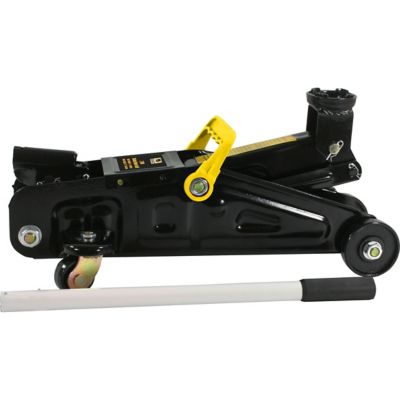
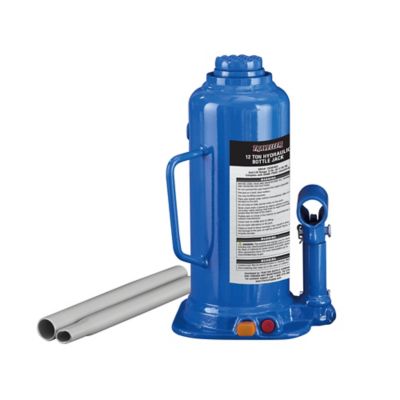
Truck jacks are made for more than a quick tire change beside the road. They can help with routine maintenance, brake work, suspension repairs, tire rotation and recovery jobs around the farm, ranch or trail. The right choice depends on your truck’s size, ground conditions and the kind of work you expect to do. A full-size pickup, lifted truck, work truck, dually or utility vehicle may need a different jack than a compact truck, and a jack used on a concrete garage floor may not be the best fit for gravel, mud or packed dirt. Before shopping, check your owner’s manual for the vehicle’s weight information and approved lifting points. Look for a jack with a rated capacity suited to your truck and the portion of the vehicle being lifted, with enough lift range for the truck’s ground clearance and suspension. Many truck owners look for capacities in the 3-ton to 6-ton range, but the correct rating always comes down to the vehicle and the job. A jack should never be loaded beyond its capacity. Floor jacks, sometimes called trolley jacks, are a handy choice for a shop or garage because their rolling frames and long handles make them easy to position on a solid, level surface. They generally offer a broad lifting range and can be useful when servicing a truck at home. Bottle jacks take up less room in a toolbox or truck bed while delivering plenty of lifting power, making them a practical option for roadside emergencies and jobs where storage space matters. For trucks with extra ground clearance, a tall bottle jack or a model with a suitable extension can help reach the approved lift point. High-lift jacks are often associated with off-road use, trail repairs and vehicles fitted with compatible bumpers, sliders or lift points. Their mechanical design can provide substantial lifting height, but they require careful placement and a compatible vehicle setup. An off-road jack with larger wheels or a broad base may roll and stay steadier on uneven ground than a standard shop jack, though no jack should be treated as a cure for soft, shifting or sloped ground.
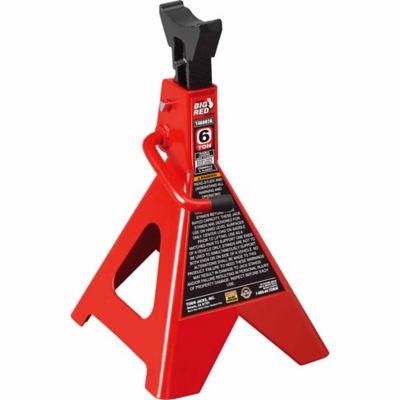
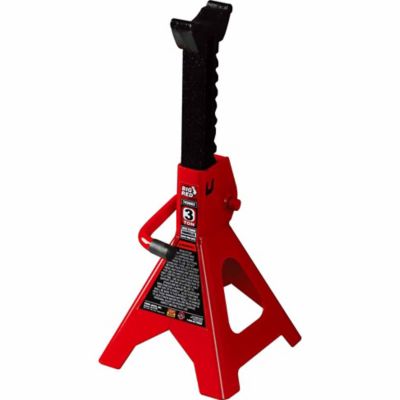
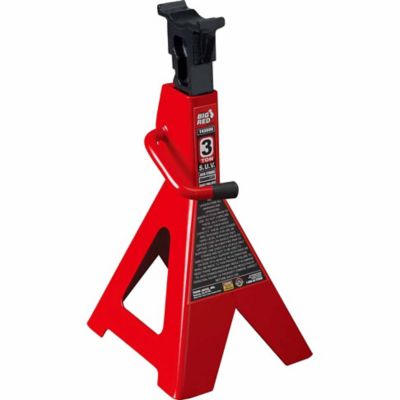
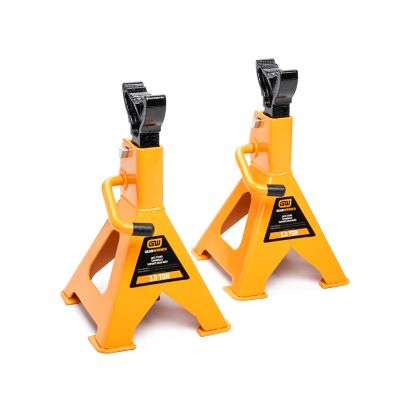
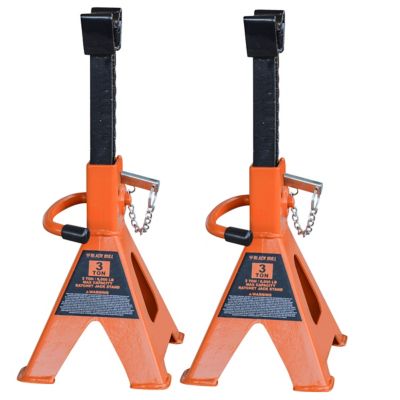
Safety belongs at the center of every truck-jack purchase and every lifting job. Park on firm, level ground whenever possible, shift into park or the proper gear, set the parking brake and shut off the engine before raising the vehicle. If you are working along a roadside, move as far from traffic as conditions allow and use warning equipment as appropriate. Chock the wheels that remain on the ground so the truck cannot roll. Find the lift points listed by the truck manufacturer, which may be located at a designated section of the frame or axle. Placing a jack under the wrong part of the body, suspension or axle can bend components, damage the truck or allow it to slip. Center the jack saddle under the lift point, keep the handle and release controls clear, and raise the vehicle slowly while watching for movement. A hydraulic jack is meant to lift, not to hold a vehicle in the air while you work underneath it. Once the truck reaches the needed height, lower it onto properly rated jack stands positioned at approved support points, then give the vehicle a careful, controlled check for stability before getting near the underside. Browse
Jack Stands for Lifted Trucks to find support equipment suited to vehicles with added clearance. Never use stacked lumber, cinder blocks, buckets or other improvised supports in place of stands. Keep hands, feet and tools away from pinch points, and never crawl beneath a truck supported only by a jack. Inspect the equipment before each use for bent frames, cracked welds, leaking hydraulic fluid, damaged wheels, worn pins or a handle that does not operate smoothly. Store hydraulic equipment out of harsh weather when possible, keep lifting surfaces clean and follow the manufacturer’s instructions for maintenance and safe operation. During the cooler months, remember that cold temperatures can affect hydraulic fluid and make wet or frozen ground less stable, so take a little extra time to check the surface and equipment before lifting.
Truck jacks are useful for people who do their own maintenance, haul livestock or equipment, travel remote back roads, work on construction sites or keep a pickup ready for long stretches away from a service shop. A rancher may use one while tending a trailer or checking a tire near the barn, while a weekend off-roader may carry a compact jack for a trail-side repair where a regular garage jack cannot reach. They can also make a thoughtful gift for a new truck owner, someone setting up a home workshop or a family member who spends long days towing, hauling and traveling rural roads. When choosing one as a gift, consider the recipient’s truck height, approximate weight, tire size and typical storage space rather than picking by appearance alone. A compact bottle jack can fit beneath a seat or behind a toolbox, while a floor jack usually needs room in a garage, shed or service trailer. Construction matters, too: steel designs can offer sturdy, hardworking performance, while corrosion-resistant finishes and protected hydraulic components may be helpful for equipment stored in a truck bed. Look for a stable base, a saddle that fits the intended lift point, a handle that gives comfortable control and wheels or a footprint suited to the surfaces where the jack will be used. Accessories such as extension components or wide base plates may improve reach and stability when they are approved for the jack and vehicle, but they do not replace a level work area or proper support stands. Before heading down a rough trail or into a remote pasture, make sure the jack, handle and any needed accessories are secured so they do not shift with every bump. A short practice session in the driveway can also make a big difference; learning where the equipment fits and how the release valve behaves is far easier before a flat tire, muddy shoulder or chilly evening turns a simple repair into a scramble. With the right capacity, lift range, storage plan and safety equipment, a truck jack can be a dependable part of a roadside kit, home shop or work-truck setup through changing weather and busy seasons.