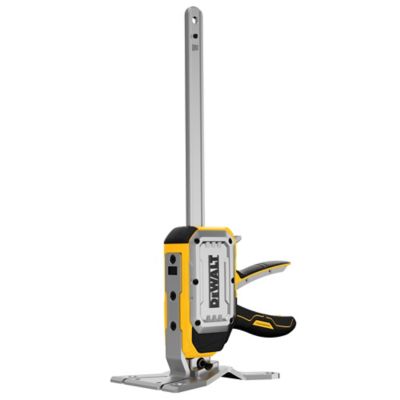
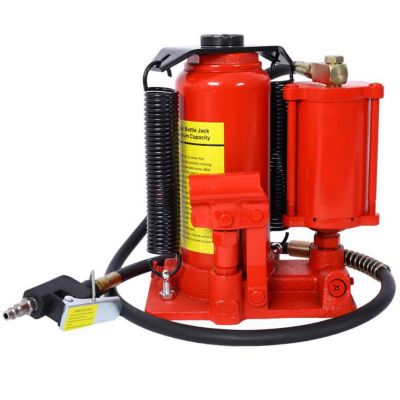
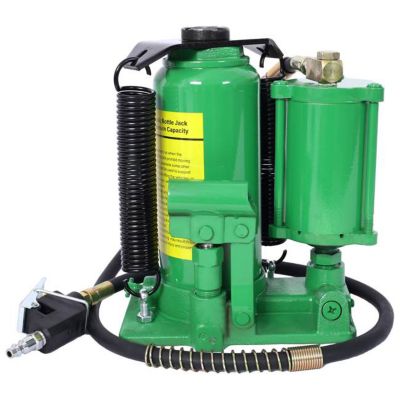
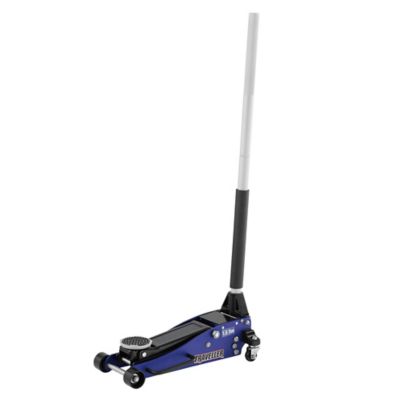
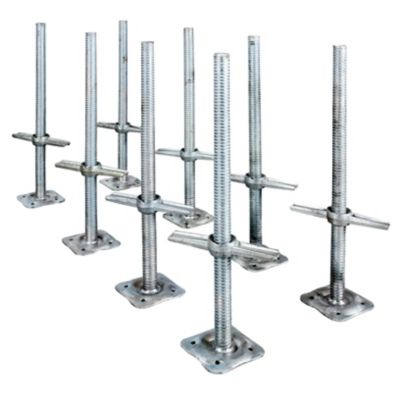
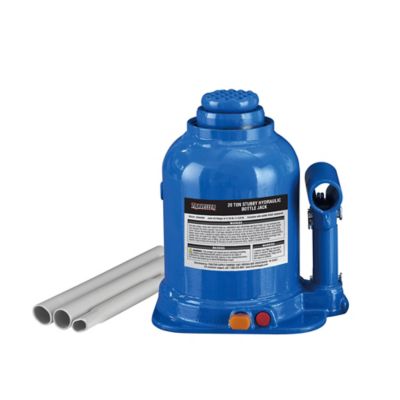
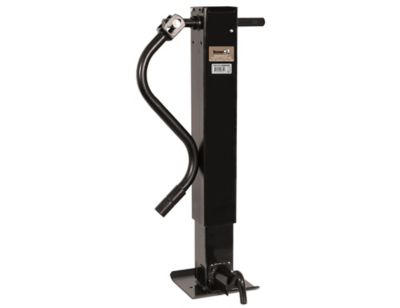
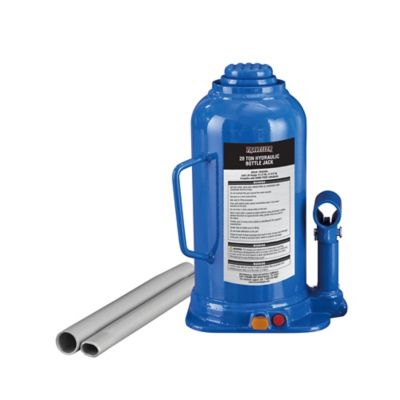
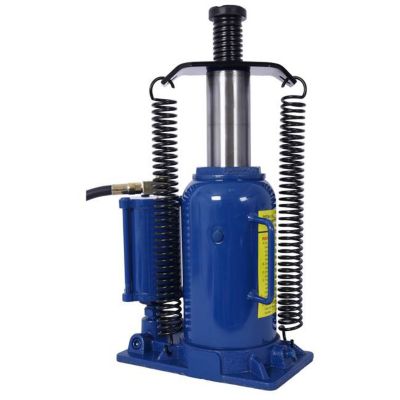
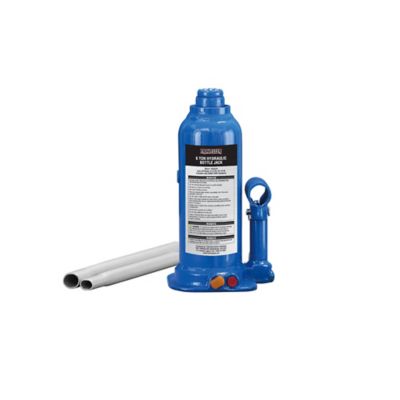
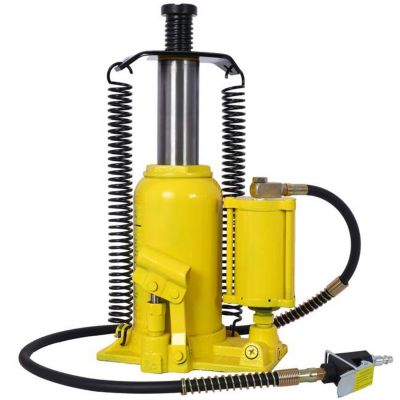
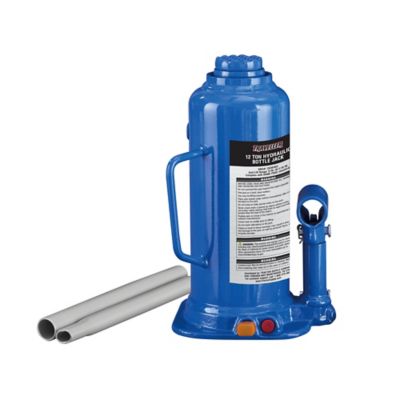
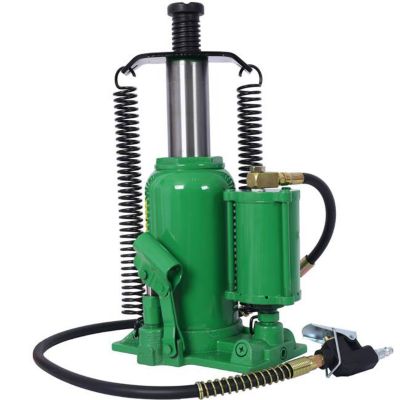
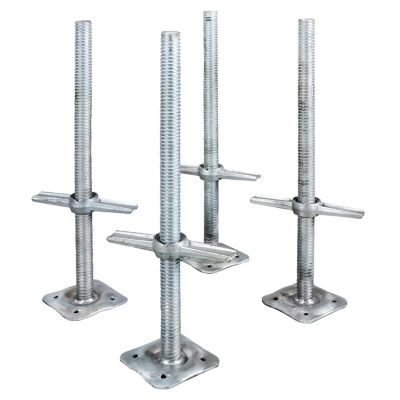
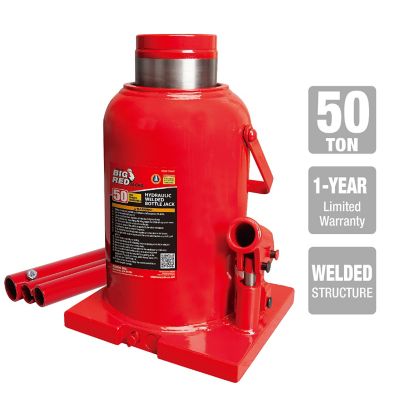
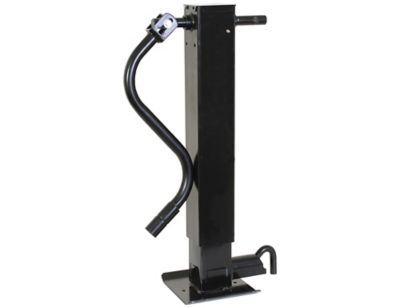
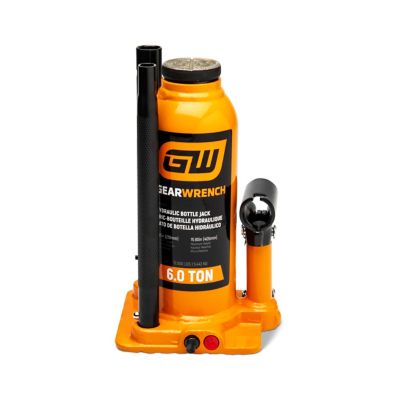
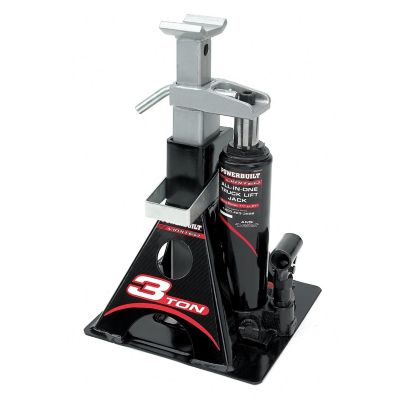
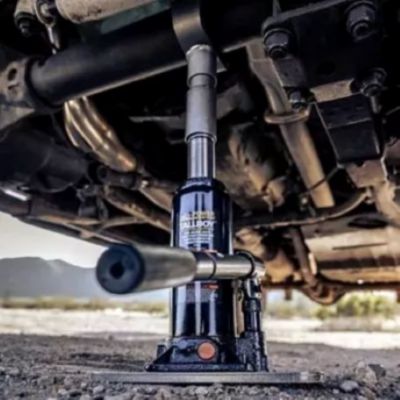
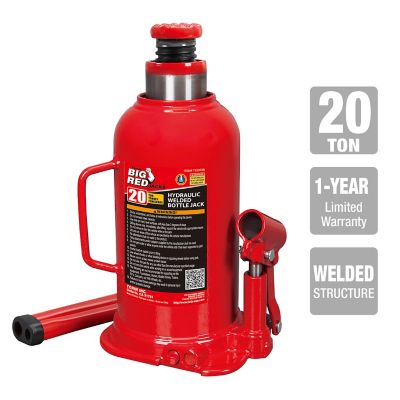
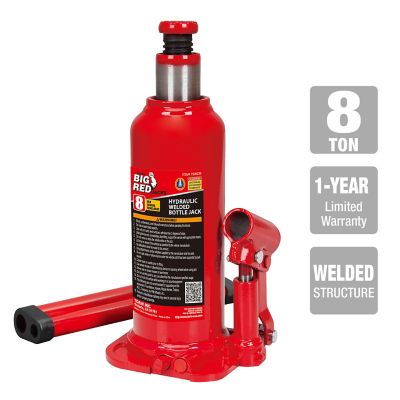
Construction jacks are mechanical or hydraulic tools designed to lift, level, or position heavy building materials, structural members, and equipment. Some designs also provide support when their manufacturer expressly rates them for that task; a lifting jack alone is not a substitute for proper load support. Around a farm shop, barn renovation, or building site, these tools help create the controlled movement needed to bring a heavy piece into its intended position. A contractor may need clearance beneath a beam, while a maintenance crew may need to align a machine with its mounting points. The work can look similar from a distance, but the right jack depends on the load, the available space, and the way force reaches the lifting point. Construction jacks include hydraulic designs that develop force through pressurized fluid and mechanical designs that move a load through a screw or another geared mechanism. That variety matters because a broad, open lifting area presents a different challenge than a tight gap beside a foundation or beneath equipment. Capacity is one part of the match, not the whole picture. The rated load must suit the application, and the base, lifting surface, operating orientation, and travel all need to fit the job. A load that sits off-center or shifts as it rises can create a tipping hazard even when its weight falls below the stated capacity. For structural work involving floors, beams, walls, or foundations, the building’s condition and load path call for professional evaluation rather than guesswork. These are practical tools for builders, farm maintenance crews, equipment installers, and property owners with the training to handle the work, but lifting and support ratings should never be treated as interchangeable. Temporary lifting, temporary support, and permanent structural support are separate applications, each with its own requirements.
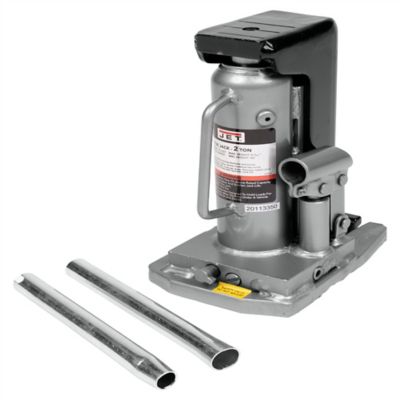
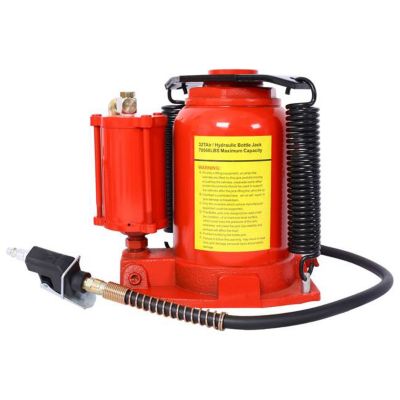
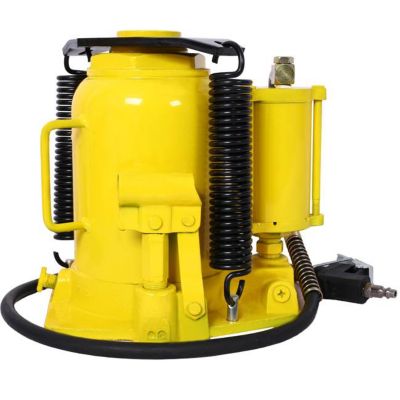
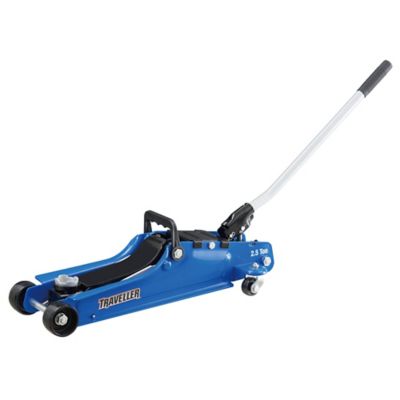
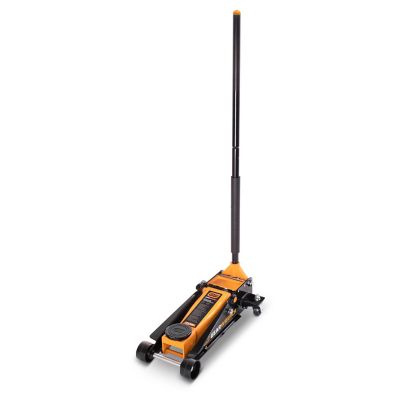
Hydraulic Jacks create lifting force through pressurized fluid, often allowing substantial loads to move with repeated strokes of a handle. Mechanical screw jacks translate turning motion into vertical movement, with adjustment characteristics that depend on the thread and overall design. Neither mechanism is automatically the better fit for every construction task. A compact hydraulic body may suit a confined work area, while a screw-operated design may suit an application that calls for gradual mechanical adjustment. Minimum height tells you whether the jack can fit beneath the designated lifting point before movement begins. Maximum height describes its upper reach, while lifting travel indicates how far the moving portion can extend. Those measurements deserve separate attention: an extension screw may change the starting height without adding hydraulic stroke. Where a low lifting toe is part of the design, its rating may differ from the rating at the top lifting surface, so the stated capacity needs to match the actual contact point. Handle clearance matters, too. A jack that fits beneath equipment may still be awkward to operate if a wall, frame rail, or neighboring machine blocks the handle’s movement. Construction materials commonly include steel load-bearing parts, with cast or fabricated components depending on the design. Substantial bases, properly formed saddles, sound threads, and protected working surfaces all contribute to how the tool handles its intended job. Painted or coated surfaces help limit corrosion, though exposed moving parts still need the care specified by the manufacturer. For hydraulic designs, the condition of seals, cylinders, and release controls affects operation; for screw designs, thread condition and prescribed lubrication matter. A lifting saddle should meet a suitable lifting point rather than press against a thin panel, rounded edge, or vulnerable equipment housing. Adapters and extensions also need explicit approval for the particular jack and application. Improvised contact pieces can change the load geometry and introduce forces the jack was never designed to carry. Taken together, these details explain why overall fit matters just as much as the number on the capacity label.
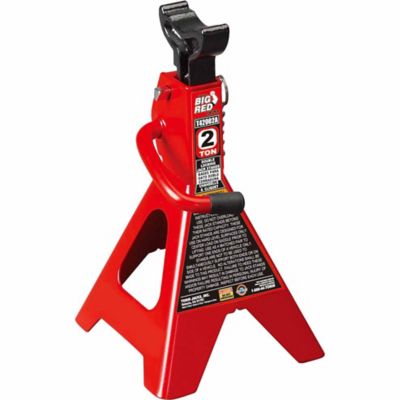
The work area has a big say in which construction jack makes sense. A firm, level bearing surface and a stable load are basic requirements, whether the job takes place on a shop floor or at a building site. A wider base can distribute force over more area, but it cannot turn weak flooring, loose fill, or an unsuitable foundation into sound footing. Support arrangements need their own attention, including appropriately rated stands, blocking, or engineered shoring for the application. No one should work beneath a load held only by a lifting jack, and structural loads may require support plans developed by a qualified professional. Where several jacks are involved, the total load cannot simply be divided by the number of jacks and assumed to fall evenly across them; load distribution can change as the structure or equipment moves. Beyond those jobsite considerations, everyday handling and care influence service life. Concrete grit, metal chips, and packed dirt can interfere with moving parts, while damaged threads, bent components, fluid leaks, or a jack that will not operate smoothly are reasons to stop and seek inspection or service. Manufacturer instructions establish the correct hydraulic fluid, lubrication points, inspection schedule, storage position, and any testing requirements. Keeping labels legible makes capacity limits and operating information easier to check before the next job. Storage that protects the jack from moisture and shop debris helps preserve exposed surfaces, and secure transport keeps a heavy tool from rolling into other equipment. Weight and carrying provisions also matter for crews moving between work areas, especially where access involves narrow doors or uneven footing. For a working farm or small construction outfit, the best match is a jack whose capacity, reach, footprint, contact surface, and maintenance needs line up with the actual task. Clear specifications and a sensible support plan matter more than simply choosing the highest lifting figure. The goal is controlled positioning with equipment suited to the load, not extra lifting power without the right fit.