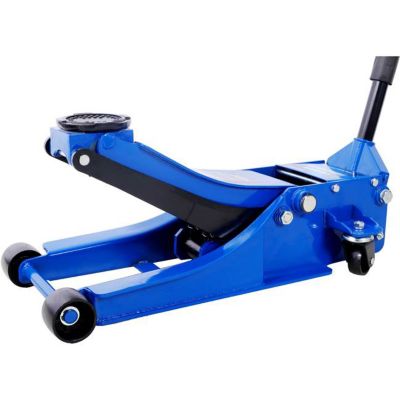
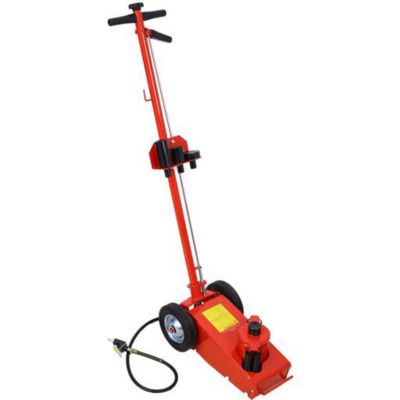
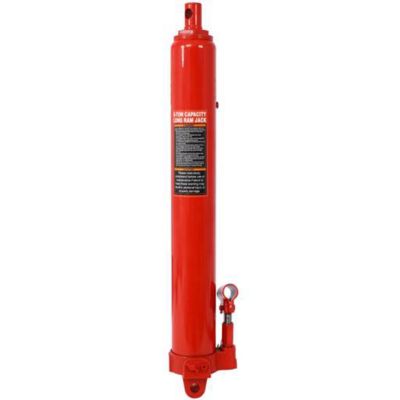
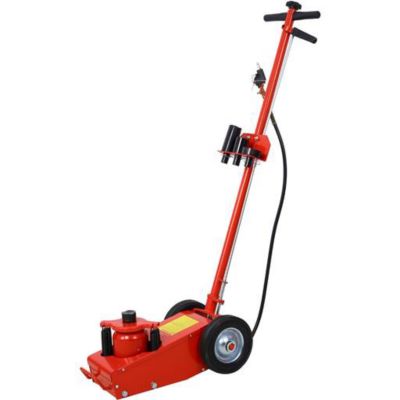
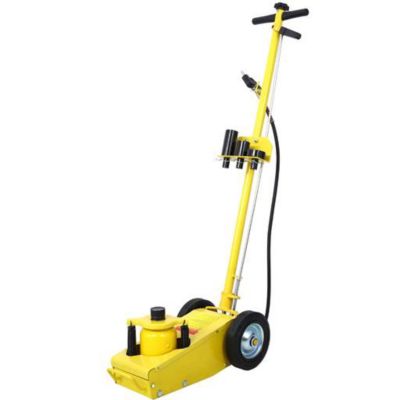
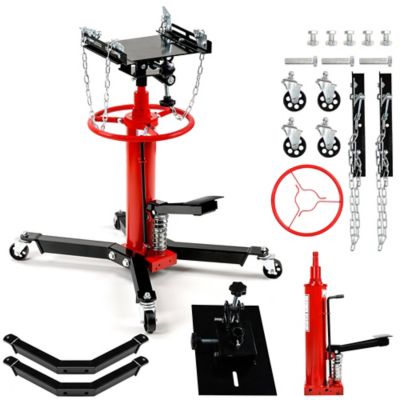
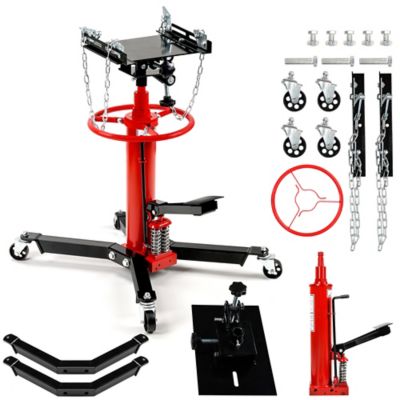
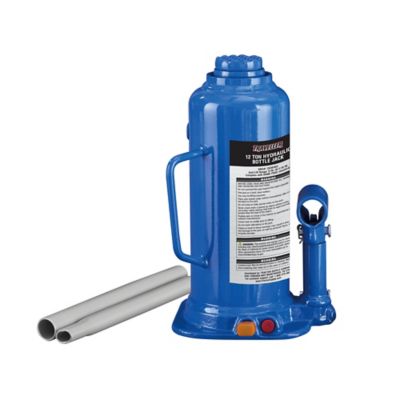
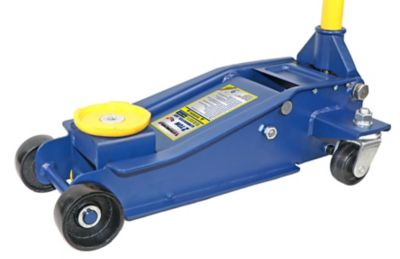
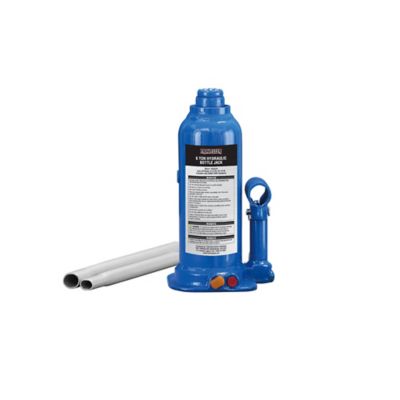
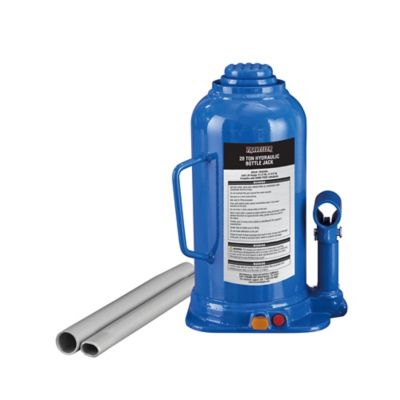
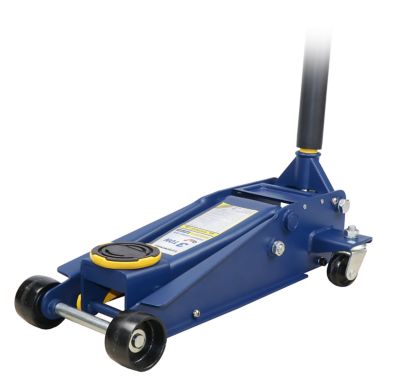
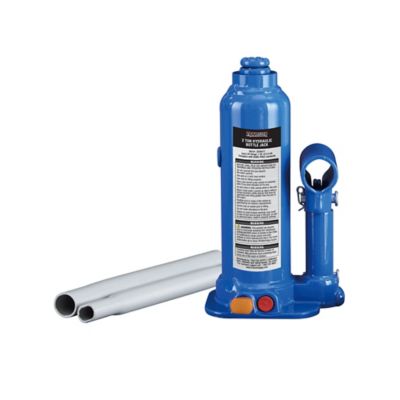
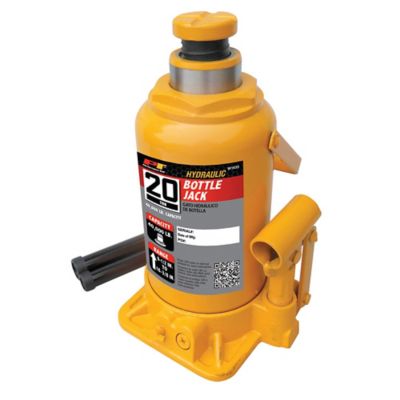
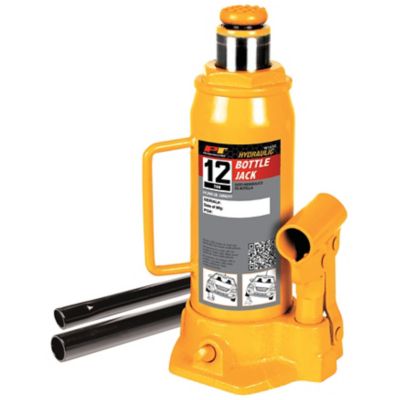
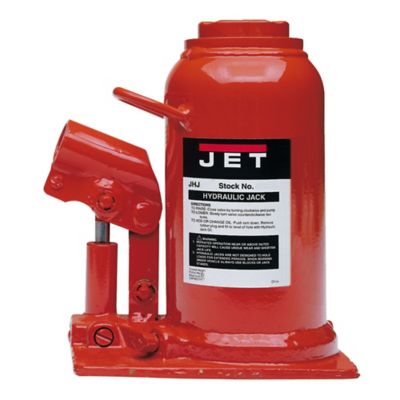
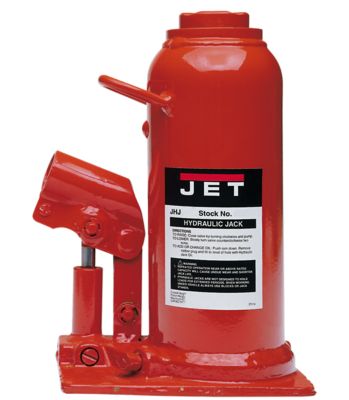
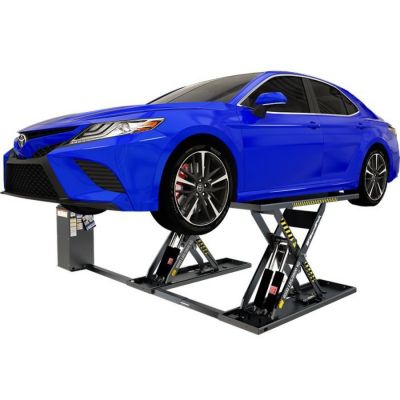
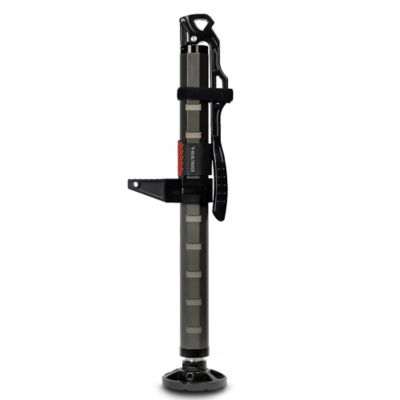
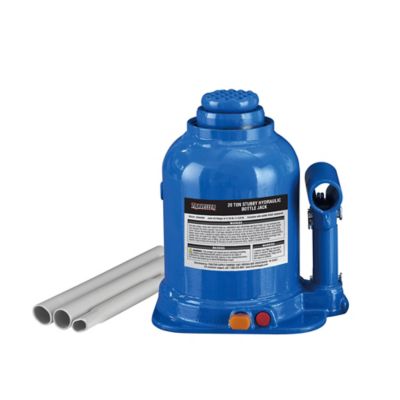
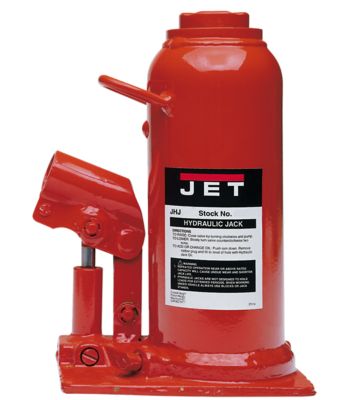
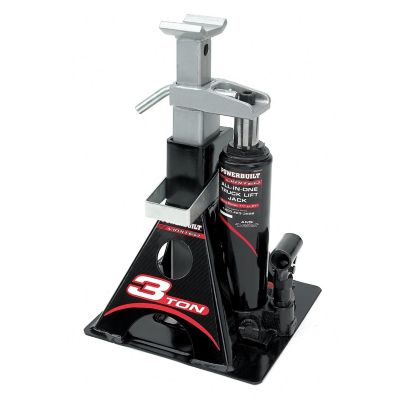
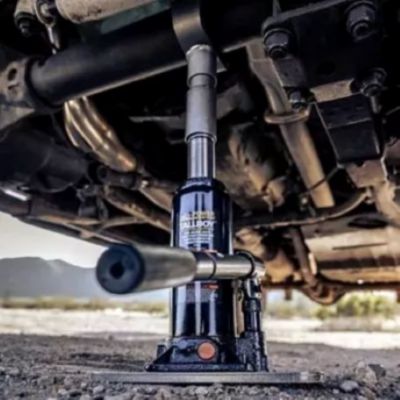
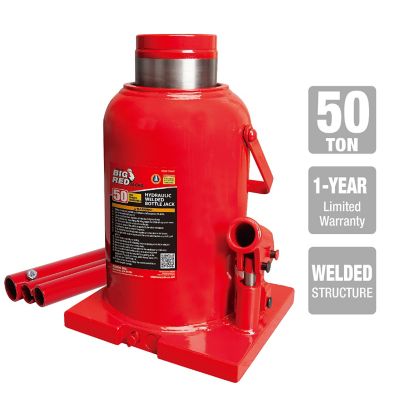
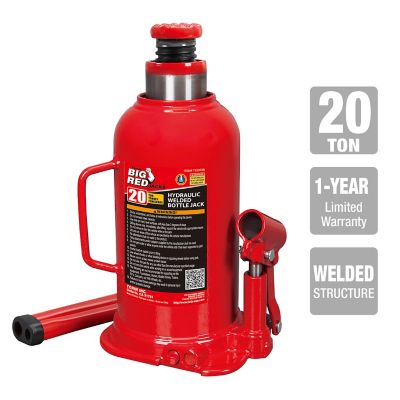
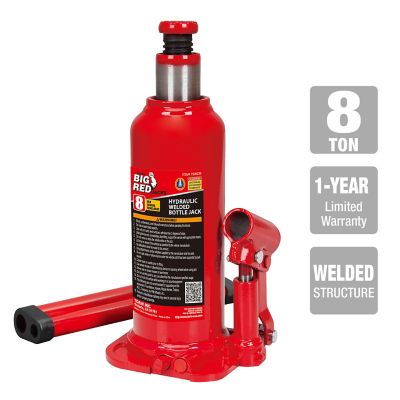
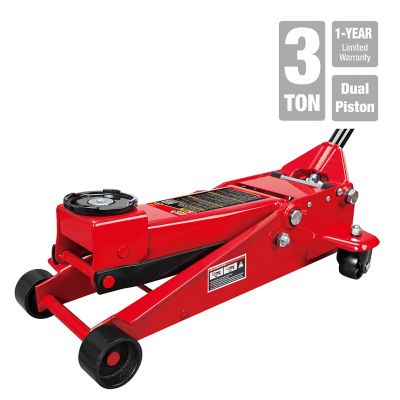
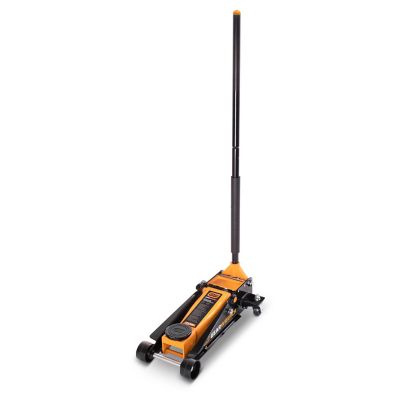
Hydraulic jacks lift heavy loads by applying pressure to fluid inside a sealed system, turning effort at a pump handle into lifting force at a saddle or ram. They work on Pascal’s law: pressure applied to a confined fluid spreads through that fluid, allowing a small pump piston to move a larger lifting piston with greater force. That makes hydraulic jacks practical tools for vehicle maintenance, equipment repairs, and other lifting jobs within the jack’s stated limits. Around a home garage, farm shop, or equipment shed, the right jack helps take the strain out of getting a load to working height. The main styles offer different advantages. A hydraulic floor jack has a low, wheeled frame and a long handle, making it a common fit for lifting cars and pickups at approved jacking points on a hard, level shop floor. A bottle jack packages its hydraulic cylinder in an upright body with a smaller footprint, which can suit equipment with enough clearance beneath the lifting point. Some bottle jacks include a screw-adjustable extension that helps close the gap between the saddle and the load before the hydraulic stroke begins. That extension does not increase the jack’s rated capacity. Low-profile floor jacks address another need: reaching beneath vehicles with limited ground clearance. Longer-reach frames can help access recessed lifting points, provided the jack’s design and the vehicle manufacturer’s instructions allow it. Hydraulic models are part of the broader range of
Mechanic Jacks suited to different service tasks. Whether the work involves a commuter car, a pickup that pulls a livestock trailer, or farm equipment with designated lifting points, the best fit starts with the load, the available clearance, and the surface underfoot. A jack that fits one task well may not fit another, even when both jobs involve roughly the same amount of weight.
Lifting capacity matters, but the number on the label tells only part of the story. Hydraulic jack ratings commonly appear in tons, and the selected capacity must meet the requirements for the intended lift without exceeding any manufacturer limits. Vehicle weight, weight distribution, attachments, and cargo can all affect the load at a lifting point. A pickup with equipment in the bed presents a different situation from the same truck empty, so a familiar vehicle is no reason to guess. Minimum saddle height determines whether a jack can slide beneath the approved lifting point, while maximum height determines whether it can raise that point far enough for the planned task and proper support placement. Hydraulic stroke and any permitted extension adjustment also affect the working range. Frame length, handle movement, and the room needed to position the jack become especially noticeable in a tight garage bay or beside a wide tractor tire. A long handle offers leverage, but it still needs space to move through its pumping arc. Saddle shape and contact area matter, too, because lifting force needs to meet the load where the equipment manufacturer intends. Only manufacturer-approved adapters belong between the saddle and the lifting point; loose blocks and improvised spacers can shift. Wheeled floor jacks generally need room to roll slightly as their lifting arms rise, helping the saddle follow the lifting point rather than pulling sideways against it. Bottle jacks need a stable footing and the operating orientation specified for that model. Neither style belongs on loose gravel, soft dirt, or an uneven surface unless an approved setup specifically addresses those conditions. Hydraulic jacks lift loads; they are not substitutes for stands or other approved supports. Any work beneath raised equipment requires correctly rated supports at approved locations, along with the vehicle or equipment manufacturer’s procedures for securing the load. Wheel chocks and proper parking precautions also belong in the setup where specified.
Construction and care play a big part in how a hydraulic jack holds up through repeated shop work. Steel frames and cast components are common, while some floor jacks incorporate aluminum to reduce carrying weight. A heavier frame can be manageable when the jack stays near a service bay, but carrying equipment from the garage to a work truck makes overall weight and handle placement more important. Frame rigidity, sound welds, stable bases, and smooth-moving linkages all contribute to controlled operation. Floor-jack wheels and casters need to move freely on the intended surface, and the saddle should sit securely at its contact point. Hydraulic seals keep fluid where it belongs, so leaks, a ram that settles under load, or uneven lifting action deserve attention before the next job. A jack that will not lift or hold as specified needs inspection and service according to its manual, not another turn at a heavier load. Care also includes checking hydraulic fluid as directed and adding only the fluid type specified by the manufacturer. Brake fluid, motor oil, and other substitutes can damage seals or interfere with operation. Dirt around a filler opening can enter the system during maintenance, while grit on an exposed ram can wear sealing surfaces. Wiping the jack down, keeping moving joints lubricated as instructed, and storing it in the recommended position help protect the working parts between tasks. Many manufacturers call for storage with the ram fully lowered, though the instructions for the particular jack should settle that detail. Any air-purging procedure, fluid change, or repair should follow those same directions, and the overload valve should never be adjusted to chase extra lifting capacity. For a farmer maintaining equipment, a mechanic handling regular service, or a truck owner tackling repairs at home, the most useful hydraulic jack is one that matches the actual work. Appropriate capacity, practical reach, steady placement, and straightforward upkeep matter far more than choosing by size alone.