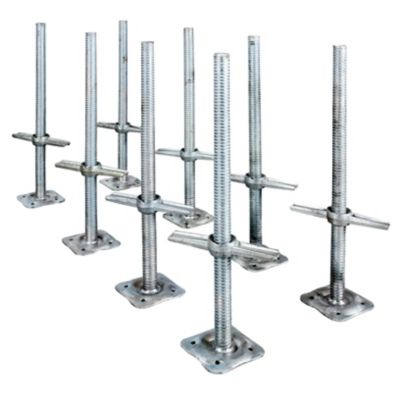
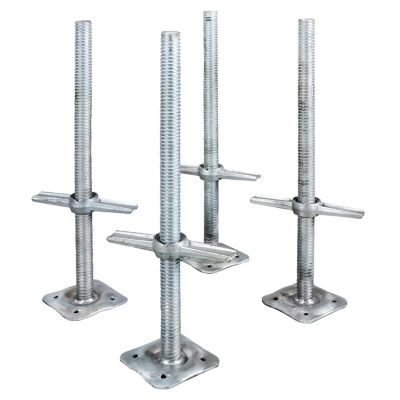
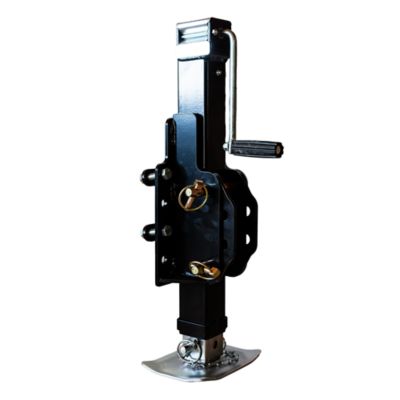
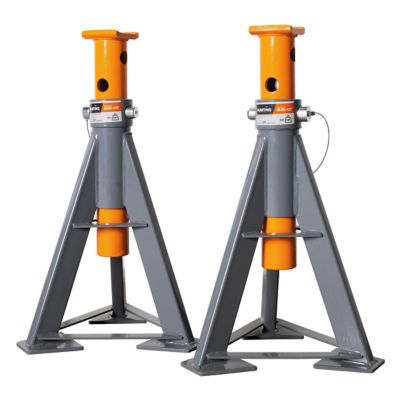
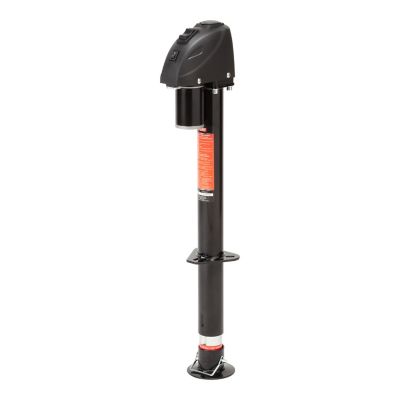
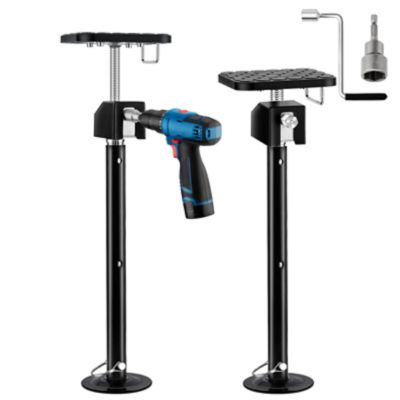
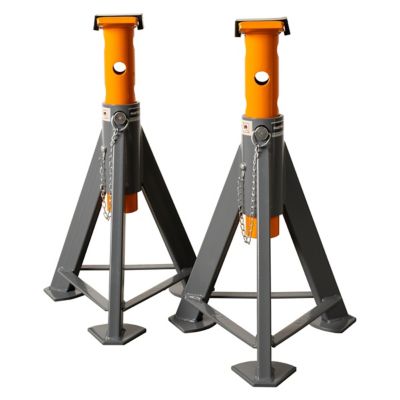
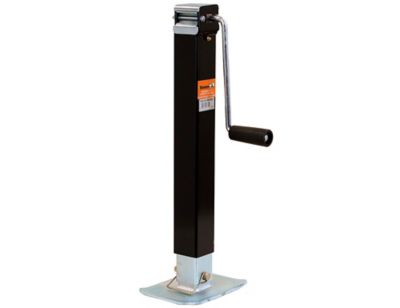
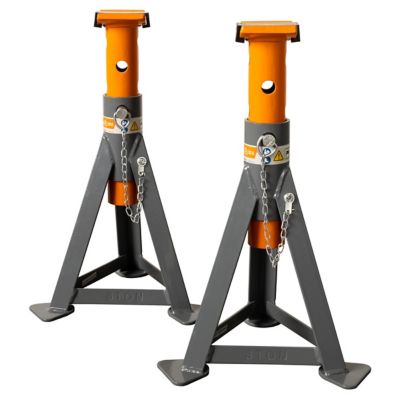
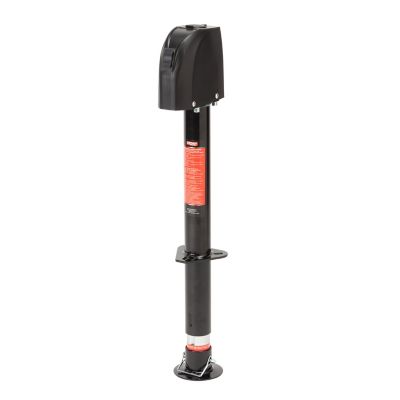
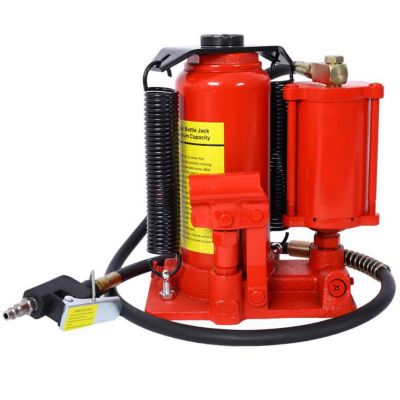
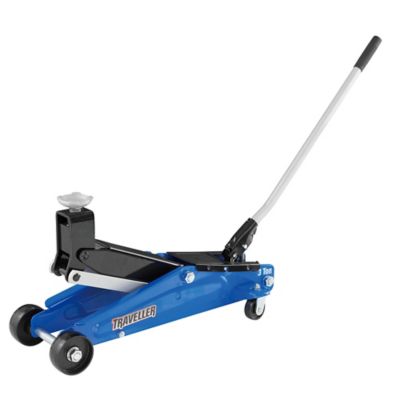
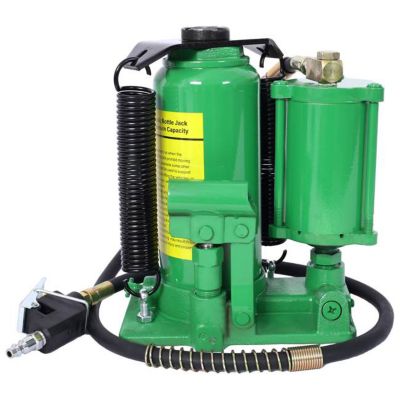
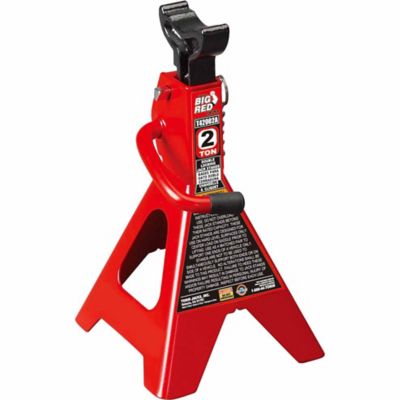
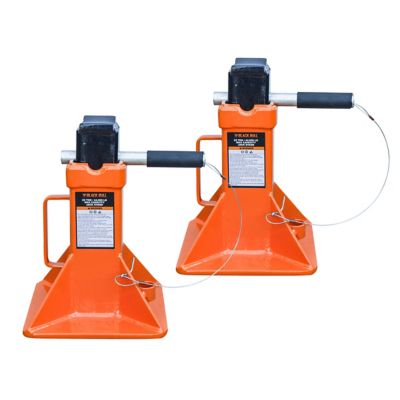
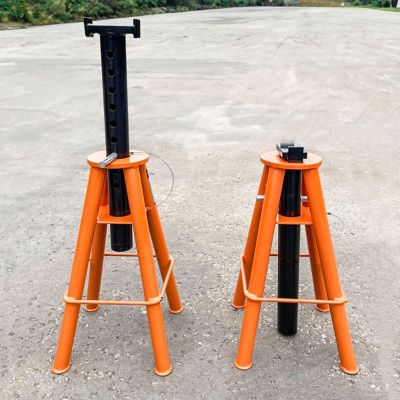
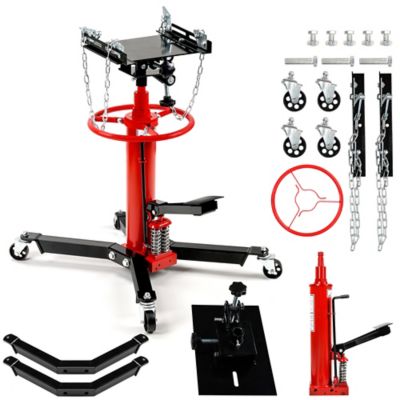
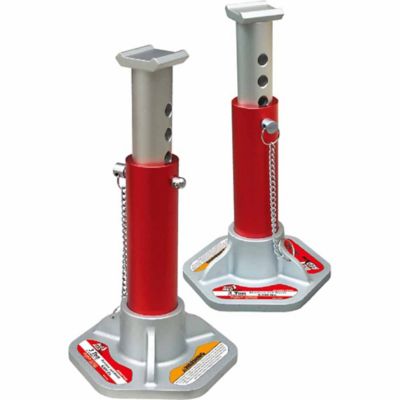
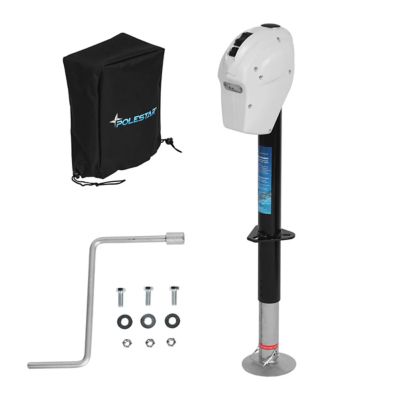
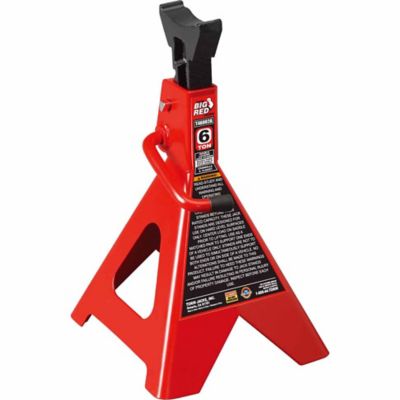
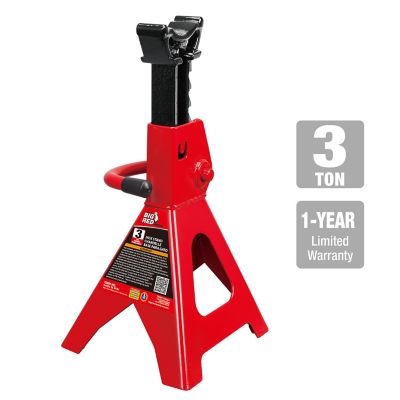
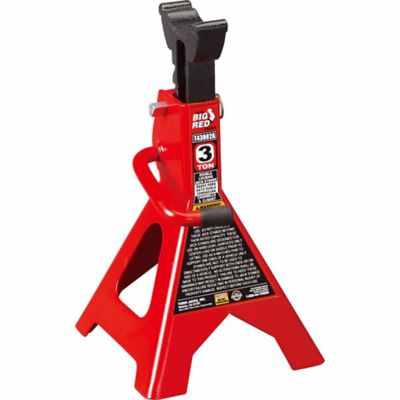
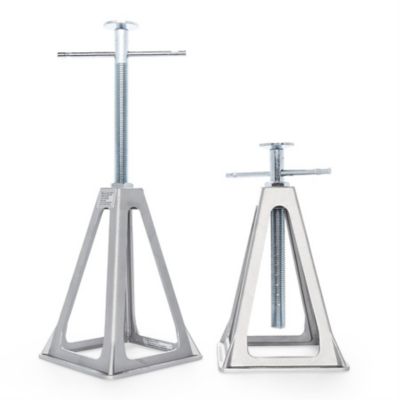
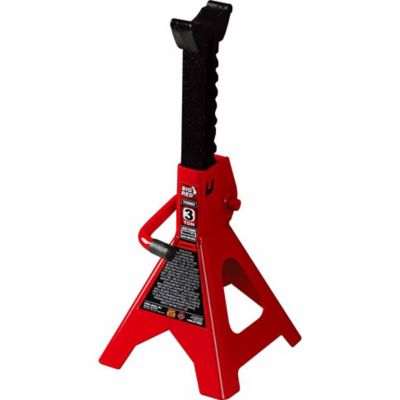
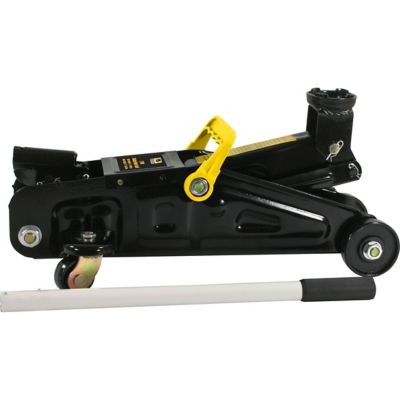
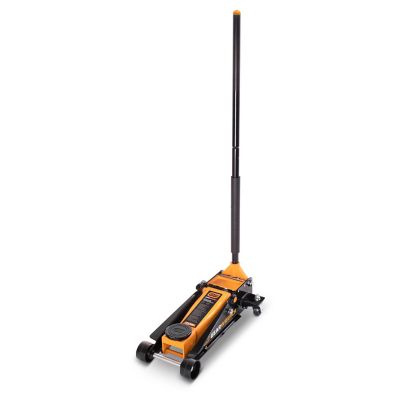
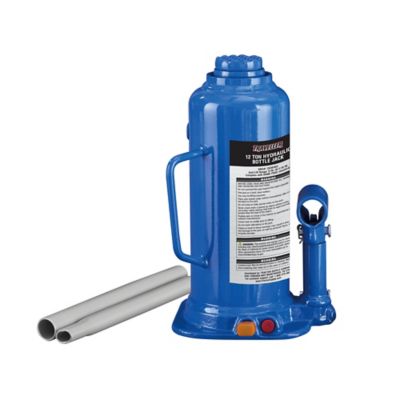
Adjustable jacks are height-adjustable supports that can provide temporary or secondary support beneath beams, floors, and other building members when properly selected and installed. In structural applications, they commonly have steel posts with telescoping sections, threaded adjustment mechanisms, or both, allowing the support height to match the space between a suitable base and the member above. Often called jack posts or screw jacks, these supports serve a different purpose from the rolling hydraulic floor jacks found in an automotive shop. Some are rated for lifting within stated limits, while others are designed to hold a load rather than raise it. That distinction matters when comparing adjustable jacks for basement beams, crawl spaces, remodeling work, and building repairs. A contractor opening up a floor for repairs may need temporary support beneath a beam, while a property owner planning work in an older farmhouse may need an engineered support arrangement before damaged framing can be addressed. Similar needs can arise in workshops, outbuildings, and other structures where access is tight and the distance from the base to the framing varies. The appeal is straightforward: an adjustable support can fit a measured opening without relying on improvised stacks of loose material. Still, a jack is only one part of the support system. The beam, connections, footing, and ground beneath the footing all affect how a load reaches the foundation. A sagging floor can point to damaged wood, an undersized beam, settling, or another underlying problem that a support alone will not solve. For structural work, a qualified building professional or structural engineer can determine the cause, required support, and whether temporary or permanent equipment is appropriate. An adjustable jack rated only for temporary service should not be treated as a permanent building column, even when its height seems like a good match.
Steel construction is common because these jacks must carry substantial compressive loads within their stated ratings. Depending on the design, a support may have nested steel tubes, a threaded screw, a broad base plate, and a top plate that bears against the supported member. Welded connections, tube dimensions, thread design, and plate construction all play a part in how the assembly performs, but appearance alone does not establish capacity. The manufacturer's load rating and installation requirements are the deciding references. Height range deserves just as much attention as the headline capacity. A jack has a minimum and maximum working height, and its rated capacity may change as it extends. A tall opening beneath a barn beam and a low crawl space beneath a house can require very different configurations, even when the expected loads are similar. The useful measurement is the full distance between the approved bearing surfaces, with the required plates or other specified components accounted for. A little extra reach is not the same as a better fit if it puts a support near or beyond its operating limits. Coarse telescoping adjustments and finer screw adjustments can offer different ways to match that distance, while locking pins, collars, or other retaining features vary by design. Those parts need to match the manufacturer's specifications rather than an improvised substitute from the shop. Top and bottom plate dimensions also matter because the support needs suitable contact above and below; a wider plate does not automatically make weak framing or soft ground suitable. Compatibility with the intended beam, footing, anchoring arrangement, and any required bracing belongs in the same conversation as height and capacity. Within the broader
Construction Jacks category, adjustable supports fill a practical role where a planned support system calls for a height that fixed-length equipment cannot match. Comparing those details helps separate a support that fits the space from one that actually fits the job.
Care and handling make a difference over the working life of adjustable jacks, especially around sawdust, masonry debris, and the everyday grit of a building site. Threads and moving sections need to remain free of buildup that can interfere with adjustment, and any lubrication should follow the manufacturer's directions. Protective finishes can help limit corrosion, but scraped coatings, rust, bent tubes, cracked welds, distorted plates, and damaged threads all deserve attention before the equipment carries a load. A jack that has been overloaded, struck, or altered needs evaluation according to the manufacturer's requirements rather than another turn of the handle and a guess. Keeping pins, nuts, and other specified components together also helps prevent mismatched parts from finding their way into the assembly. Between jobs, a clean, dry storage spot and protection from impacts can help preserve the threads, finish, and moving parts. For builders, maintenance crews, and hands-on property owners, practical details such as carrying weight, adjustment access, and room around the support can matter nearly as much as the dimensions on paper. Beneath a low beam, there may be little room to reach an adjustment point; along a narrow work area, a projecting handle or base can interfere with access. Those considerations belong in the project plan without taking priority over load requirements or safe placement. Adjustable jacks are not substitutes for vehicle stands, scaffold supports, or other equipment unless the manufacturer expressly rates them for that application. They also should not be assumed to resist sideways forces simply because they can carry a vertical load. Work beneath or near a supported structure calls for a professionally planned arrangement, secure positioning, and compliance with applicable building requirements. Whether the setting is a farmhouse basement, a shop renovation, or a framing repair, the right adjustable support is defined by its intended use, rated working range, and fit within the complete support system—not just how far its screw can travel.