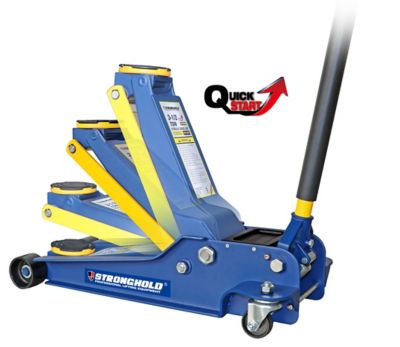
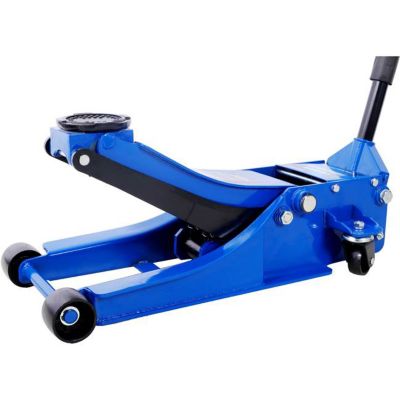
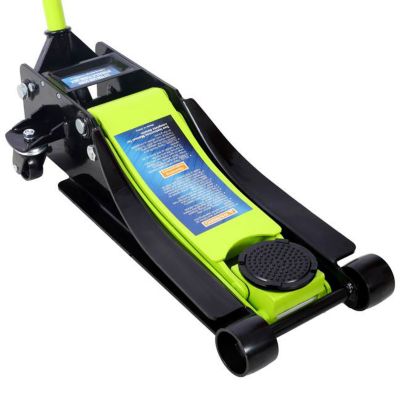
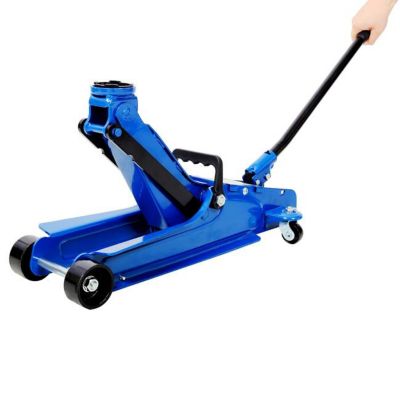
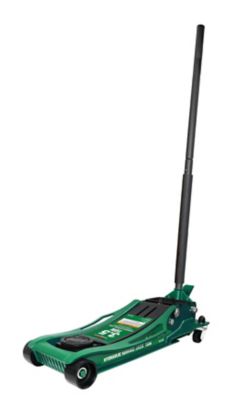
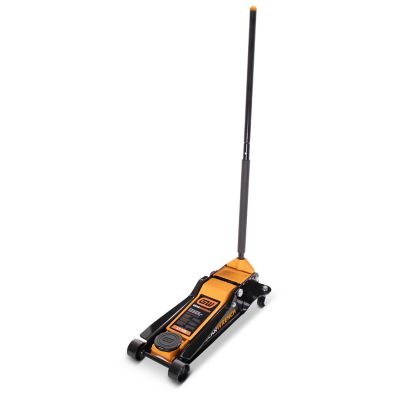
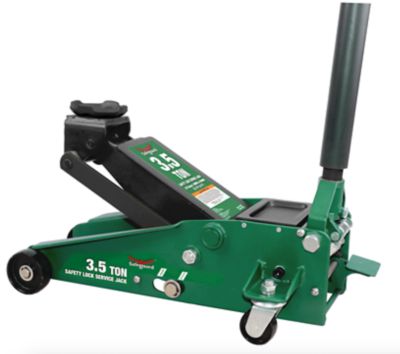
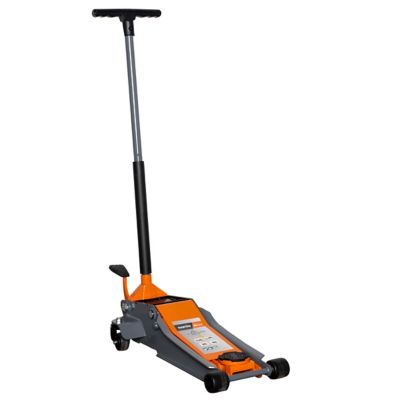
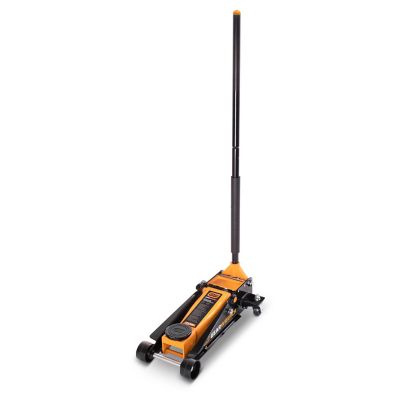
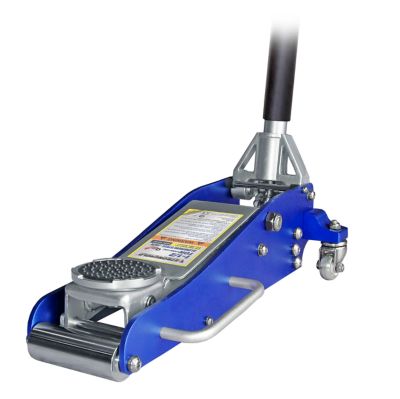
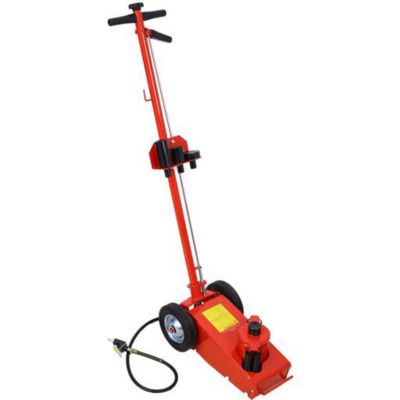
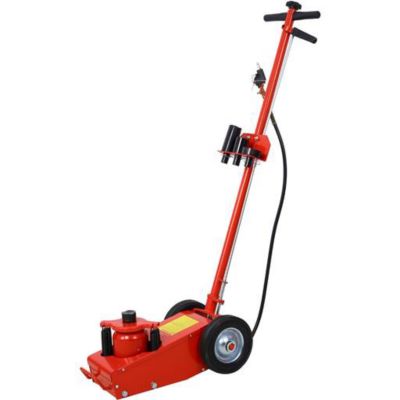
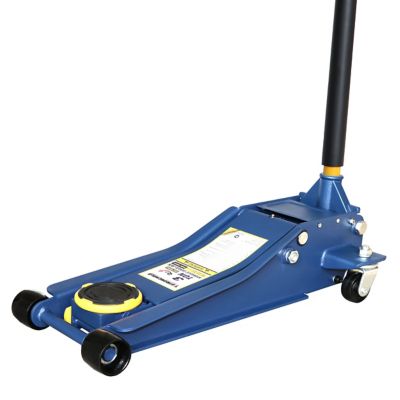
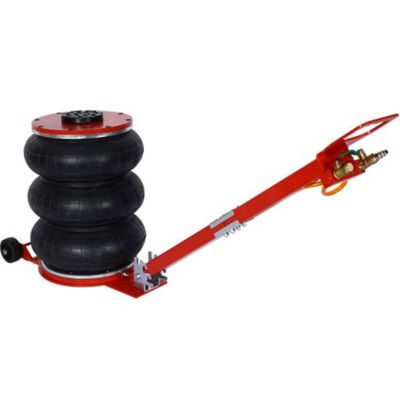
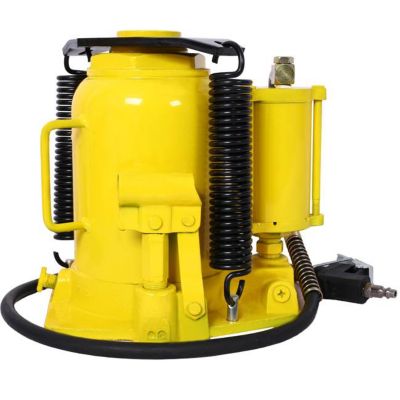
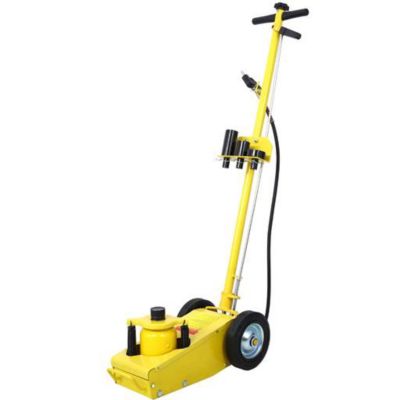
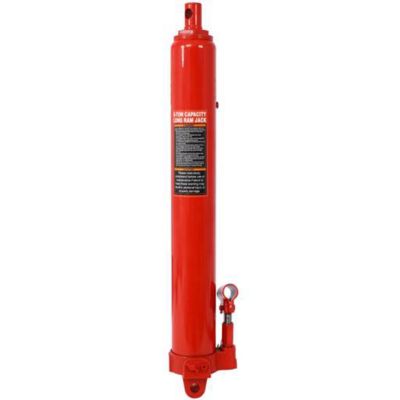
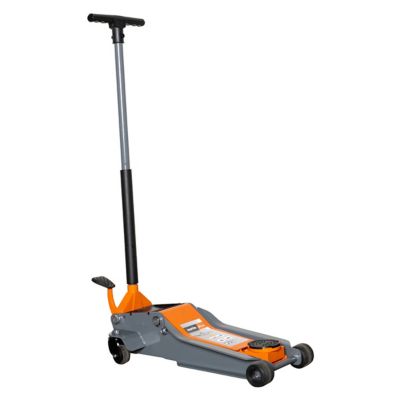
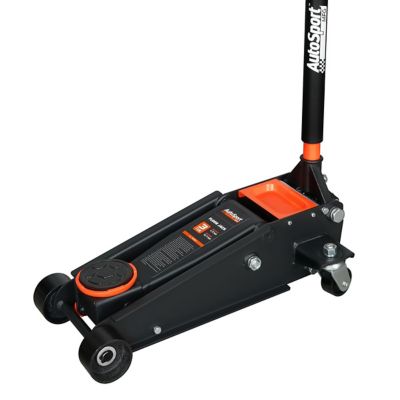
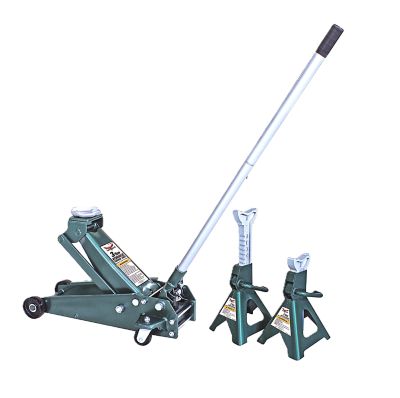
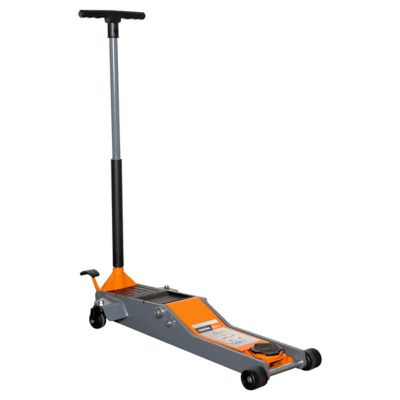
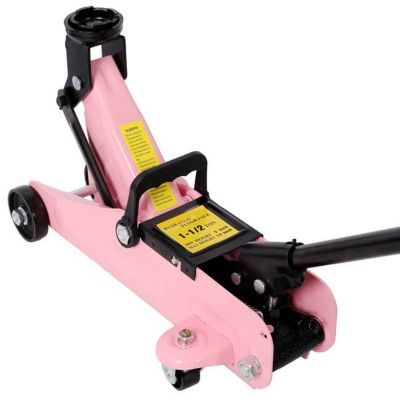
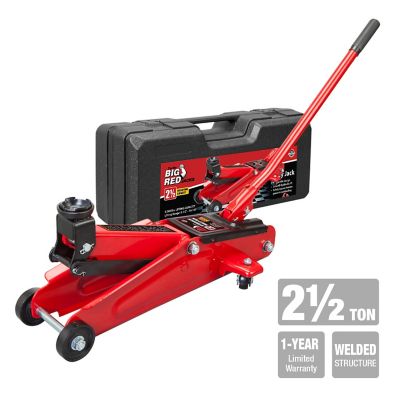
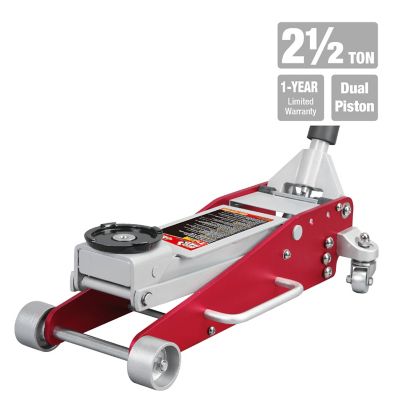
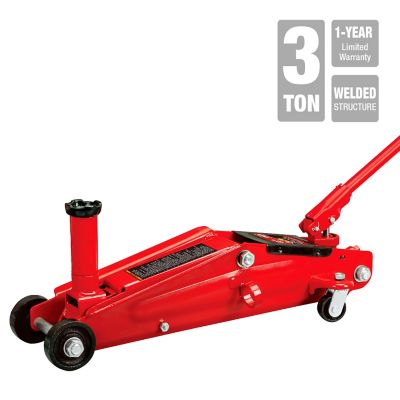
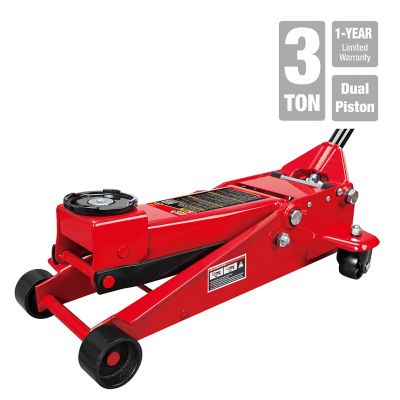
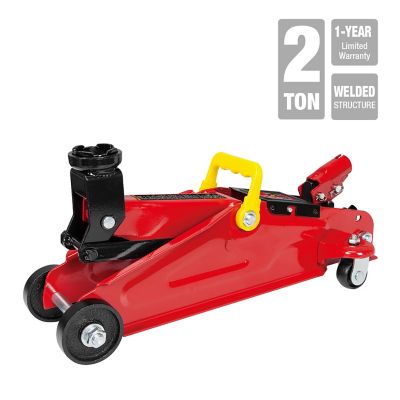
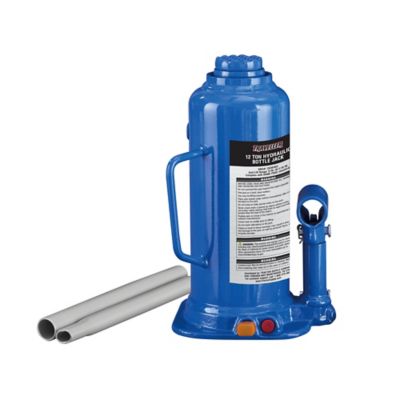
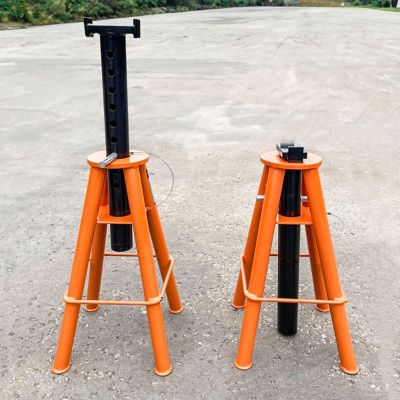
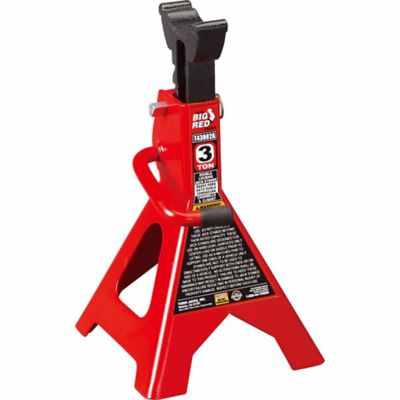
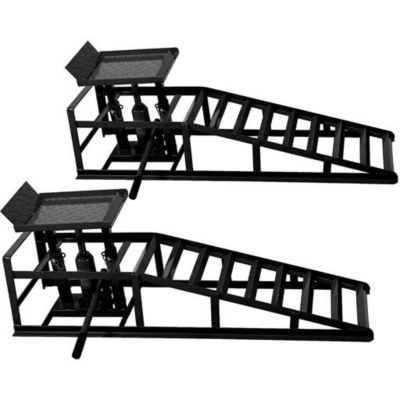
Mechanic jacks are lifting tools that raise vehicles at approved lifting points for tire changes, inspections, maintenance, and repairs. They provide temporary lift rather than a substitute for properly rated jack stands or other support specified by the vehicle manufacturer. In a home garage, farm shop, or repair bay, the right jack helps make room for work around wheels, brakes, and other service areas. Different designs suit different jobs: a hydraulic floor jack rolls beneath a vehicle and lifts through a long handle, while a bottle jack packs a hydraulic lifting mechanism into a more upright shape. A scissor jack relies on a screw-driven mechanism and is often associated with vehicle-specific roadside tire changes. Each style has its own clearance needs, lifting range, and operating requirements, so matching the design to the vehicle matters more than choosing by appearance. Someone maintaining a daily driver may need a jack that reaches beneath a low lifting point, while a pickup owner may need more height before the saddle even meets the frame. A shop handling several vehicles may place more importance on maneuverability, reach, and repeated lifting. Rated capacity belongs near the top of any comparison, but the number on the label is only part of the picture. Vehicle weight, the approved lifting method, and any limits in the jack and vehicle manuals all matter. A jack should never be pushed beyond its rating, and a vehicle’s size alone does not tell the whole story. Loaded cargo, added equipment, and changes to the suspension can affect the lifting setup. For folks who handle their own maintenance, a well-matched mechanic jack earns its place beside the other shop tools by fitting the work that actually comes through the door. That might mean routine wheel service on a family car, checking a pickup before a long haul, or helping keep a farm’s road-going vehicles ready for another day of chores.
Fit involves more than whether a jack can slide underneath a bumper. Minimum saddle height determines whether it can reach an approved lifting point with the vehicle resting on the ground, and a flat tire can leave less clearance than expected. Maximum lift height determines how far the vehicle can rise, but suspension travel may mean the body moves a fair distance before a tire clears the floor. The jack’s overall length, lifting-arm reach, handle movement, and saddle shape also affect compatibility. A low front end, a recessed lifting point, or a crowded garage can make those details especially important. For pickups and other vehicles with higher lifting points, the
Truck Jacks category provides a related place to narrow the search, with vehicle compatibility and rated capacity still guiding the choice. Steel construction often brings substantial weight and a solid feel, while aluminum construction can reduce carrying weight; some designs combine both materials. Neither material replaces the need to check the stated rating and intended application. Broad frames, sound welds, and well-fitted moving parts are worth attention, along with wheels and casters that suit the work area. On a rolling floor jack, those wheels allow the jack to move as the lifting arm changes position. Rough, broken, sloped, or soft surfaces can interfere with safe operation, which is why manufacturer requirements for a hard, level supporting surface matter. A wide saddle can offer a different contact area than a small one, but contact still has to match the vehicle’s approved lift point. Pads and adapters must be approved for the particular equipment and application rather than improvised from loose blocks or scrap. Handle length also affects everyday comfort: a longer handle may provide leverage and reach, yet it needs enough room to move. These are practical differences when a workbench sits close to the front bumper or a second vehicle shares the bay. The best fit brings together lifting capacity, clearance, reach, and usable workspace without forcing an awkward setup.
Care and storage help keep a mechanic jack ready for the next job. Shop dust, grit, leaking vehicle fluids, and metal shavings can collect around wheels, pivots, and lifting surfaces, making regular cleaning and inspection worthwhile. Hydraulic designs also depend on seals, valves, and the correct fluid, with service handled according to the manufacturer’s directions. Fluid leaks, a bent frame, cracked parts, unexpected lowering, or unusual operation are reasons to stop using the jack and have the problem addressed before another lift. A jack that struggles to raise a load is not an invitation to add a longer pipe to the handle or keep pumping harder. Clear rating labels and readable operating instructions matter, too, especially in a shared shop where more than one person reaches for the same equipment. Storage with the lifting mechanism lowered, as directed by the manufacturer, helps keep the jack out of the way and protects exposed components. A designated spot away from traffic also reduces the chance of a handle becoming a trip hazard or a caster getting struck by moving equipment. For anyone building out a garage, the jack belongs in a lifting setup that includes suitable vehicle supports and wheel chocks, not as a stand-alone answer to every repair. No part of the body should go beneath a vehicle supported only by a jack. Even a quick look underneath calls for the correct support and the precautions specified for that vehicle. Roadside lifting brings additional limits, including traffic, ground conditions, and the requirements of the vehicle’s supplied equipment; an unsafe location calls for roadside assistance rather than forcing the job. Experienced mechanics, pickup owners, and hands-on vehicle owners all benefit from equipment that matches their vehicles and workspace. As a practical gift, a mechanic jack makes the most sense when the recipient’s lifting requirements are known. Capacity, fit, handling weight, and care requirements give shoppers a useful basis for choosing equipment that belongs in the shop and suits the work ahead.