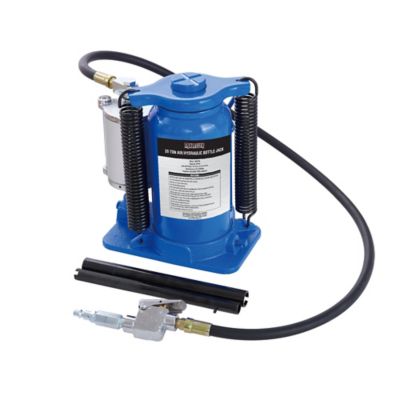
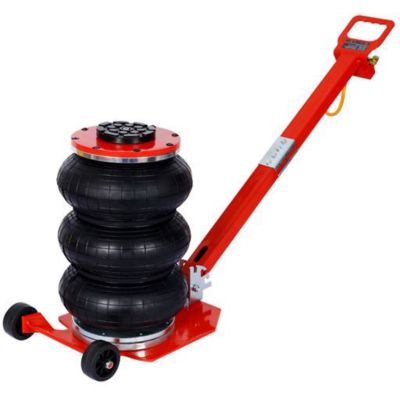
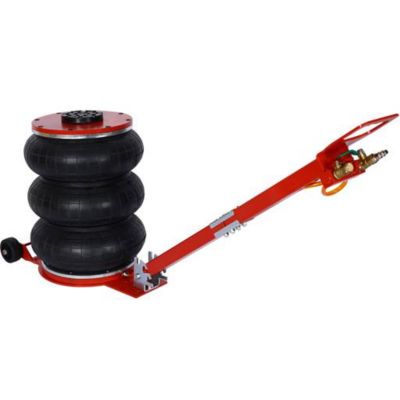
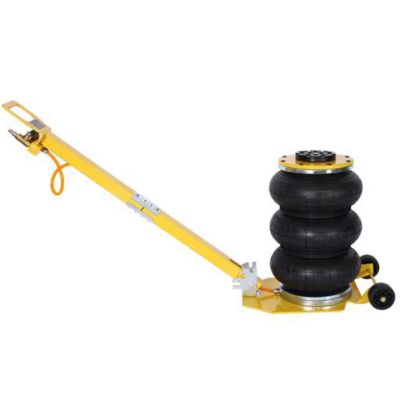
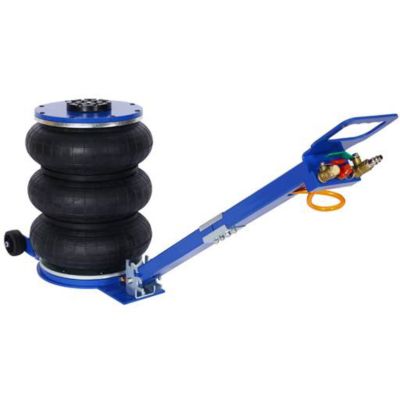
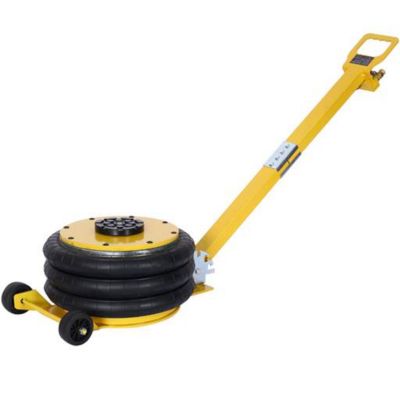
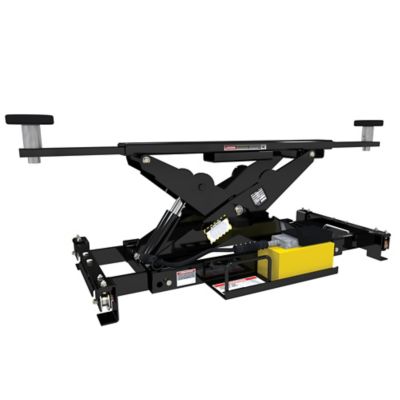
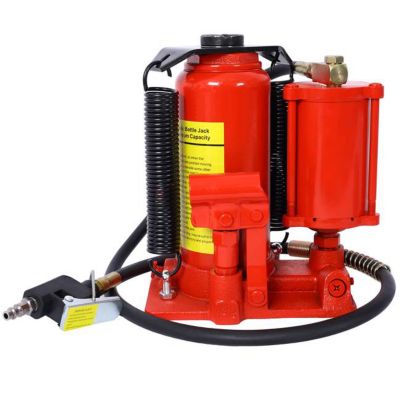
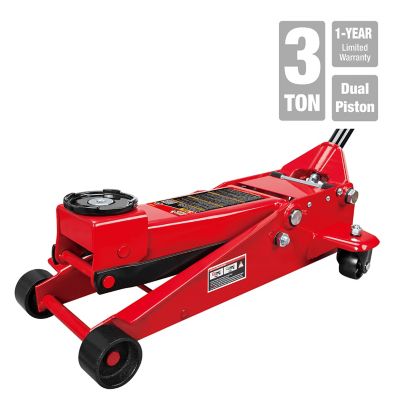
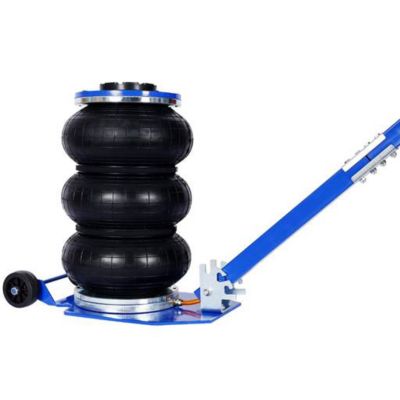
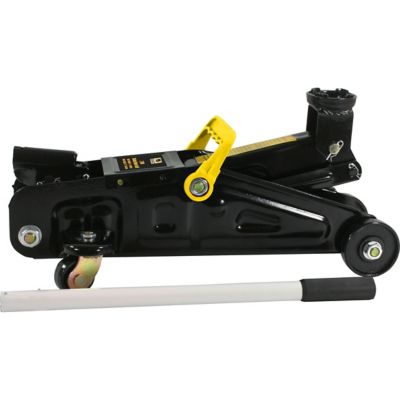
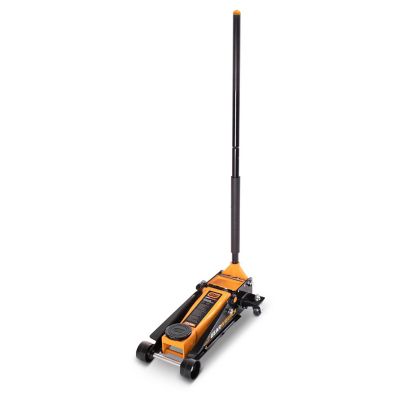
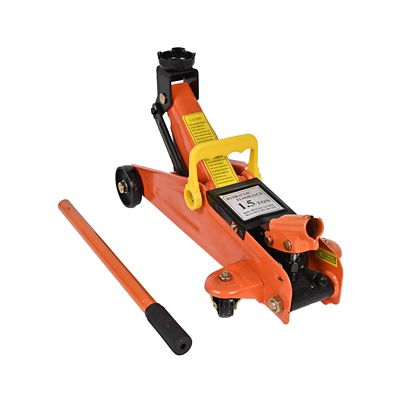
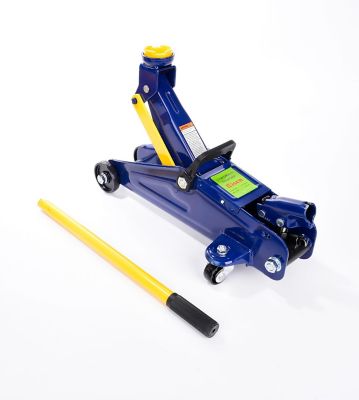
Pneumatic jacks, also called air bag jacks, use compressed air to lift vehicles and other heavy equipment instead of relying on a hand-operated hydraulic pump. That makes them a handy choice for farm shops, garages, tire service areas, roadside work and anyone who regularly works around cars, SUVs, light trucks, trailers or equipment. A typical air jack connects to a standard air compressor and raises its lifting bags quickly, often getting a vehicle up in just a few seconds when the compressor and air supply are properly matched. Many models are built with a long handle and small rolling wheels, so you can guide the jack into position without crawling as far under a vehicle or wrestling with a heavy floor jack. Three-ton models are commonly suited to vehicles weighing up to about 6,600 pounds, while larger-capacity options may be a better fit for heavier trucks and equipment. Before choosing one, look at the vehicle’s curb weight or the equipment manufacturer’s specifications rather than guessing from appearance. A big pickup may look similar to a smaller truck but still require more lifting capacity, and the jack’s rated capacity must always exceed the load being lifted. Pay close attention to both the minimum and maximum lift height, too. The lowest height needs to fit beneath the vehicle’s approved lift points, especially when a tire is flat or the vehicle is sitting on a rough driveway. The maximum height should provide enough room to place certified jack stands at the proper support points. If you work with several kinds of vehicles, measure the clearance on each one and choose a jack that can handle the full range. Construction jobs and repair crews may also compare pneumatic lifting equipment with other options through
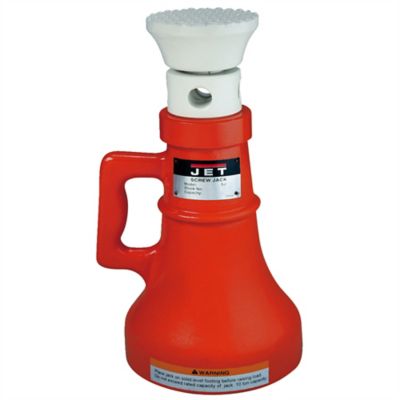
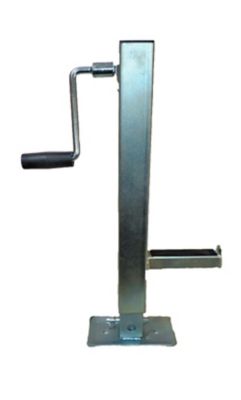
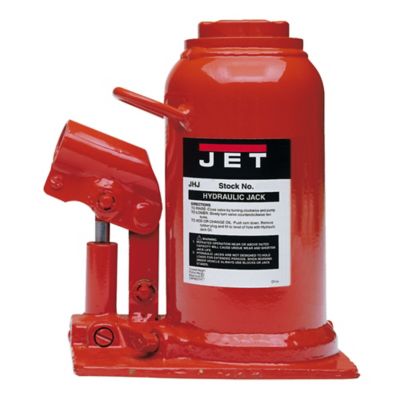
Construction Jacks, depending on the load, work surface and type of job.
When shopping for pneumatic jacks, consider more than lifting capacity alone. Check the air inlet size, recommended operating pressure and the compressor requirements listed by the manufacturer. A small compressor may run out of air before the jack reaches full height, especially when lifting a heavier load or working in a busy shop where other tools are drawing air. A compressor with enough tank capacity and airflow helps the jack raise smoothly and consistently. Hose length and fitting compatibility matter as well; a hose that reaches comfortably from the compressor to the work area keeps the setup from feeling cramped, while the correct couplers help prevent leaks. Look for sturdy construction, a stable base, durable lifting bags and controls that are easy to operate while standing beside the vehicle. Wheels that roll well over concrete can make a noticeable difference when positioning the jack, but even the best wheels may struggle on gravel, mud, soft ground or a sloped surface. Always set up on a firm, level area whenever possible, and use a solid board or suitable support only when it is approved for the task and will not shift under load. Keep the lifting point centered on the jack’s saddle or pad, and use the vehicle manufacturer’s recommended lift points to avoid bending body panels, damaging suspension parts or slipping off the frame. Inspect the bags, hoses, fittings, handle, wheels and release controls before each use. Cracks, cuts, abrasions, leaking connections or unusual swelling are signs to stop and address the problem before lifting. Dirt and sharp debris can damage an air bag, so clearing the work area and wiping down equipment after use helps it stay dependable through muddy chores, fall maintenance and long days in the shop. Pneumatic jacks can be useful for changing a tire, inspecting brakes, servicing suspension components or getting a vehicle high enough to place support stands, but they are not a substitute for stands or a permanent support system.
Safe operation matters every time, whether the jack is being used on a work truck, utility trailer, side-by-side or farm equipment. Park on firm, level ground, place the transmission in park or in gear, set the parking brake and chock the wheels that will remain on the ground. Shut off the engine and remove people, tools and loose gear from the vehicle before lifting. Follow the jack’s instructions for connecting the air supply, raising the load and lowering it, and keep your hands, feet and other body parts clear of pinch points. Never exceed the rated capacity, never lift a load that is moving, and never use a pneumatic jack to support a vehicle while someone works underneath it. Once the load reaches the needed height, place certified jack stands under the correct support points, lower the vehicle carefully onto the stands and confirm that it is stable before beginning repairs. A gentle push at a safe point can help confirm stability, but do not shake a raised vehicle aggressively or work under it if anything looks uneven. Keep the air jack nearby only for lifting and lowering; the stands should carry the load during the repair. After the job, remove tools and people from beneath the vehicle, raise it slightly to take the weight off the stands, remove the stands, and lower the vehicle slowly while watching for movement. Store the jack in a dry place away from welding sparks, fuel, direct sunlight and sharp tools, and coil the hose without tight kinks. Pneumatic jacks are especially useful for folks who maintain their own trucks, trailers and equipment, small repair shops, fleet owners, race or off-road hobbyists and farm families who prefer fast, practical tools that save a little sweat. They can also make a thoughtful gift for a mechanically minded relative who has a suitable compressor and a safe shop space, provided the capacity and clearance match the vehicles they service. During warmer outdoor work and the cooler months of heavier maintenance, the right air jack can make routine lifting feel more controlled, but careful setup, proper support and attention to the manufacturer’s instructions should always come first.