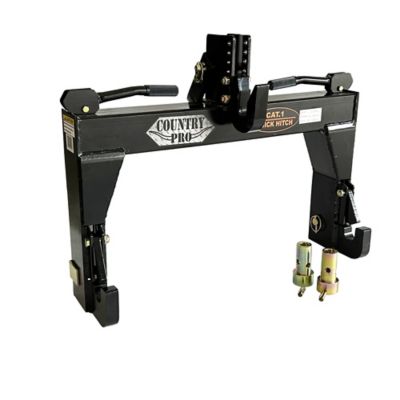
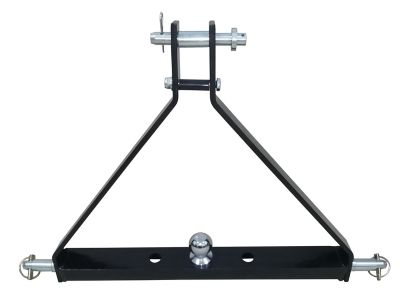
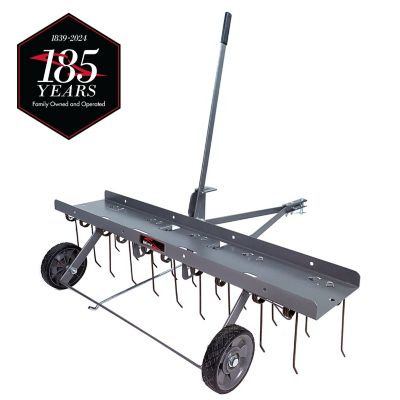
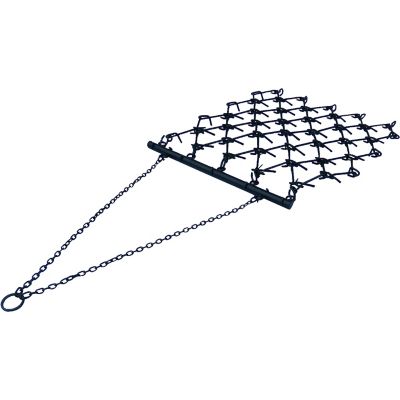
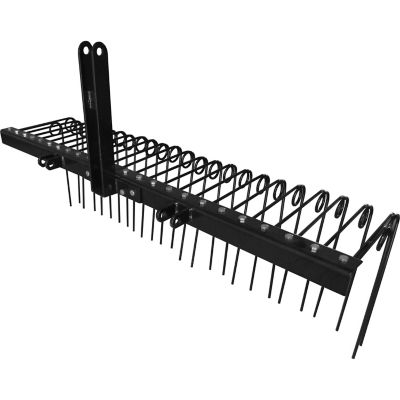
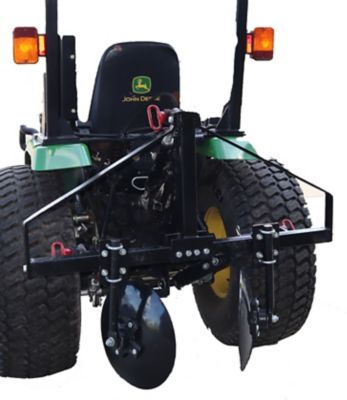
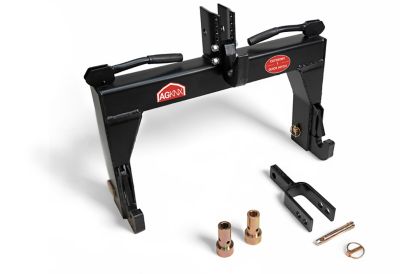
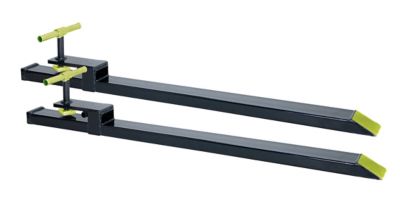
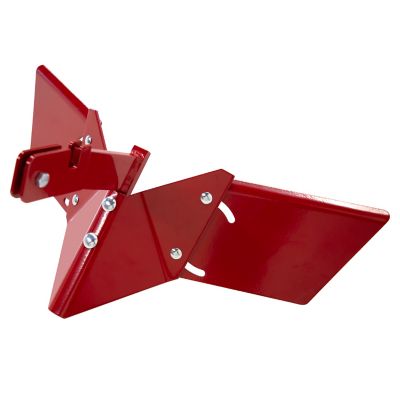
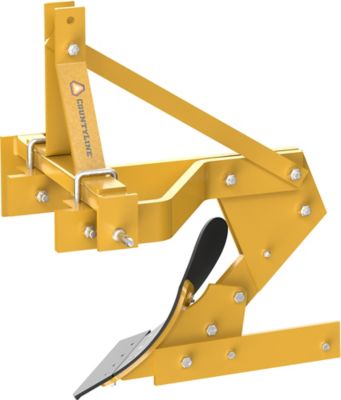
Tractor attachments expand a tractor’s capabilities for mowing, soil preparation, grading, digging, and material handling, helping one machine handle a wider range of chores around a farm, acreage, or worksite. Many rear implements mount to a three-point hitch, while loader attachments connect to a compatible front-end loader carrier. Some equipment pulls from a drawbar instead. Powered attachments may also need a power take-off, or PTO, connection or a hydraulic supply; the mounting system supports the implement, while the PTO or hydraulic circuit supplies power for moving parts. That distinction matters when matching equipment to the tractor already parked in the shed. An attachment might connect to the hitch yet still exceed the machine’s horsepower, lifting capacity, or hydraulic capabilities. Hitch category, implement weight, working width, and the manufacturer’s operating requirements all help establish the right fit. Category 1 and Category 2 three-point hitches, for example, have different pin sizes and dimensions, and a quick hitch adds another set of compatibility considerations. Front loader connections need the same attention because attachment carriers are not all interchangeable. For PTO-driven equipment, shaft fit, operating speed, and PTO horsepower matter alongside the tractor’s engine horsepower. Hydraulic attachments have their own flow, pressure, hose, and coupler requirements. A well-matched setup gives landowners, livestock keepers, and grounds crews equipment suited to the scale of their work without asking the tractor to do more than its ratings allow. Working width also affects everyday maneuvering: an implement that covers a broad stretch of open ground may be awkward between fence lines or near gates. Enough clearance for tires, linkage, hoses, and the full range of attachment movement helps keep a good fit from becoming a headache once the work begins. The tractor and attachment manuals are the starting point for these details, especially when a setup includes adapters, a quick hitch, or equipment from different manufacturers.
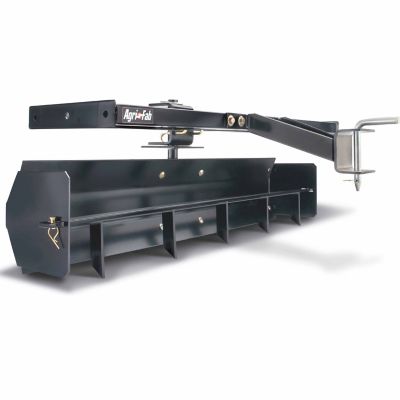
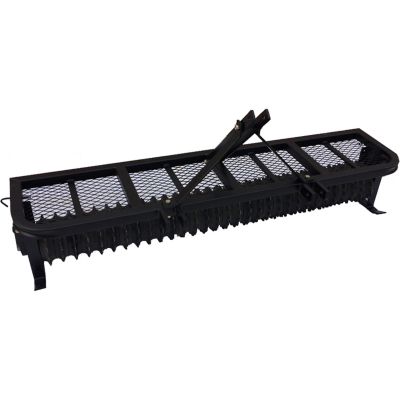
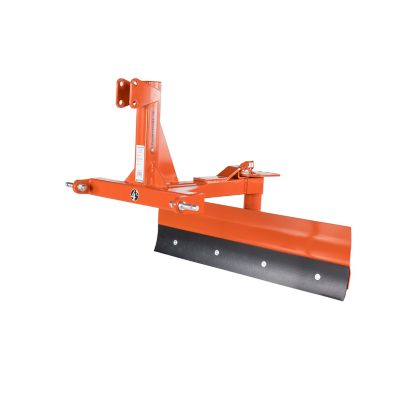
Different tractor implements suit different kinds of ground and different expectations for the finished job. Along a gravel lane, grading equipment can redistribute loose material, address shallow ruts, and help maintain the intended surface shape. A box blade carries and spreads material, with scarifiers on some designs to loosen compacted areas before leveling. A rear blade offers a different approach, with available adjustments that can help direct loose material to one side. Neither function is quite the same as gathering scattered stones, sticks, and surface debris. For that kind of cleanup,
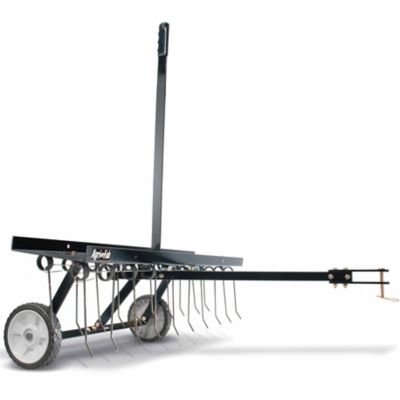
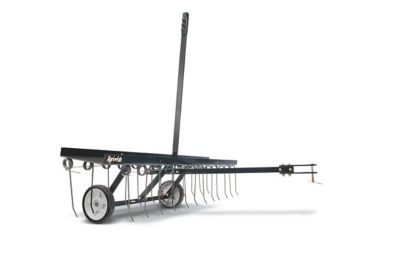
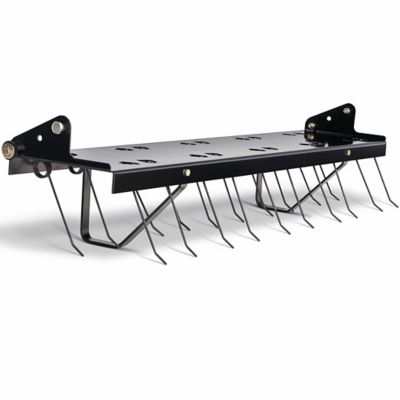
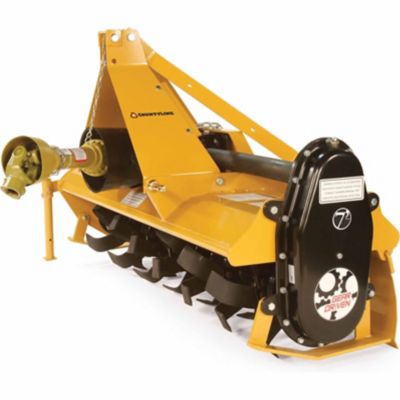
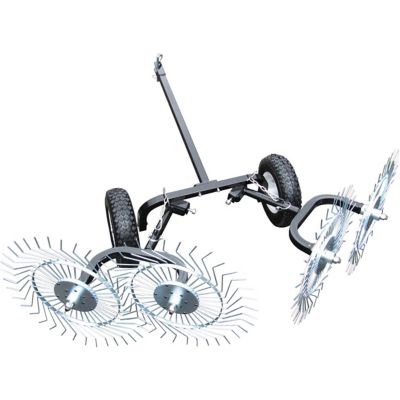
tractor rake attachments can help collect loose material and prepare an area for the next pass. Results depend on soil conditions, debris size, tine spacing, and the amount of material on the ground; a rake is not a replacement for equipment meant to excavate deeply or break up heavy compaction. Soil-working attachments serve another purpose, preparing planting areas or loosening ground to the depth their design allows. PTO-driven tilling equipment needs a tractor with compatible power and operating specifications, while ground-engaging tools also depend on traction and suitable soil conditions. Mowing attachments range by intended vegetation and finish, so pasture maintenance, rough cutting, and lawn-style mowing call for different equipment rather than a single all-purpose choice. Around the barn or feed area, loader attachments can support lifting, carrying, and cleanup, provided the load stays within the limits for the complete tractor-and-loader setup. Attachment weight counts toward those limits, and moving a load farther forward can reduce lifting capability. Manufacturer-specified ballast is another part of the setup, not an afterthought. Across these jobs, the best match comes from the actual task: maintaining a narrow lane, tending a planting plot, clearing rough growth, or moving material between outbuildings. Room to turn and a clear travel route deserve as much attention as the number of acres involved.
Construction details influence how tractor attachments stand up to repeated work and how much attention they need between jobs. Steel frames, reinforced connection points, and replaceable wear parts are common features worth considering, but overall weight alone does not tell the whole story. Frame design, welds, cutting edges, tines, bearings, and pivot points each have a role in how an implement handles its intended workload. Ground-contact parts naturally wear as they meet soil, gravel, and abrasive material. Designs with replaceable teeth, edges, or blades can make ongoing upkeep more practical, while accessible grease fittings and clearly identified service points make routine care less of a chore. Painted or powder-coated surfaces help protect exposed metal, though scratches and worn areas still need attention. After work, clearing away packed soil, wrapped vegetation, and lodged debris makes inspection easier and helps prevent buildup around moving parts. PTO drivelines, hydraulic hoses, retaining clips, and hitch pins also need the inspection and maintenance intervals specified by the manufacturer. Guards and shields belong in place, and service work calls for a stopped machine, disengaged power, and proper support for anything that could lower or move. A raised loader or implement is not a safe substitute for approved supports. Storage matters, too: a firm, level resting spot and the attachment’s designated stands or supports can make the next hookup steadier and help keep connection points accessible. PTO shafts and hydraulic couplers benefit from protection against dirt when disconnected, and hoses need a resting position that avoids pinching or strain. For a small acreage owner handling several chores, easy hookup and manageable storage may be especially valuable. For a farm crew running equipment more often, access to service points and replaceable wear components can carry more weight. Tractor attachments earn their place by fitting the machine, matching the work, and remaining practical to operate and maintain over the long haul, whether the job takes an afternoon or comes around every day.