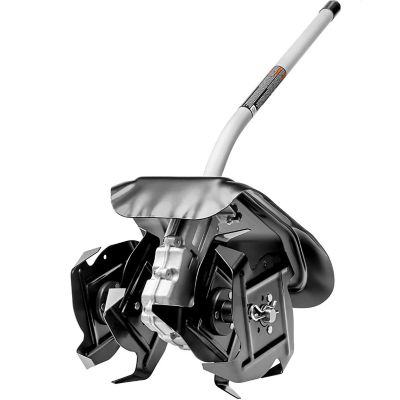
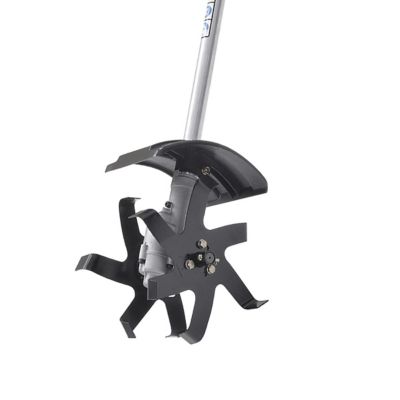
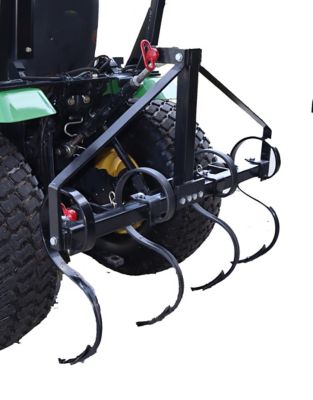
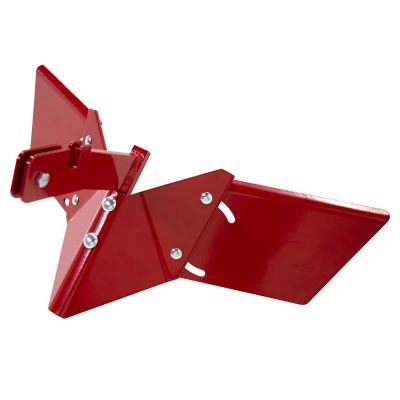
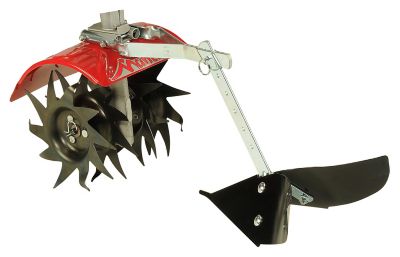
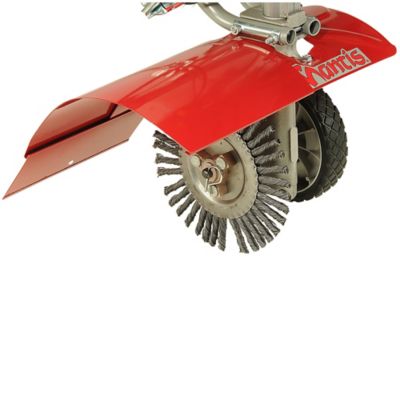
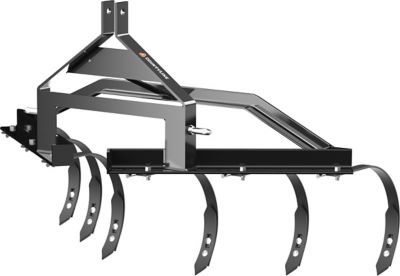
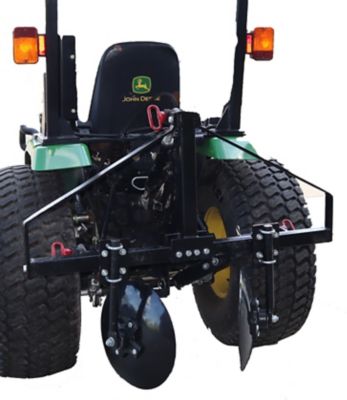
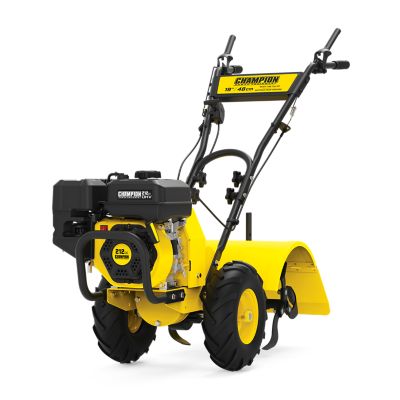
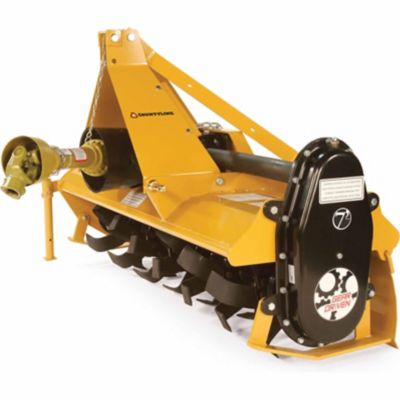
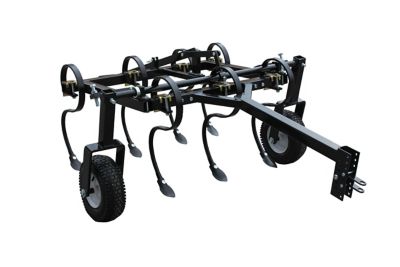
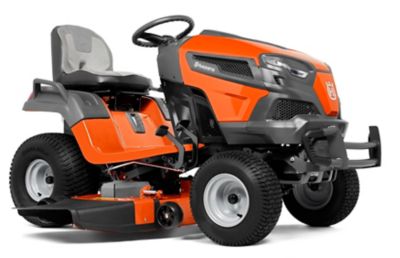
Cultivator attachments give you a practical way to work the soil without bringing a full-size tiller into every corner of the property. Handheld cultivator attachments connect to compatible attachment-capable string trimmers, multi-tool power heads, or other power systems, turning a familiar tool into a handy soil-working machine for garden beds, narrow rows, and planted areas. Tractor-mounted cultivators attach to a compatible three-point hitch and cover more ground, making them a better fit for larger gardens, food plots, homestead plots, and field work. Most cultivators use rotating steel tines or spring-steel shanks to loosen the top layer of soil, break up small clumps, disturb shallow weeds, and mix in compost or fertilizer. They are especially useful when the ground has already been worked and needs regular care through the growing season. A handheld unit can slip between rows of tomatoes, peppers, flowers, or herbs where a wider machine would be hard to steer, while a tractor attachment can prepare long, straight passes with fewer trips up and down the garden. During the warmer part of the season, these attachments help keep weeds from getting established around growing plants. As the weather cools, they can help prepare open beds for cover crops, fall plantings, or a final round of soil improvement before the ground settles for winter. For more hand-guided options and related soil-working tools, browse
Cultivator Rakes.
The right cultivator attachment depends first on the size and condition of the area you plan to work. Compact handheld attachments are well suited to small garden beds, raised beds, landscaping areas, and light maintenance between established plants. Their narrower working widths make it easier to stay between rows and avoid brushing against stems, irrigation lines, landscape edging, or low branches. A wider tractor cultivator is designed for more open ground and can save a good deal of time when you are tending a large vegetable patch, pasture edge, orchard row, or homestead plot. Check the attachment’s working width, tine arrangement, and recommended operating depth before choosing. A narrow set of tines may be just right for weeding beside a row of beans, while a broader setup can cover more ground when preparing a seedbed. Adjustable depth or shank settings are useful when soil conditions change, since shallow cultivation is generally better around established plants and deeper work may be appropriate in an open bed. It is also important to match the attachment with the equipment you already own. Handheld units are often designed for a particular attachment system, so confirm the shaft, coupler, power source, and manufacturer’s compatibility requirements. Tractor-mounted models should match the tractor’s hitch category, lift capacity, available horsepower, and hydraulic or PTO needs when applicable. A secure connection and balanced setup make the attachment easier to control and help reduce unnecessary wear on both the implement and the power unit. Before putting the tines into the ground, clear away wire, stones, roots, and other hidden debris. Protective eyewear, sturdy footwear, gloves, and hearing protection are sensible choices, especially when cultivating dry soil that can throw dust or small rocks.
Cultivators are best at maintaining workable soil rather than replacing a heavy-duty machine for every kind of ground preparation. Loose or previously tilled soil is usually the easiest to cultivate, while hard-packed clay, rocky ground, thick sod, and untouched turf can put a great deal of strain on a compact attachment. If a garden plot has been neglected or the ground is covered in dense grass, several shallow passes may work better than forcing the tines deep in one attempt, though a dedicated heavy tiller or other ground-breaking equipment may be more suitable for the first pass. Once the soil is opened up, a cultivator attachment can help maintain that texture with less effort. Run the attachment at a steady pace, avoid burying the tines beyond their intended depth, and make overlapping passes only as needed. Cultivating when the soil is slightly moist but not muddy often gives the best results; wet soil can smear and compact, while bone-dry soil may turn into dust and make the job harder on both the operator and the equipment. Many gardeners use these attachments to mix in aged compost, granular amendments, or prepared fertilizer, following the directions for the material being applied. They can also make a thoughtful gift for a new homeowner, backyard gardener, small-acreage landowner, or anyone building a more productive garden space, particularly when the recipient already owns a compatible power head or tractor. For an experienced grower, an attachment can serve as a useful addition to the tool lineup for quick touch-ups between larger projects. With the right match, careful depth control, and realistic expectations about soil conditions, a cultivator attachment can help keep beds cleaner, planting areas more manageable, and garden chores moving along from the first warm stretch through the cooler months.