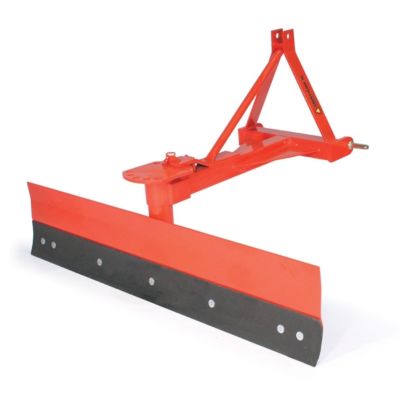
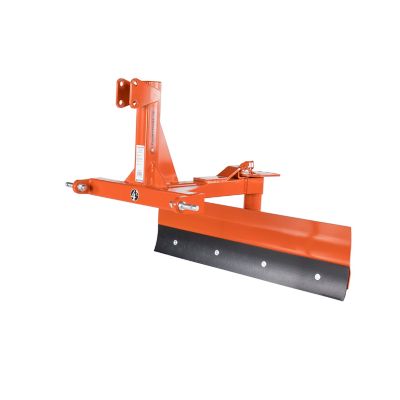
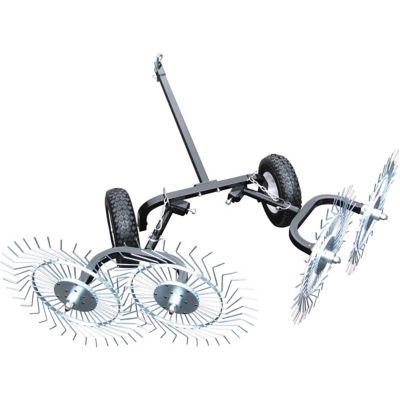
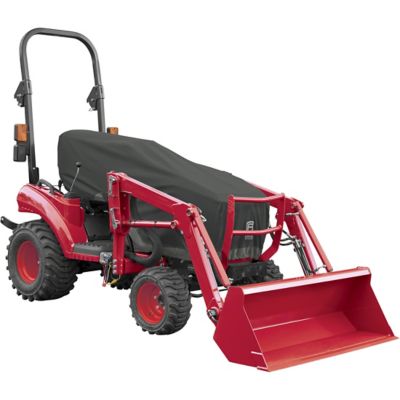
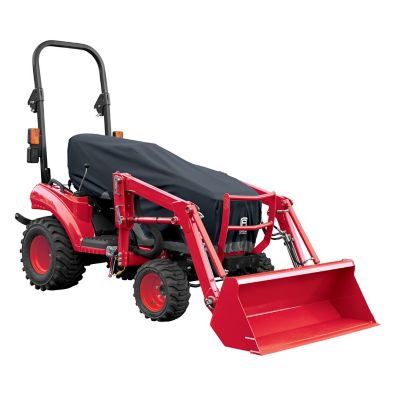
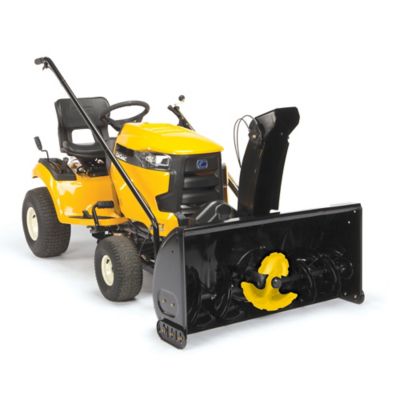
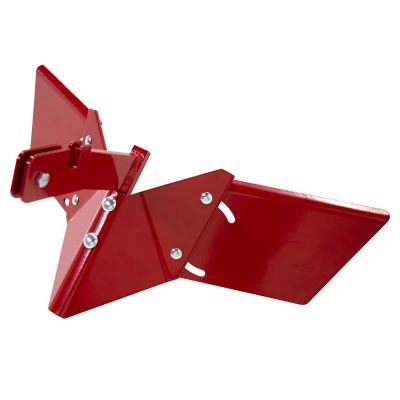
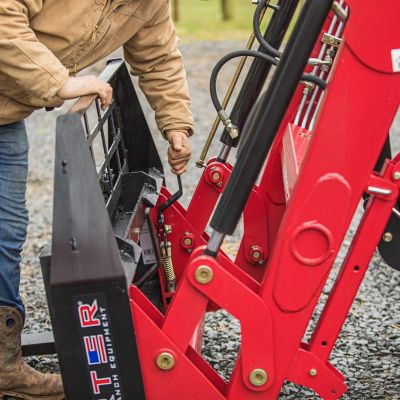
Compact tractor attachments help turn a small tractor into a dependable work partner for property maintenance, landscaping, gardening, driveway care and light land clearing. The right implement can save hours of hand labor and make jobs feel more manageable, whether you are caring for a few acres, keeping a rural driveway in shape or tending a growing homestead. Front-end loader buckets are a practical starting point for moving soil, gravel, mulch, compost, firewood and other loose materials. They can also back-drag and smooth a surface when used carefully, helping fill shallow ruts around a barn lot or spread a fresh load of driveway gravel. Pallet forks are handy when bulky or awkward loads need to be lifted and carried, including lumber, feed, fencing supplies, wrapped hay or heavy boxes. For brush piles, storm debris and fallen limbs, a grapple gives the tractor a firm way to gather and move material without repeatedly climbing down to rearrange it by hand. A box blade can break up packed soil with its scarifier teeth, then level and grade the ground with its cutting edges, making it useful for maintaining lanes, parking areas and building sites. A land plane offers a lighter touch for smoothing gravel paths and taking the sharp edges off potholes and washboard areas. During the warmer part of the year, a rotary cutter can help reclaim overgrown field edges, trails and fence lines by cutting tall grass, weeds and small saplings. As cooler weather settles in, the same tractor and attachments can help clear storm debris, prepare garden ground and keep access routes open before wet or icy conditions arrive.
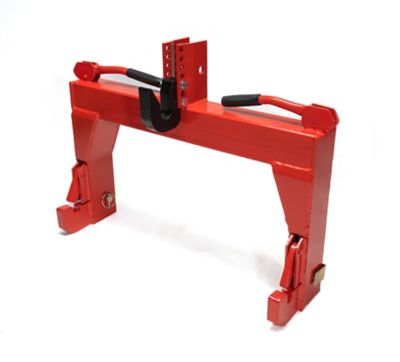
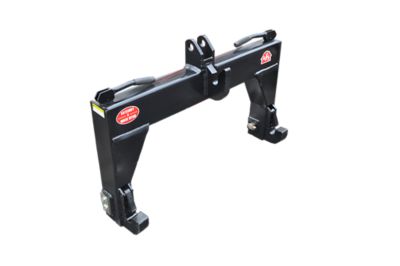
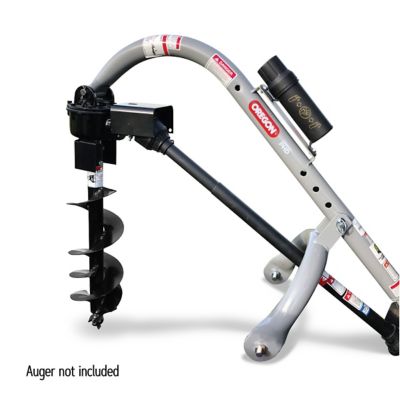
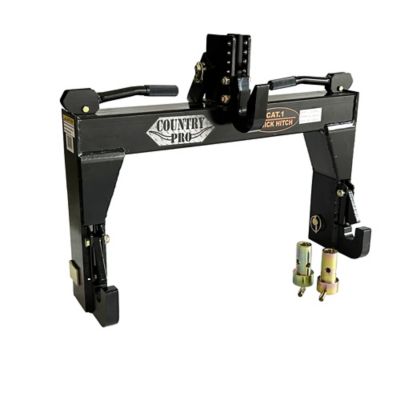
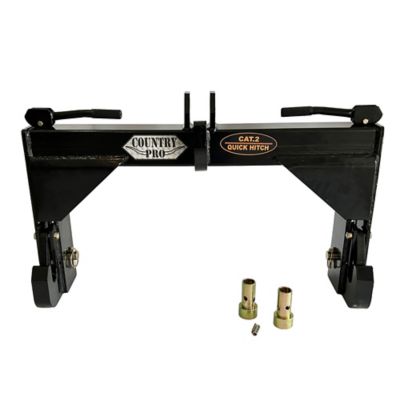
Matching an attachment to the tractor is just as important as choosing the right type of tool. Start with the tractor’s horsepower, operating weight and lift capacity, then check the attachment’s recommended range rather than assuming every implement will fit. Three-point hitch attachments need the correct hitch category, enough lifting capacity and suitable clearance for the tractor. Implements powered by the PTO require a compatible PTO speed, properly sized driveline and enough available horsepower to work without bogging down. Loader-mounted tools depend on the loader’s lift capacity, hydraulic capability and attachment connection, while hydraulic grapples and other powered tools may need the right number of hydraulic remotes and adequate hydraulic flow. Attachment width should suit both the tractor and the property: a tool that is too wide may be difficult to maneuver between trees, gates and buildings, while one that is too narrow can leave extra passes and increase work time. Consider the ground conditions, too. Clay, rocky soil, damp ground and steep slopes place different demands on an implement than loose garden soil or a level lawn. A rotary tiller can break and aerate soil for beds and food plots, while a post-hole digger can power through the work of setting fence, mailbox, sign or deck posts; however, hard ground, buried rock and tree roots may call for patience and careful positioning. For smaller garden areas,
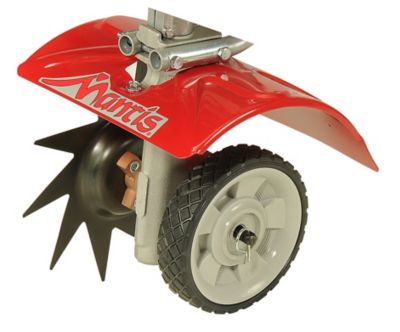
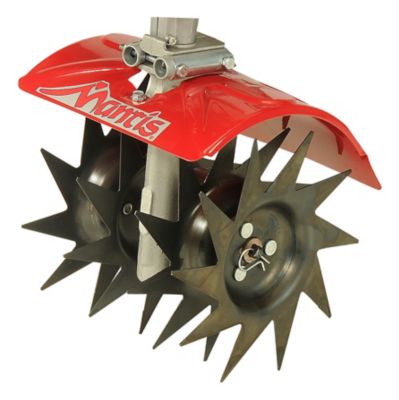
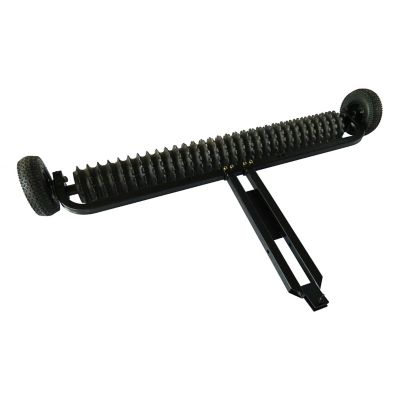
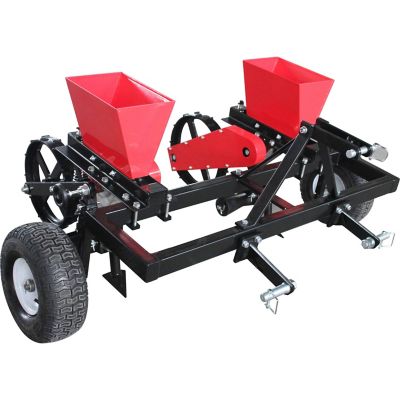
Cultivator Attachments can help loosen surface soil and manage weeds between planting rows. Before buying, measure gates, sheds and storage areas, and think about how the attachment will be transported, cleaned and parked. A sturdy implement that fits the tractor but cannot pass through the gate will spend more time sitting than working.
Compact tractor attachments are useful for acreage owners, market gardeners, hobby farmers, contractors, horse owners, hunting-land managers and anyone who takes pride in keeping a rural property in good shape. They can also make a practical gift for a new landowner or someone building a homestead, especially when the attachment matches a job already on the property’s to-do list. A box blade or land plane may be appreciated by a family maintaining a long gravel drive, while a rotary cutter can be a welcome addition for someone managing open fields and rough fence rows. Gardeners may get more use from a tiller or cultivator, and a landowner preparing several new fence sections may value a post-hole digger. Think about the chores that repeat every season: the lane that develops ruts after heavy rain, the brush that creeps over a trail, the garden that needs turning, or the pile of storm-broken branches waiting near the edge of the woods. Those recurring jobs usually point to the most useful attachment. Safe operation matters from the first hookup through the last pass. Read the tractor and implement instructions, inspect pins and connections, keep guards and shields in place, and shut down the tractor before clearing wrapped vegetation or making adjustments. Use ballast when recommended for loader work, carry loads low, watch for overhead lines and hidden obstacles, and slow down on slopes or uneven ground. Store attachments on firm, level ground and protect exposed moving parts from unnecessary moisture. With the right match and a little routine care, compact tractor implements can help turn long, muddy, stubborn chores into steady work that gets finished before the daylight fades.