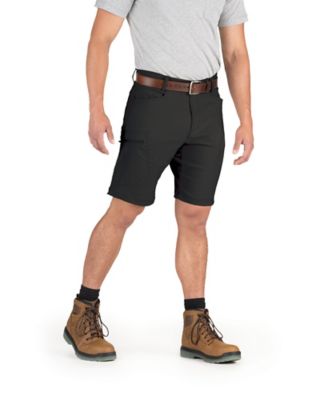
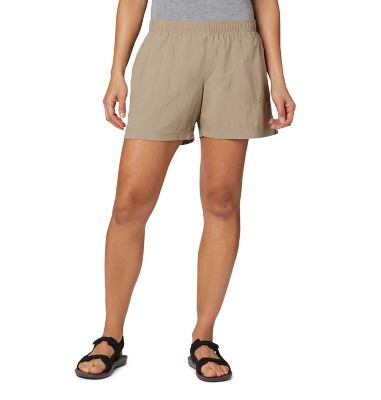
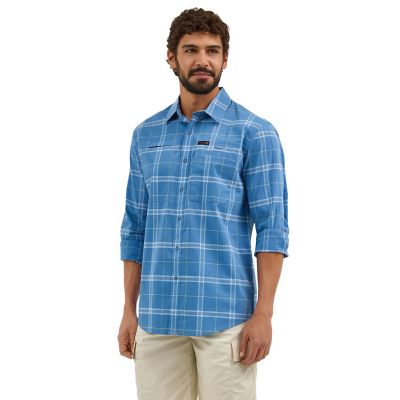
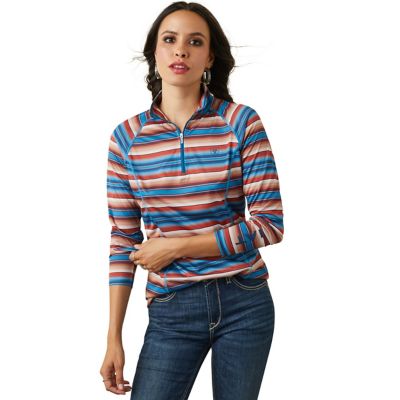
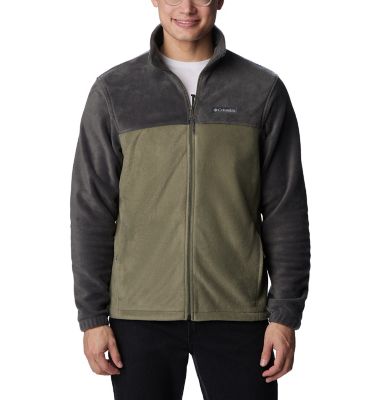
Summer hiking gear helps make time on the trail more comfortable, organized and safe, whether you are walking a shaded creek path, climbing a rocky overlook or spending a full day on a wooded backroad. The right setup starts with clothing that can handle heat, sweat and changing conditions. Look for lightweight shirts made with moisture-wicking fabric that pulls perspiration away from the skin and dries quickly after a steep climb. UPF-rated tops add another layer of protection when the trail crosses open fields or sunny ridgelines, while breathable long sleeves can help shield arms from sun, brush and biting insects. Flexible hiking shorts are a good fit for warm, dry conditions, and lightweight pants offer more coverage when the route passes through tall grass, thorny areas or areas with ticks. Choose clothing that allows a full stride, bends easily at the knees and does not rub under a pack belt. A wide-brim hat or breathable cap helps keep glare out of your eyes and shade your face, and a light layer is worth packing even on a warm morning. Mountain weather can turn cool near a summit, along a windy lake or after sunset, and a compact rain or wind shell can make the difference between a pleasant outing and a long, soggy walk back to the truck. These basics work well for experienced hikers, families exploring local trails, campers taking a short walk from the site and anyone building a practical outdoor wardrobe. They also make thoughtful gifts for a friend who has started hiking, a college student heading outdoors or a family member who enjoys walking with the dogs. As the weather shifts into cooler conditions, many of these same layers remain useful under a warmer jacket, making versatile clothing a smart choice beyond the hottest part of the season.
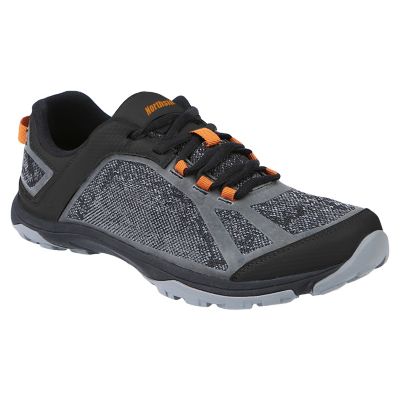
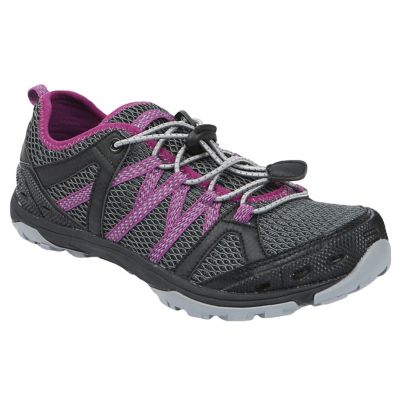
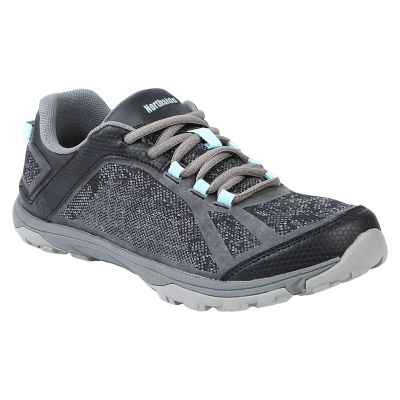
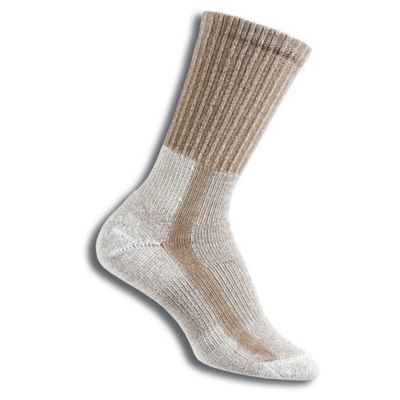
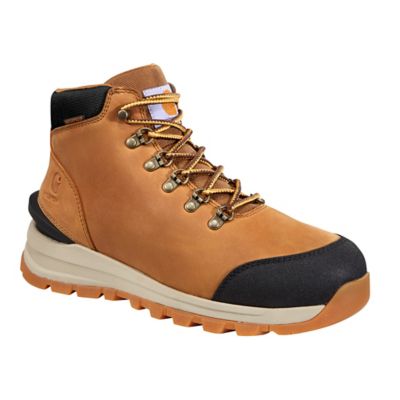
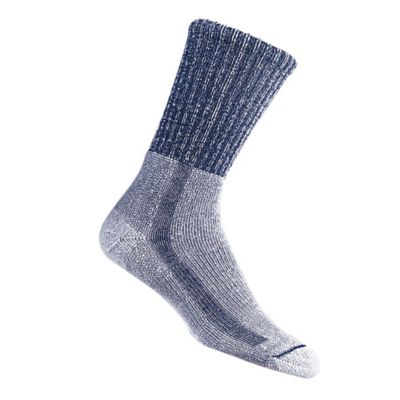
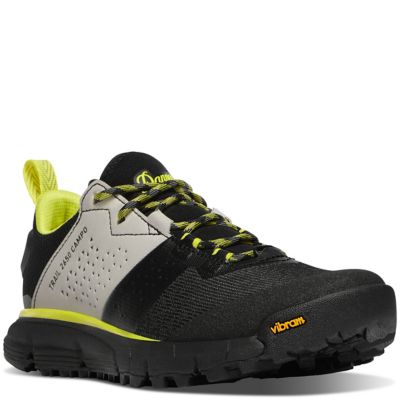
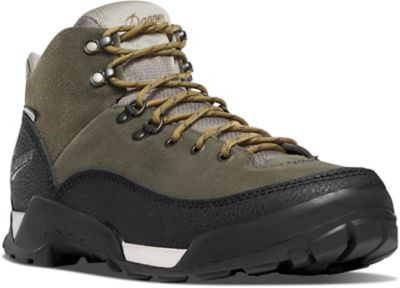
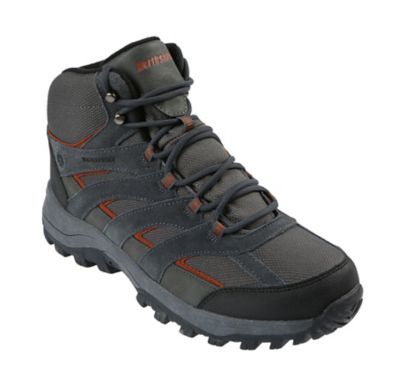
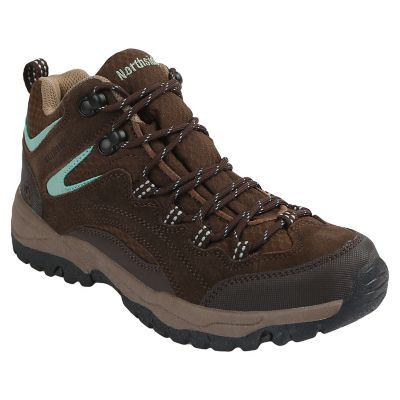
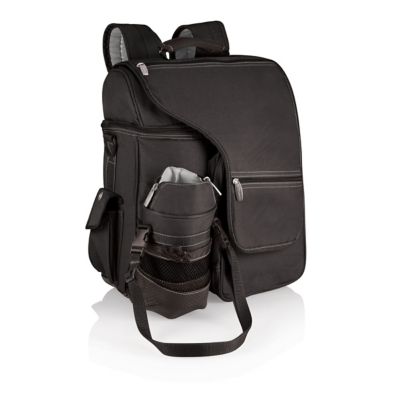
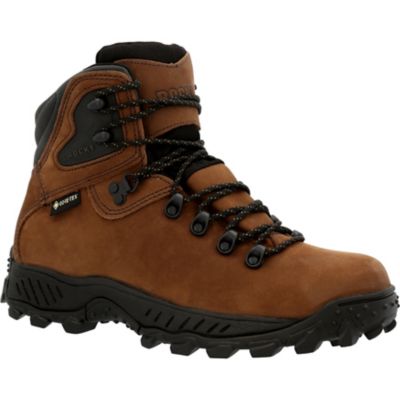
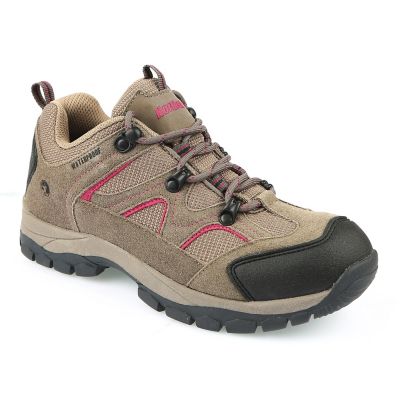
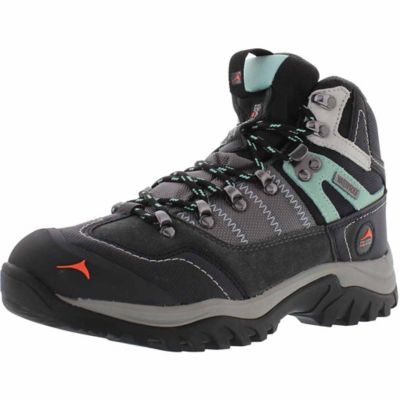
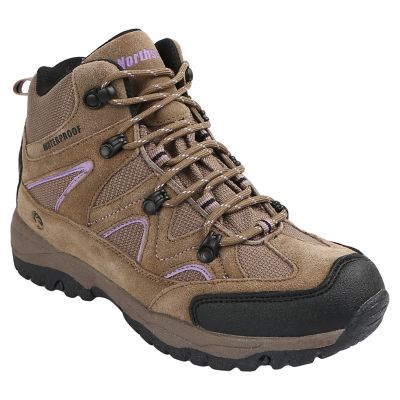
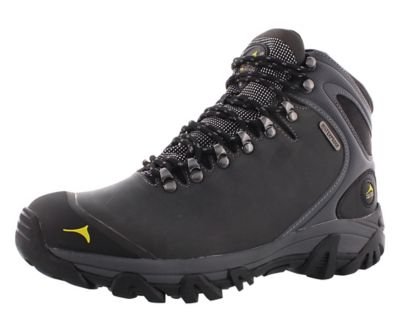
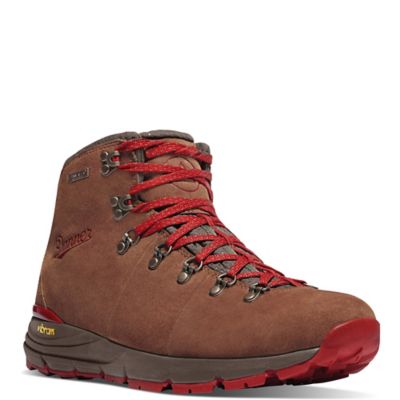
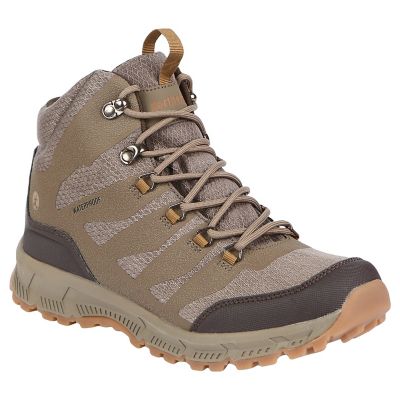
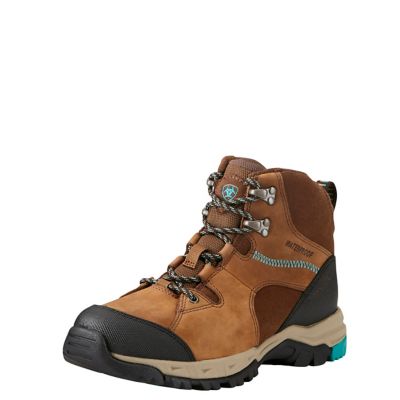
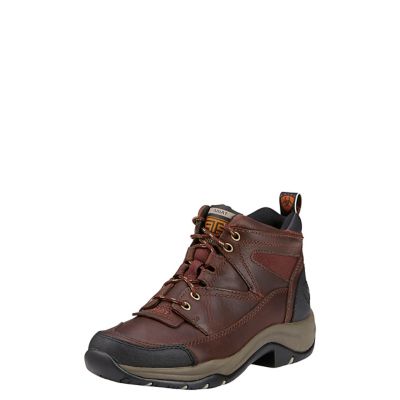
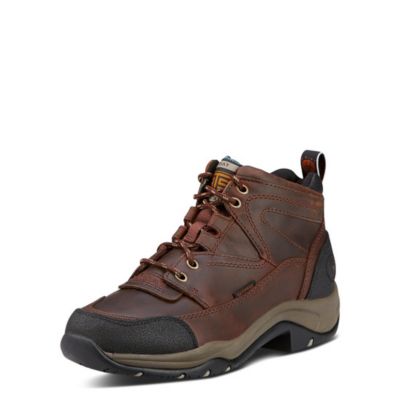
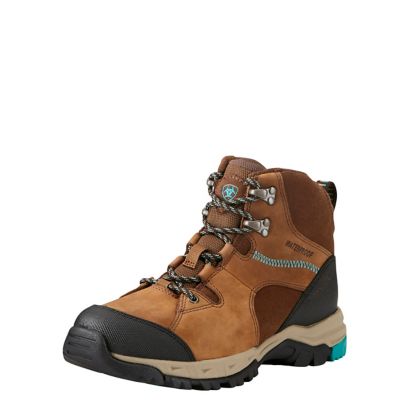
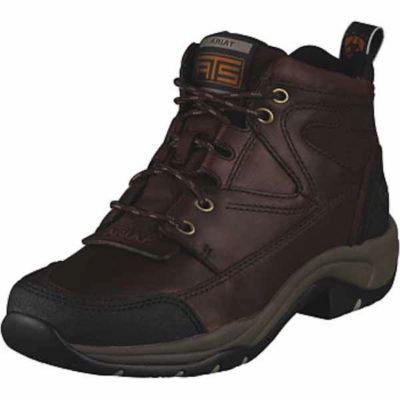
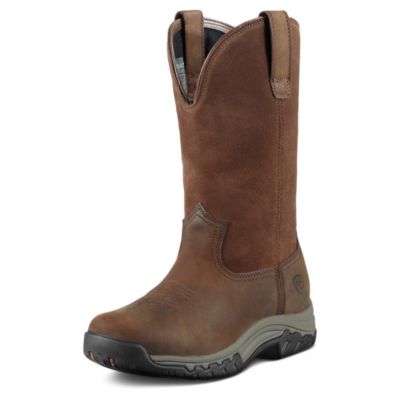
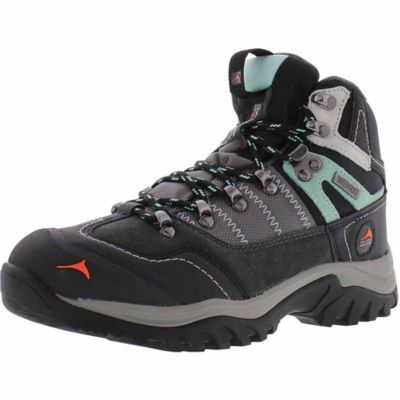
Comfortable footwear deserves just as much attention as clothing. Trail shoes or hiking boots should match the ground you expect to cover, with enough traction for loose gravel, wet roots and uneven dirt. A lighter shoe may feel cooler and more flexible on a maintained path, while a sturdier boot can provide added support and protection on rough terrain or when carrying a loaded pack. Pay close attention to fit: toes need room to spread and move downhill without bumping the front, while the heel should stay secure without slipping. Try footwear with the socks you expect to wear, and give yourself time to break it in before a long outing. Moisture-wicking synthetic or merino wool socks help manage sweat and can reduce hot spots that turn into blisters. Carrying an extra pair in a sealed bag is a small habit that pays off after a creek crossing or a sweaty afternoon. A daypack in the roughly 20- to 26-liter range gives many hikers enough room for water, food, a shell, first-aid supplies and personal items without feeling bulky. Look for adjustable shoulder straps, a padded or breathable back panel and pockets that keep small essentials close at hand. Hydration should be planned around the route, temperature, pace and access to reliable water. Refillable bottles or a hydration reservoir make it easier to drink regularly, and electrolyte mixes or chews can be useful during longer, hotter efforts. Pack more water than you expect to need when the trail is remote, and remember that clear-looking creek water is not automatically safe to drink; a filter, purifier or treatment tablets can provide backup when used according to their directions. A simple trail snack with carbohydrates, protein and salt can help keep energy steady when lunch is still a few miles away. For an easy way to round out camp and trail supplies, browse
Summer Camping Essentials for additional outdoor basics that can serve both at the campsite and on nearby hikes.
Good trail gear also includes the items that help you stay oriented, visible and prepared when plans change. Download maps for offline use before leaving an area with dependable service, and consider carrying a paper map and compass as a backup. A phone can be useful for navigation, photos and emergency calls, but it should not be the only plan; batteries fade faster in cold weather, and reception may disappear behind hills or thick timber. A portable power bank can help extend battery life, while a whistle, small flashlight or headlamp, basic first-aid supplies, blister care, sunscreen and insect repellent deserve a place in nearly every daypack. Hikers heading deep into backcountry areas may also want a satellite communication or emergency SOS device, especially when traveling alone or visiting unfamiliar country. Tell someone where you are going, when you expect to return and which trailhead you plan to use. Keep a lighter or fire starter protected from moisture for emergency use, but follow local fire rules and never build a fire where it is prohibited. Snacks, water and a spare layer are just as valuable for a child who tires out as they are for an older hiker pacing a gentle trail, so gear should fit the person using it rather than simply matching the length of the route. Dog owners can add collapsible bowls, extra water, waste bags and a leash suited to the terrain, while families may appreciate small packs that let kids carry a safe, lightweight share of their own supplies. During the cooler months, shorter daylight and changing temperatures make a headlamp, reflective details and an extra insulating layer even more useful. Whether the plan is a quick walk before chores, a weekend trip with friends or a scenic hike followed by supper at camp, dependable summer hiking gear helps everyone spend more time noticing the breeze through the pines, the sound of a creek below the trail and the view at the end instead of worrying about sore feet, wet clothes or an empty water bottle.