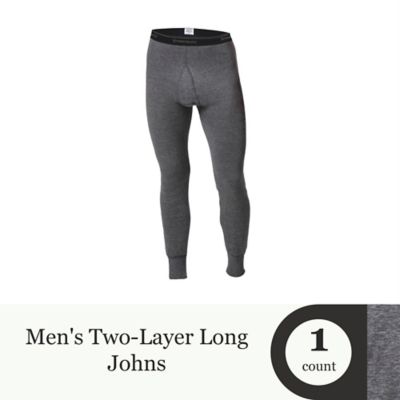
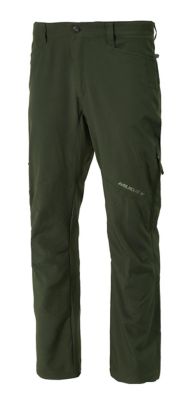
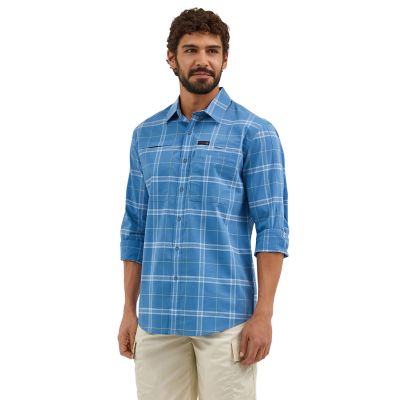
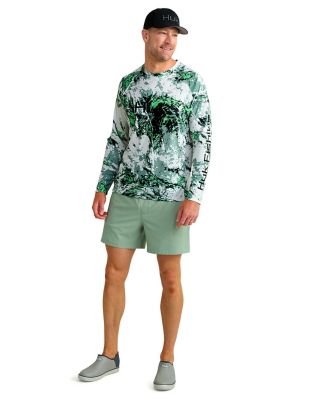
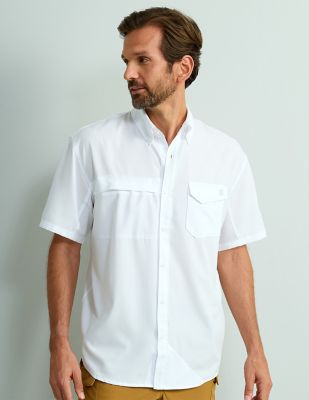
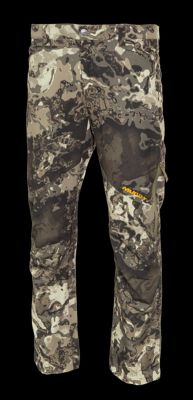
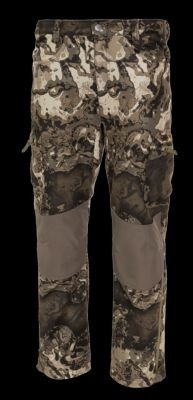
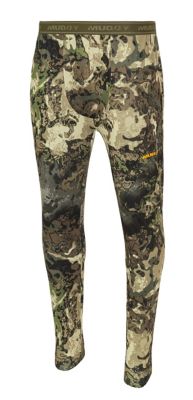
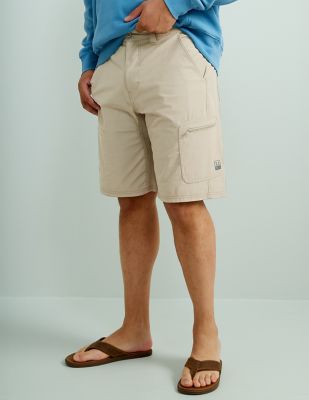
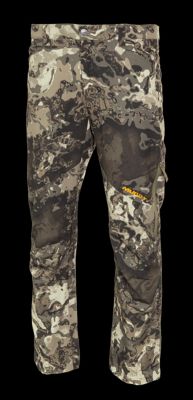
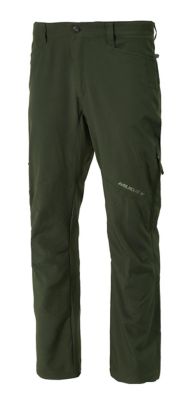
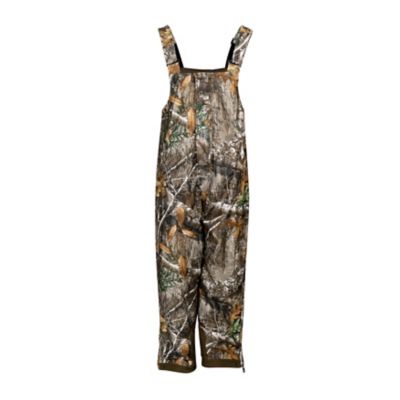
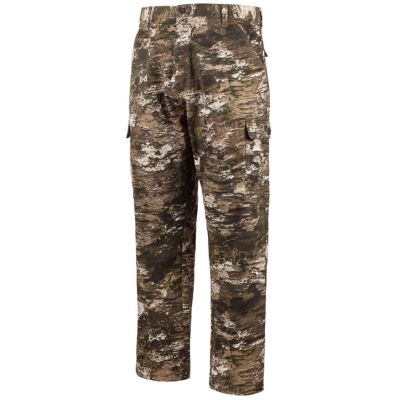
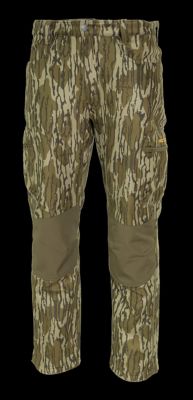
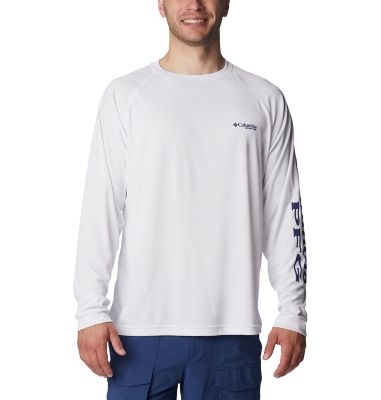
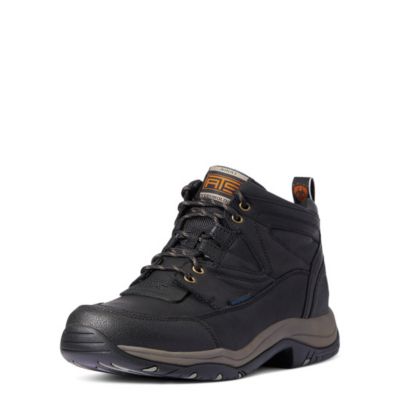
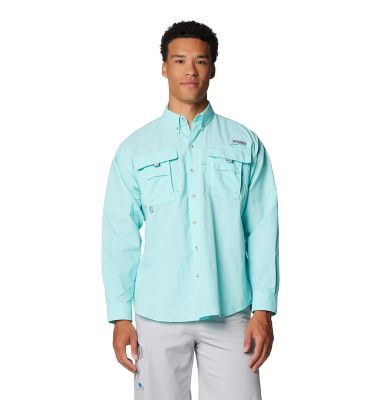
Hiking clothing for men should help you stay comfortable when the trail changes from a sunny field edge to a shaded stretch of timber or a windy overlook. The best setup usually starts with a moisture-wicking base layer made from synthetic fabric or merino wool. These materials pull sweat away from the skin and dry faster than cotton, which can feel clammy once it gets damp. A lightweight short-sleeve shirt works well for warm walks and steady climbs, while a long-sleeve shirt or sun hoodie adds coverage for exposed trails, high grass and brush. Look for breathable fabric, a relaxed range of motion and a fit that leaves room to layer without hanging loose enough to snag on branches. Sun-protective clothing with a UPF rating can help cover the neck, arms and ears during long stretches without shade, and a hood or cap can make a noticeable difference when the sun is high. For the lower half, hiking pants and shorts should move easily when stepping over roots, climbing rock and kneeling beside a pack. Nylon and nylon-blend fabrics are popular because they are light, tough and quick to dry, while a touch of stretch helps with long strides and steep grades. Pants with articulated knees, gusseted construction or a comfortable stretch waistband can reduce pulling and rubbing on uneven ground. Convertible hiking pants offer the convenience of pants and shorts in one garment, making them useful when cool mornings give way to warm afternoons. Pockets with secure closures are handy for a trail map, keys or small personal items, though bulky objects are usually better carried in a backpack so they do not bounce against your legs. Socks deserve just as much attention as shirts and pants. Merino wool and technical synthetic socks help manage moisture, cushion the foot and reduce hot spots that can turn into blisters. Choose a height that works with your footwear and a thickness that fits comfortably without crowding your toes. A hat with a brim helps shade your face, while lightweight gloves can protect hands from rough rock, thorny brush and cooler air at elevation. For a closer look at clothing and other trail-ready basics, browse
Hiking Essentials For Men.
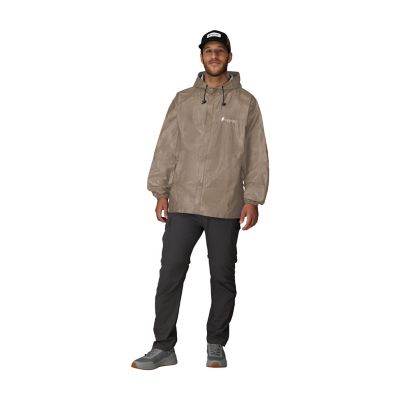
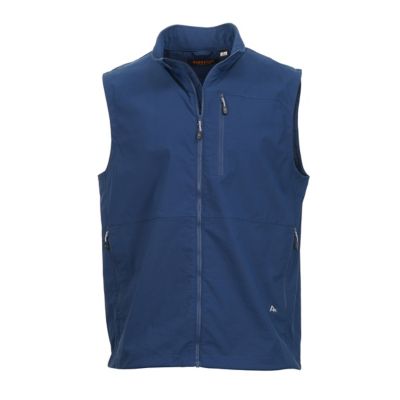
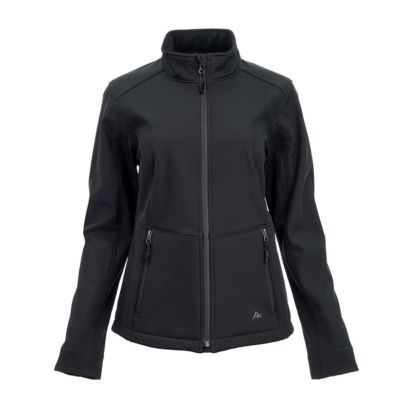
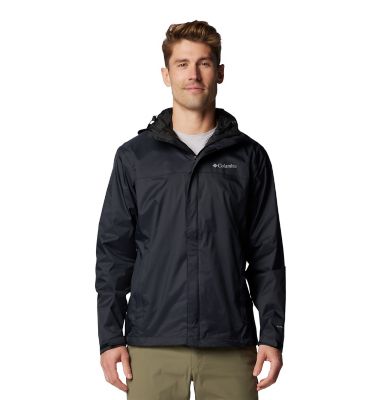
Layering gives men more flexibility when conditions shift during a hike. A breathable fleece or lightweight insulating layer can take the chill off a cool start, a breezy ridge or a rest stop beside a creek without making the climb feel heavy. Quarter-zip or full-zip designs make it easier to vent heat as the trail turns uphill, and a hood can add welcome warmth around camp or on an exposed summit. During the cooler months, consider room beneath the outer layer for a warmer mid-layer, but avoid building an outfit so bulky that it restricts arm movement or leaves no space for a daypack’s shoulder straps. A waterproof, breathable rain shell is another useful part of a hiking wardrobe, even when the forecast looks promising. A good shell helps block rain and wind while allowing excess heat to escape, and features such as an adjustable hood, zippered vents, storm flaps and sealed seams can improve comfort when a passing shower rolls over the trail. Packable layers are especially useful for day hikes, hunting access roads, farm property walks and travel because they can ride in a pack until the weather turns. Think about the setting before choosing clothing: open prairie and sunny ridge lines call for sun protection and wind resistance, while wooded trails may make durable pants and snag-resistant fabric more important. Trail length, elevation, expected temperature, water crossings and the amount of gear being carried all affect the right combination. Fit matters, too. Clothing should sit comfortably when standing, bending and reaching, with cuffs and hems that do not drag or catch. If hiking clothing is being given as a gift, shirts, socks, hats and packable layers are practical choices for a dad, brother, spouse, son, outdoorsman or anyone who enjoys weekend walks and backcountry trips. When sizing is uncertain, accessories and adjustable garments are often easier to choose than fitted pants or jackets. A dependable hiking outfit can move from a morning trail near home to a fall day at a state park, a campsite chore, a fishing spot or a long walk with the dog. With moisture-managing layers next to the skin, flexible bottoms, warm insulation and weather protection close at hand, men can spend more time noticing the crunch of leaves, the smell of damp earth and the view beyond the next bend.