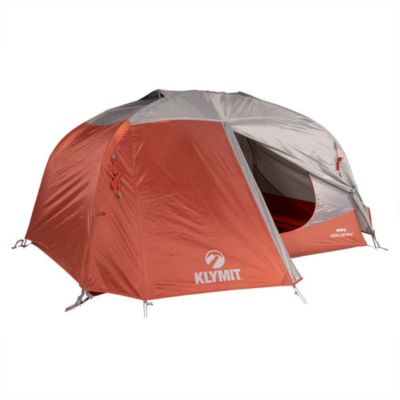
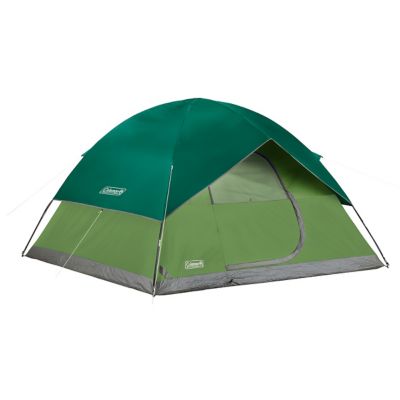
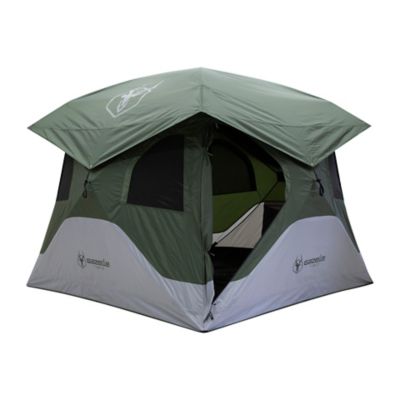
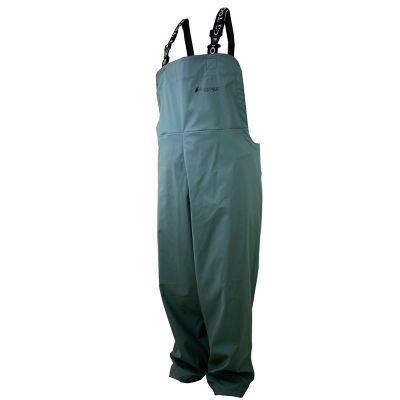
Summer camping gear helps turn a night outdoors into a comfortable base camp, whether you are parking near a lake, settling into a wooded campsite, or spending a few days on family land. Start with shelter that fits the people and equipment coming along, with enough room to change clothes, keep packs inside, and stay clear of the tent walls when the air turns damp. Ventilation matters during warm-weather trips, so look for mesh panels, windows, roof vents, and doors that allow air to move through without leaving the whole shelter open to insects. A rainfly with full coverage adds a useful layer when a quick shower rolls across the campground, while a ground tarp helps shield the tent floor from wet grass, sharp sticks, and morning dew. For campers heading toward rougher ground or uncertain weather, browse
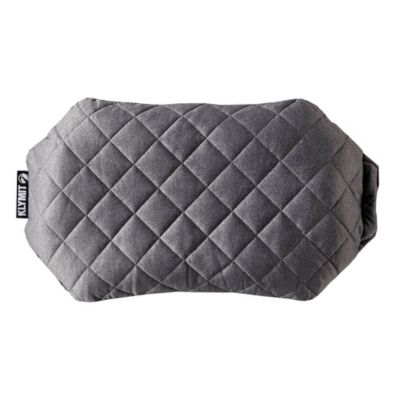
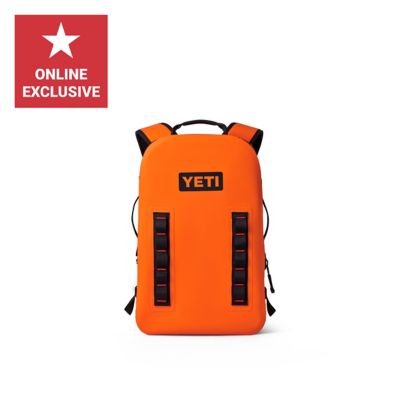
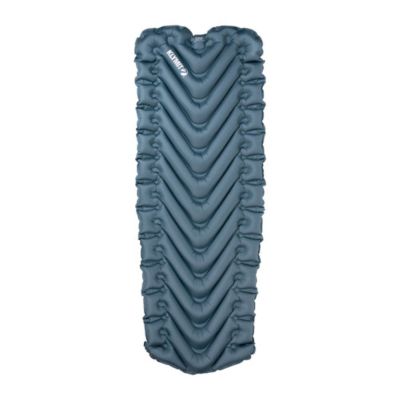
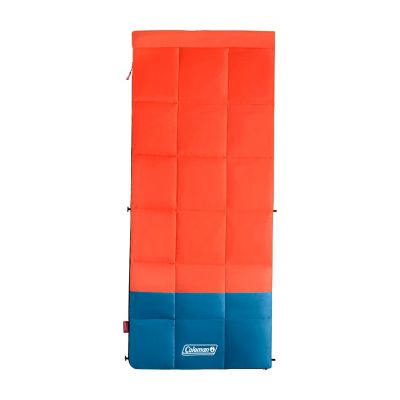
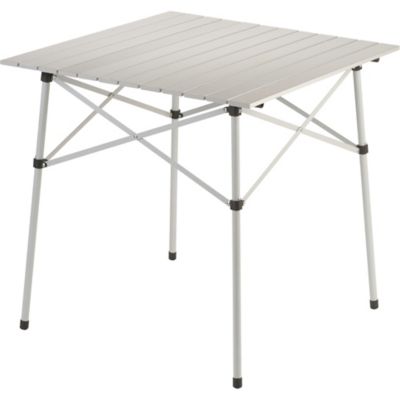
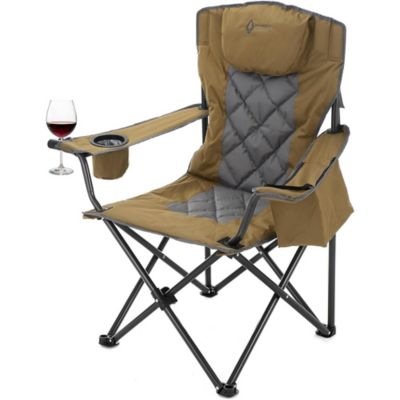
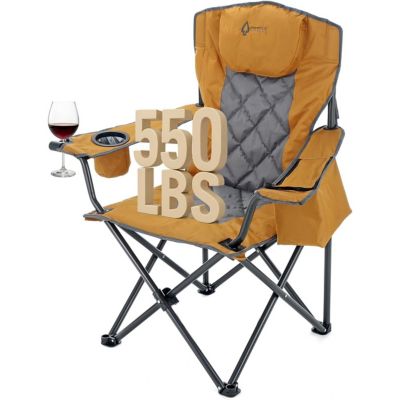
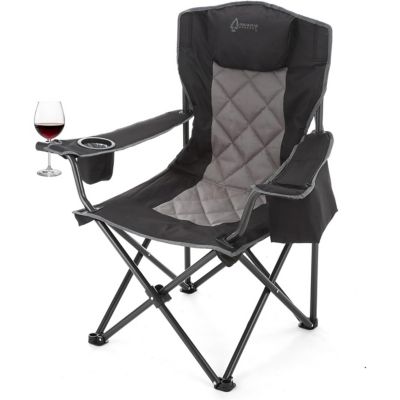
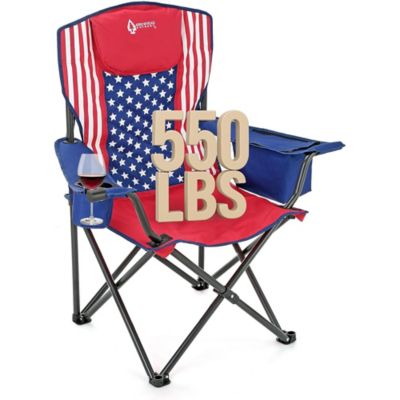
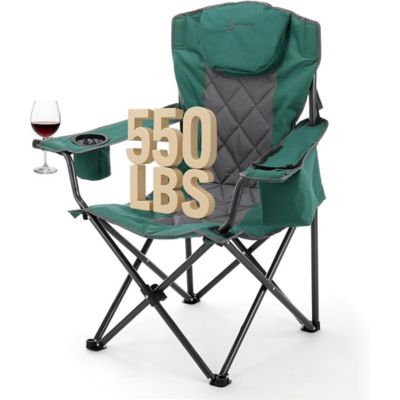
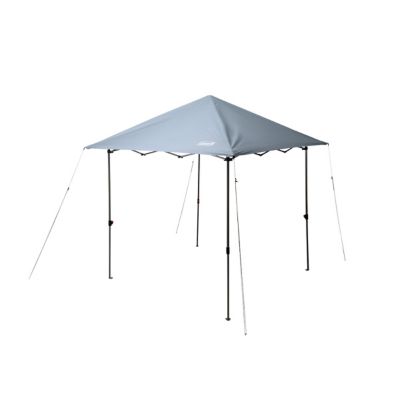
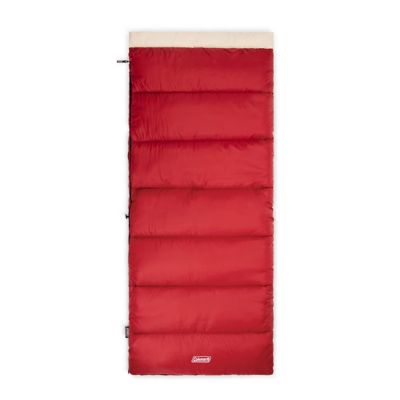
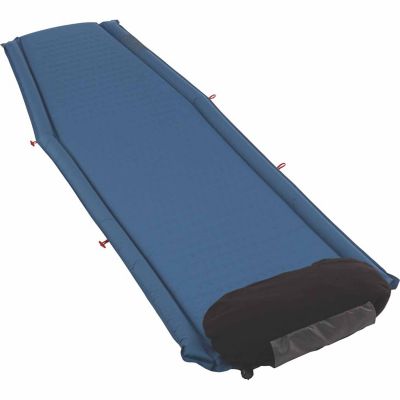
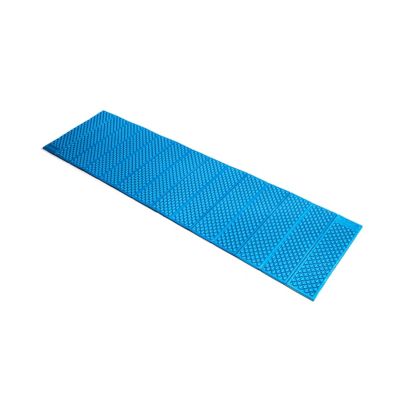
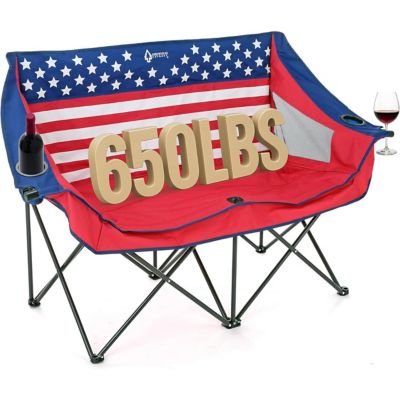
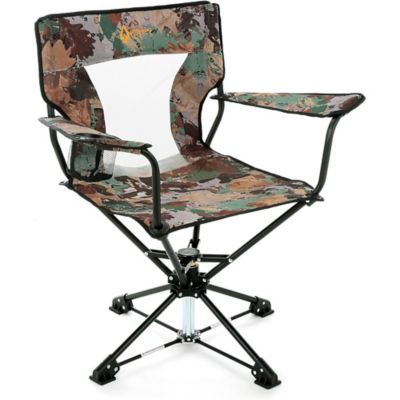
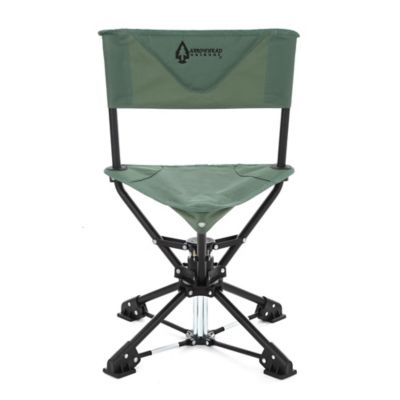
Waterproof Gear for Camping to round out the shelter setup. Bedding should match the expected temperatures rather than taking up space with heavy insulation meant for deep winter. A light sleeping bag, sheet-style liner, or breathable blanket can make warm nights more pleasant, and a sleeping pad keeps hips and shoulders from resting directly on hard, cold ground. Families often appreciate separate bedding for each camper, while a roomy air mattress can make a car-camping site feel more like a spare bedroom. Check packed size before heading out, especially when space is limited in a truck bed, trailer, or small vehicle. A pillow from home can be comforting, but a compact camp pillow keeps the sleeping area tidy and leaves room for other necessities. Shade is just as important away from the tent. A canopy creates a central place for meals, card games, muddy-boot changes, and quiet coffee while the sun is high. Side panels can help block a low afternoon sun or a passing breeze, and a weighted, properly secured frame is important whenever wind picks up. Camp chairs with supportive backs and easy-fold frames give everyone a place to sit around the fire ring, watch the kids play, or enjoy the view without balancing on a cooler. For a household that spends weekends outdoors, seating, shade, and bedding make thoughtful gifts because they fit many camping styles and can be shared across trips.
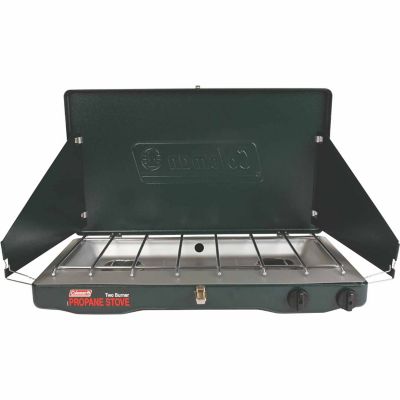
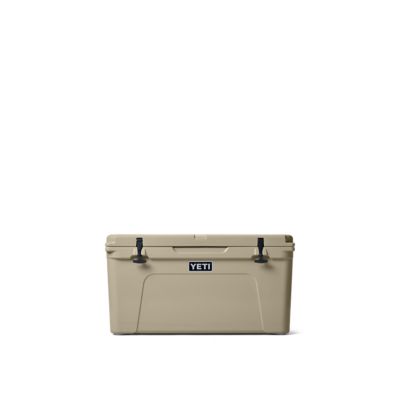
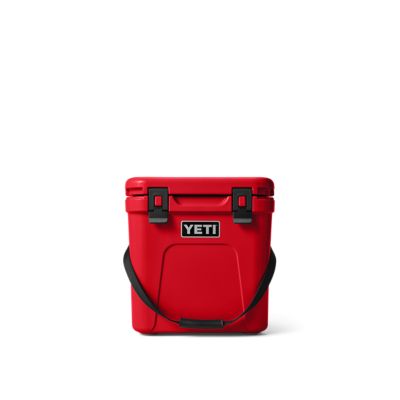
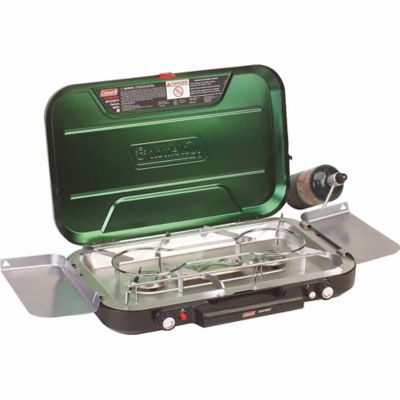
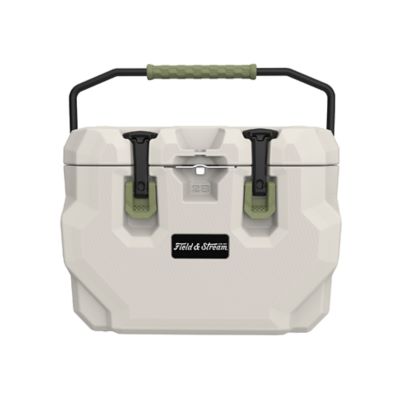
Warm-weather camping also calls for practical ways to cook, cool down, see after dark, and keep small problems from slowing the day. A compact camp stove can handle coffee, oatmeal, soup, or a skillet supper without requiring a full kitchen, while a grate or cooking stand can expand meal options over a fire where campground rules allow it. Bring the fuel type and connection that match the stove, along with a lighter stored in a dry container, heat-safe cookware, serving tools, and a way to wash dishes away from sleeping areas. A cooler should match the length of the outing and the amount of food packed. Keep drinks in a separate section when possible, limit how often the lid opens, and place the cooler in shade so ice lasts longer. Insulated jugs, water containers, and travel tumblers help each person keep drinking through a hot hike, a long afternoon of fishing, or a full day of campsite chores. Sun protection belongs in the same planning group: wide-brim hats, sunglasses, lightweight long sleeves, shade cloths, and sunscreen help protect skin when there is little natural cover. Bug protection can make the difference between lingering by the fire and retreating early, so consider screen shelters, insect repellent, citronella products, and clothing that covers arms and legs when mosquitoes are active. Lighting should include more than one option. Headlamps leave both hands free for setting up a tent or carrying firewood, lanterns brighten a table or cooking area, and small lights help mark a path to the restroom without shining into another camper’s shelter. Pack spare batteries or a charged power source in a sealed pouch, and keep one light within reach of every sleeping area. A basic camp kit may also include a first-aid kit, hand sanitizer, weather radio, matches in a waterproof container, rope, stakes, a folding knife, trash bags, and extra socks. Before leaving home, consider the drive, the distance from the vehicle, the number of people sharing each item, and the forecast for both daytime heat and overnight chill. Car campers can bring larger chairs, extra water, and a fuller cooking setup, while hikers need compact pieces that earn their space in a pack. Families may want easy-clean materials and simple controls, and first-time campers often benefit from gear that sets up without a long list of steps. As the weather shifts toward cooler evenings and early winter outings, summer camping gear can still support day trips, tailgates, backyard fire nights, and sheltered hunting or fishing camps when paired with warmer layers and suitable bedding. Careful packing, dry storage, and a quick inspection before each trip help keep camp organized from the first tent stake to the last cup of coffee.