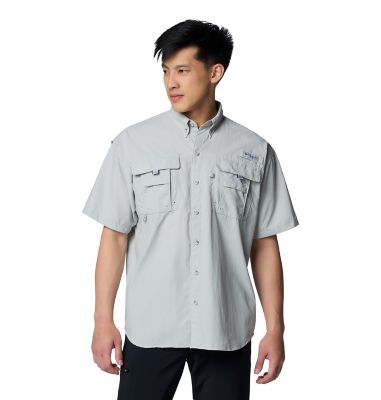
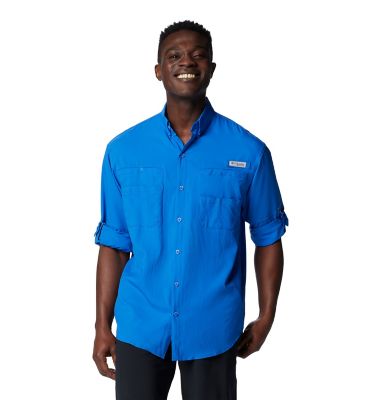
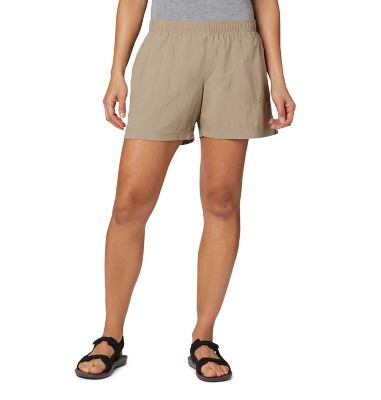
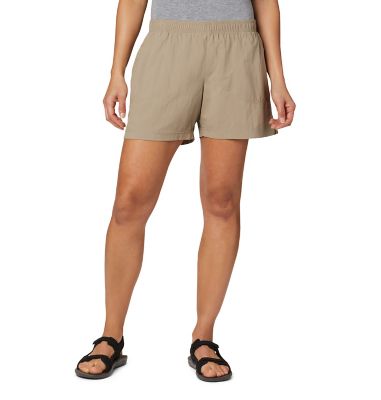
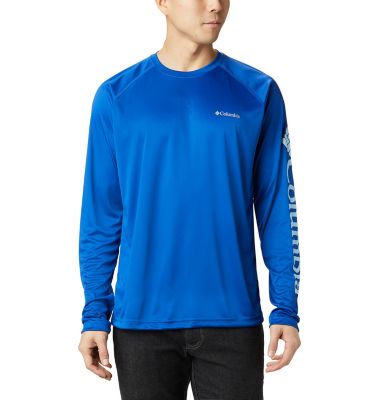
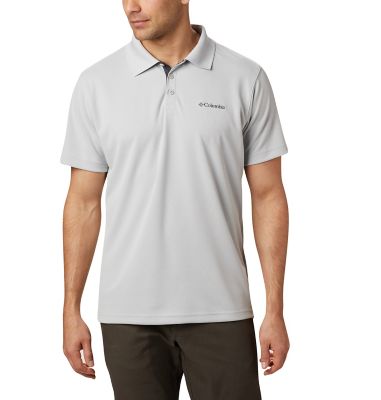
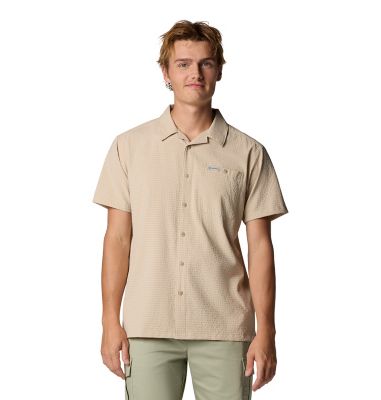
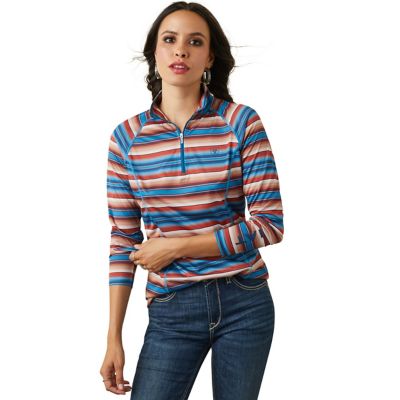
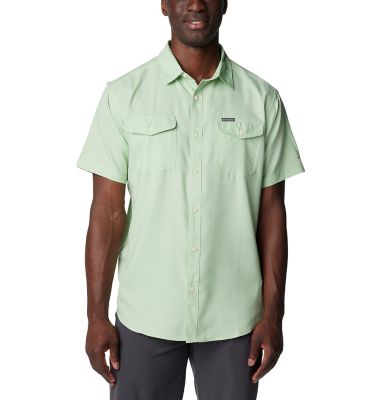
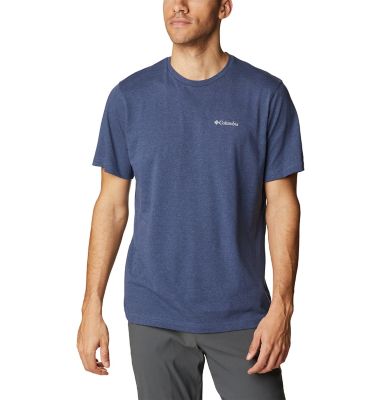
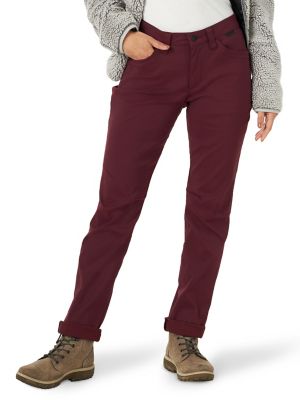
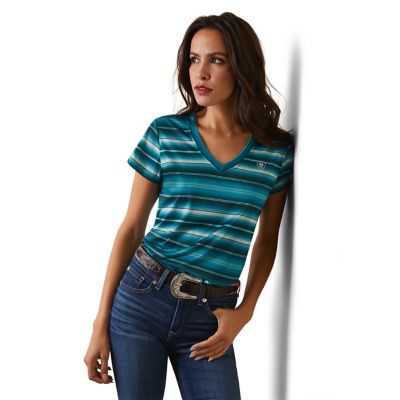
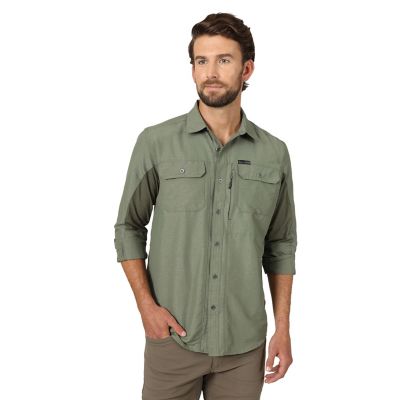
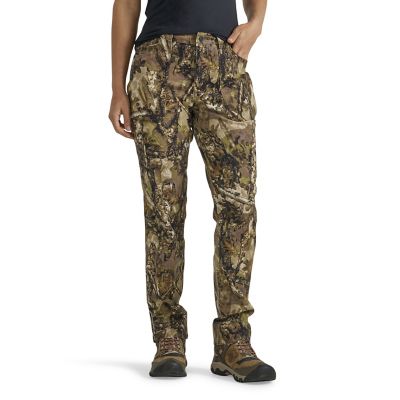
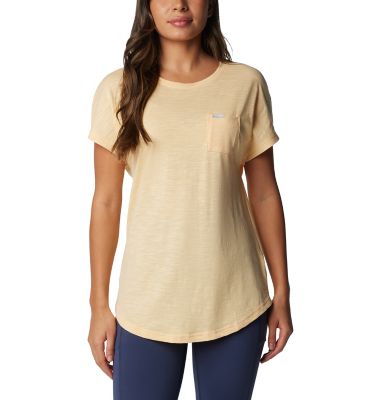
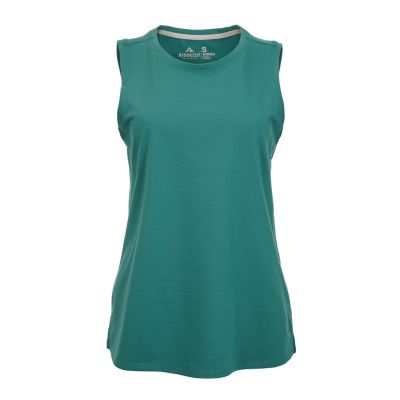
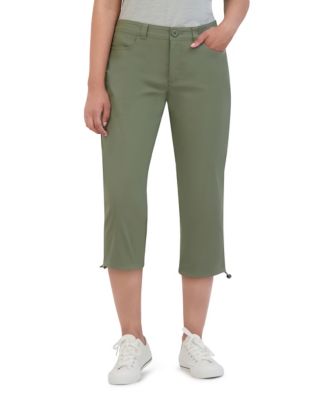
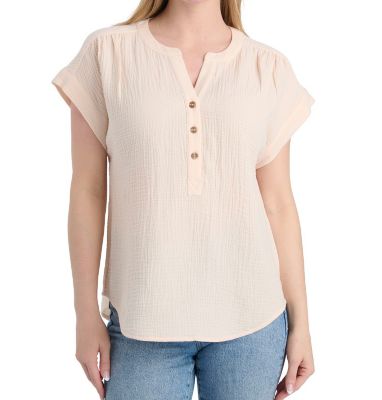
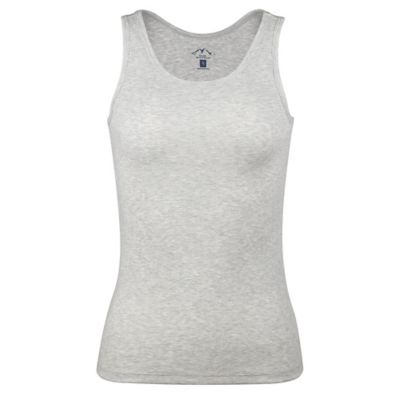
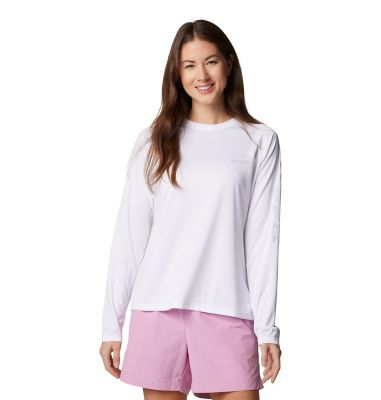
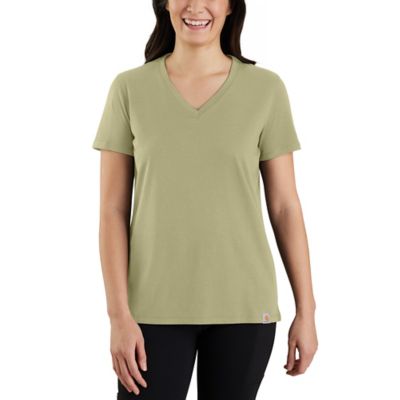
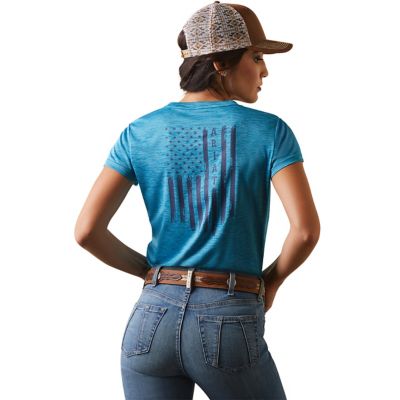
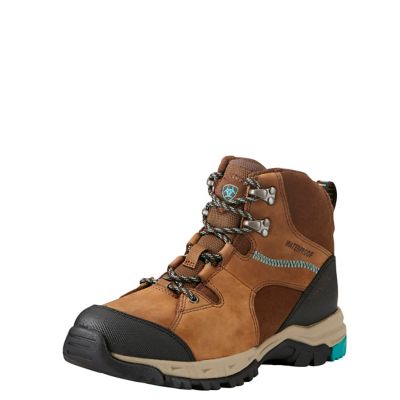
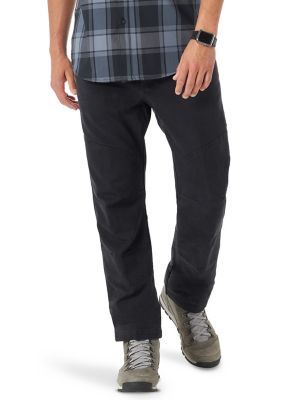
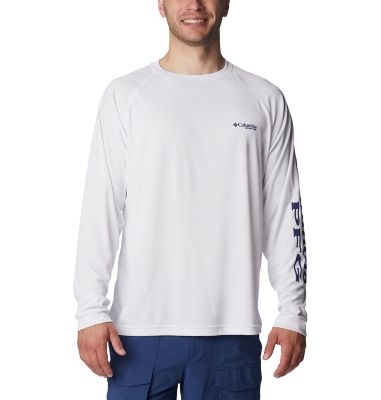
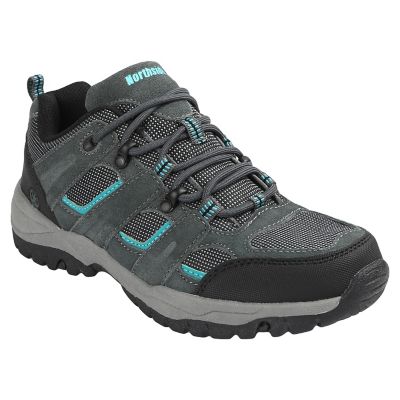
Clothes for summer hiking bring together breathable fabrics, easy movement, and coverage that suits the trail ahead. On a sunny climb above the tree line, that can mean a lightweight long-sleeve shirt and stretch hiking pants; along a shaded creek path, a moisture-wicking tee and quick-drying shorts may feel more comfortable. The common thread is clothing that handles sweat without staying heavy and damp against the skin. Polyester and nylon fabrics often dry faster than cotton, while lightweight merino wool helps manage moisture and odors on longer outings. Blends with a little elastane add give for stepping over downed limbs, crossing a cattle guard, or taking a high step onto a rock ledge. Fabric weight and construction matter as much as fiber content: an airy knit feels different from a tightly woven trail shirt, even when both contain the same material. Cotton can feel pleasant for a short, easy stroll in dry conditions, but it holds moisture longer, making it less practical for strenuous hikes or routes where temperatures can drop. Summer hiking clothing also balances airflow with sun coverage. Short sleeves leave arms open to the breeze, while lightweight sleeves cover more skin without necessarily adding much warmth. Clothing labeled with an ultraviolet protection factor offers a clearer measure of sun protection than fabric thickness or color alone. A UPF 50 rating means the fabric allows about one-fiftieth of the sun’s ultraviolet radiation through under testing conditions; sunscreen still matters on exposed skin. Mesh panels, vented backs, and neck openings that adjust can help release heat, especially when a daypack covers much of the back. For walkers stretching their legs on local trails, families heading to a state park, or folks taking a break from chores for an afternoon in the woods, the right combination starts with the length of the outing, the amount of exertion, and the exposure along the route. No single outfit fits every summer trail.
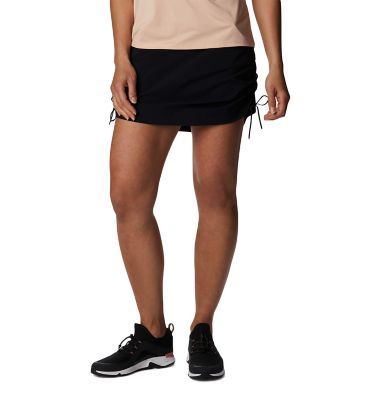
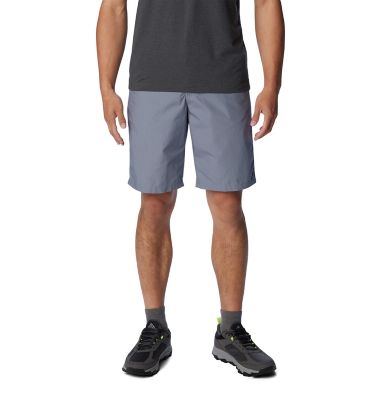
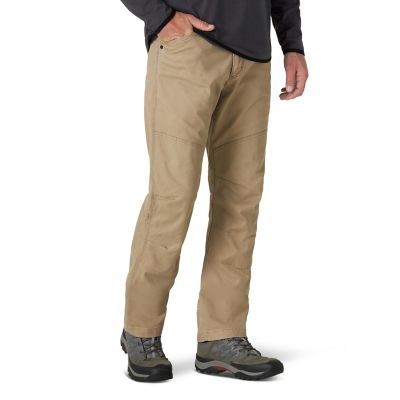
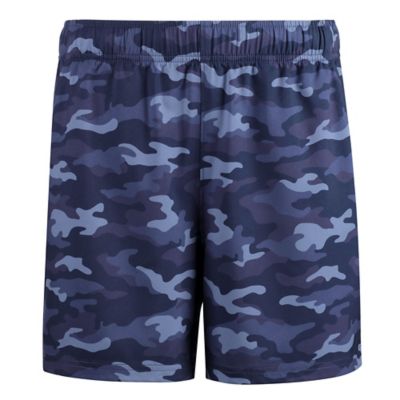
Fit makes the difference between clothes that feel fine standing still and clothes that stay comfortable mile after mile. Summer hiking shirts need enough room through the shoulders for reaching and swinging trekking poles, with a hem that stays beneath a pack’s hip belt rather than creeping upward. Shoulder seams and pocket placement deserve attention wherever pack straps rest, since even a small ridge can become bothersome after several hours. A close-fitting moisture-wicking layer can move sweat away from the skin, but snug should not mean restrictive through the chest or upper arms. Bottoms call for the same balance. An articulated knee, gusseted crotch, or stretch panel gives hiking pants room to move without excessive loose fabric catching on twigs. Waistbands that sit smoothly beneath a hip belt help limit pressure points, and an adjustable waist can accommodate changes in layering. Shorts offer ventilation and freedom on open, maintained paths; longer inseams may help reduce thigh rubbing, though the best length depends on body shape and stride. Lightweight pants provide more coverage around tall grass, scratchy brush, and sun-exposed stretches, without replacing other precautions against ticks or biting insects. Hiking skorts offer another option, with an inner short for coverage and an outer layer that moves freely. Pocket design matters when the route gets uneven. Secure closures help keep a key or trail map from slipping out, while pockets positioned away from the front of the thigh can feel less restrictive on steep steps. Reinforcement at high-wear areas may extend the life of clothing that sees regular contact with rough benches, rocks, and pack belts. Heavier fabric can better withstand abrasion, but extra weight may also reduce comfort on a hot climb. For a broader mix of trail layers and coverage options,
Outdoor Clothing For Hiking offers a related place to explore. The goal is a comfortable outfit that bends, reaches, and walks naturally, whether the plan involves a mile around the fishing pond or a longer ridge route.
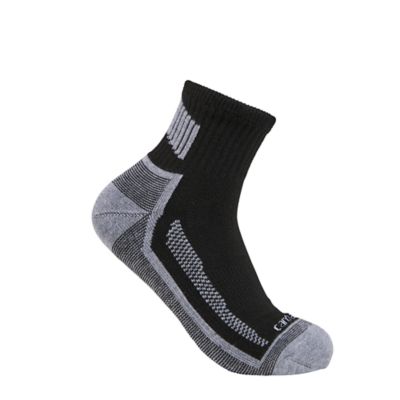
Small details round out summer trail comfort, particularly when an easy morning walk turns into an all-day outing. Lightweight wool or synthetic hiking socks help manage moisture inside footwear, and a smooth fit at the heel and toes limits bunching that can contribute to rubbing. Cushioning can soften contact beneath the foot, but thicker socks also take up more room, so they need to work with the fit of the shoes or boots. Sock height matters, too: fabric extending above the footwear collar puts a layer between the collar and bare skin. A breathable hat with a brim adds shade for the face, while broader brims can cover the ears and neck. A secure fit is handy on exposed overlooks where wind can lift a loose hat. Summer conditions can vary sharply between a sheltered hollow and an open summit, making a light extra layer useful even when the trailhead feels hot. A packable rain shell adds protection from showers and wind; breathable construction and ventilation openings help manage heat, although any waterproof layer can feel clammy during a hard climb. A water-resistant finish sheds light moisture but is not the same as waterproof construction with sealed seams. Care plays a part in how well hiking clothes keep performing over repeated outings. Following the garment label, closing zippers before washing, and keeping hook-and-loop tabs secured can help prevent snagging. Fabric softener can interfere with moisture-management properties on some performance fabrics, and excessive dryer heat can affect stretch fibers or water-repellent finishes. Wool layers may call for gentler washing and air drying, while shells can have separate instructions for cleaning and restoring their finish. Letting damp clothing dry fully before putting it away helps keep it fresh between trips. For someone who enjoys campground walks, birding paths, or weekend hikes with the family, trail clothing can also make a thoughtful gift when size and fit preferences are known. Comfortable seams, practical coverage, and straightforward care give these clothes a place beyond the trail, from packing the truck before daylight to settling onto a shaded porch after the walk.