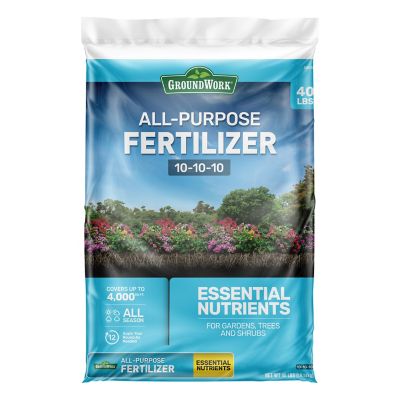
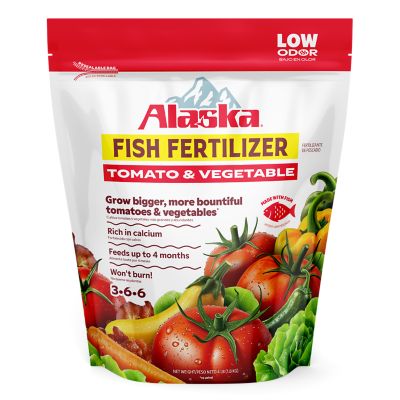
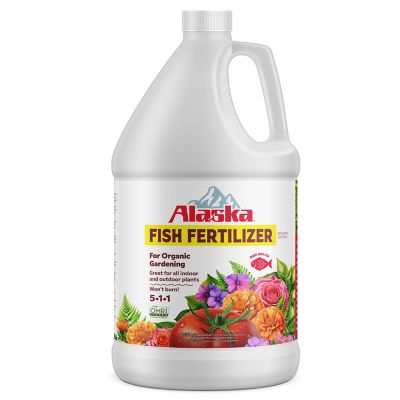
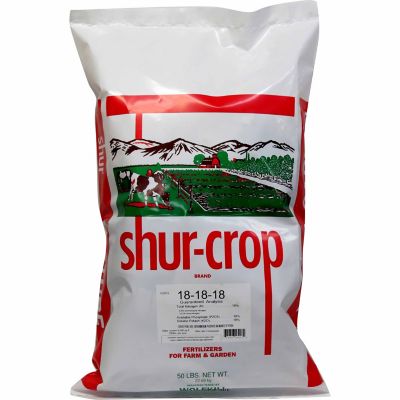
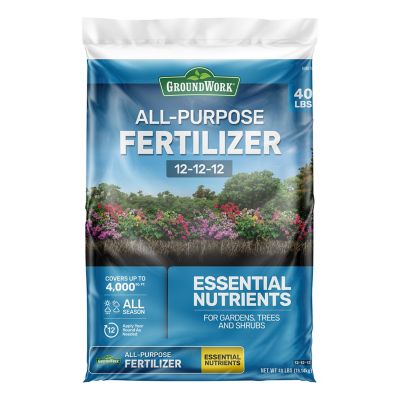
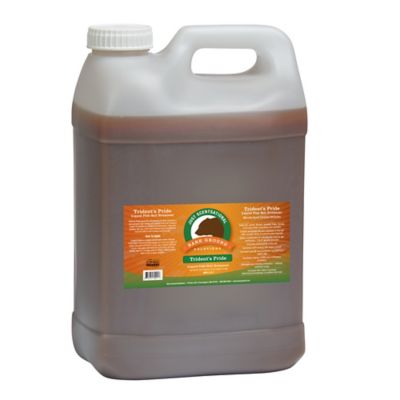
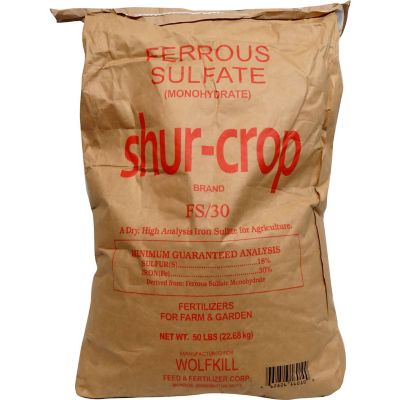
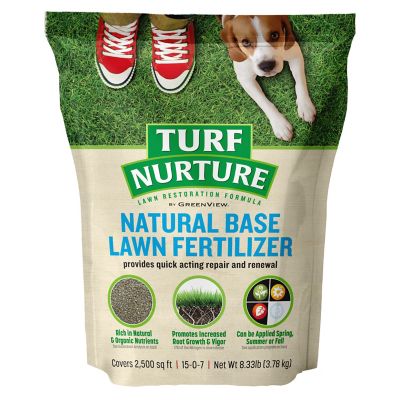
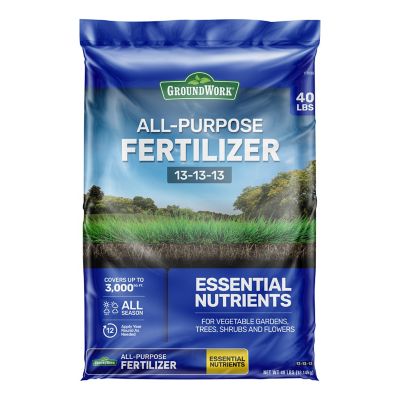
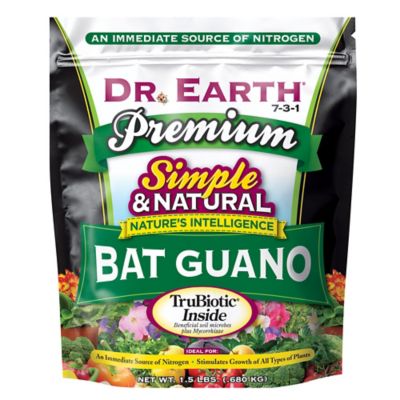
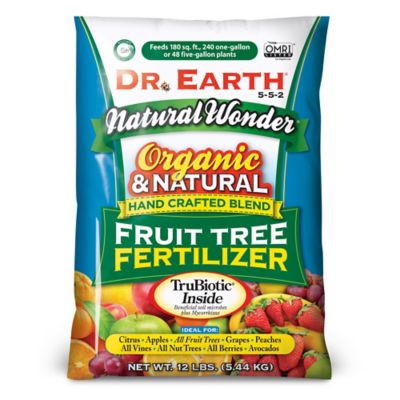
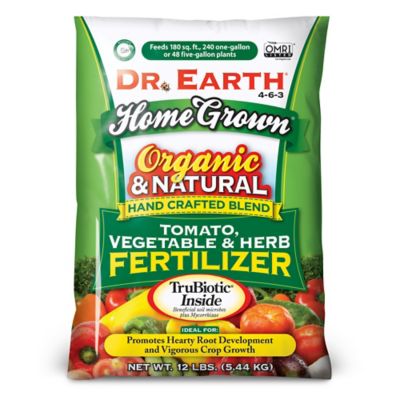
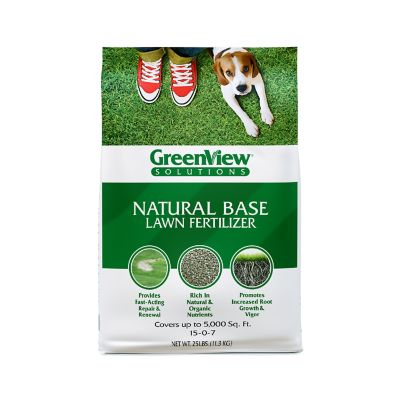
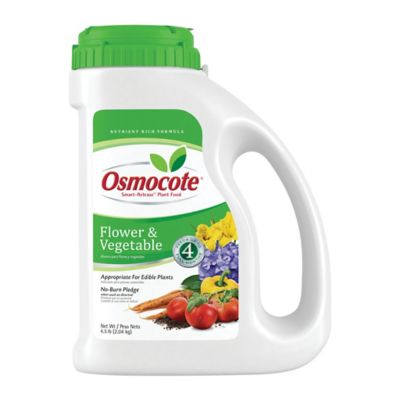
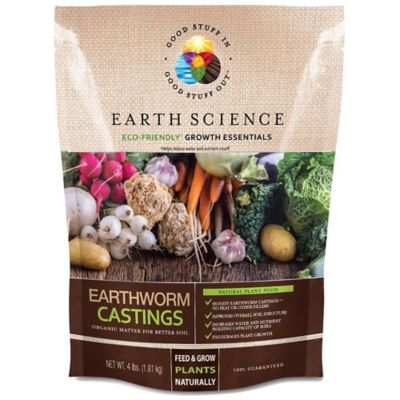
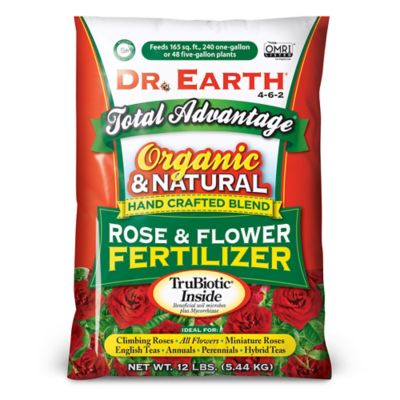
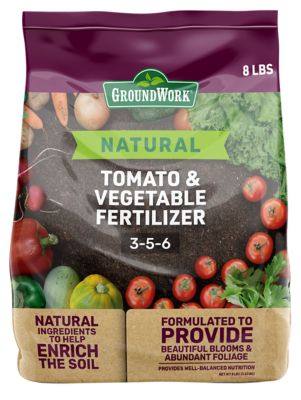
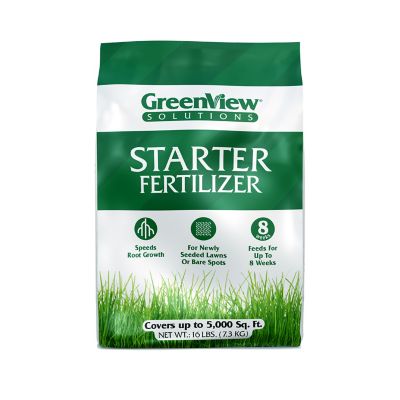
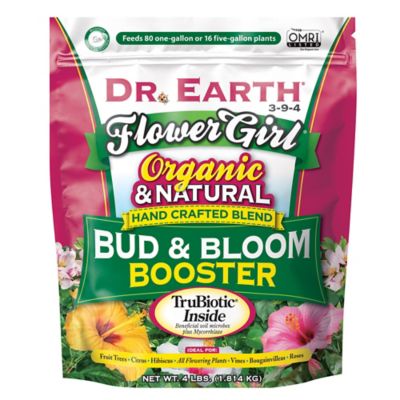
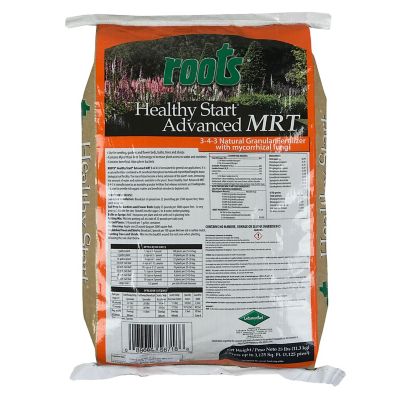
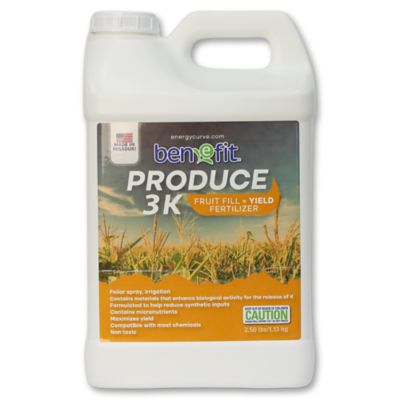
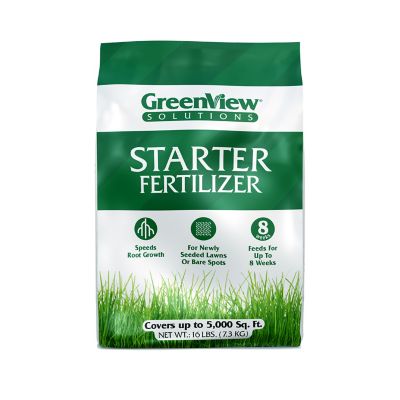
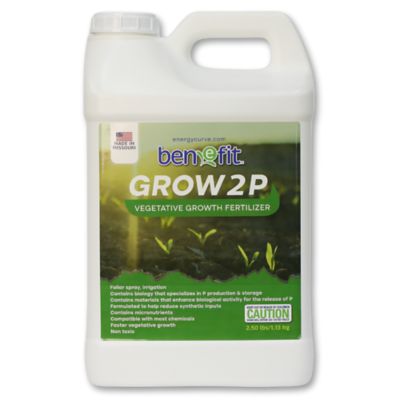
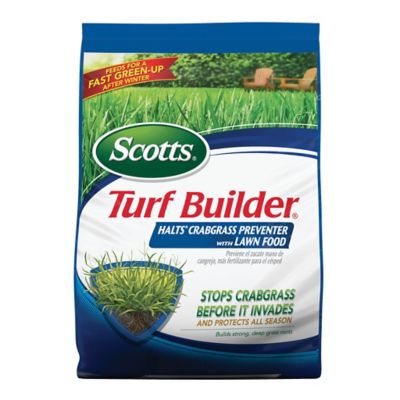
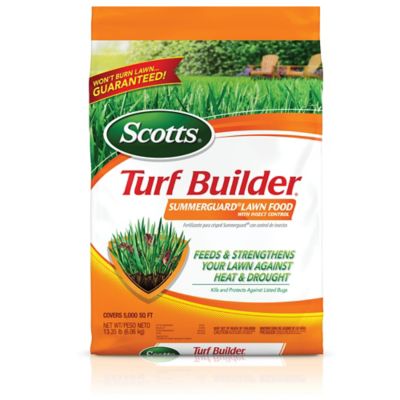
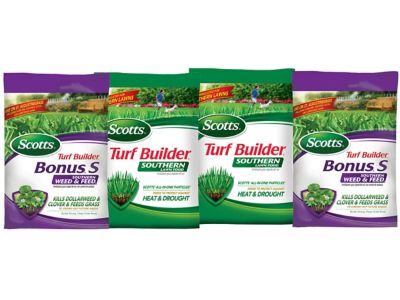
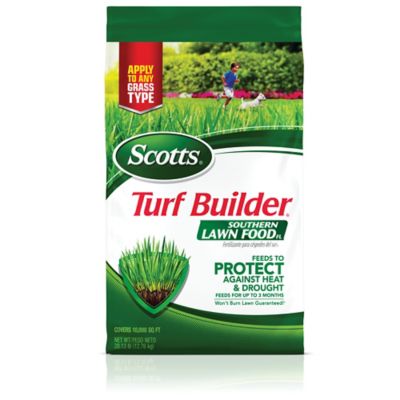
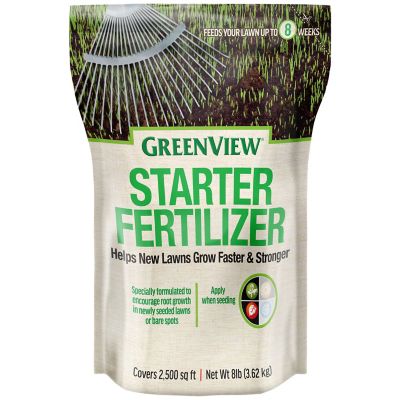
Soil fertilizers help replenish the nutrients plants use as they grow, making them a practical choice for vegetable gardens, flower beds, lawns, raised beds, containers, and landscape plantings. Healthy soil does more than hold roots in place—it provides water, air, and the steady supply of nutrients plants need for strong growth. Over time, nutrients can be used up by vegetables, washed away by rain, or depleted by repeated planting, especially in a busy garden where tomatoes, squash, corn, and other heavy feeders grow season after season. Fertilizer can help support new growth, root development, blooms, fruit production, and overall plant vigor when it is selected and applied according to the needs of the soil and plants. Before buying, consider whether the fertilizer will be used in the ground, in a raised bed, or in a container, since containers often need more regular feeding while garden soil may benefit from a slower, longer-lasting application. A soil test can offer useful insight into existing nutrient levels and pH, helping you avoid adding nutrients the soil already has in abundance. It is also wise to read the label for the recommended application rate, suitable plants, coverage area, and directions for watering or mixing. More fertilizer is not always better; applying too much can stress plants, damage roots, or allow excess nutrients to run off. During the cooler months, many gardens need less active feeding as growth slows, while lawn areas, perennial beds, and soil being prepared for the next growing season may call for a different approach. Choosing a fertilizer that matches the planting area makes routine care simpler and helps every application count.
The three-number N-P-K ratio on a fertilizer label shows the percentage of nitrogen, phosphorus, and potassium in the formula. Nitrogen supports leafy, green growth and is especially important for lawns and plants grown for foliage. Phosphorus helps support root development, flowers, and fruit, while potassium contributes to overall plant strength and helps plants handle environmental stress. A balanced ratio may suit general garden use, but a fertilizer with a higher first number may be better suited to leafy growth, while one with more phosphorus or potassium may be selected for particular flowering, fruiting, or root-focused needs when those nutrients are needed. Soil conditions and plant type should guide that choice rather than the numbers alone. Organic fertilizers, including materials made from plant, animal, or naturally occurring sources, generally release nutrients more gradually and can support soil biology and structure over time. They may be a good fit for gardeners who want to build healthier soil through steady improvements, though some organic formulas need warmth, moisture, and microbial activity to break down well. Synthetic fertilizers provide nutrients in forms plants can access more quickly and are available in many targeted formulas. For a closer look at fast-acting, manufactured nutrient options, browse
Chemical Fertilizers. Granular fertilizer is convenient for spreading across beds, lawns, and larger planting areas, and many granular formulas release nutrients over several weeks. Liquid fertilizer is mixed with water or applied as directed and can offer a quick boost, making it useful for containers, garden rows, and plants showing signs of active growth. Slow-release options can reduce the number of applications, while water-soluble formulas allow more control over when nutrients are delivered. Keep in mind that a plant with yellowing leaves, weak growth, or poor blooms may be dealing with watering problems, compacted soil, pests, disease, or a lighting issue rather than a simple nutrient shortage.
Soil fertilizers are useful for just about anyone who enjoys tending plants, from a first-time gardener filling a few patio pots to a landowner maintaining a large lawn or productive garden. A gardener preparing beds during the cooler months may work fertilizer into the soil according to label directions, giving nutrients time to become part of the growing environment before the weather warms and new planting begins. Others may use fertilizer around established trees, shrubs, ornamental plants, or perennial beds when appropriate for the plant and season. In containers, nutrients can wash out with frequent watering, so a container-friendly formula and a consistent feeding schedule can help plants stay productive without guesswork. Vegetable growers may look for fertilizer suited to garden crops, while flower gardeners may focus on formulas that support strong roots and dependable blooms. Fertilizer can also make a thoughtful gift for someone who has just built a raised bed, started a backyard garden, moved into a home with a lawn, or enjoys growing herbs and flowers on a porch. Pairing it with gardening gloves, a hand spreader, soil-testing supplies, or a watering tool creates a useful gift for a neighbor, parent, or friend who likes working outdoors. Store fertilizer in its original labeled container, away from children, pets, feed, and moisture, and wash hands after handling it. Always follow the package directions, keep granules and concentrates off hard surfaces where they can wash into drains, and water as directed. With the right formula, careful application, and a little attention to the condition of the soil, fertilizer can help turn tired ground into a more dependable growing space and give plants the support they need through changing seasons.