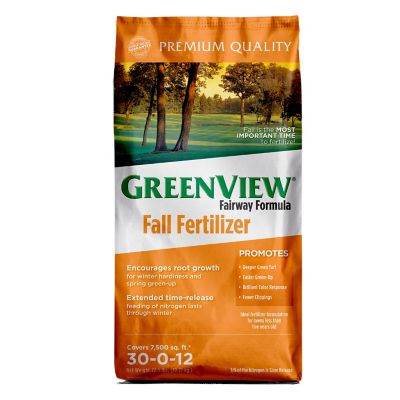
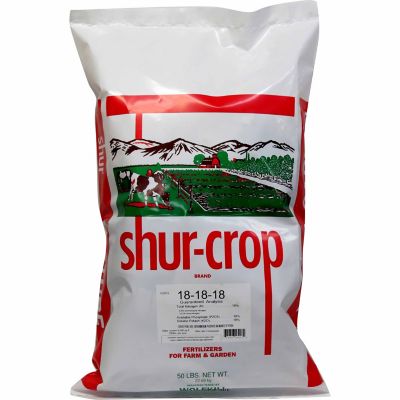
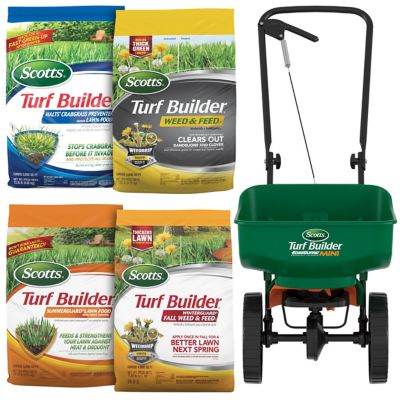
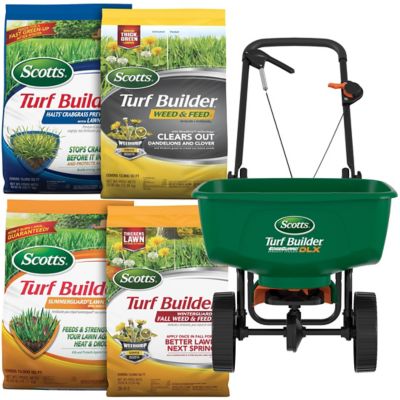
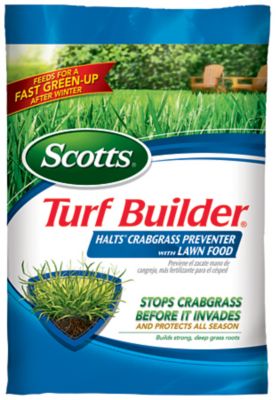
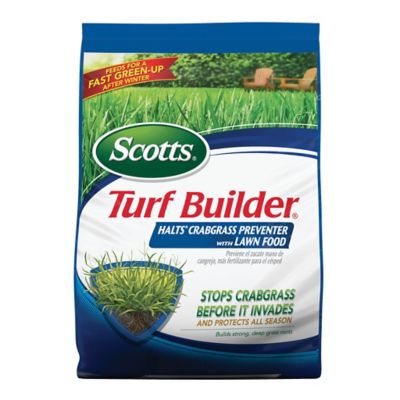
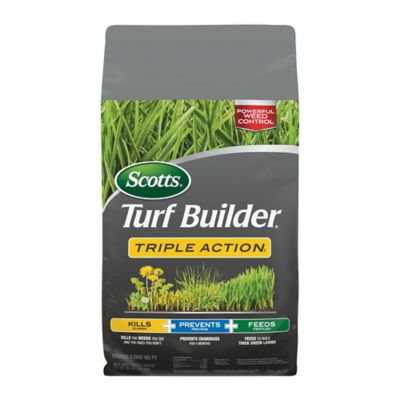
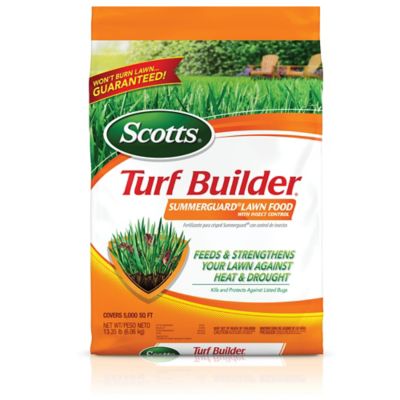
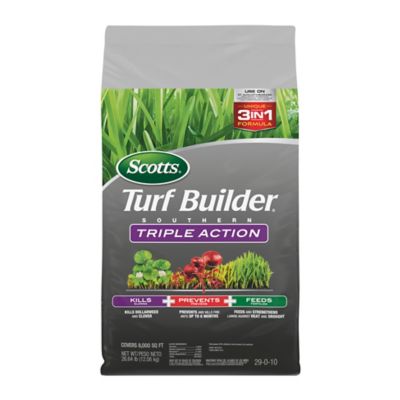
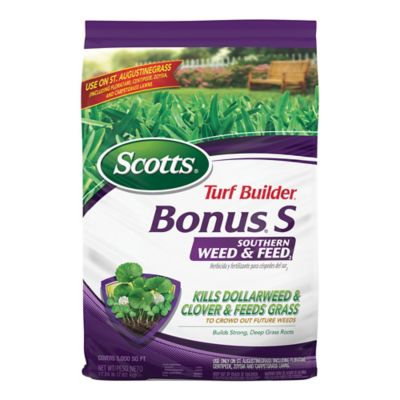
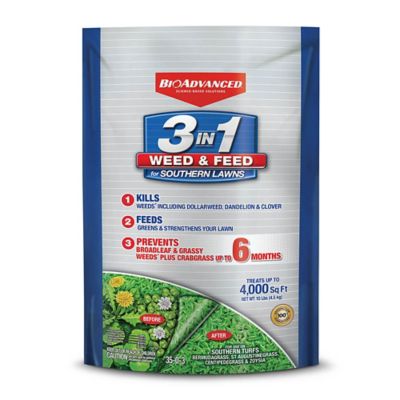
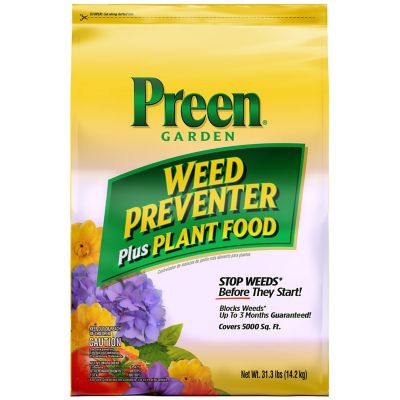
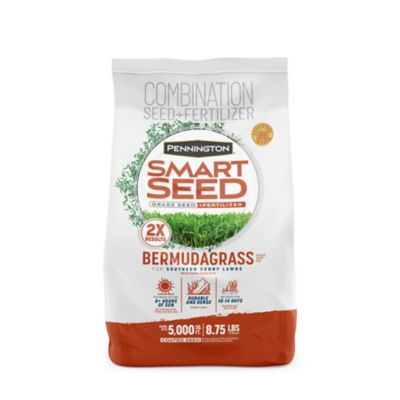
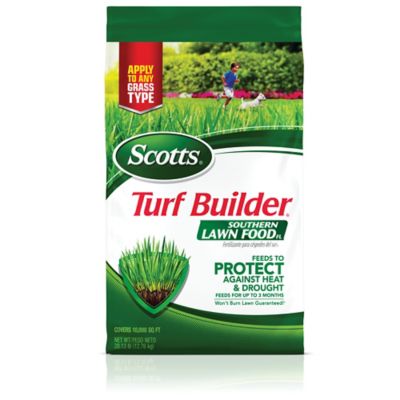
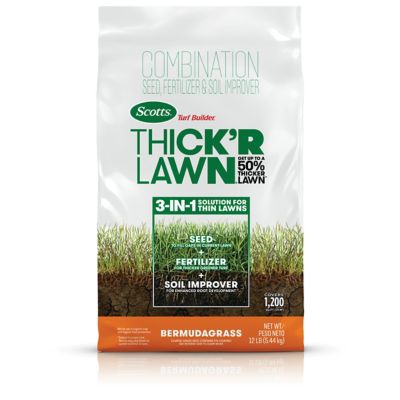
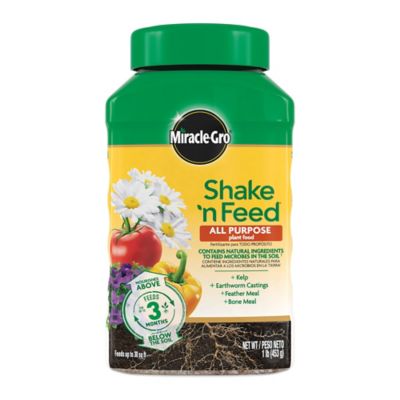
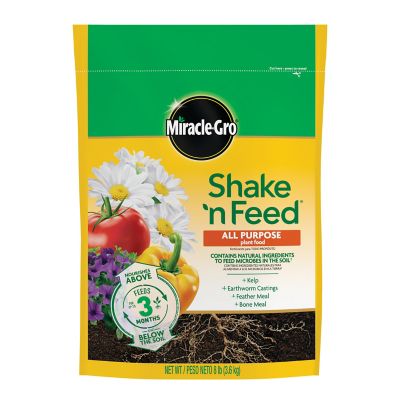
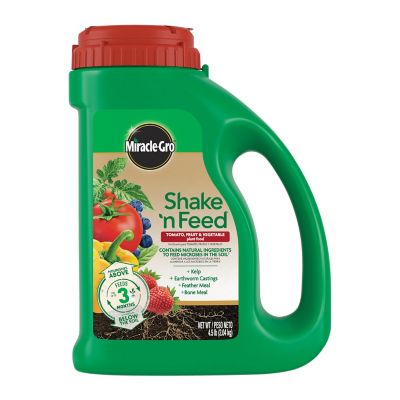
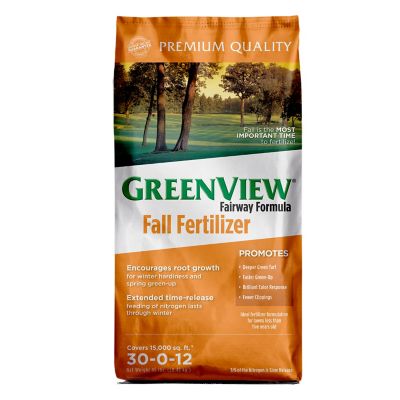
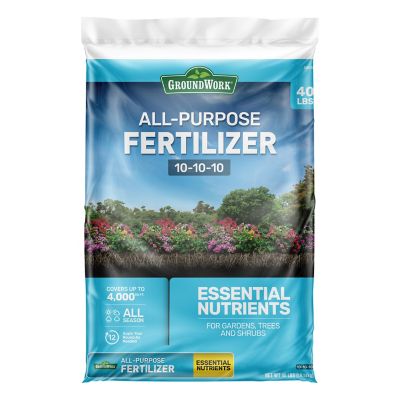
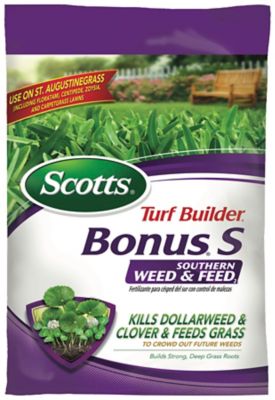
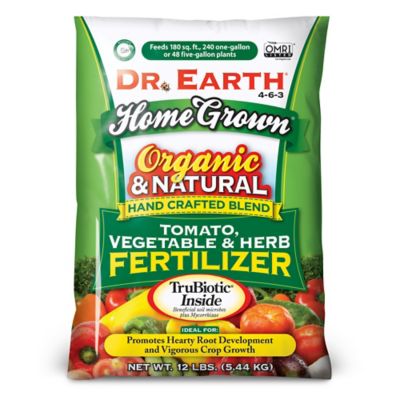
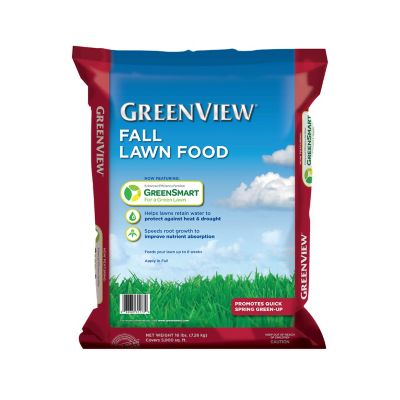
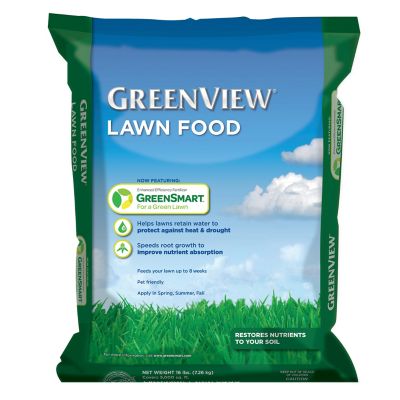
Fertilizer granules are a handy way to give lawns, gardens, flower beds, trees, shrubs and other growing spaces a steady supply of plant nutrients. These dry, solid pellets are made to be spread across the soil, where moisture from rain or watering gradually dissolves them and carries nutrients down toward plant roots. Depending on the formula, granular fertilizer may feed for several weeks or continue releasing nutrients for a few months, so it can be a practical choice for busy homeowners, acreage owners, gardeners and anyone caring for more than a few containers on the porch. Granules are especially useful when you want even, measured coverage over a lawn or planting area without having to mix a liquid solution. Before choosing a bag, consider what you are feeding and what the soil already needs. The three numbers on a fertilizer label show the N-P-K ratio: nitrogen supports leafy green growth, phosphorus helps with root development and flowering, and potassium supports overall plant strength and stress tolerance. A balanced formula may suit general garden use, while a lawn, vegetable patch, flowering bed or established tree may have different needs. Soil testing can help prevent guesswork and show whether certain nutrients are already plentiful. For a broader look at options for improving and feeding growing soil, visit
Soil Fertilizers. Organic and conventional granular fertilizers are both available, and each can have a place in a well-kept landscape. Organic formulas are often made with naturally derived materials and may contribute organic matter or support soil life as they break down, while conventional formulas can offer clearly defined nutrient amounts and dependable feeding. Read the analysis, intended use and application directions on every package, since fertilizer strength and release time can vary quite a bit from one formula to another.
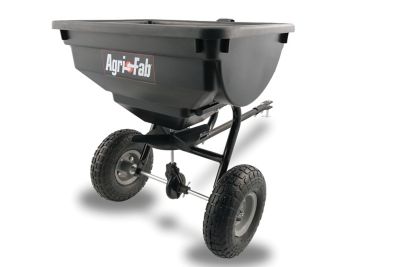
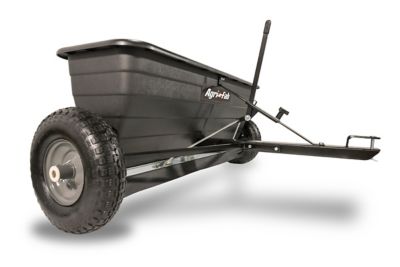
The right application method matters just as much as the fertilizer you choose. For a lawn or other broad area, a broadcast spreader can help distribute granules over a wide swath, while a drop spreader offers more control along narrow strips, garden borders and walkways. Small beds and containers may be handled with a scoop or gloved hand, but take care to measure rather than scattering by feel. Uneven coverage can leave dark green stripes, thin patches or concentrated areas where grass and roots may be damaged. Set the spreader according to the package directions, keep a steady walking pace and avoid overlapping passes more than recommended. It is also wise to sweep stray granules off driveways, sidewalks, patios and other hard surfaces so they do not wash into drains or nearby waterways. Watering after application is commonly recommended because moisture starts breaking down the pellets and moves nutrients into the soil, but the label should always be the final word. Applying extra fertilizer does not make plants grow faster; too much can burn grass, injure roots, encourage weak leafy growth or run off during heavy rain. Avoid spreading on frozen, waterlogged or drought-stressed ground unless the instructions specifically allow it. During the warmer part of the growing season, plants may be actively producing leaves, flowers or fruit and can use nutrients readily. As temperatures ease and the growing season winds down, some lawns, trees and perennial plantings may benefit from a carefully timed feeding, while other plants may need little or no fertilizer as they prepare for dormancy. Keep granules in their original, tightly closed container in a dry place, and store them where children, pets and livestock cannot reach them. Wash hands after handling, wear the protective gear listed on the label and follow any directions about keeping people and animals off a treated area until it is safe.
Fertilizer granules can be useful for many kinds of growers, from someone reseeding a tired patch of rural lawn to a first-time gardener tending tomatoes, herbs or flowers beside the house. They also make a thoughtful add-on for a gardener, new homeowner, community garden volunteer or acreage owner who enjoys working outdoors, especially when paired with gloves, a small hand spreader, a soil test or other practical garden supplies. A gift recipient may appreciate having the right plant food on hand when beds are being refreshed, a new lawn is getting established or trees and shrubs need attention during the changing seasons. For vegetable gardens and edible plantings, choose a fertilizer labeled for that use and follow directions closely, including any waiting period before harvest. Container plants may need a different approach because nutrients can wash through potting mix faster, while native plants, established trees and low-maintenance landscapes may require less feeding than a hungry lawn or annual flower bed. Granules are not a substitute for good soil, adequate sunlight, proper watering or sound planting practices, but they can help round out a simple care routine. A healthy application often starts with clearing away fallen leaves and weeds, checking soil moisture, spreading the recommended amount evenly and watering as directed. Keep an eye on the ground afterward: steady color and growth are better signs than a sudden flush of tall, soft foliage. Whether you are caring for a few raised beds, a large yard or pasture-side plantings around the homestead, selecting fertilizer granules by nutrient needs, release rate, application area and preferred ingredients can make seasonal upkeep more manageable. With careful measuring and a little attention to the weather, granular plant food can support stronger roots, greener growth and productive garden spaces from the warm growing days into the cooler months.