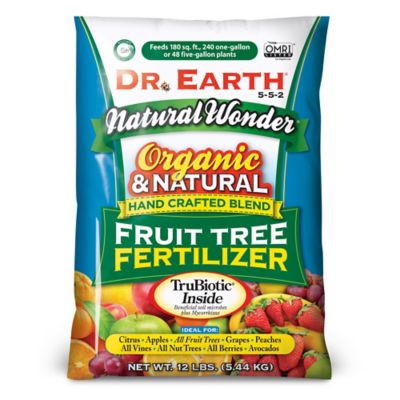
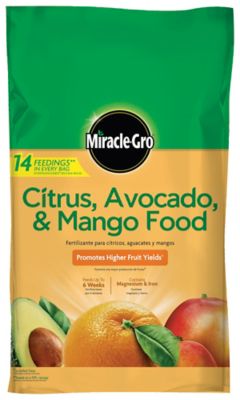
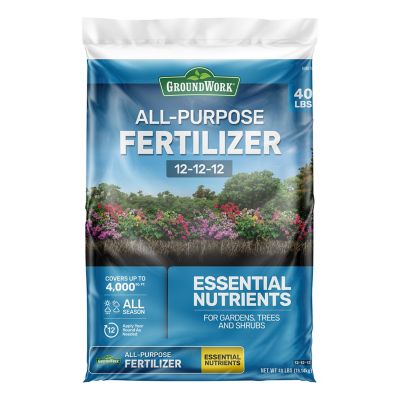
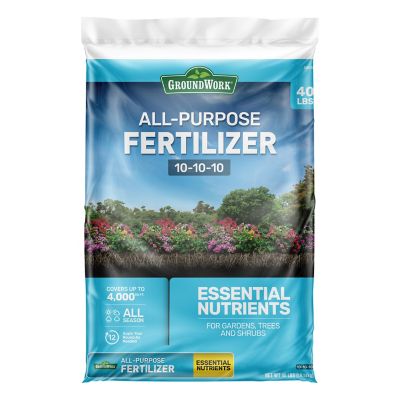
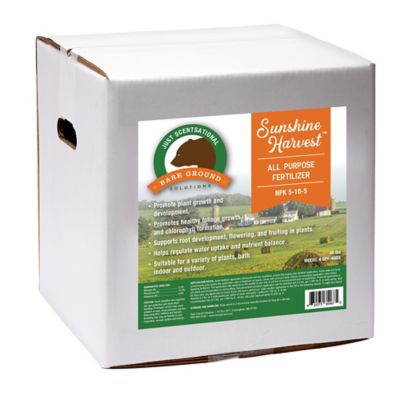
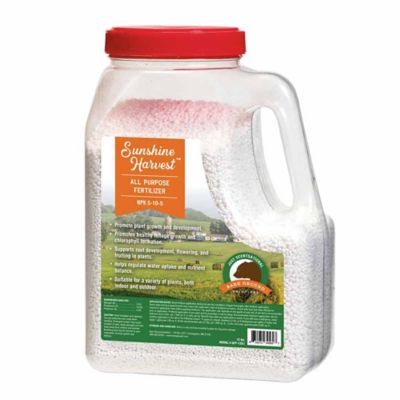
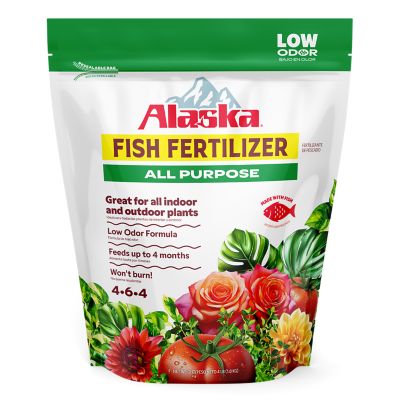
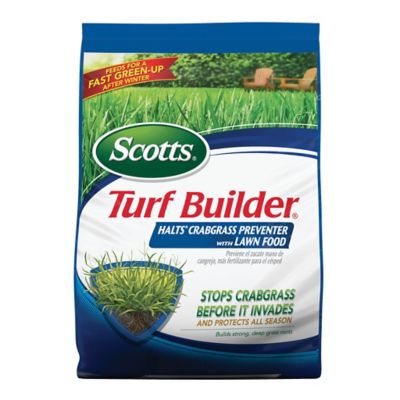
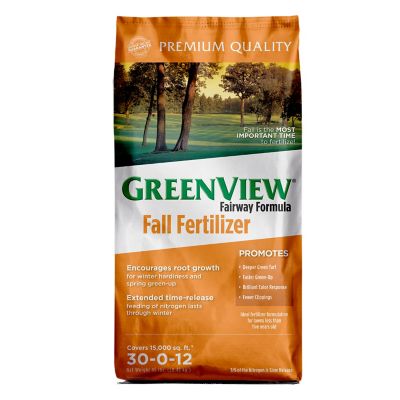
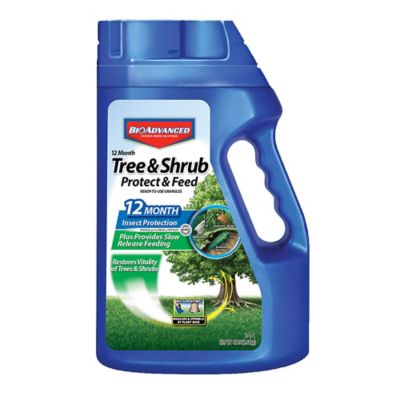
Fruit fertilizers help give fruit trees, berry bushes, vines, and fruiting garden plants the nutrients they need for sturdy growth, healthy blossoms, and a dependable crop. Whether you are caring for a backyard apple tree, a row of blackberry bushes, a grapevine along the fence, or patio-grown citrus and strawberries, the right fertilizer can support the plant through the demanding work of producing fruit. Most fertilizer formulas list three primary nutrients on the bag or bottle: nitrogen, phosphorus, and potassium. Nitrogen generally supports leafy, green growth; phosphorus helps with root development and flowering; and potassium plays an important role in overall plant strength, water movement, and fruit quality. The numbers on the label show the percentage of each nutrient, so comparing those numbers can help you choose a formula that fits your plants rather than guessing by package size alone. Fruit trees and established vines often need a different balance than leafy vegetables, while container plants may need a gentler, more frequent feeding routine because watering can wash nutrients out of potting soil. Organic and synthetic options can both be useful when used according to the label. Organic formulas may include composted ingredients, natural mineral sources, beneficial soil microbes, or mycorrhizae, while synthetic formulas offer measured nutrients that dissolve and become available quickly. A soil test is a handy way to spot what your ground is missing, especially when leaves look pale, growth is weak, or a mature tree flowers but produces little fruit. At the same time, more fertilizer is not always better. Too much nitrogen can push soft leafy growth at the expense of blossoms and fruit, and excess fertilizer can damage roots or run off into nearby water. Choosing a fertilizer made for fruit trees, fruiting plants, or edible gardens is a sensible starting point for home gardeners, orchard keepers, and anyone adding a few productive plants to a country property.
When shopping for fruit fertilizer, consider the type and age of the plant, whether it grows in the ground or a container, the size of the planting area, and how you prefer to apply nutrients. Granular fertilizer is convenient for spreading around established trees and shrubs, while liquid fertilizer mixes with water and can be useful for containers, raised beds, young plantings, or gardeners who prefer a quick, even application. Concentrated liquids should be measured carefully and diluted exactly as directed. A ready-to-use formula may be a better fit for a few patio plants or a small garden, while a larger orchard or berry patch may call for a larger bag or concentrated option. Slow-release formulas can feed over time and reduce the need for frequent applications, but they still need to be matched to the plant and local growing conditions. For more focused feeding around fruit trees, explore
Liquid Fertilizer for Fruit Trees. Always read the application directions before spreading or mixing fertilizer, since rates vary by nutrient strength, plant size, and growing medium. For granular products, spread the recommended amount evenly beneath the canopy and around the drip line—the outer edge of the branches where many feeder roots are found—rather than piling it against the trunk. Keep fertilizer off the trunk, stems, and foliage unless the label specifically calls for a foliar application. Water thoroughly after applying dry fertilizer so nutrients can move into the root zone, and avoid feeding soil that is frozen, waterlogged, or bone dry. Liquid fertilizer should also be applied to moist soil when possible, since damp roots are better able to take up nutrients without added stress. Young trees, newly transplanted plants, and potted fruit plants may have different needs from mature trees, so a product label and the plant’s care information should guide the schedule.
Fruit fertilizer is useful for a wide range of people, from first-time gardeners growing a blueberry bush beside the porch to experienced growers maintaining rows of peaches, pears, figs, or grapes. It can also make a practical gift for someone settling into a new home, tending a family orchard, building a pollinator-friendly garden, or learning to grow food in containers. Pairing fertilizer with a sturdy pair of garden gloves, a soil test kit, pruning tools, or a watering can can turn a simple gardening gift into something they will use through the growing season. As the weather cools, many fruit plants slow down or enter dormancy, so late-season care is usually more about cleanup, watering when conditions are dry, mulching, and planning than pushing new growth with fertilizer. In many growing regions, feeding is scheduled before spring growth begins and may be repeated after fruit has set, but the best timing depends on the plant variety, climate, soil, and fertilizer instructions. Avoid applying nutrients during the dormant cold season unless the label or a local growing recommendation specifically says otherwise. Keep bags and bottles sealed and stored in a dry place away from children, pets, feed, and seed. With the right formula, careful placement, and a little patience, fruit fertilizer can help turn ordinary backyard plantings into productive spaces filled with leafy branches, fragrant blooms, and the satisfying sight of fruit ripening close to home.