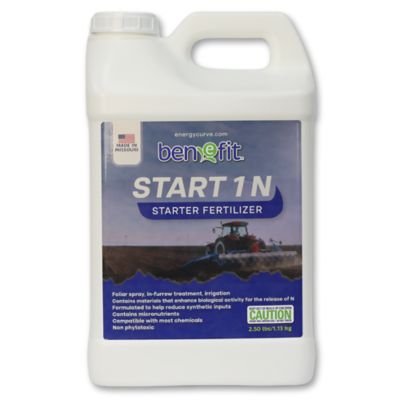
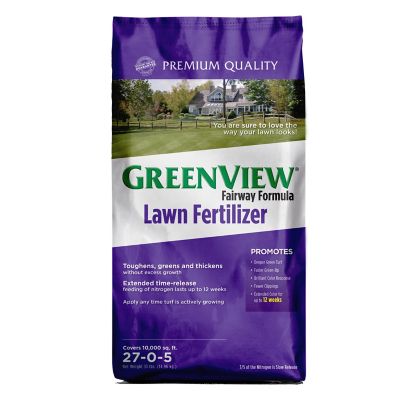
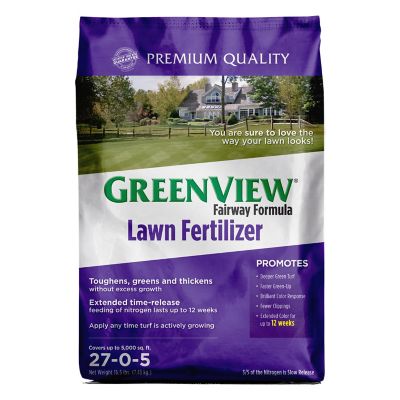
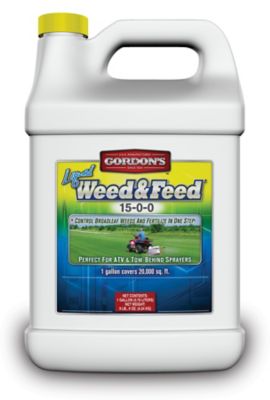
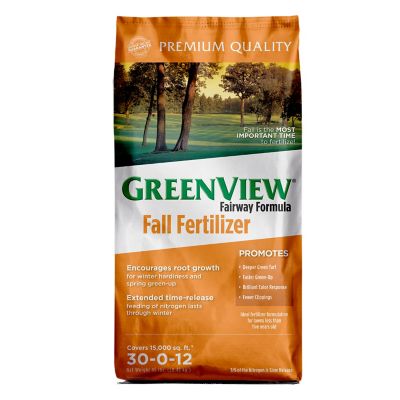
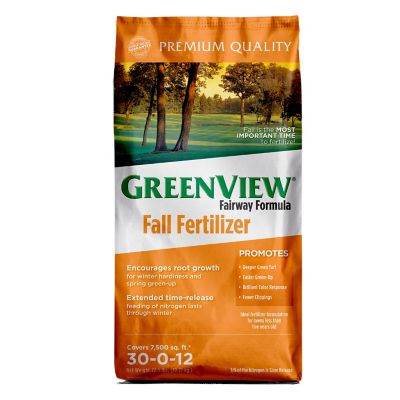
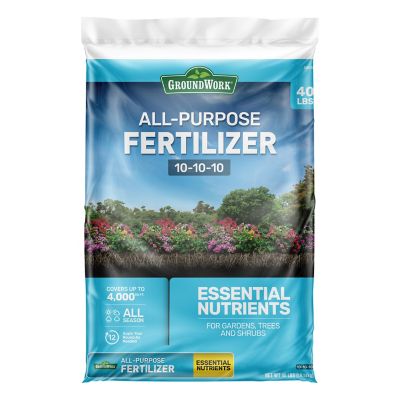
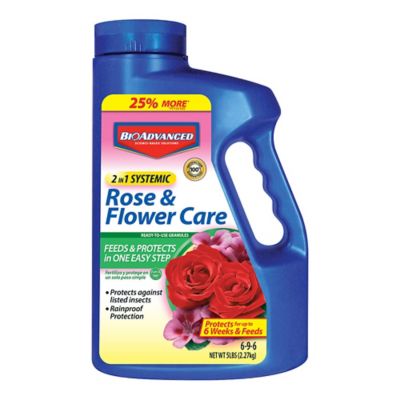
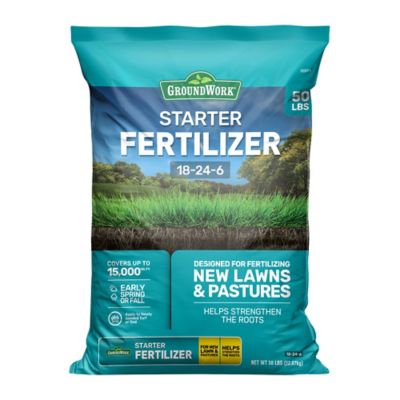
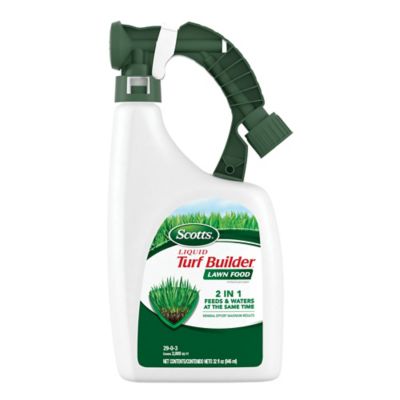
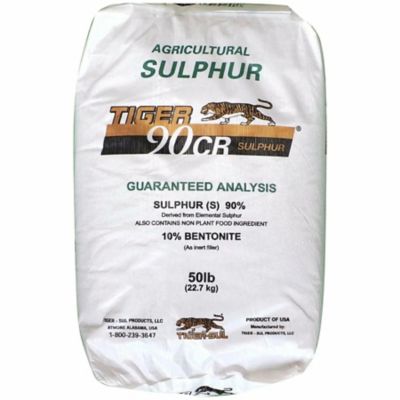
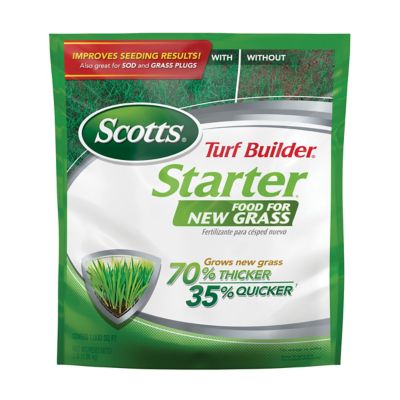
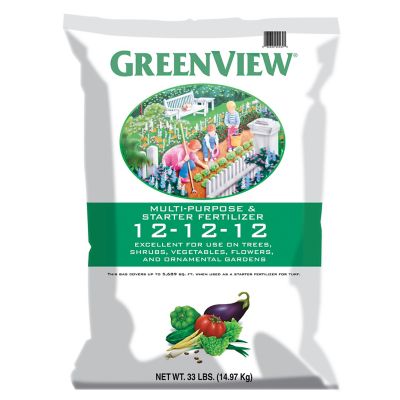
Chemical fertilizers supply essential plant nutrients in concentrated mineral forms for lawns, gardens, landscape plants, and agricultural crops. Often called synthetic or mineral fertilizers, they can help fill nutrient gaps that limit plant growth, even when a planting gets enough sunlight and water. The main nutrients are nitrogen, phosphorus, and potassium, commonly shown on fertilizer packaging as an N-P-K analysis. Those three numbers represent the percentages by weight of nitrogen, available phosphate, and soluble potash—not a rating of how well a fertilizer will work in every setting. Nitrogen supports leafy growth and green color, phosphorus contributes to root development and energy transfer, and potassium supports water regulation and several processes involved in plant stress response. Some formulas also supply secondary nutrients, such as calcium, magnesium, or sulfur, along with micronutrients such as iron or zinc. The right balance depends on the plant and the soil beneath it. A lawn beside the house, a vegetable patch behind the barn, and a field planted for harvest can have very different nutrient needs. Soil testing helps identify those differences, including pH conditions that affect how readily roots can take up nutrients. More fertilizer cannot always solve a growth problem; poor drainage, drought, compacted ground, or unsuitable soil pH can leave plants struggling even when nutrients are present. Chemical fertilizers make the most sense as part of a broader approach that also accounts for soil structure, organic matter, moisture, and plant health. Their concentrated nutrient content makes application rates especially important, since a small amount can supply a substantial feeding. For homeowners tending turf, gardeners raising vegetables, and growers managing acreage, the practical appeal is the ability to match a nutrient analysis and application method to a particular job. That might mean supporting an established lawn during active growth, addressing a documented nutrient shortage in a garden bed, or replacing nutrients removed from a field at harvest. The best fit starts with the ground, the planting, and the result the fertilizer is intended to support.
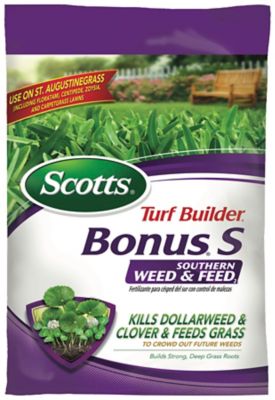
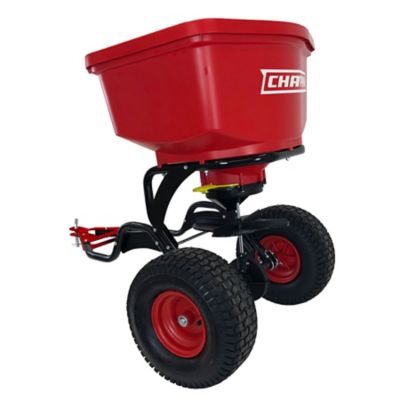
Chemical fertilizers come in granular, liquid, and water-soluble forms, with differences that matter when there is work to get done across a yard or field. Dry granules can suit broadcast or drop spreaders, while liquid concentrates and soluble powders require mixing and application equipment appropriate to their labels. The physical form alone does not determine how quickly a fertilizer feeds plants. Readily soluble nutrients become accessible after dissolving in sufficient moisture, while slow-release or controlled-release components spread nutrient delivery over a longer period. Some controlled-release granules have coatings that regulate how nutrients move out into the surrounding soil. Their performance can depend on temperature and moisture, so a stated feeding period is not a promise of identical results in every season or location. Fast-release fertilizer can support a quicker response when nutrient deficiency is limiting growth, but it also calls for close attention to rate, timing, and watering directions. Excess soluble fertilizer can injure roots or foliage through salt stress, particularly on dry soil or during unfavorable weather. For a homeowner working around fence corners and narrow lawn strips, spreader control and even coverage matter as much as the analysis on the bag. A broad field presents a different set of considerations, including equipment capacity, application width, and the total amount of each nutrient delivered per acre. Package coverage is tied to the stated application rate, so bag weight by itself is not enough to compare how much ground a fertilizer will treat. Compatibility matters, too: not every formula belongs on edible crops, newly seeded grass, established turf, or container plants. Fertilizers containing an added weed-control ingredient have restrictions beyond plant feeding and need particular attention around gardens and desirable plants. Straight fertilizers and combination lawn treatments serve different purposes. Matching the labeled application site, nutrient balance, release pattern, and equipment helps keep the task straightforward, whether the job covers a few raised beds or a long stretch of grass along the driveway.
Good fertilizer fit also includes what happens between applications: storage, equipment care, and keeping nutrients where plants can benefit from them. Moisture can cause some dry fertilizers to cake, making them harder to spread evenly. Original, labeled containers stored according to package directions help protect the contents and keep handling information close at hand. Liquid formulas may have temperature limits for storage, and concentrated materials need to stay out of reach of children, pets, and livestock. Any directions about protective clothing, watering, or returning people and animals to a treated area remain important after the spreading is done. Fertilizer residues can contribute to corrosion on metal equipment, so spreaders and application tools need cleaning and drying as their manufacturers recommend, with rinse water kept away from drains and waterways. Outdoors, timing affects both feeding performance and nutrient movement. Applying before a heavy downpour can carry nutrients off the intended area, while frozen or saturated ground increases the chance of loss rather than useful root uptake. Granules scattered onto a driveway or sidewalk belong back on the labeled treatment area, not in the ditch after the next rain. During the cooler months, plant growth patterns deserve particular attention. Cool-season turf may still have a feeding window while warm-season grass is slowing toward dormancy, and garden or field applications depend on the crop, local conditions, and soil-test recommendations. A greener appearance is not always proof that more feeding is needed, nor does every yellow leaf point to a nitrogen shortage. On working acreage, nutrient planning also takes previous crops, yield goals, and other nutrient inputs into account.
Fertilizers For Agricultural Crop Production relates more closely to those field-scale needs, where application rates and nutrient replacement are tied to the crop being grown. Across lawns, gardens, and farmland, chemical fertilizers offer a way to supply specific nutrients without adding large amounts of organic material. They do not replace the soil-building role of compost or other suitable amendments. Their value lies in a well-matched formula, a measured application, and conditions that allow the plants to put those nutrients to work.