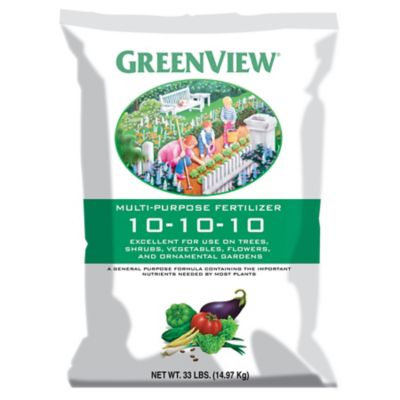
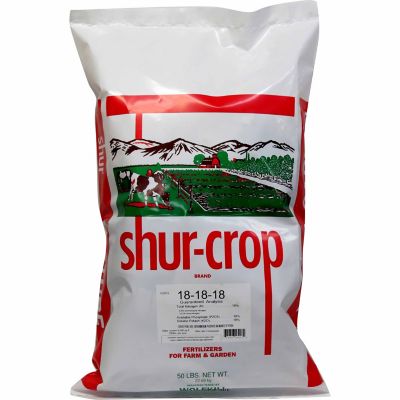
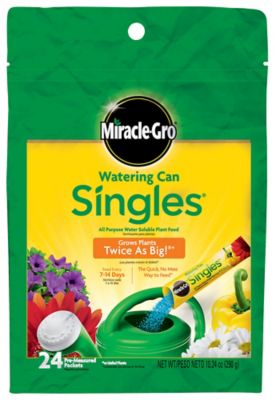
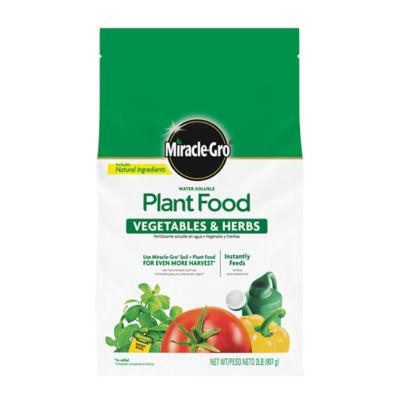
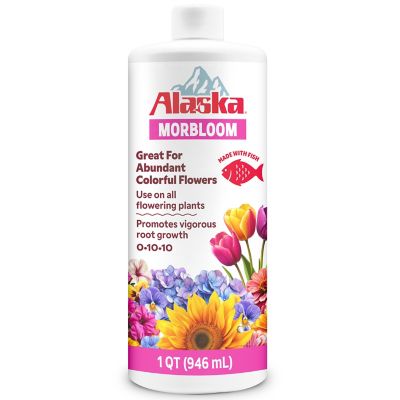
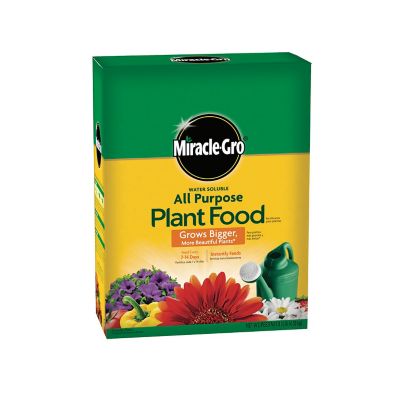
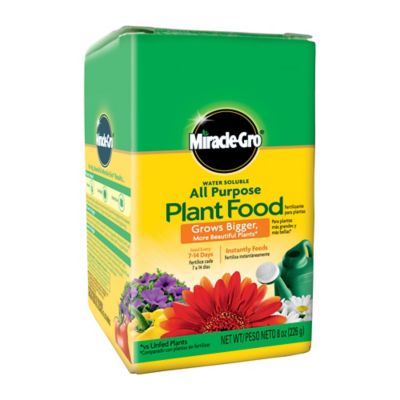
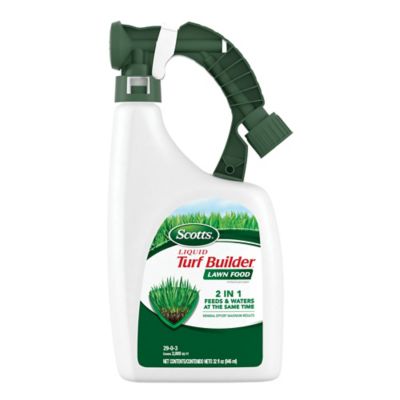
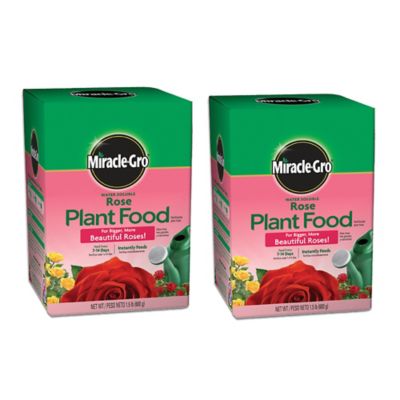
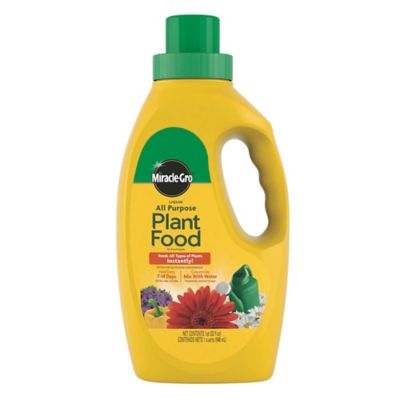
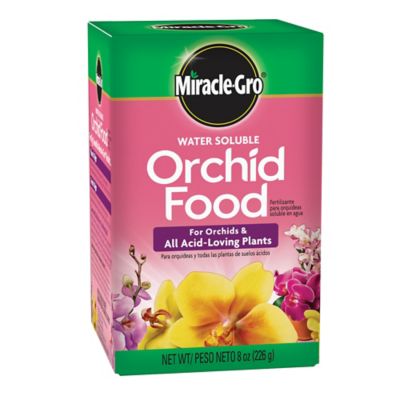
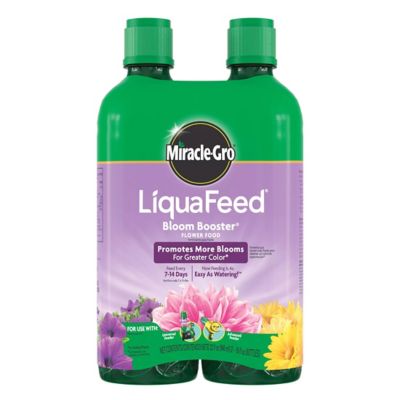
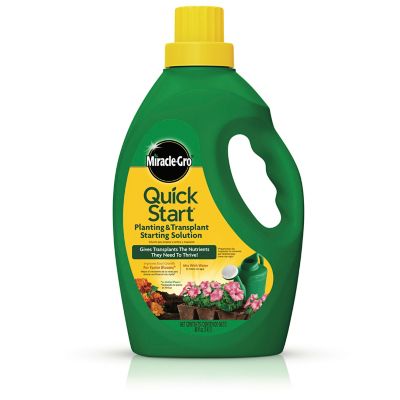
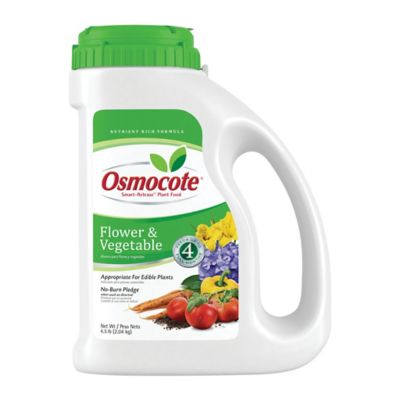
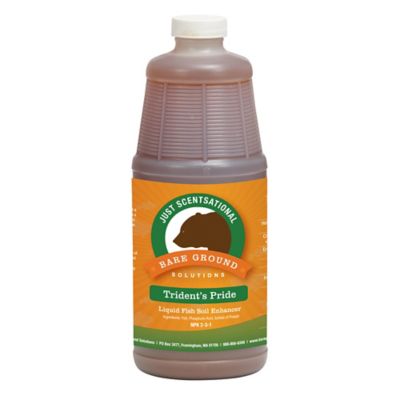
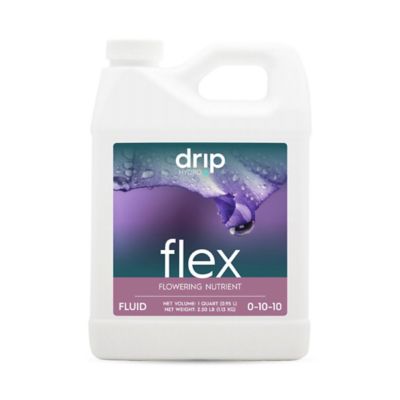
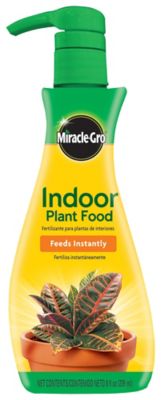
Soluble fertilizers are plant foods that dissolve in water, delivering nutrients in a solution that plant roots can absorb. Often called water-soluble fertilizers, they offer a practical way to feed everything from a few houseplants on the windowsill to vegetables in raised beds and plants growing in a greenhouse. Dry soluble powders and crystals are mixed with water before application, while liquid concentrates require dilution according to their labels. Once dissolved, the nutrients are available for uptake without the same release process associated with slow-release fertilizer coatings. That makes soluble plant food useful when a grower wants more control over nutrient concentration and feeding frequency, though visible results depend on the plant, its growing conditions and the reason it needs feeding. The three numbers on a fertilizer label represent nitrogen, phosphate and potash percentages by weight, commonly called the NPK ratio. Nitrogen supports leafy growth, phosphorus contributes to energy transfer and root development, and potassium helps plants regulate water and carry out essential growth processes. Some formulas also supply nutrients such as magnesium, sulfur, iron, manganese and zinc. These additional nutrients can matter in container mixes and other growing systems where the available nutrient supply is limited. A suitable formula depends on what is growing and what nutrients are already present, rather than simply having the largest numbers on the package. A tomato vine carrying fruit, a tray of young transplants and a leafy houseplant do not necessarily need the same nutrient balance or concentration. Nor does extra phosphorus automatically produce more flowers when a plant already has enough. For folks tending porch containers, vegetable patches or nursery benches, soluble fertilizers provide a flexible feeding option that fits into regular watering. They supply nutrients, but they do not replace adequate light, suitable soil, healthy roots or the right amount of water. Those basics still determine how well a plant can put its fertilizer to work.
The best fit also comes down to where the fertilizer will go and how it will be applied. Container plants have a limited volume of growing mix, and repeated watering can carry nutrients out through drainage holes. Soluble fertilizer can help replenish that supply without requiring dry fertilizer to be worked into a crowded pot. Plants growing directly in the ground have a different starting point, since soil texture, organic matter and existing fertility affect nutrient needs. A soil test can help identify shortages and prevent unnecessary additions, especially in a vegetable patch that has received compost or fertilizer over several planting cycles. For potting mixes, a growing-media test may offer more useful information than a standard field-soil test. Application methods vary, too. Some soluble fertilizers suit watering cans or hose-end feeders, while others have labeling for injector systems that deliver nutrients through irrigation. Compatibility with the equipment matters because the feeder setting, dilution rate and amount of water all influence the final concentration reaching the roots. Clear mixing directions and an appropriate measuring tool make it easier to keep each batch consistent. A strong solution is not a shortcut to stronger plants; excess fertilizer salts can injure roots or leaf edges, particularly in small containers. Young seedlings and tender plants often call for lower concentrations than established plants, with the product label setting the boundaries. Root feeding is common, while leaf feeding is appropriate only when the fertilizer label allows it. Foliar feeding is not a replacement for meeting a plant’s full nutrient needs through its roots. Water chemistry also deserves attention in ongoing greenhouse or container production, since alkalinity and dissolved minerals can influence nutrient availability. Yellow leaves alone do not prove a fertilizer shortage: watering problems, root damage and unsuitable pH can produce similar symptoms. Matching the fertilizer to the actual growing situation helps avoid feeding a problem that nutrients cannot solve.
Handling and storage are part of choosing soluble fertilizer, especially when feeding happens in a potting shed, barn workspace or busy greenhouse. Dry formulas benefit from tightly closed packaging that keeps moisture out and helps prevent clumping. Liquid concentrates need secure caps and storage that follows the label, away from food, animal feed, children and pets. A clearly marked scoop or measuring cup reserved for fertilizer keeps garden supplies separate from kitchen tools. Package size should suit the amount of planting being maintained and the space available for safe storage; a small collection of houseplants has different needs than several benches of nursery containers. Freshly prepared solutions are generally easier to manage than a forgotten bucket of mixed plant food, and labels may specify limits on storage after mixing. Combining fertilizers with pesticides or other garden products also requires checking the labels rather than assuming everything belongs in the same tank. Around troughs, ponds, drainage ditches and outdoor work areas, careful handling helps keep concentrated nutrients out of water sources. Feeding established plants within the labeled rate, maintaining proper drainage and keeping track of applications all support consistent care without piling on unnecessary nutrients. Soluble fertilizer is one option among several, and the physical form alone does not tell the whole story. Some granules dissolve readily in water, while others are intended for direct soil application or release nutrients over a longer period. The
Fertilizer Granules page offers another way to explore fertilizer formats, with the label providing the details on dissolution, application and release characteristics. For a gardener carrying a watering can between porch pots or a grower feeding rows of containers, the practical goal is the same: a formula that suits the plants, an application method that fits the setup and a nutrient supply that supports steady growth. Soluble fertilizers make that feeding approach manageable when their concentration and intended use match the job.