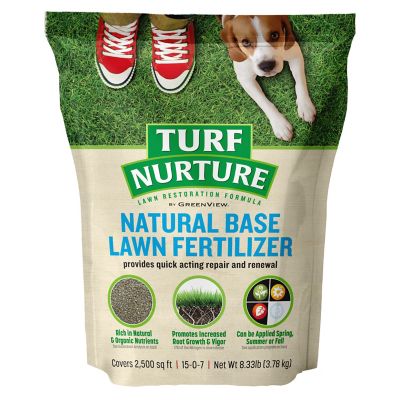
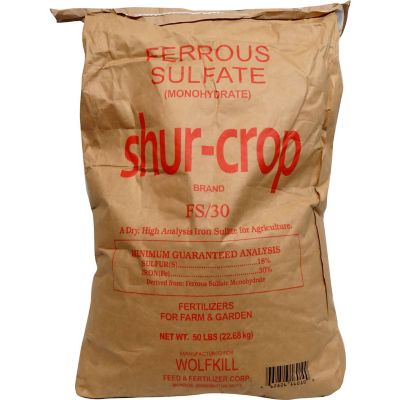
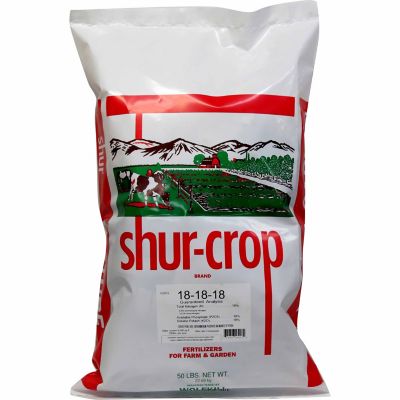
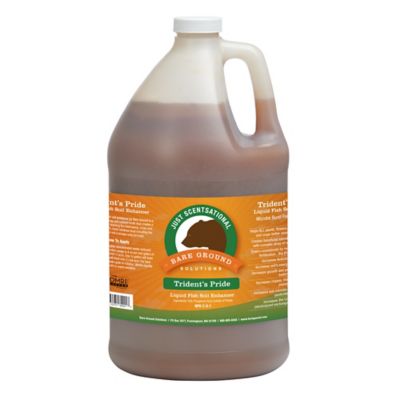
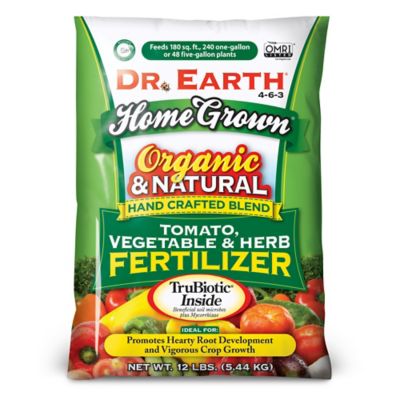
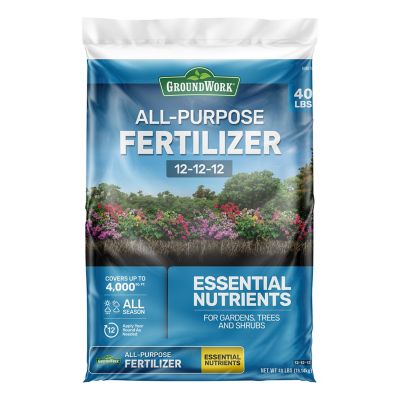
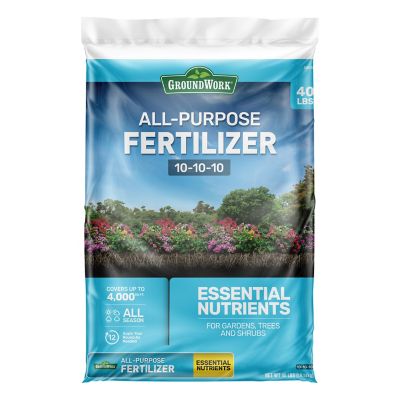
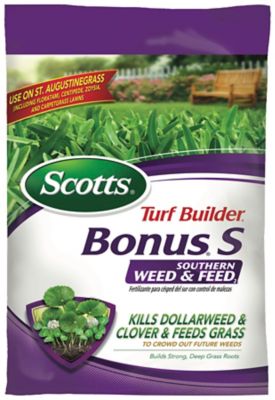
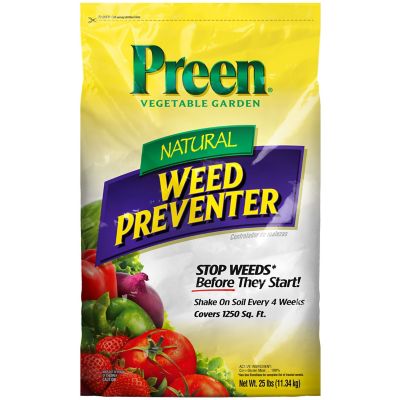
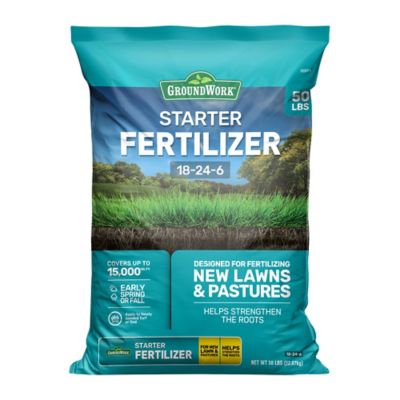
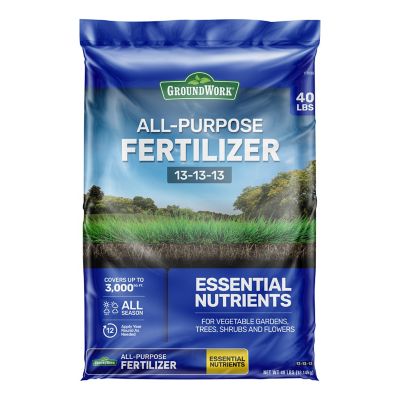
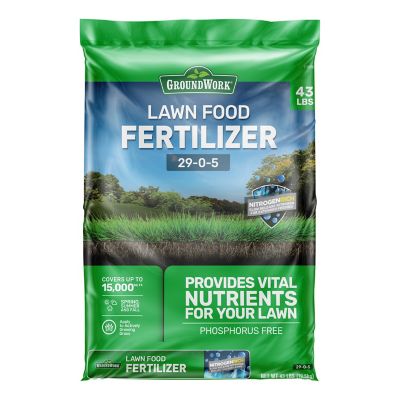
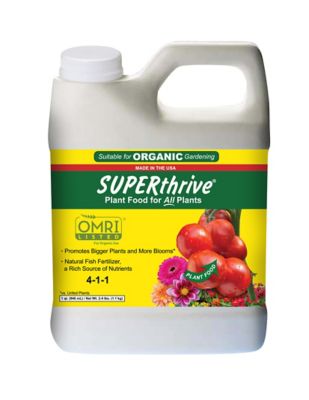
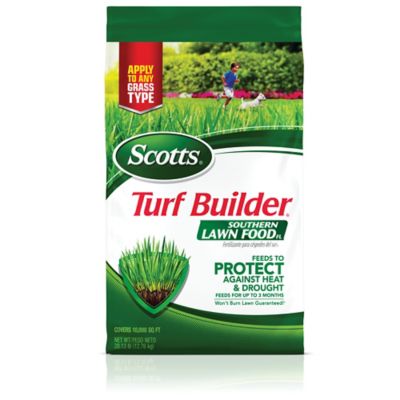
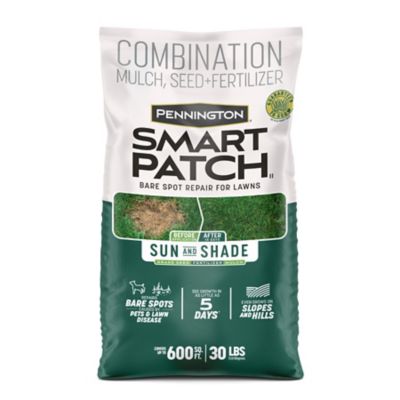
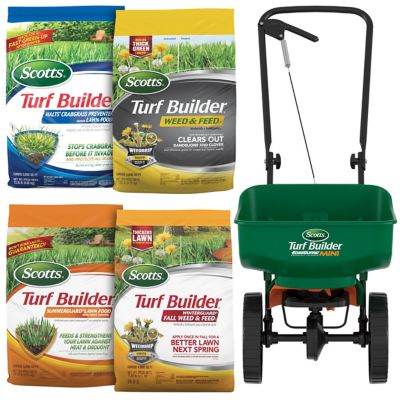
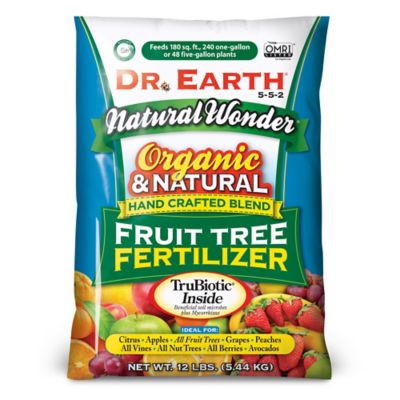
Garden fertilizer helps supply the nutrients plants need for leafy growth, root development, flowering, and fruit production, whether the growing space is a few porch pots or a vegetable patch beyond the barn. The right fit depends on what’s growing, what the soil already provides, and how the fertilizer delivers its nutrients. Vegetable garden fertilizer, flower fertilizer, and all-purpose plant food can serve different planting needs, but the label matters more than the name alone. Those three numbers on a fertilizer package describe its NPK analysis: nitrogen, phosphorus, and potassium, with phosphorus listed as available phosphate and potassium as soluble potash. Nitrogen supports green, leafy growth; phosphorus supports root development and the processes involved in flowering and fruiting; and potassium helps regulate water movement and supports normal plant function. A balanced fertilizer contains equal percentages of these three listed nutrients, though equal numbers aren’t necessarily the best match for every bed. Soil that already has plenty of phosphorus may benefit from a formula with little or none, while a nitrogen shortage calls for a different approach. A soil test takes much of the guesswork out of that decision by identifying nutrient levels and soil pH, which affects how readily roots can take up nutrients. That’s especially helpful in a garden where the beans look fine but the corn stays pale, or where tomato vines grow thick without setting much fruit. More fertilizer isn’t always the answer: watering, sunlight, temperature, drainage, and pollination can all affect plant performance. Extra phosphorus won’t automatically bring more blossoms, and excess nitrogen can favor foliage at the expense of fruiting in some crops. For food gardens, the fertilizer label should cover the intended edible plants. Lawn formulas, especially those containing weed-control ingredients, aren’t interchangeable with vegetable plant food. Matching the nutrient analysis to the planting and soil keeps garden fertilizer focused on a real need rather than adding nutrients the ground already holds.
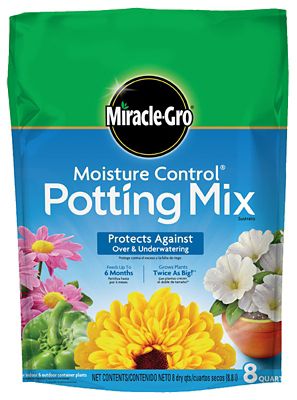
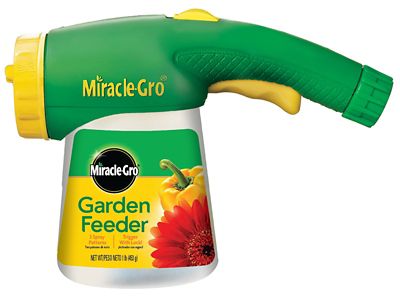
Garden fertilizers come in several forms, each suited to a different way of tending plants. Granular fertilizer is easy to measure for a garden row or established bed, with application methods that may include incorporation before planting or placement alongside growing plants, according to the label. Some dry formulas release nutrients readily after watering, while slow-release and controlled-release options supply nutrients over a longer period. Their feeding duration varies with the formulation, moisture, and temperature, so a single schedule won’t fit every bag. Liquid concentrates and water-soluble powders mix with water and can fit naturally into a routine built around a watering can or compatible feeding equipment. They’re often practical for containers and smaller plantings where measured feeding matters, though dilution and application frequency still depend on the package directions. A porch pepper in a pot has a limited root zone and a different watering pattern than peppers growing in an open bed; the fertilizer should be labeled for that setting rather than applied at a field or garden-row rate. Organic garden fertilizer may draw nutrients from plant, animal, or mined mineral ingredients, while synthetic fertilizer supplies nutrients in manufactured forms. Many organic sources depend partly on soil organisms to make nutrients available, which can slow their release in cold soil. Organic doesn’t mean risk-free, and either type can injure roots or contribute to runoff when overapplied. Gardeners following organic growing practices can look for labeling or certification that fits their requirements, rather than assuming every naturally sourced ingredient qualifies. Compost and other soil amendments have a related but different role: they can add organic matter and improve soil structure, yet their nutrient content varies and may not replace a fertilizer selected for a documented shortage. Sandy ground, heavy clay, raised beds, and potting mixes all handle water and nutrients differently. Thinking about the growing medium alongside the fertilizer form helps connect the product to the work, whether that’s feeding a long row of greens or keeping a cluster of patio planters growing steadily.
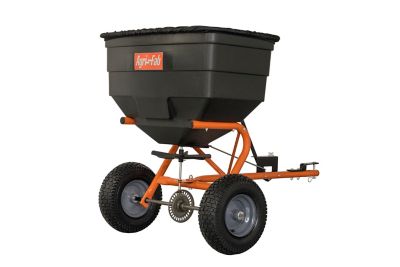
A good fertilizer match also fits the scale of the garden, the tools on hand, and the amount of measuring the job requires. Package coverage is more useful than package weight alone because nutrient concentration and labeled application rates determine how much ground a fertilizer can treat. Someone tending several in-ground beds may value a dry formula that works with suitable spreading equipment, while a gardener caring for a few containers may prefer a form that’s straightforward to portion in small amounts. Established flower beds, newly planted vegetables, and perennial plantings can have different nutrient needs, even when they share the same stretch of yard. Trees are another distinct planting situation, with feeding decisions tied to their root zones, age, and site conditions;
Tree Fertilizers address that separate category of care. Across these settings, fertilizer supports growth rather than fixing compacted ground, standing water, or too little light. During the cooler months, feeding needs depend on the crop and local climate. Actively growing cool-season vegetables may still need nutrients, while dormant plants generally don’t call for routine feeding. Cold or dry soil can also change how a fertilizer performs. Application details matter just as much as the formula: concentrated fertilizer against tender stems or roots can cause injury, and dry granules sitting on foliage may damage leaves. Labels specify placement, watering requirements, protective equipment, and any precautions around children and animals. Heavy rain, frozen ground, and saturated soil raise the risk of nutrients moving away from the planting area and toward ditches, ponds, or streams. For storage between garden jobs, tightly closed original packaging helps keep directions close at hand and limits moisture exposure that can cause dry fertilizer to cake. Liquid formulas may need protection from freezing or excessive heat, as their labels direct. Fertilizer belongs apart from feed, seed intended for eating, and food, with pets and livestock kept away from stored packages and treated areas as directed. From the first small kitchen garden to a spread of beds that fills the pantry, the most useful garden plant food is the one whose nutrient content, application method, and intended use fit the plants and the ground beneath them.