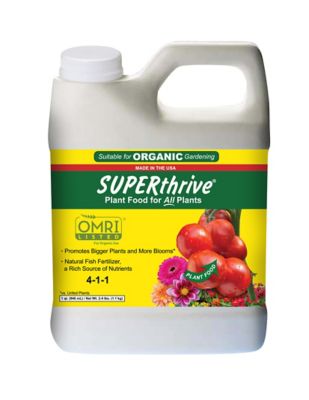
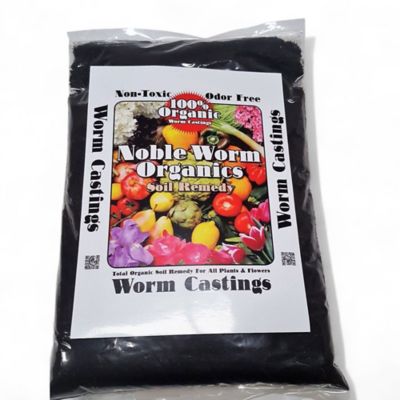
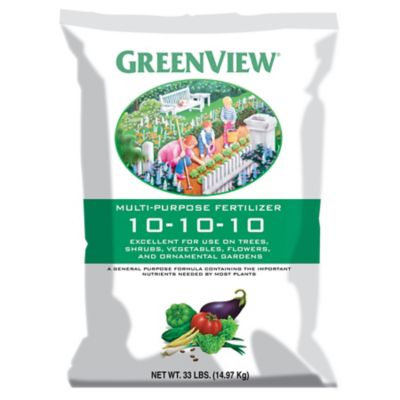
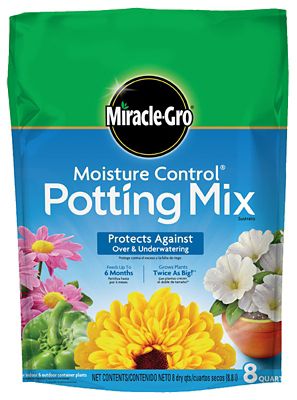
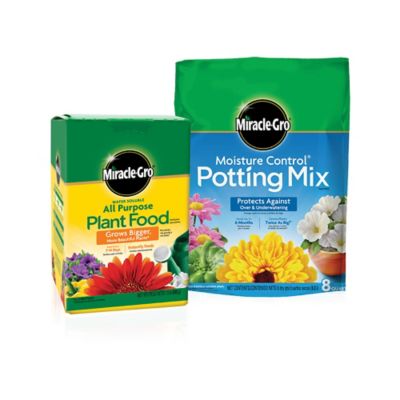
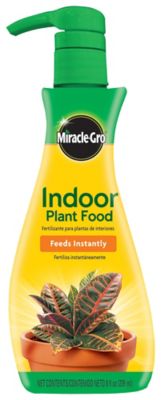
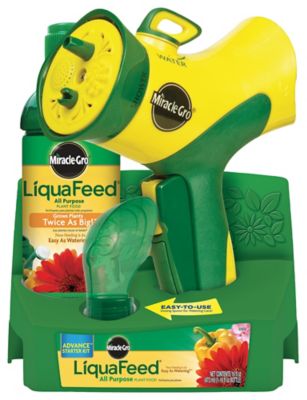
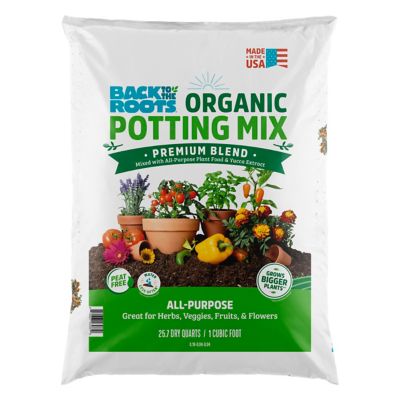
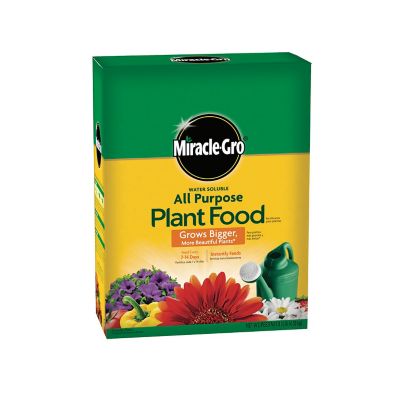
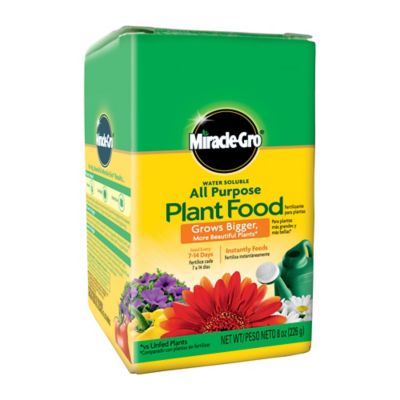
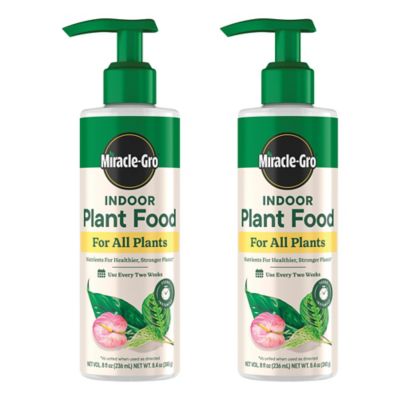
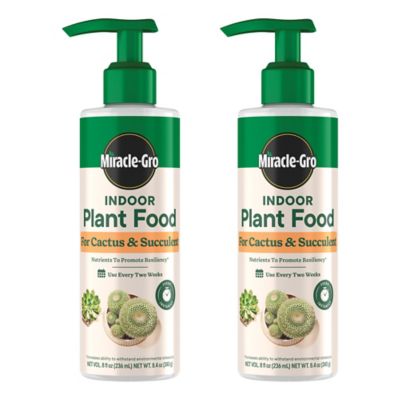
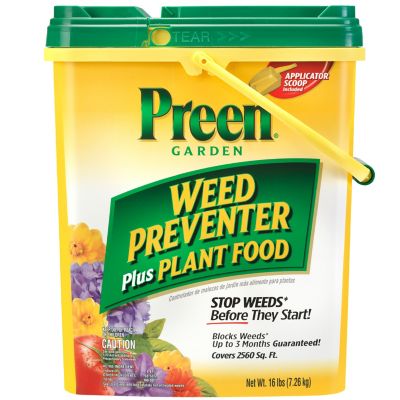
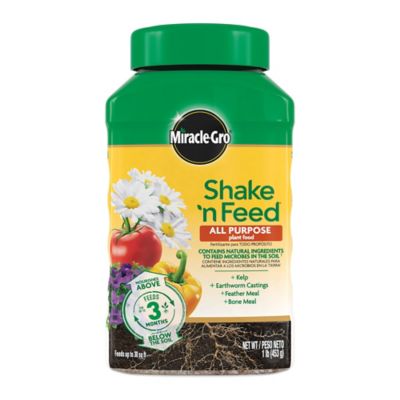
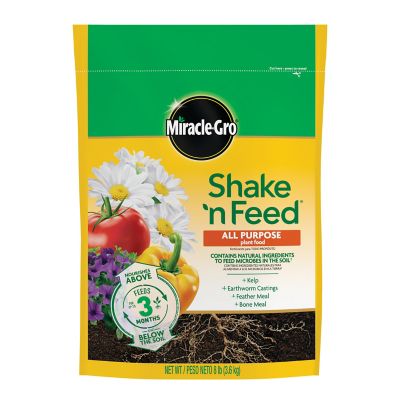
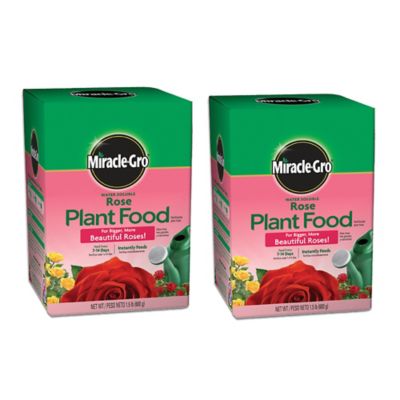
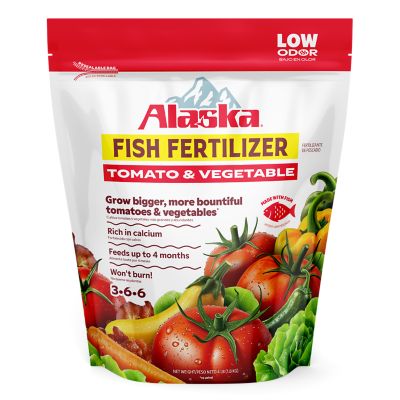
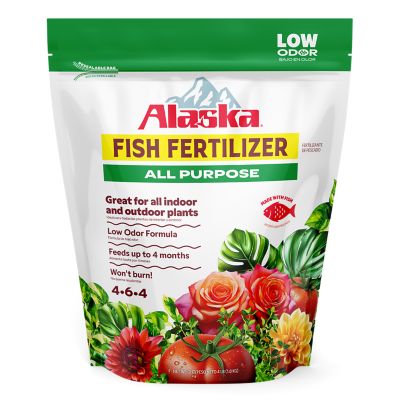
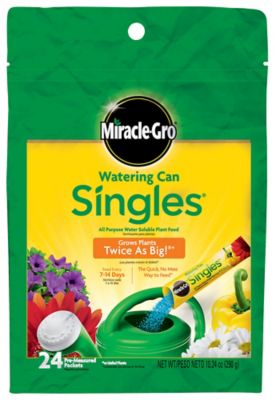
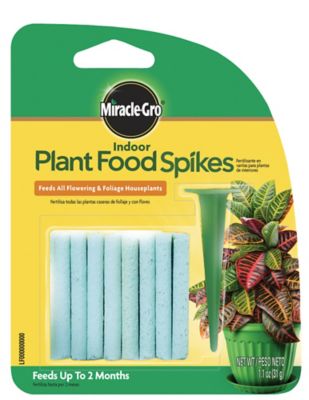
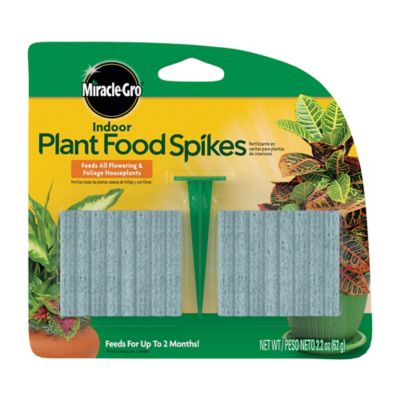
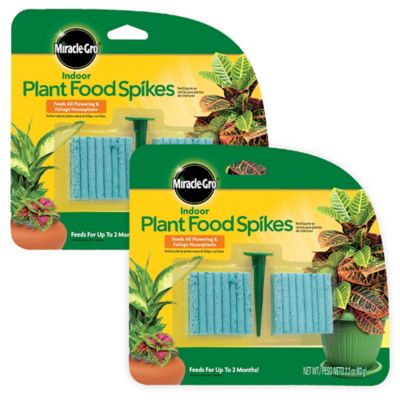
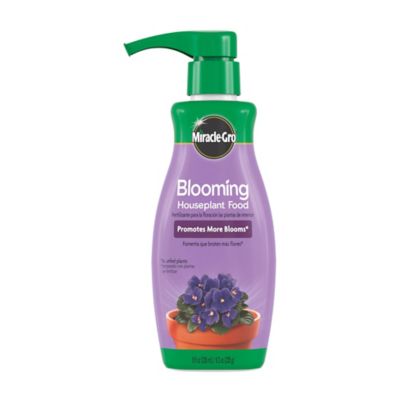
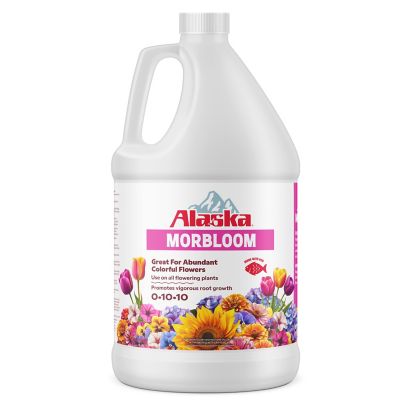
Houseplant fertilizers help replenish the nutrients that potted plants use as they grow, especially when they have been in the same container for a while. Unlike plants growing in a garden bed, houseplants have a limited amount of soil to draw from, and regular watering can gradually wash nutrients out through the drainage holes. A good fertilizer can support leafy growth, colorful foliage, stronger stems and, for flowering houseplants, more consistent blooms when used as directed. These products are useful for anyone tending a sunny windowsill, a collection of tropical plants, a few herbs in the kitchen or a single fern that has become part of the family. They also make a handy gift for a new homeowner, a college student settling into a first apartment or a plant lover who enjoys turning a quiet corner into a green little retreat. When choosing among houseplant fertilizers, start by thinking about the plants being fed and the way you prefer to care for them. Water-soluble formulas are mixed into a watering can and make it easy to adjust the strength for different plants. Liquid concentrates and ready-to-use feeds work well for folks who already have a watering routine and want to see exactly how much is being applied. Slow-release spikes, pellets or granules offer a more set-it-and-check-it approach, gradually supplying nutrients over time. A fertilizer with balanced amounts of nitrogen, phosphorus and potassium is a practical choice for many common foliage plants, while formulas made for blooming plants, succulents, cacti, orchids or other specialty plants may have nutrient ratios better suited to their needs. Check the label for the intended plant types, application schedule and mixing instructions, and pay attention to the fertilizer analysis shown as three numbers on the package. More fertilizer is not better, and a mild, consistent feeding plan is usually kinder to indoor plants than a heavy application made all at once.
Indoor plants generally need fertilizer when they are putting on new leaves, extending stems or actively flowering. As the weather cools and daylight becomes shorter, many houseplants naturally slow down, even when the thermostat keeps the room comfortable. During this quieter stretch, reduce feeding or pause it altogether if the plant is no longer showing new growth. Plants kept under strong grow lights or in a warm, bright room may continue growing and can sometimes be fed lightly according to the product label, while plants resting in dimmer conditions usually need less. Before applying liquid houseplant fertilizer, water the plant with plain water if the soil is dry. Fertilizer should go onto moist soil rather than a completely dry root ball, since damp soil helps distribute nutrients and lowers the chance of stressing delicate roots. Diluting a concentrated formula to half strength is a sensible starting point for many indoor plants, particularly where light and warmth are limited, but the label directions should always come first. Apply the mixture to the soil around the plant instead of pouring it over leaves, stems or the crown, and allow excess water to drain away rather than letting the pot sit in a saucer full of runoff. For spikes or other slow-release choices, press or place them in the soil as directed and keep them away from the main stem. Freshly repotted plants may not need immediate feeding if the new potting mix already contains nutrients. Watch the plant after feeding: pale new leaves, weak growth or a plant that seems to stall may point to an issue with light, watering, temperature, pests or roots rather than a need for more fertilizer. White crust on the soil, brown leaf edges and a sudden wilt can be signs of excess salts or overfeeding. In that case, stop fertilizing and flush the soil thoroughly with plain water if the container drains freely. A simple calendar note, a measuring spoon kept with the watering supplies and a quick look at the soil can make the routine easier to keep up with, especially when caring for several plants with different needs.
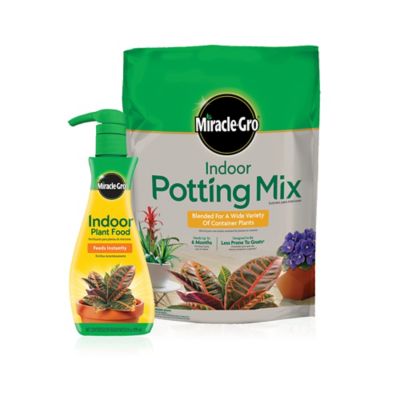
The best houseplant fertilizer is one that fits both the plant and the person doing the caring. Someone with shelves of pothos, philodendrons and snake plants may appreciate a concentrated formula that can be mixed in small batches, while a busy plant owner may prefer a slow-release option that does not have to be measured at every watering. Small bottles and easy-to-use treatments tuck neatly into a potting bench, mudroom cabinet or apartment closet, and a houseplant care bundle can be a thoughtful gift paired with a decorative pot, fresh potting mix or a sturdy watering can. For a child learning to care for a windowsill plant, a gentle routine of checking the soil, turning the pot for even light and following a simple feeding schedule can be more rewarding than a large collection of supplies. Experienced gardeners may look for specialty formulas, clear nutrient ratios or products suited to plants with particular needs. Keep fertilizer stored in a cool, dry place away from pets and children, and clean measuring tools after use. Houseplant fertilizers are intended for potted indoor plants, so use products according to their labels rather than substituting them for outdoor soil amendments. Gardeners caring for shrubs, ornamentals or larger plantings outside can explore
Tree Fertilizers for options made with those landscapes in mind. With the right product, a light touch and attention to the plant’s growing conditions, feeding can become an easy part of regular plant care. There is something satisfying about seeing a new leaf unfurl beside a kitchen window or watching a once-tired plant send out fresh growth after settling into a better routine.