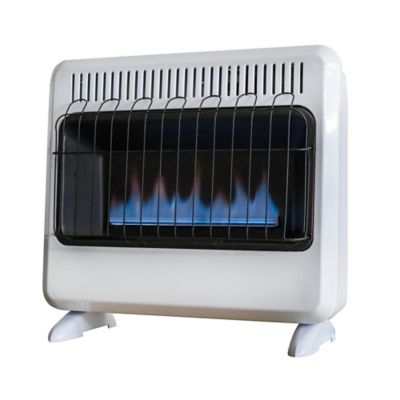
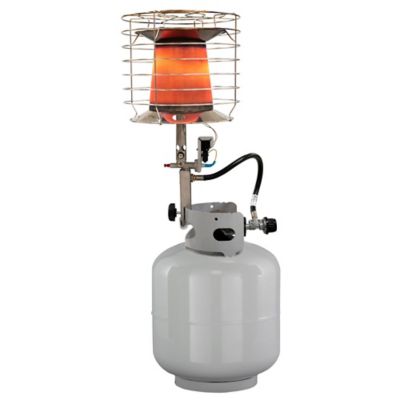
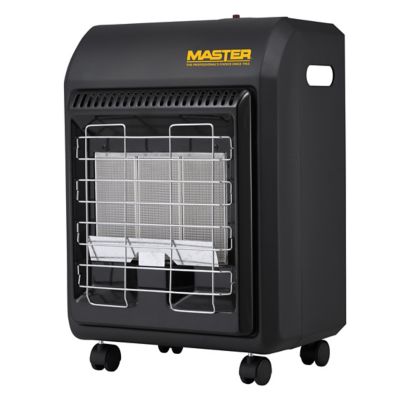
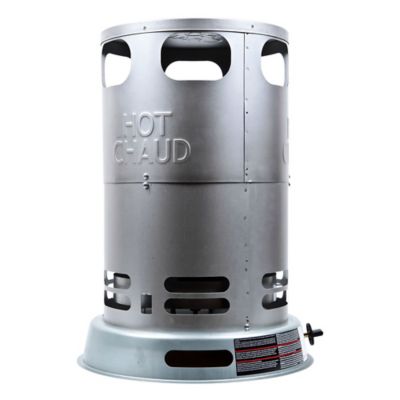
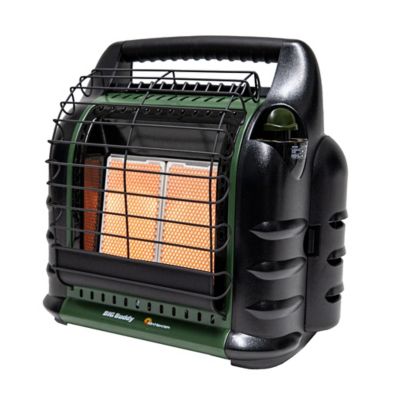
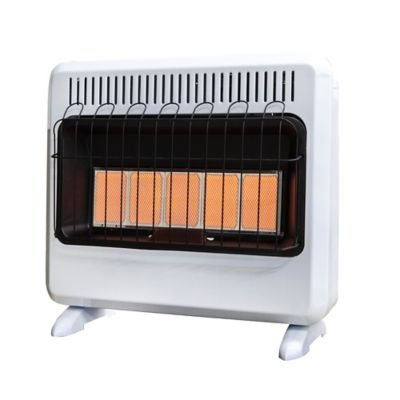
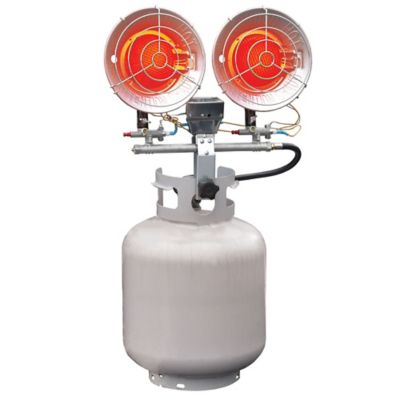
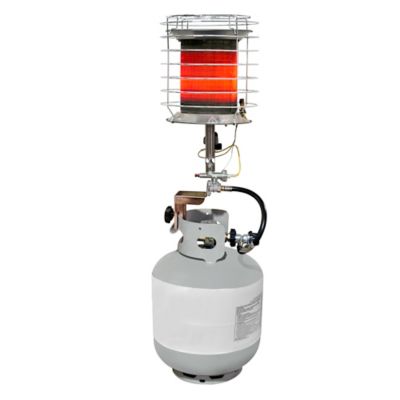
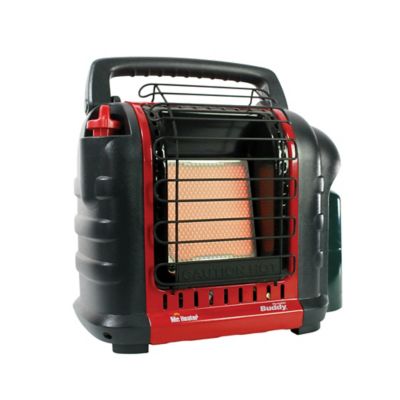
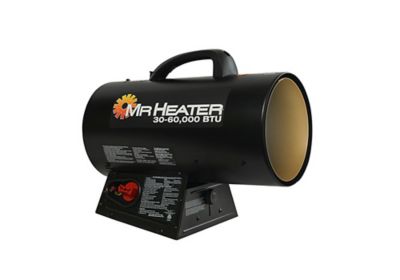
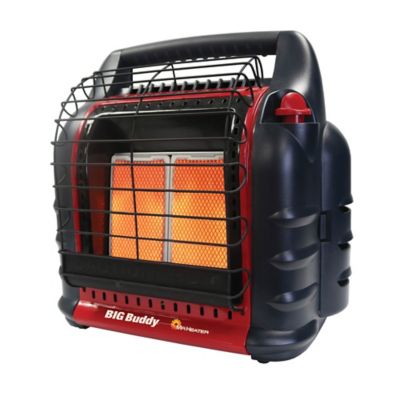
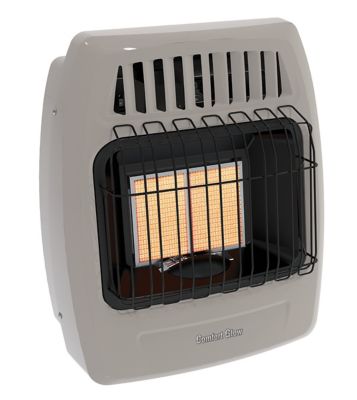
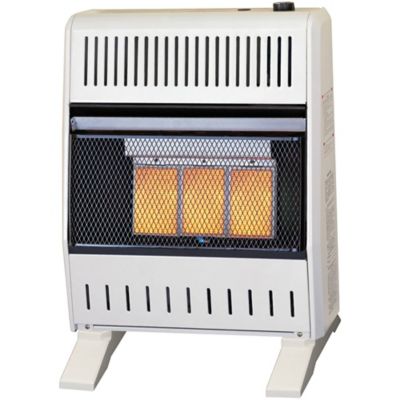
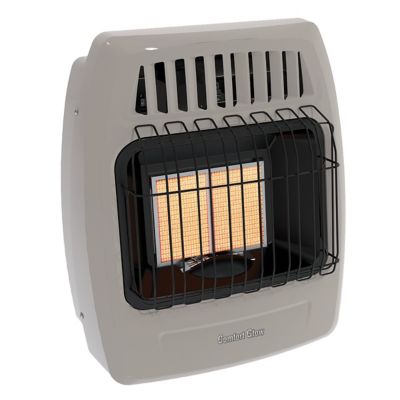
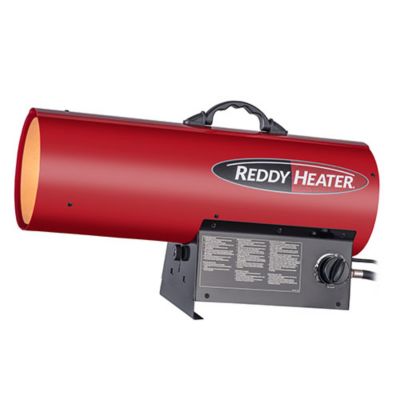
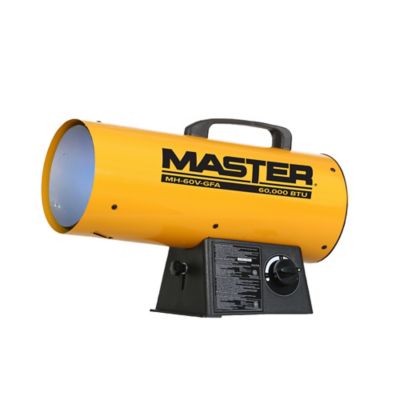
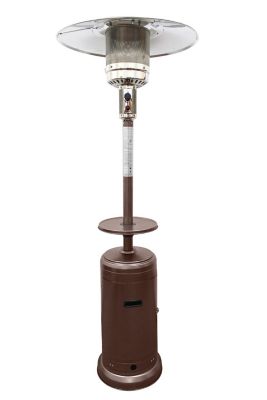
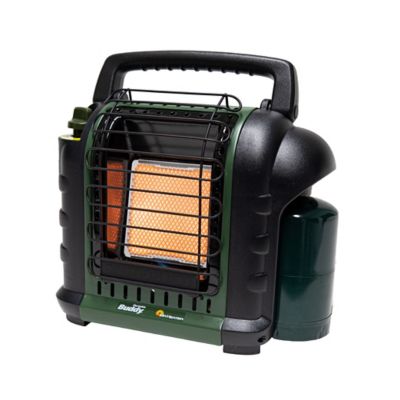
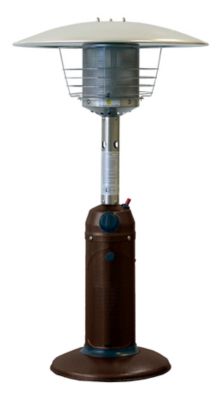
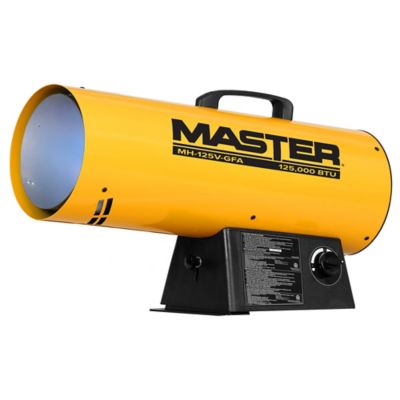
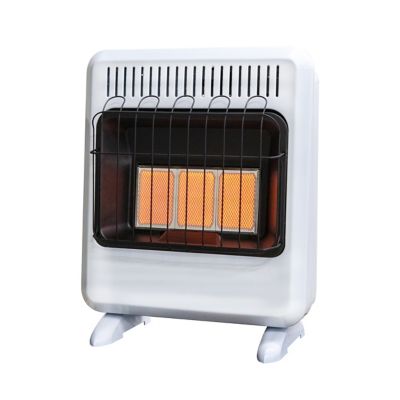
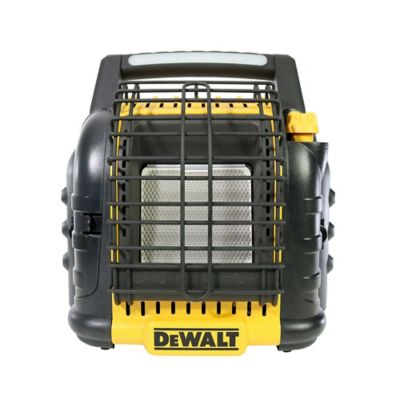
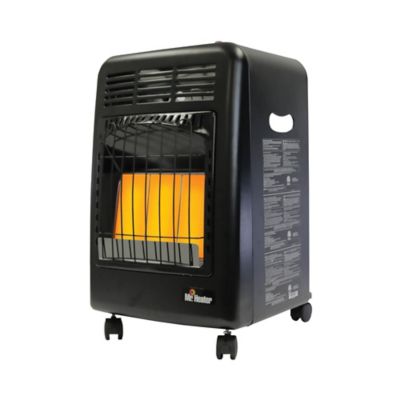
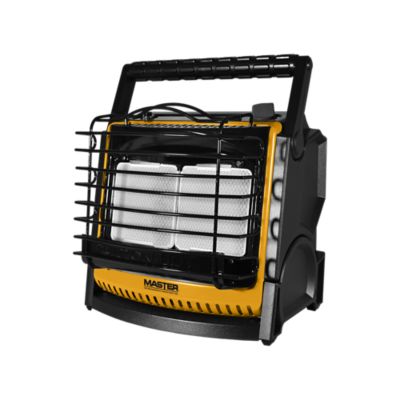
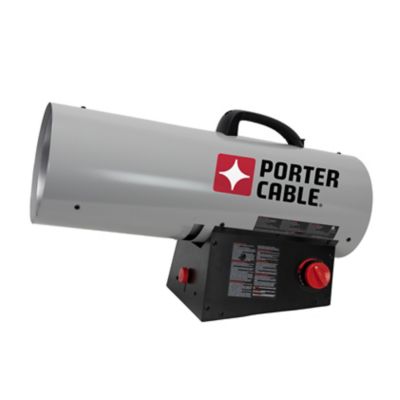
Safe propane heaters can bring steady, comfortable warmth to spaces that are hard to heat with a central system, including drafty workshops, hunting cabins, enclosed porches, utility rooms, RVs and other approved areas. They can also be handy during a power outage, when a little extra heat makes a cold room more manageable and helps protect people, pets and livestock from uncomfortable temperatures. The most important starting point is matching the heater to the space where it will be used. A propane heater rated for indoor use is designed differently from an outdoor patio heater, camp stove or construction heater, and those outdoor-only appliances should never be operated inside an enclosed building, tent, RV or vehicle. Check the product label and owner’s manual for the approved setting, fuel type, ventilation requirements and recommended square footage before making a purchase. For more options and related heating equipment, visit
Propane And Natural Gas Heaters. Portable heaters are often chosen for smaller rooms because they can be moved where warmth is needed, while larger spaces may call for a higher-output unit or a permanent heating solution. BTU output gives you a useful way to compare models, but room size, ceiling height, insulation, drafts and the outside temperature all affect performance. A compact heater producing roughly 4,000 to 9,000 BTU may be suitable for a space around 200 to 225 square feet, while lower-output catalytic heaters can work well in smaller, well-protected areas. Avoid choosing the biggest heater simply because it produces more heat; an oversized unit may make a small room uncomfortably hot and use fuel faster than necessary. Adjustable heat settings are useful in real life, especially when a chilly morning turns into a milder afternoon or when you need gentle background warmth instead of a blast of heat.
Safety features deserve close attention when comparing safe propane heaters. An oxygen depletion sensor, often called an ODS, monitors the air and shuts the heater off if oxygen levels fall below a safe range. A tip-over switch stops fuel flow if the unit is knocked over or pushed onto its side, which is particularly helpful in busy workshops, hunting camps, garages and homes with children or pets. Automatic shutoff controls, sturdy guards, stable bases and easy-to-read controls can add another layer of confidence during everyday use. Even with these features, safe placement and good habits matter. Keep at least 3 feet of open space around the heater, with special care around curtains, furniture, bedding, cardboard, hay, clothing, sawdust and other materials that can catch fire. Set the unit on a firm, level, nonflammable surface where it cannot be bumped, and keep the propane cylinder, hose and connection points away from heat, traffic paths and sharp edges. Never drape clothing over a heater or use it to dry gloves, boots, blankets or bedding. Adequate ventilation is essential because propane combustion uses oxygen and can produce carbon monoxide if the appliance is not working properly or the room does not have enough fresh air. Follow the manufacturer’s ventilation instructions, and keep an approved fresh-air opening available when required. Carbon monoxide has no color or smell, so a working carbon monoxide detector and smoke alarm should be installed and tested in the same general area. Replace batteries as recommended and take any alarm seriously by moving everyone outdoors and calling for help if needed. A heater should never be left running while people are asleep or when no responsible adult is present. Turn it off before bedtime, before leaving the room or whenever the surrounding conditions are no longer easy to monitor.
A little preparation goes a long way when using propane heat during the cooler months. Before connecting a cylinder, inspect the hose, regulator, fittings and seals for cracks, wear, kinks or damage, and make sure the propane container is approved for the appliance. If you suspect a leak, shut off the supply, move away from ignition sources and use a mild soapy-water solution on the connection to look for bubbles; never use a match, lighter or other open flame to check for escaping gas. Do not operate a heater that smells strongly of propane, has damaged parts, burns with an unusual flame or repeatedly shuts itself off until it has been inspected according to the manufacturer’s instructions. Store extra propane cylinders upright, outdoors and away from heat, flames, electrical equipment, drains and areas where children or animals can reach them. Propane should not be stored in a basement or other enclosed area, and cylinders should never be left in a hot vehicle. These heaters can make thoughtful gifts for someone setting up a workshop, stocking an emergency kit, preparing a hunting camp or spending long hours in a drafty outbuilding, but the best choice depends on the recipient’s space, ventilation and intended use. Someone heating a small enclosed porch may need a quiet, low-output indoor-rated heater, while a person working in a large approved shop may need greater output and a wider heat range. For RVs, tents and cabins, look for equipment specifically approved for that setting rather than assuming a portable heater will work anywhere. With the right rating, suitable fuel supply, clear surroundings and attentive operation, propane heat can take the bite out of a cold room and make work, travel and daily chores more comfortable.