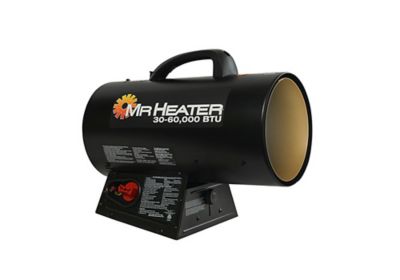
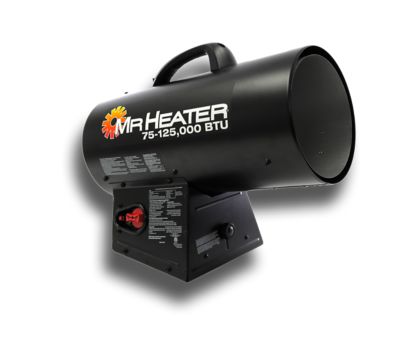
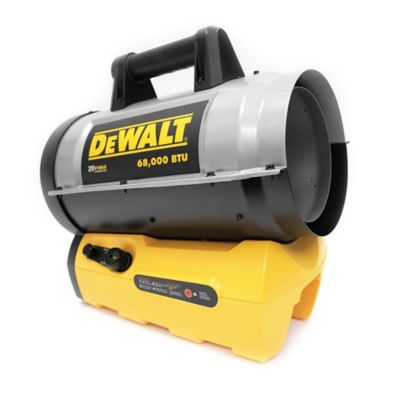
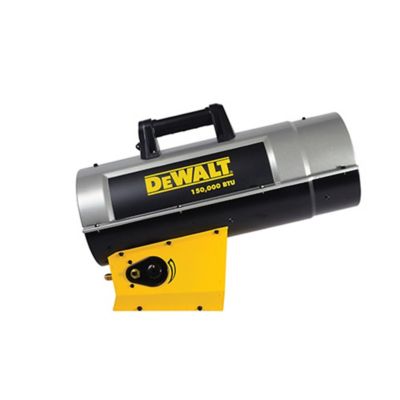
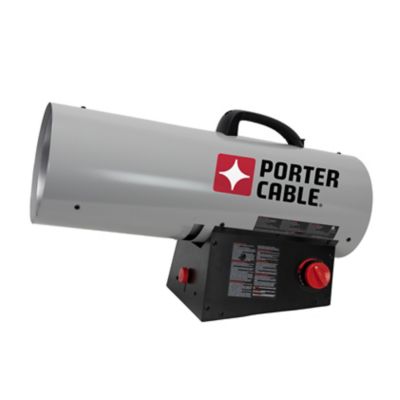
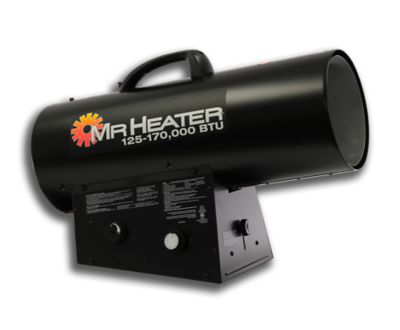
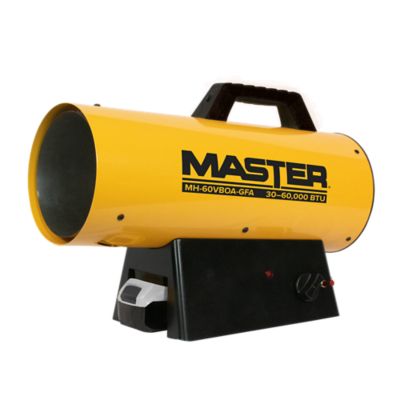
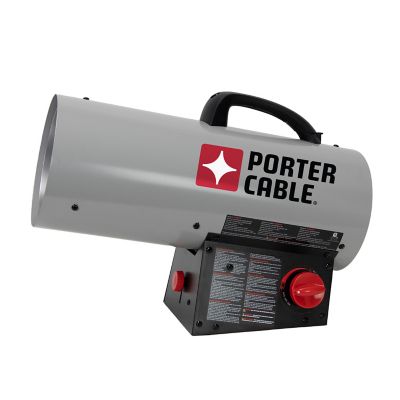
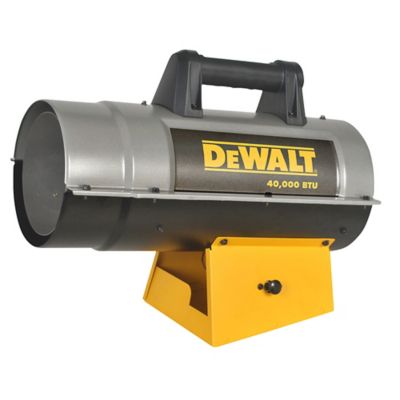
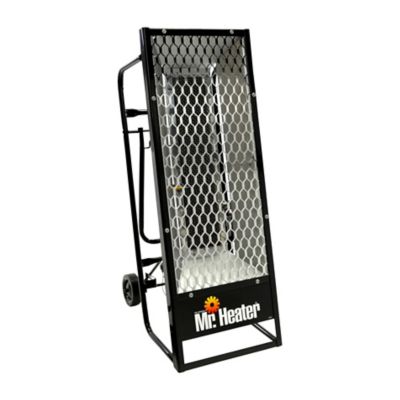
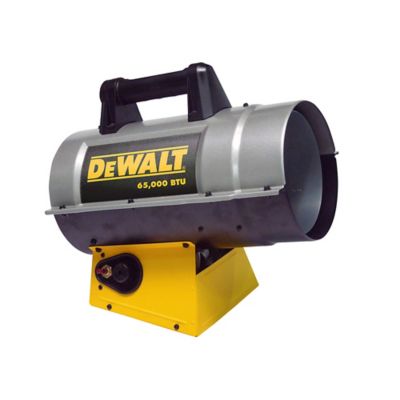
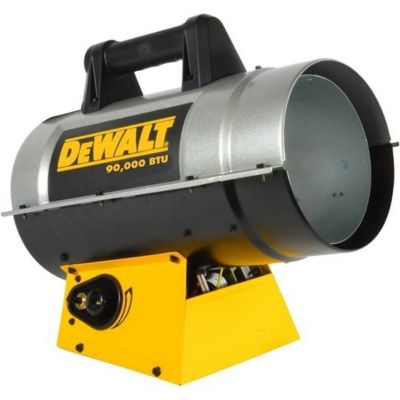
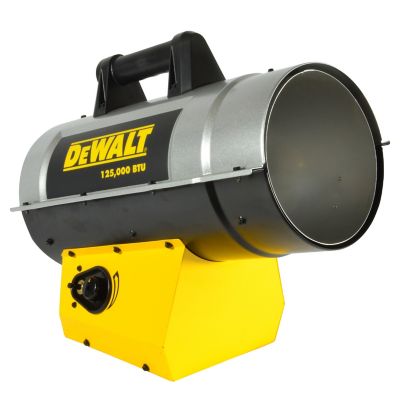
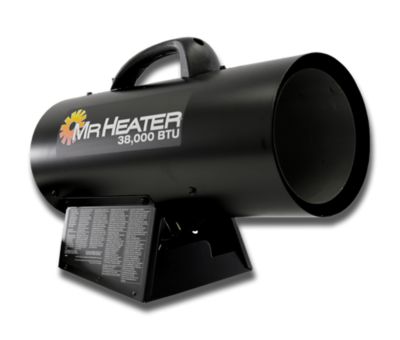
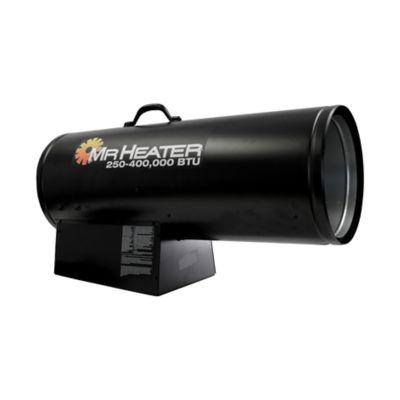
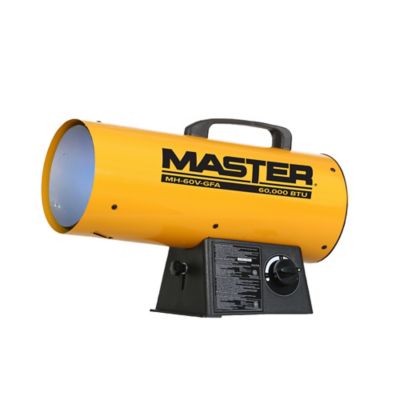
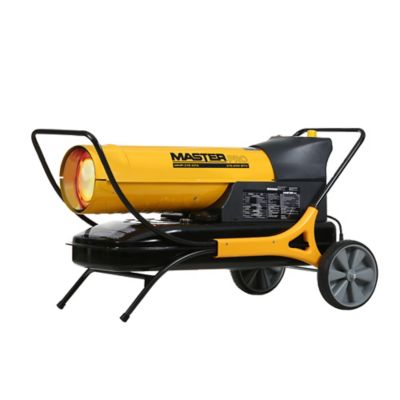
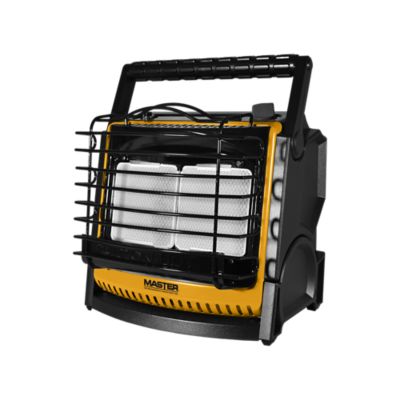
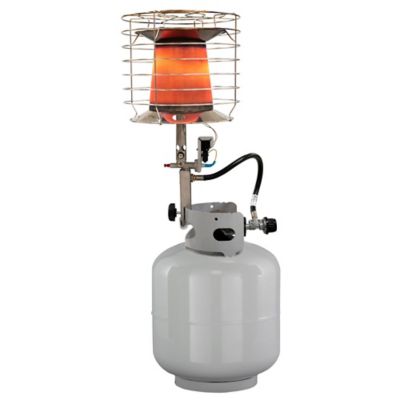
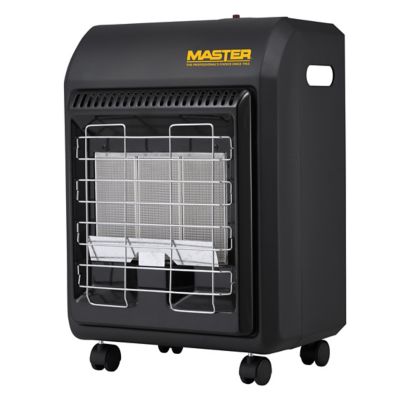
Propane forced air heaters bring fast, directional warmth to work areas where cold air can slow down a full day’s chores. Often called propane torpedo heaters because of their long, rounded housings, these heaters combine a propane burner with a powered fan that pushes heated air out into the surrounding space. Most portable models are direct-fired, meaning combustion gases enter the heated area along with the warm air, so ventilation and approval for the intended location are essential. Unlike radiant heaters, which primarily warm people and surfaces in their line of sight, forced air heaters move warm air through a space. That makes them worth considering for certain construction sites, partially open work areas and farm outbuildings where the manufacturer permits operation. Picture a cold concrete floor, a steel workbench and a repair that needs finishing before the next round of chores: supplemental heat can make that work area more comfortable without heating an entire property. These heaters appeal to contractors, mechanics, property owners and folks who spend cooler days maintaining equipment or tackling building projects. Their portable design can also suit work that shifts from one approved location to another, provided there is room for safe placement, proper airflow and a suitable fuel supply. Propane provides the heat, but the fan and ignition system generally need electricity. Many models plug into a standard 120-volt outlet, while some designs run their fans on compatible batteries. Checking that power requirement matters when the nearest outlet is across the building or the job site has limited electrical service. These are work-area heating tools, not substitutes for a home furnace or heaters for bedrooms, sleeping quarters or enclosed living spaces. The right choice starts with where the heater will operate, how much heat the space needs and whether the setup can meet every ventilation, fuel and clearance requirement in the operating manual.
Heating output, measured in British thermal units per hour, is one of the main differences among propane forced air heaters. A higher BTU rating means greater heat output, but the largest heater is not automatically the best fit. Floor area is only part of the picture. Ceiling height, insulation, outdoor temperature, required ventilation and frequently opened doors all affect how much warmth stays where you need it. A tall equipment shed with an open bay loses heat differently than a smaller approved workspace with insulated walls. Advertised square-foot coverage offers a starting point, not a promise that every building of that size will reach the same temperature. Look at the manufacturer’s sizing information alongside the actual conditions of your work area. Adjustable heat settings can help match output to changing conditions, while thermostat control, where available, can reduce the need for manual adjustments. Check whether a thermostat is built in, optional or unsupported rather than assuming every heater works the same way. For a closer look at heating options for that particular setting, browse
Propane Garage Heaters, then confirm that any heater you consider is approved for your garage’s layout and ventilation. Fuel planning deserves just as much attention as heat output. Some portable propane heaters can connect to a standard 20-pound cylinder, but others require a larger cylinder or a different supply arrangement. Tank compatibility depends on the heater’s requirements, not simply whether a fitting appears to connect. Cold temperatures and high fuel demand can limit how quickly a cylinder supplies propane vapor, especially as its fuel level drops. Compare the minimum cylinder size, fuel consumption and estimated runtime at the heat setting you expect to select. A lower setting may stretch a fuel supply, while full output burns through it faster. Also check whether the specified hose and regulator come with the heater. Having the correct components ready saves a trip back to town when there is work waiting.
Everyday handling features can make a noticeable difference once a propane forced air heater becomes part of the work routine. A balanced carry handle, manageable weight and stable base matter when moving equipment between approved locations after it has shut down and cooled. Larger designs may offer wheels, while compact housings take up less storage space between jobs. Consider the full working setup, though, not just the heater’s footprint: the propane cylinder, hose, power cord and required clearances all need room without blocking a walkway. Fan noise is another practical consideration, particularly around a workbench where conversation matters. Compare listed sound information when available, along with controls that are easy to reach and operating information that is easy to read. Safety features such as flame-failure shutoff and overheat protection are worth checking, but they do not replace careful operation. Follow the manual’s ventilation requirements exactly; a cracked door is not a universal measure of sufficient airflow. Direct-fired propane heaters consume oxygen and can produce carbon monoxide, an odorless gas that can be deadly. Install and maintain carbon monoxide alarms appropriate for the setting, and never treat an alarm as permission to operate a heater in an unsuitable or poorly ventilated space. Keep the hot outlet, intake and housing clear according to the specified distances, with particular care around lumber, hay, bedding, feed dust, fuel cans and shop chemicals. Do not operate where flammable vapors or combustible dust may be present, and keep people and animals away from hot surfaces and the discharge stream. Direct-fired propane heat also adds moisture to the air, which matters around cold metal, condensation-sensitive materials and moisture-sensitive work. Cylinder placement, leak checks, electrical connections and shutdown procedures should all follow the manufacturer’s directions and applicable local requirements. For a farm shop or job-site setup that meets those conditions, a properly sized propane forced air heater can help take the bite out of cooler days and keep the work area more comfortable through the next repair, assembly task or stretch of maintenance.