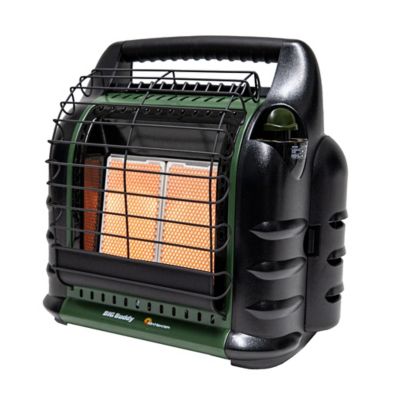
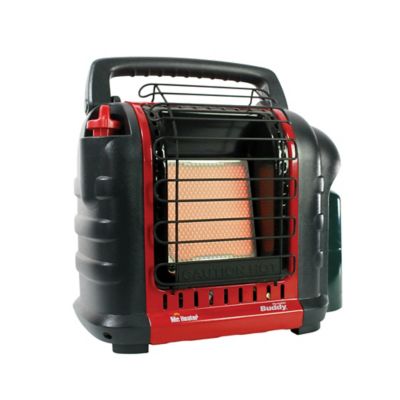
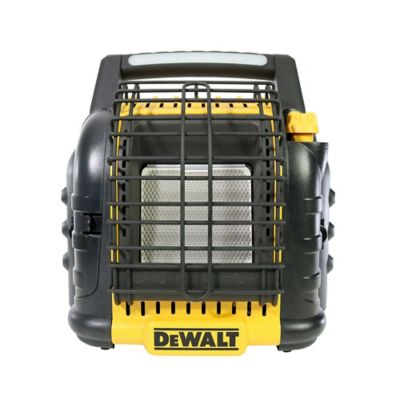
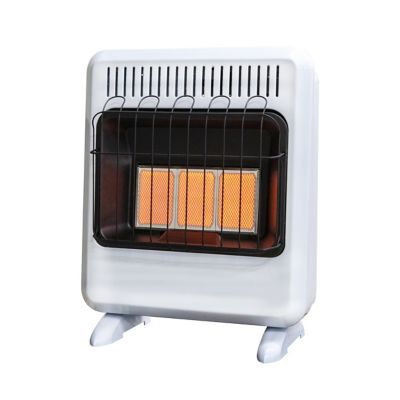
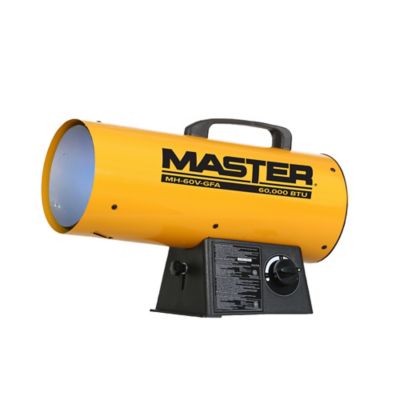
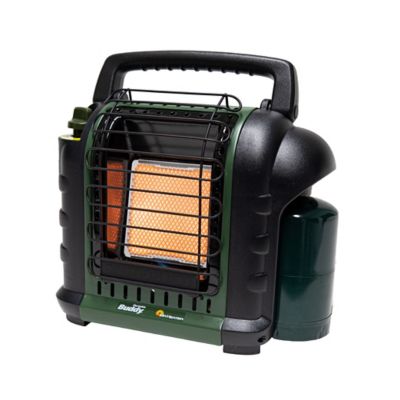
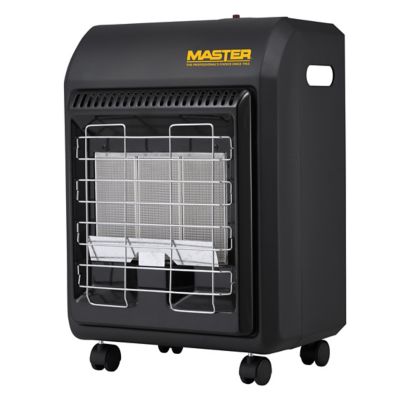
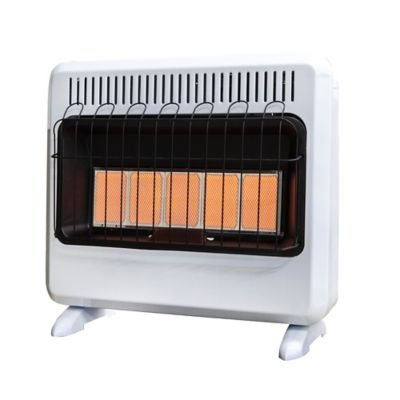
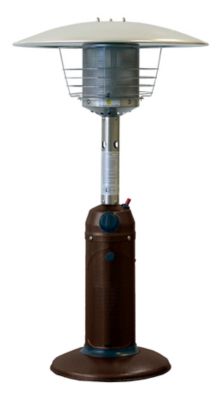
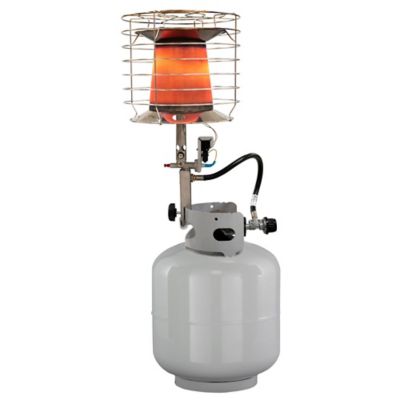
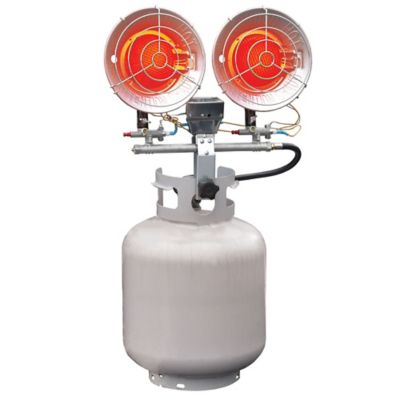
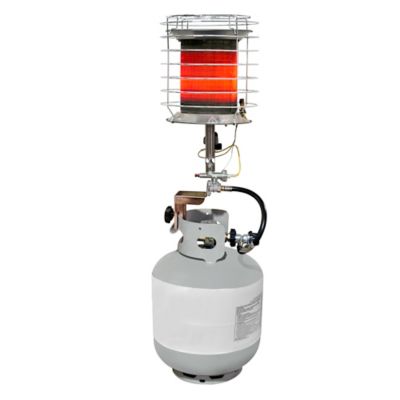
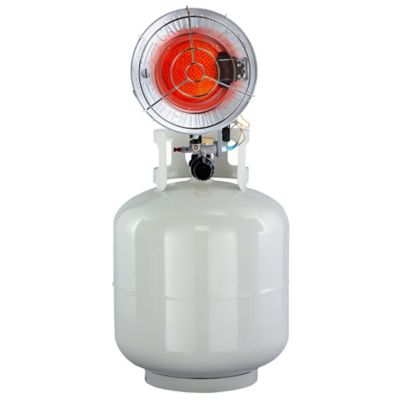
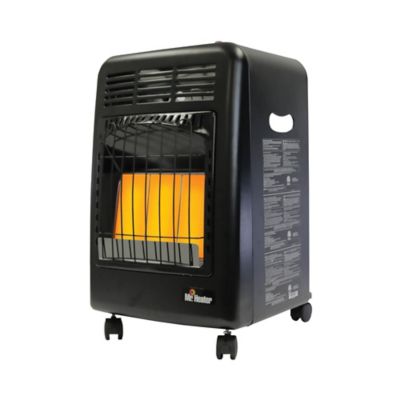
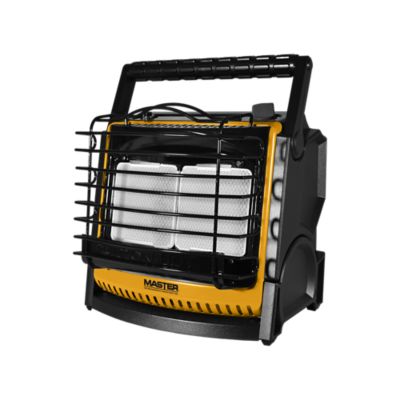
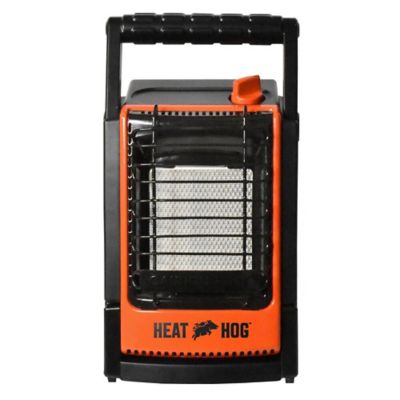
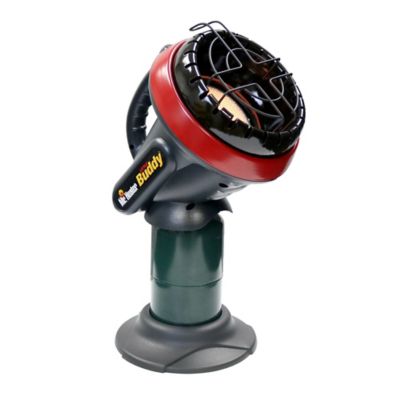
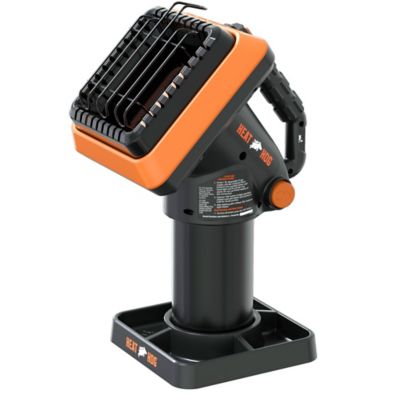
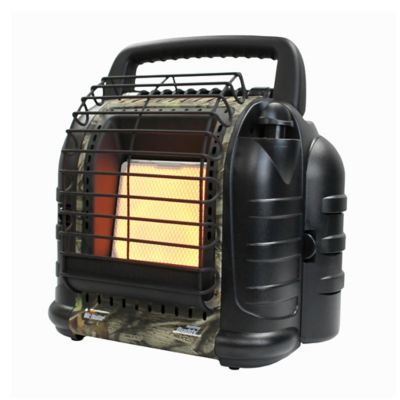
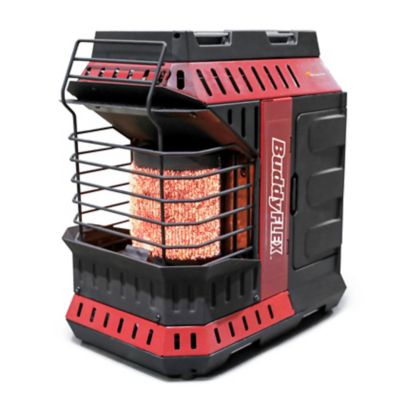
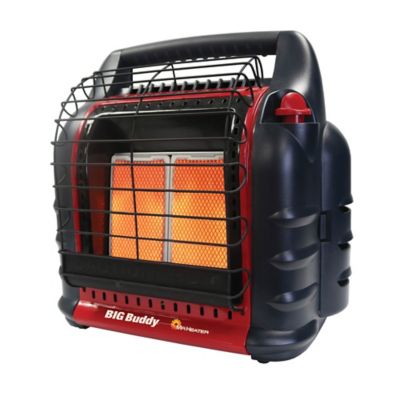
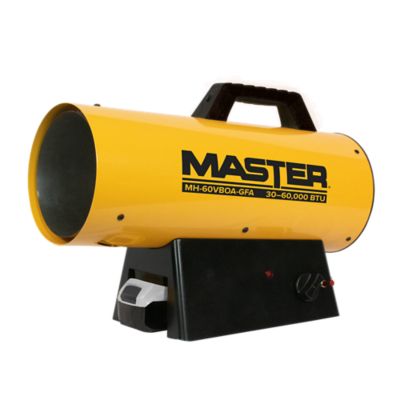
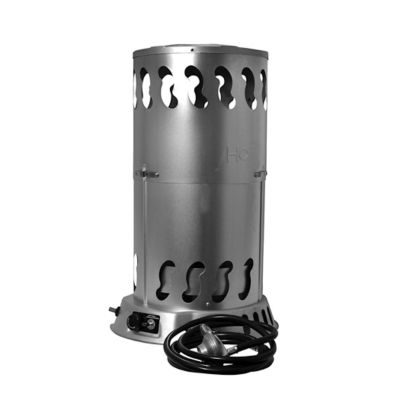
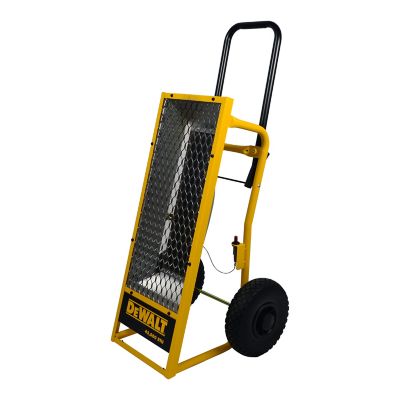
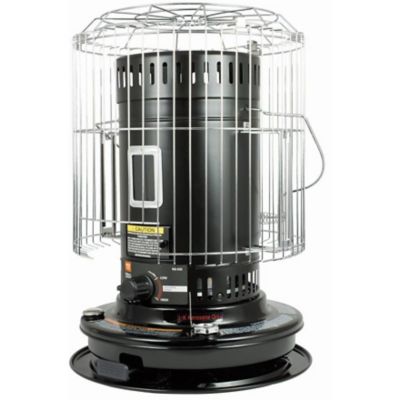
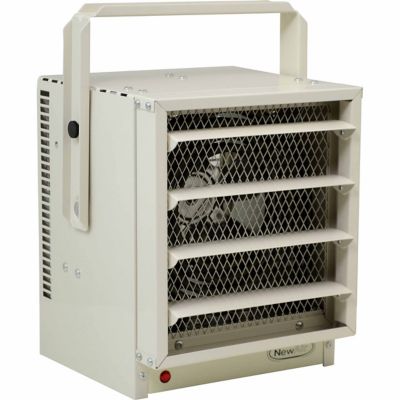
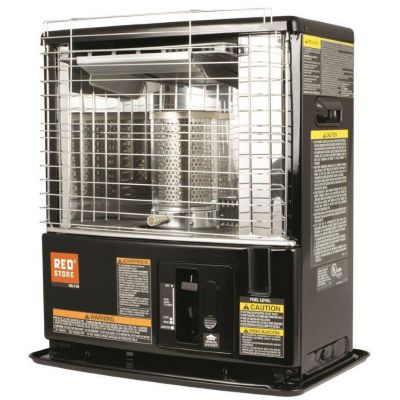
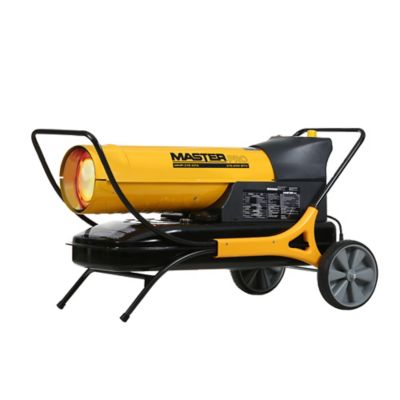
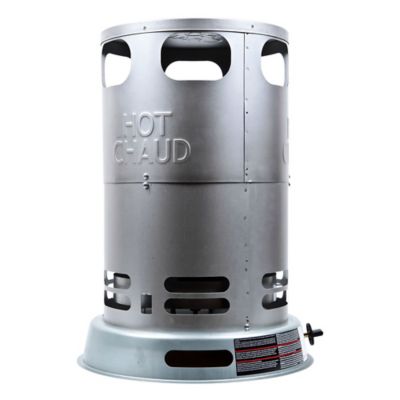
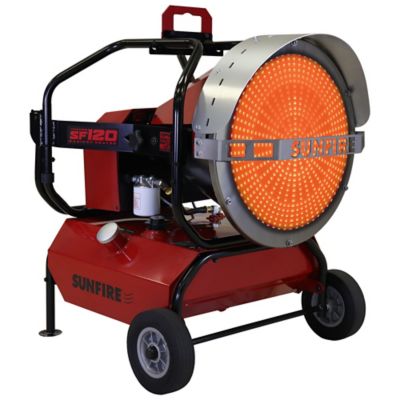
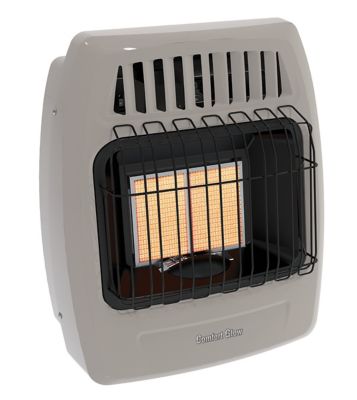
Portable propane radiant heaters are a handy way to bring focused warmth to the places where cold seems to settle in first. Unlike heaters that mainly warm the air, radiant heaters send heat directly toward people, tools, furniture and nearby surfaces, much like standing in a patch of sunshine on a crisp day. That direct warmth can make a noticeable difference on a jobsite, in a drafty workshop, beside a hunting blind, or around an outdoor work area where there is no convenient electrical outlet. Because these heaters run on liquid propane, they can keep working during a power outage or in remote spots around the farm, ranch, campsite or cabin. When choosing among portable propane radiant heaters, start with the space and the kind of use you have in mind. Compact units in the lower BTU range are suited to personal warmth and smaller areas, while larger heaters can cover more open space and handle demanding outdoor work. A tank-top style heater mounts directly to a standard propane cylinder and can be useful in an open-sided barn, garage with proper ventilation, construction area or workshop. Larger radiant heaters may connect to a bigger propane tank with a hose and regulator, making them a better fit for broad outdoor areas, livestock-related work, building projects and other jobs where several people need warmth. BTU ratings provide a useful starting point, but wind, ceiling height, insulation, open doors and the amount of space around the heater all affect how warm an area feels. A heater that feels plenty warm beside a workbench may not be enough for a large, open pole barn. Portability matters, too. Look for a sturdy handle, a stable base or tank connection, manageable weight and controls that are easy to reach when wearing gloves. Some jobs call for a small heater that can ride in a truck toolbox, while others are better served by a heavier unit that stays near the shop door or equipment bay.
The most important consideration is whether a heater is approved for the location where it will be used. Only use a model specifically labeled for indoor use in an enclosed room, tent, cabin or other occupied space, and follow every instruction in the owner’s manual. Outdoor-only heaters must remain outdoors or in genuinely open, well-ventilated areas; never bring one into a home, camper, garage, tent or other enclosed space just because the door is cracked. Propane combustion can produce carbon monoxide, an odorless and dangerous gas, so ventilation and a working carbon monoxide detector are essential wherever fuel-burning equipment is used indoors. Keep the heater on a level, nonflammable surface with plenty of clearance from walls, hay, straw, sawdust, curtains, clothing, bedding, fuel cans and other materials that could catch fire. Never leave it running unattended, and keep children and pets away from hot guards, burner areas and propane connections. Helpful safety features may include an oxygen depletion sensor, automatic tip-over shutoff, flame-failure protection and a sturdy guard around the heating element. Check hoses, fittings and seals before each use, and stop using the heater if you smell propane, see damage or notice unusual flames. Shut off the propane supply and allow the unit to cool before moving it, storing it or changing a cylinder. Propane cylinders should be kept upright, secured from tipping and stored outdoors in a well-ventilated place away from ignition sources. Use only the cylinder size, hose and regulator recommended for the heater. In very cold weather, propane tanks can lose pressure or frost over, especially when a heater is operating at a high setting for a long stretch. A properly sized tank, an approved connection and keeping the cylinder clear of snow and ice can help, but never use a torch, open flame or improvised method to warm a tank. Give the heater room to breathe, and make sure the burner, air intake and reflector stay free of dust, cobwebs and debris.
Portable propane radiant heaters can be a practical choice for homeowners, farmers, tradespeople, outdoor workers, campers, hunters and anyone who spends time in places where electricity is limited. They can take the chill off while you repair a gate before sunrise, warm a seat near a tailgate, make a cold workshop more comfortable during a short project or provide backup heat when a storm interrupts power. They also make thoughtful gifts for someone who is always working outside, keeps a hunting camp, maintains a small homestead or enjoys weekend projects in the shop. A heater is easier to choose when you think about the recipient’s usual space, access to propane and comfort with fuel-burning equipment; a compact personal unit may be welcome for a camper, while a heavier tank-mounted style may better suit a seasoned DIYer with an open workshop. For shoppers comparing radiant heat with other options,
Portable Infrared Heaters offer another way to focus warmth on people and objects rather than trying to heat every bit of surrounding air. Before bringing any heater home, check the required fuel connection, expected runtime, coverage information, ventilation rules and replacement-part availability. A lower setting often provides comfortable warmth while using less propane, and keeping doors closed where appropriate can help reduce drafts without blocking required airflow. Store the heater clean and dry between uses, inspect it before the next cold-weather job and keep the manual close by for fuel and maintenance details. With the right size, a suitable location and careful propane handling, a portable radiant heater can become a dependable part of the gear kept ready for cool mornings, changing weather and the everyday work that does not wait for a warm day.