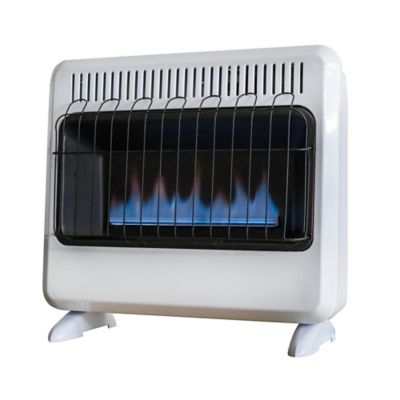
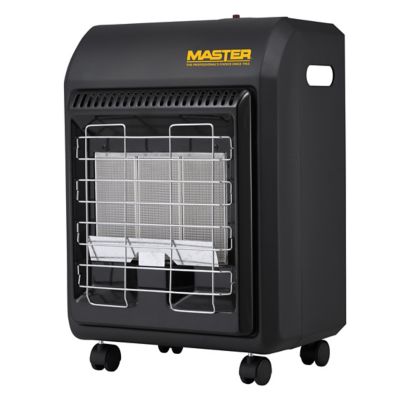
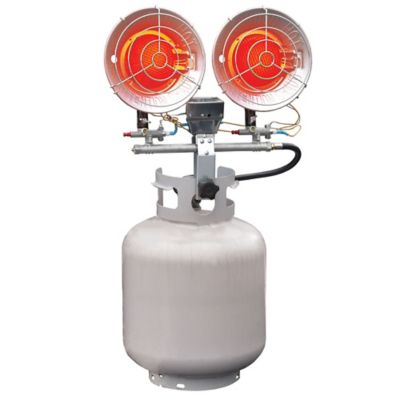
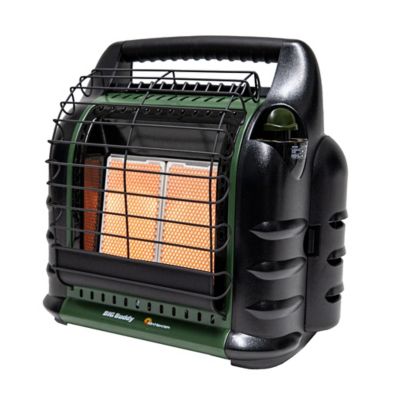
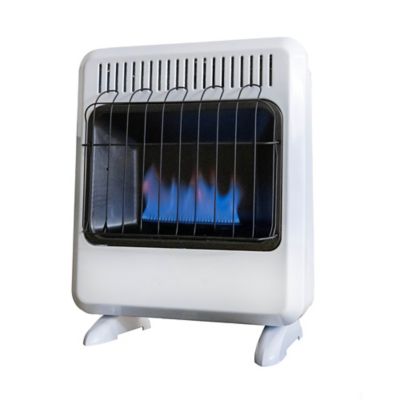
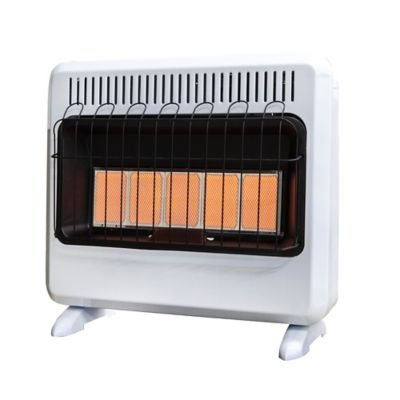
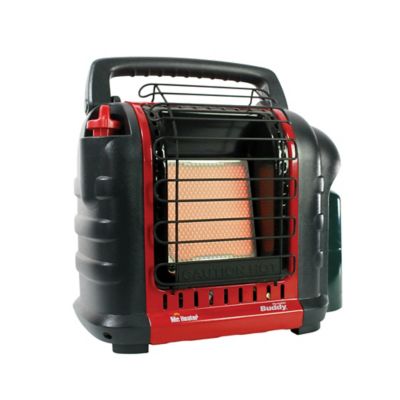
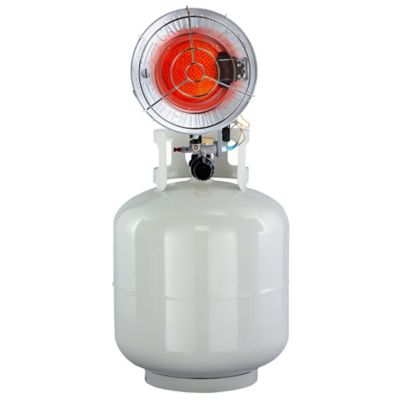
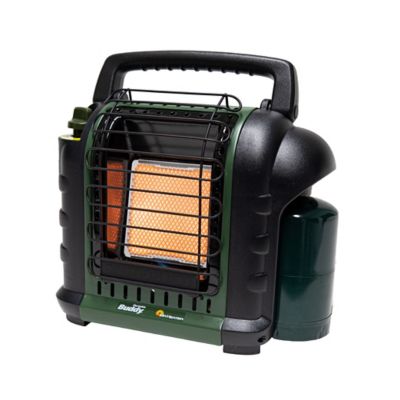
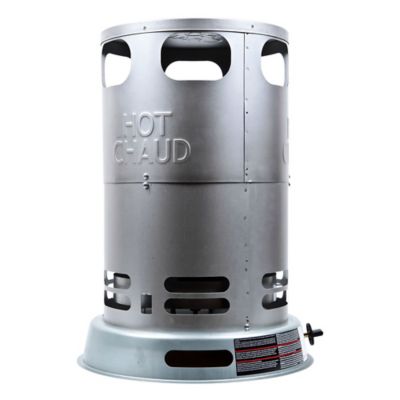
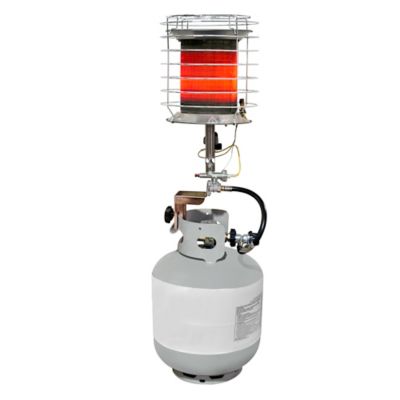
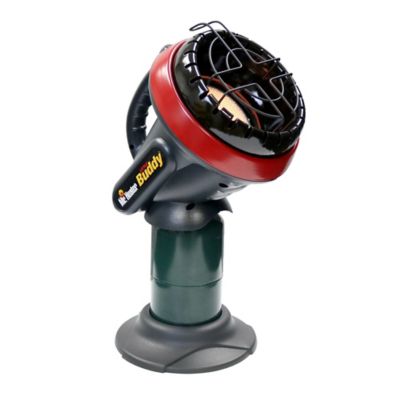
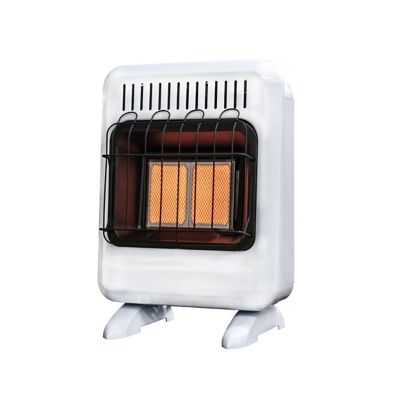
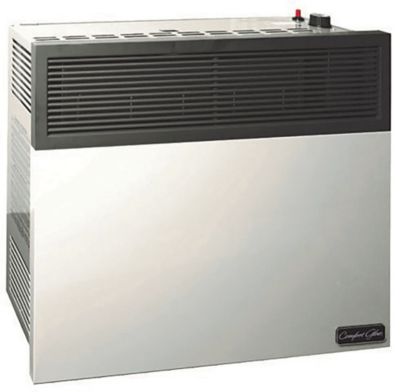
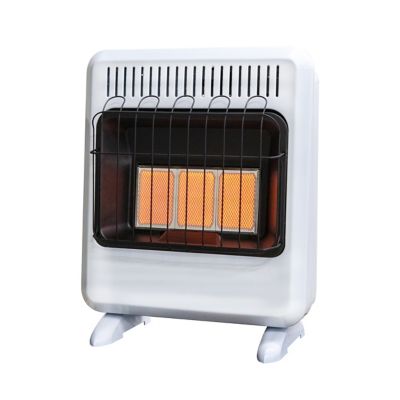
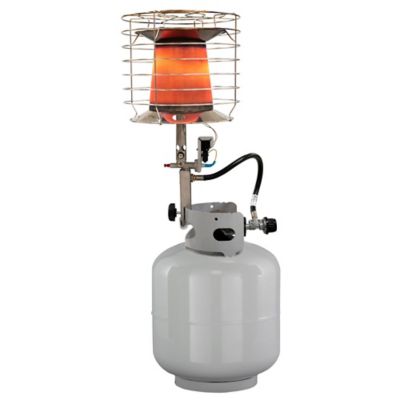
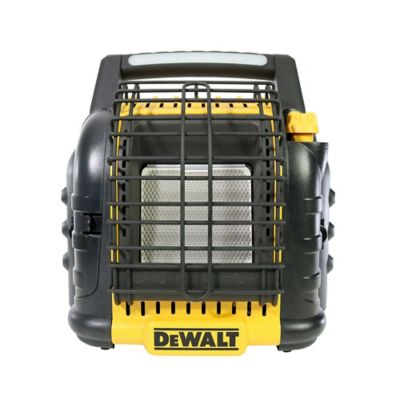
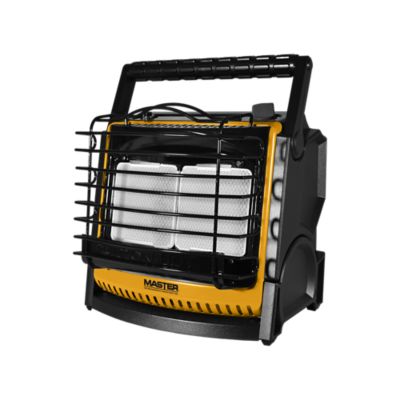
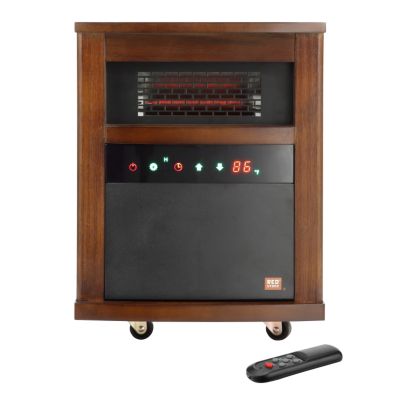
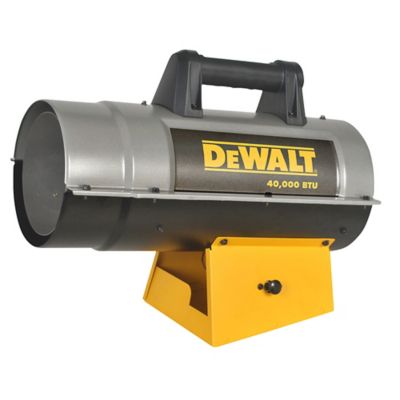
Emergency propane heaters are a practical way to keep a little warmth in the house, shop, cabin, barn office, or other work area when the power goes out or a regular heat source is unavailable. They run on propane rather than electricity, so they can provide heat during an outage, after a storm, or while a furnace or central system is being repaired. Portable designs are especially useful because they can be carried where heat is needed most, whether that means warming a mudroom while frozen pipes are a concern, taking the chill off a hunting cabin, or keeping a small workspace comfortable during a cold morning. Before choosing a heater, match its intended use to the space and always confirm that the unit is certified for indoor use if it will be operated inside. Outdoor-only heaters, patio heaters, and construction heaters should not be brought into a home, tent, camper, garage, or other enclosed area unless the manufacturer specifically allows that application. BTU output is another important consideration. A higher BTU rating generally produces more heat, but the right size depends on the room, insulation, ceiling height, outdoor temperature, and how much airflow the space has. A compact heater may be a good fit for a small, reasonably insulated room, while a larger drafty area may need more output or a different heating style. Portable propane heaters may use small disposable cylinders or connect to a larger refillable tank with the proper hose and regulator, giving you flexibility for short-term use or longer emergency operation. If you already keep propane on hand for a grill, generator, or other equipment, check the connection requirements and make sure your fuel supply is compatible rather than assuming every tank and hose will fit.
Safety features deserve just as much attention as heat output. An oxygen depletion sensor, often called an ODS, is designed to shut the heater off if oxygen levels fall too low. A tip-over switch can stop gas flow if the unit is knocked over or tilted, which is especially helpful in a busy household, workshop, or hunting camp. Look for sturdy handles, a stable base, simple controls, and clear instructions that are easy to follow when the lights are out. Even an indoor-rated propane heater needs fresh-air ventilation. Follow the manufacturer’s directions, keep a window or door cracked when instructed, and never run a combustion heater in a completely sealed room. Install and test separate battery-powered carbon monoxide detectors according to the detector manufacturer’s guidance, with protection near sleeping areas and on each level of the home. A propane heater should never be used while anyone is sleeping, and it should be turned off before leaving the room or going to bed. Keep curtains, bedding, clothing, paper goods, furniture, hay, and other combustible materials well away from the hot surface—at least the distance listed in the owner’s manual, and farther when possible. Set the heater on a solid, level, nonflammable surface where children, pets, and foot traffic will not bump it. Do not use it near flammable vapors, paint, gasoline, solvents, or dusty conditions. If you smell propane, hear an unusual sound, see a yellow or unstable flame, or notice soot, shut the unit off, leave the area, and follow proper propane safety procedures. Never use a match or electrical switch to search for a leak. A little preparation goes a long way: keep fresh batteries for detectors, inspect hoses and fittings before each use, read the manual, and practice starting and shutting down the heater before an emergency makes the job harder.
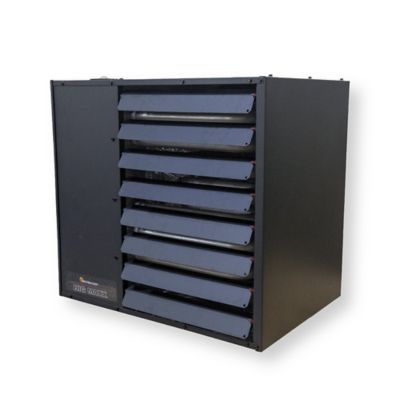
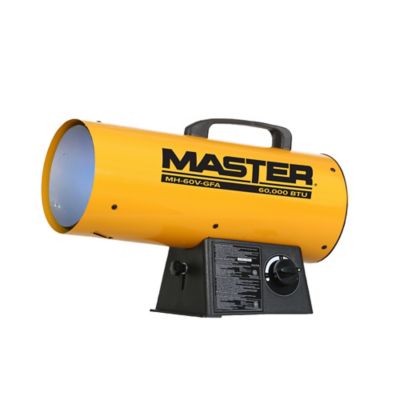
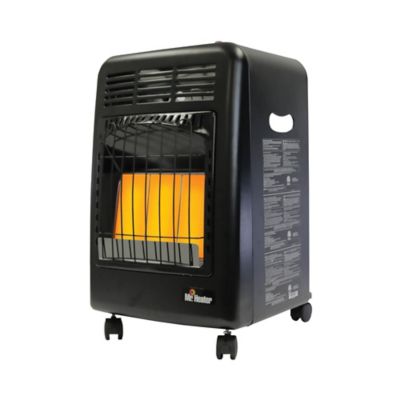
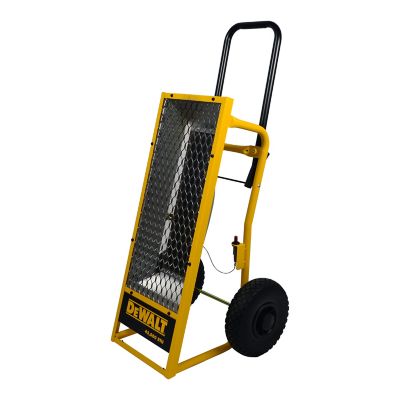
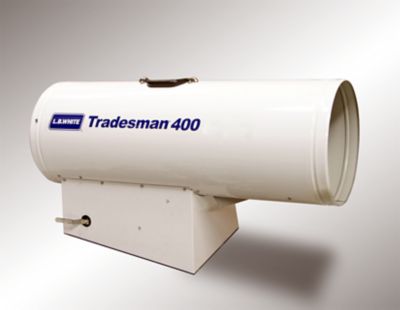
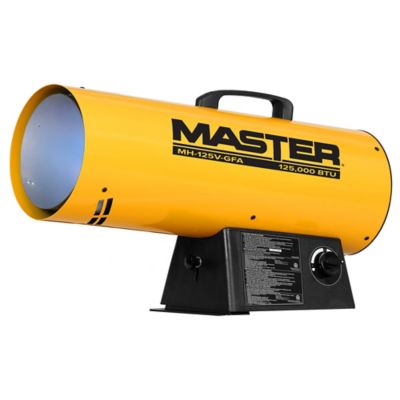
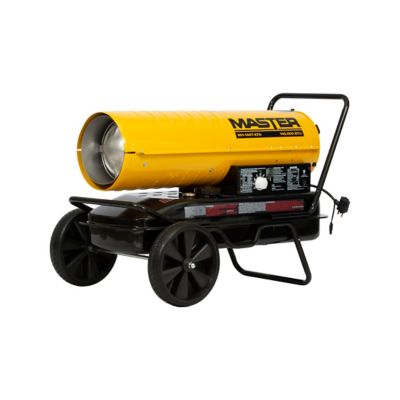
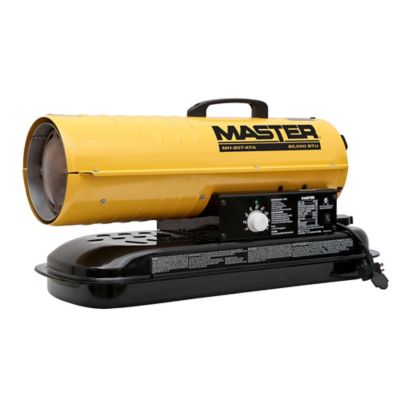
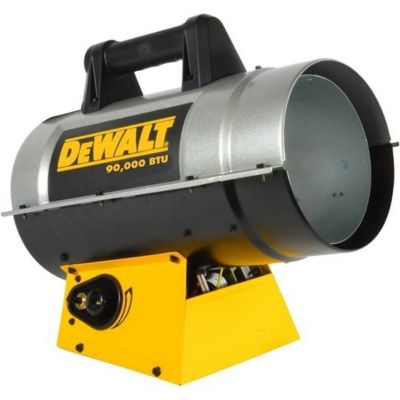
When comparing emergency propane heaters, think about how the heater will fit into your everyday routine as well as an outage plan. Radiant heaters direct warmth toward people and nearby objects, making them handy for sitting areas, a small room, or a workbench where you need focused heat. Some portable units can be adjusted or tilted to direct warmth, while broader designs spread heat in more than one direction. Forced-air models move heated air across a larger area and may be useful for open workspaces, barns, garages, or repair areas; browse
Propane Forced Air Heaters when that style better matches the job. Check the estimated coverage area, fuel run time, noise level, ignition type, and whether the heater needs batteries or electricity for its controls. A built-in gauge or fuel indicator can make it easier to plan, although run time will vary with the setting and tank size. Keep propane cylinders upright and stored in a cool, well-ventilated location away from living spaces, ignition sources, and direct sunlight, following local fire codes and the cylinder manufacturer’s instructions. Do not store cylinders in a basement, bedroom, or other area not approved for propane storage. These heaters can make a thoughtful gift for a homeowner, camper, farmer, hunter, tailgater, or anyone who spends long hours in a drafty outbuilding, especially when paired with fresh batteries, a carbon monoxide detector, or an approved hose and regulator. They are also useful to keep with an emergency supply kit alongside flashlights, blankets, bottled water, and weather radio. As the weather shifts from warm days to cooler nights, having a properly sized, safely stored heater ready on the shelf can bring welcome peace of mind—and a dependable patch of warmth when the rest of the house goes quiet.