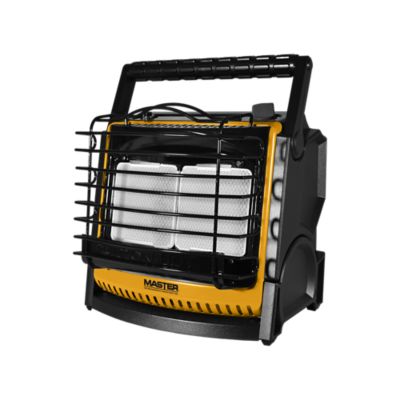
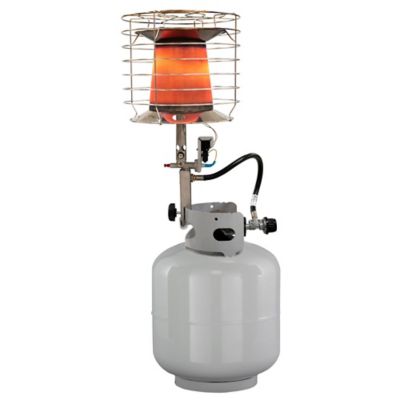
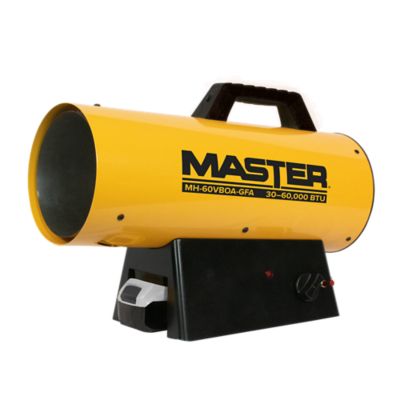
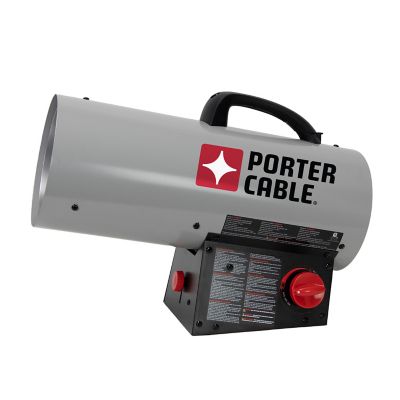
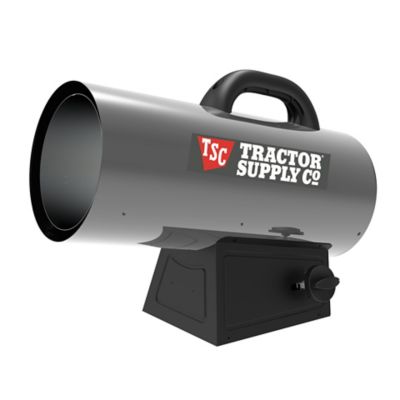
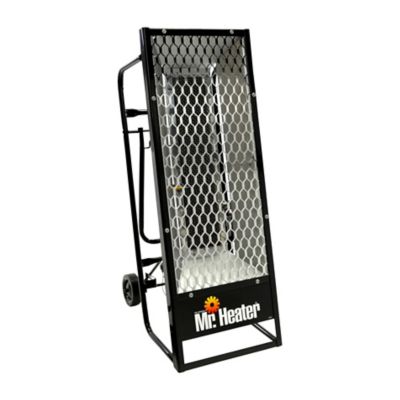
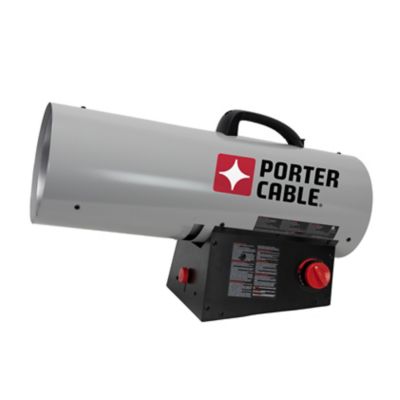
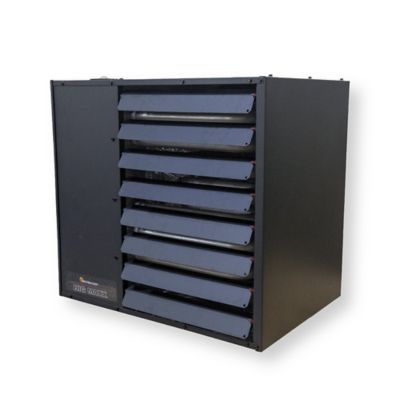
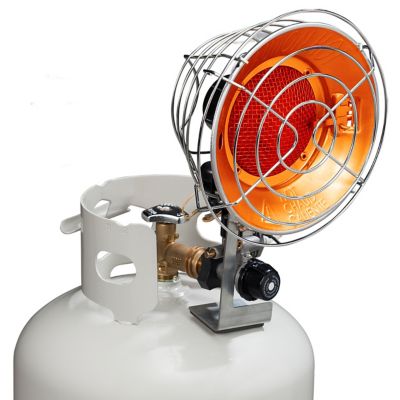
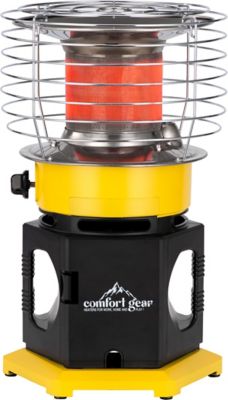
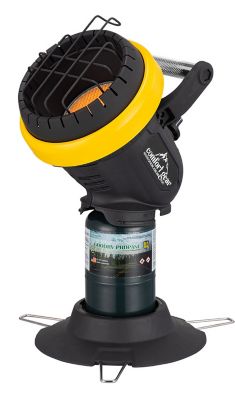
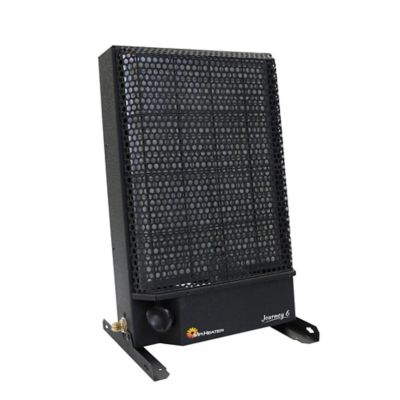
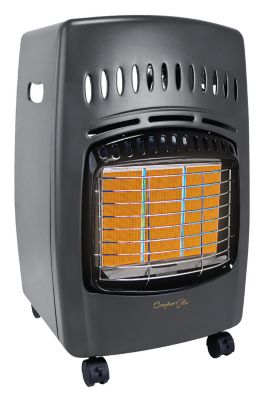
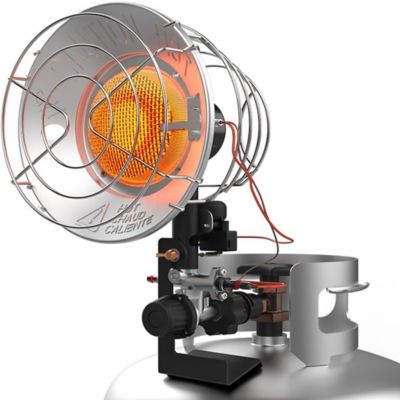
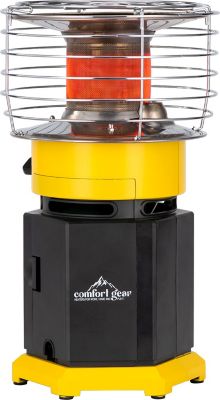
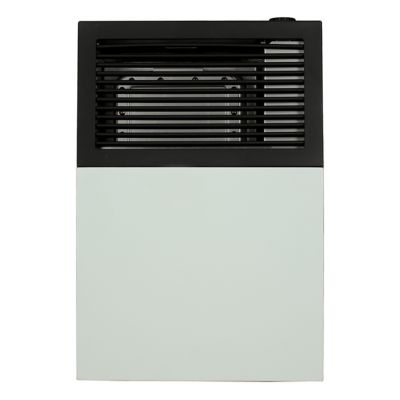
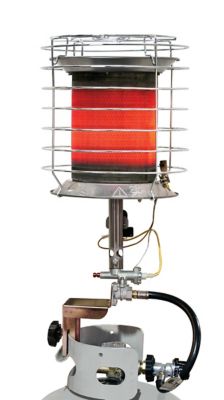
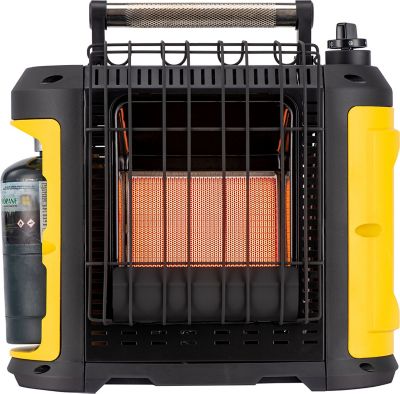
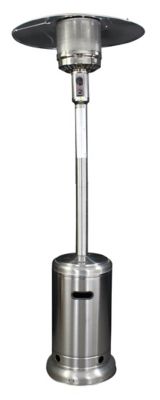
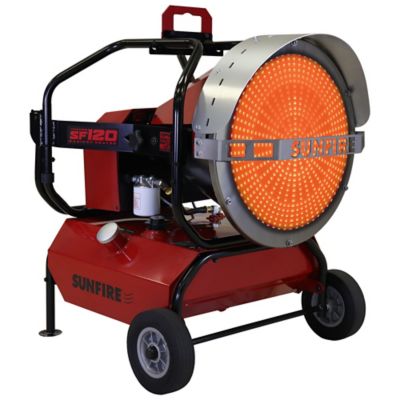
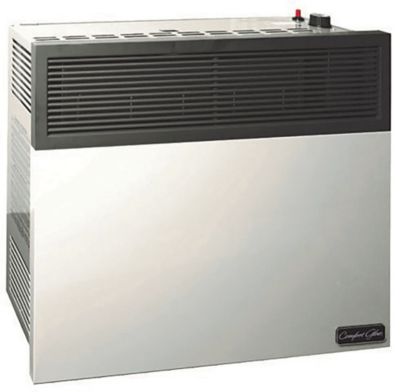
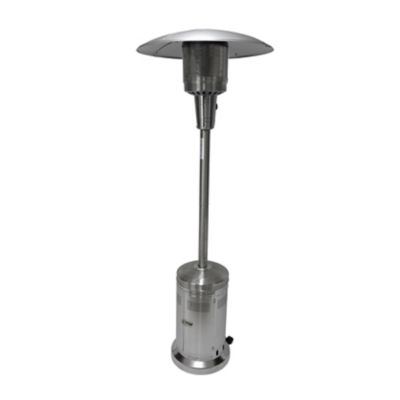
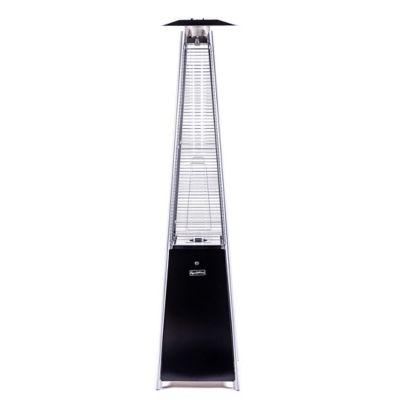
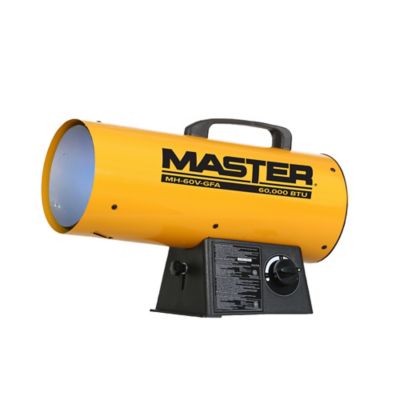
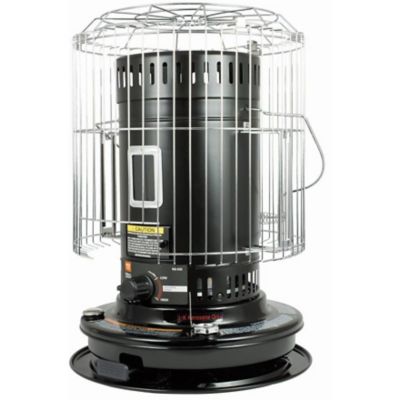
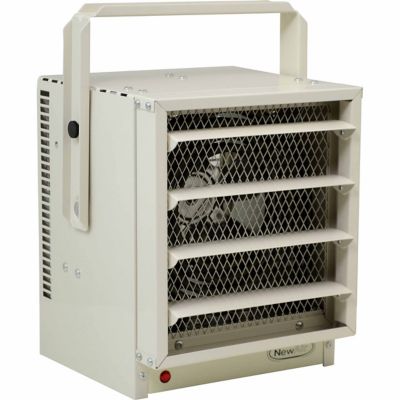
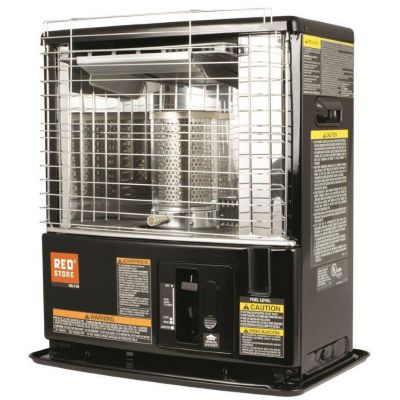
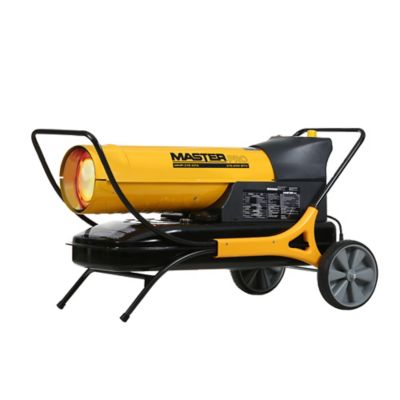
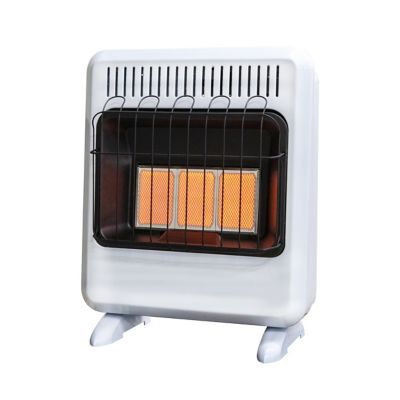
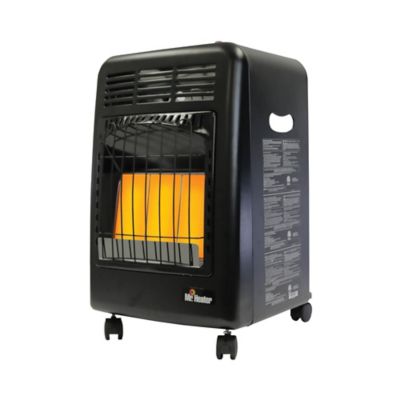
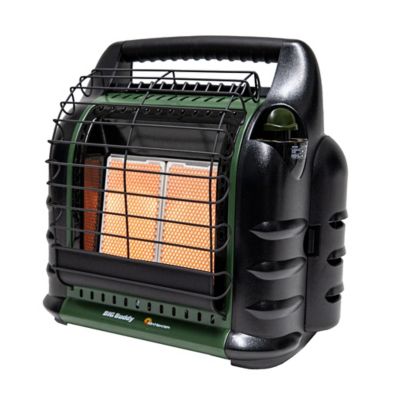
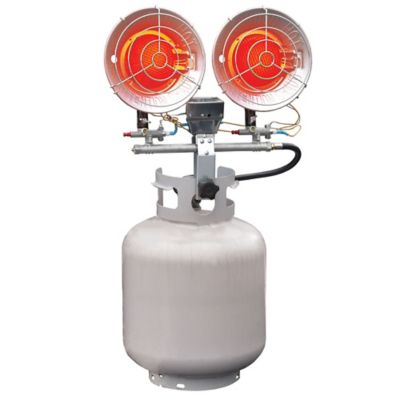
Propane construction heaters bring temporary heat to job sites where permanent heating is not yet running, helping take the bite out of cold workdays in unfinished buildings and other spaces approved for their operation. They burn propane to produce heat, with designs that either move warm air through a work area or direct radiant warmth toward people and nearby surfaces. For contractors, farm crews and property owners tackling building repairs during the cooler months, that means several different ways to match heat to the work at hand. Forced-air propane heaters, often called torpedo heaters because of their barrel-shaped housings, use a fan to send heated air across a larger area. They make sense for jobs where air movement is welcome, though the blower adds sound and can stir up loose dust. Radiant propane construction heaters transfer heat directly to people and objects within their reach, making them a consideration for a more concentrated work zone rather than evenly heating an entire building. Convection heaters warm the surrounding air as heat rises and circulates naturally; their coverage depends heavily on the building layout and air movement. Tank-top describes a mounting style, not a single heating method, and many tank-top heaters provide radiant heat. Across these categories, heat output can range from tens of thousands to several hundred thousand BTUs per hour. Bigger output is not automatically a better fit, especially when the work stays around one bench or a small section of a building. Picture the difference between a crew moving through a tall, unfinished equipment shed and one person fitting hardware at a stationary work area: the heat pattern matters as much as the number on the carton. Construction heaters are temporary work equipment, not a substitute for an approved household heating system, and each heater’s listed applications determine where it belongs. That distinction matters when comparing equipment for open-sided structures, partially enclosed projects and spaces with tighter walls and doors.
Matching a propane jobsite heater to a space starts with more than floor area. Ceiling height, insulation, outdoor temperature, open doorways and drafts all affect how much heat stays near the people doing the work. A tall metal building with frequent equipment traffic loses warmth differently from a smaller unfinished room, so square-foot coverage figures alone cannot tell the whole story. Manufacturer sizing information helps put those differences in context. Adjustable heat output can be handy when a crew needs stronger heat at startup and less once conditions settle, while thermostat control, where provided, can help manage operation without repeated manual adjustments. Fuel supply deserves the same attention. Higher-output heaters require adequate propane flow, and cold weather can limit how quickly a cylinder turns liquid propane into vapor. Cylinder capacity, regulator specifications and hose requirements need to match the heater’s instructions; a connector that fits does not, by itself, establish compatibility. Runtime depends on both the amount of fuel and the selected heat setting. Power needs vary, too. Many forced-air designs need electricity for the fan and controls, while some radiant and convection designs operate without an electrical connection. Battery-powered blowers are another configuration, with operating time tied to the battery as well as the fuel supply. For equipment that travels between projects, steel housings, protected controls, firm handles and a stable base are practical details worth comparing. Painted or powder-coated finishes help protect exposed metal, but scratches, moisture and rough handling still take their toll. Wheels can ease movement of larger units after shutdown and cooling, while compact designs may fit more easily among other equipment during transport. Hose routing also affects fit: the heater and cylinder need their required separation without leaving a line stretched across a walkway. Features such as flame-failure shutoff, overheat protection and tip-over shutoff vary by design. These features support safe operation, but they do not replace the specified clearances, proper setup or attention to changing jobsite conditions. The best match balances heat delivery with the actual space, fuel supply and daily movement of the crew.
A propane construction heater needs a suitable operating area, not just an empty patch of floor. Direct-fired heaters release combustion gases and moisture into the space they heat, which makes the manufacturer’s ventilation requirements essential. Carbon monoxide is a serious hazard because it cannot be seen or smelled; a cracked door is not proof that ventilation is sufficient. Required openings must remain unobstructed, and carbon monoxide monitoring does not take the place of fresh air. These heaters do not belong in sleeping areas or occupied living spaces, and an indoor location is suitable only when the equipment is specifically approved for that application and all operating requirements are met. Around a building project, placement also means allowing the listed clearance from lumber, tarps, insulation, packaging and other combustible materials. A heater cannot share an area with flammable vapors from gasoline, solvents or finishes. On a farm property, airborne grain dust and similar combustible dust call for particular caution and equipment suited to that environment. Set the heater on the surface specified by its manufacturer, keep cylinders upright and secured as directed, and protect hoses from traffic, sharp edges and hot surfaces. Between jobs, inspection and care help keep small problems from becoming interruptions: check hoses and fittings for damage, keep air inlets clear, and follow the prescribed leak-check procedure without ever using a flame. Shut down the heater and let it cool before moving or cleaning it, and follow the instructions for disconnecting power and fuel. Cylinder storage and transport must follow applicable requirements. Added combustion moisture also matters around finishes and building materials with specific curing conditions; warmth alone does not guarantee proper drying. For a separate garage project,
propane garage heaters offer another category to consider, with their own installation, venting and clearance requirements. Keeping those intended uses distinct helps match temporary jobsite heat to the task without treating every propane heater as interchangeable.