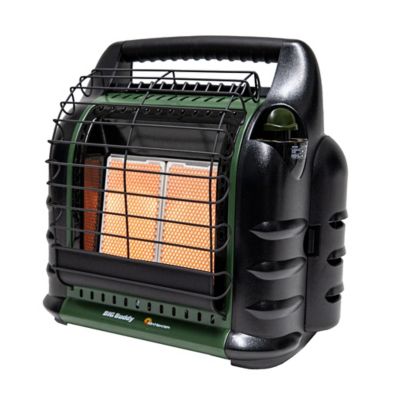
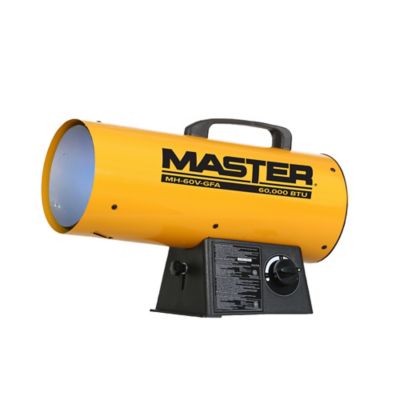
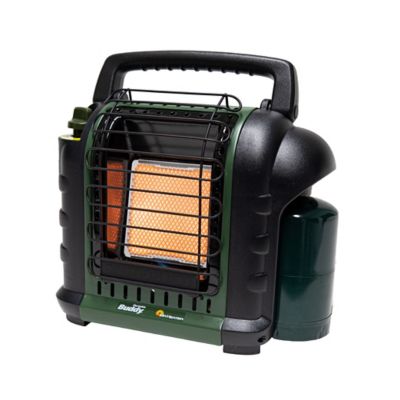
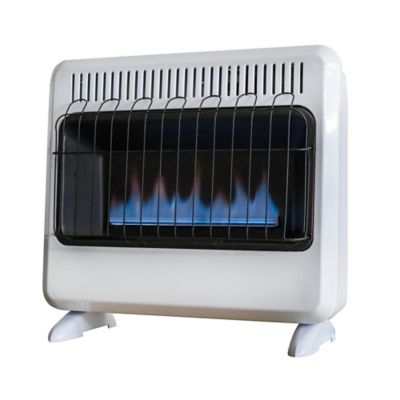
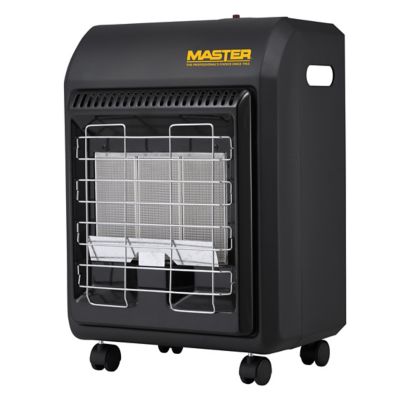
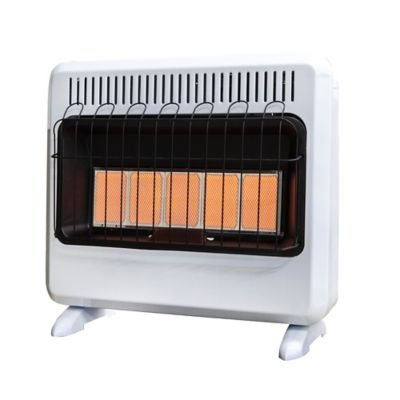
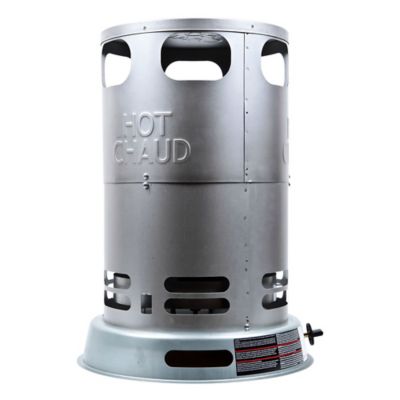
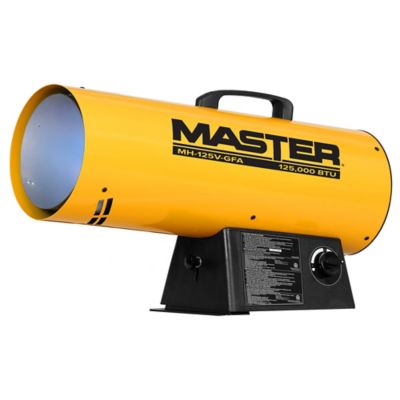
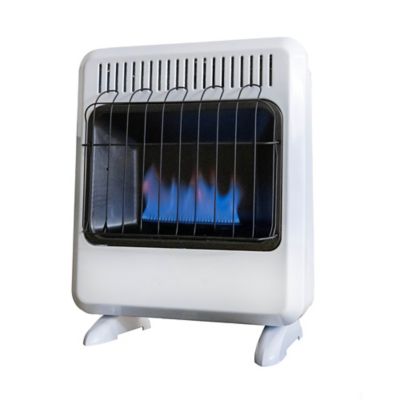
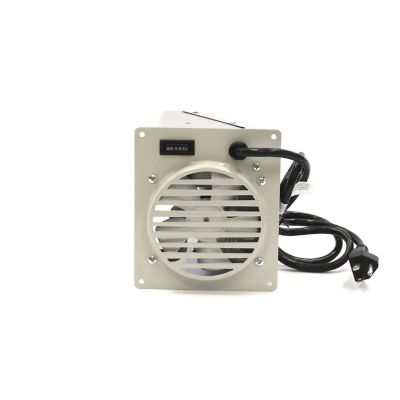
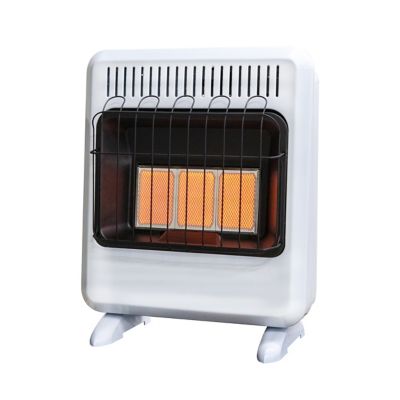
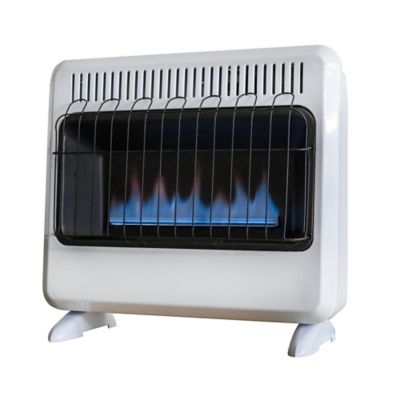
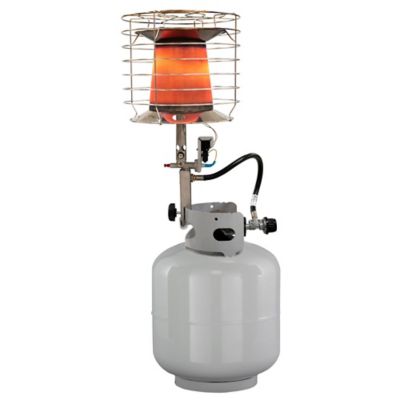
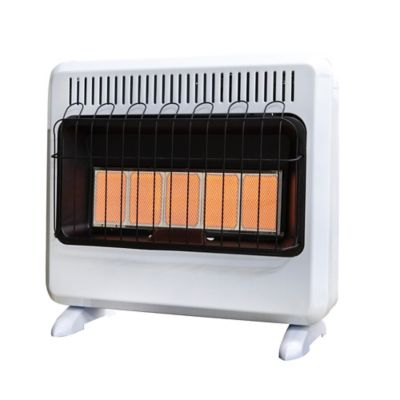
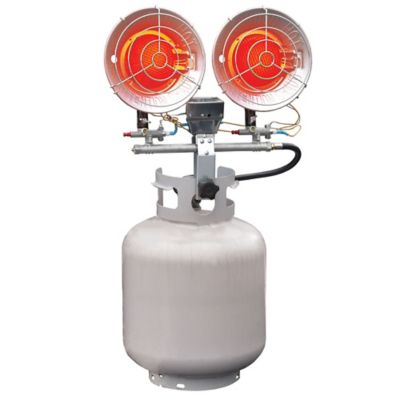
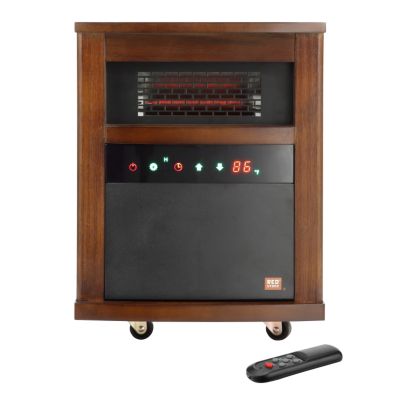
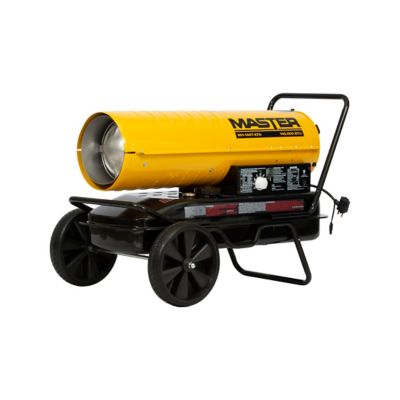
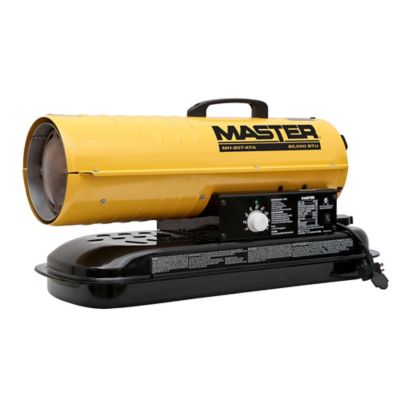
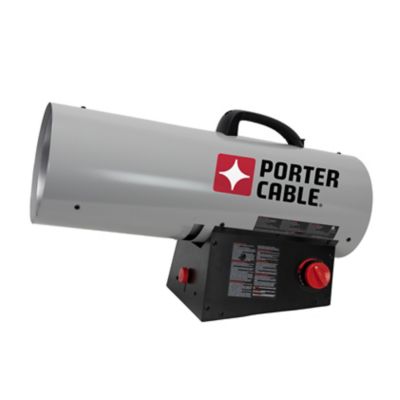
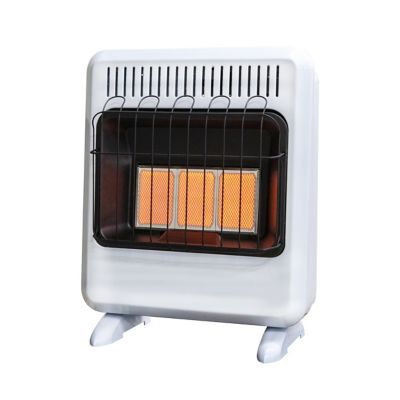
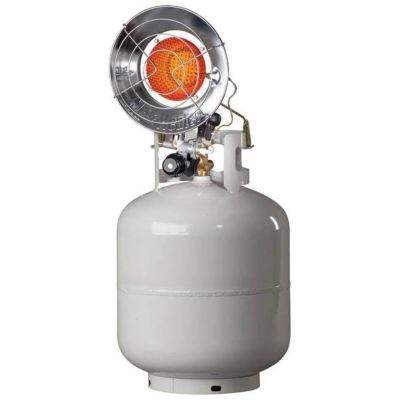
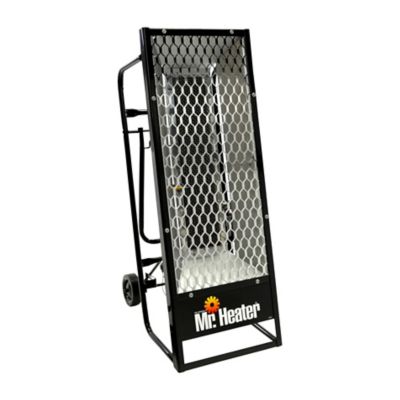
Propane and natural gas heaters bring steady heat to spaces where a central system may not reach or where a little extra warmth makes everyday work more comfortable. Depending on their rating and installation requirements, these heaters can serve a living area, cabin, garage, or workshop, with designs that range from permanently mounted room heaters to portable equipment intended for outdoor use. The right fit starts with the fuel supply and the space itself. Propane heaters draw fuel from an approved cylinder or tank, while natural gas heaters connect to a compatible gas supply line. Dual-fuel heaters are designed to operate on either propane or natural gas, but not both at once, and their setup must follow the manufacturer’s directions. A heater built for one fuel cannot simply be connected to the other; conversion is appropriate only when the manufacturer expressly permits it and specifies the required parts and procedure. For a rural property with an existing propane tank, a fixed heater may fit neatly into the household’s heating setup after a qualified installer checks supply capacity, piping, and pressure. Where natural gas service reaches a detached work area, a properly installed gas heater can provide heat without cylinder changes. Heating style matters, too. Radiant or infrared heaters direct warmth toward people and nearby surfaces, which can feel good beside a workbench without waiting for all the surrounding air to warm. Blue flame and other convection heaters warm the air, allowing heat to circulate through the room. Fan-equipped models help move that air, though the fan generally needs electricity. Some heaters can produce heat without household power, but electronic ignition, controls, or blowers may require it, so power-outage operation depends on the particular design. These differences make propane and natural gas heaters useful for homeowners, folks working on acreage, and people who spend time tending equipment or finishing projects away from the main living space. Matching the heating method to those routines matters more than choosing the biggest heater.
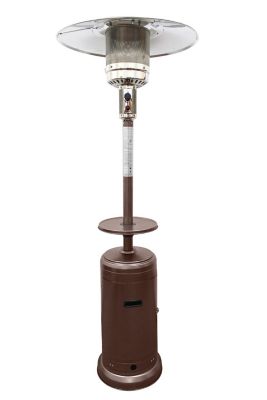
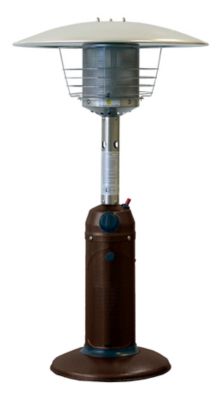
Heat output is commonly listed in British thermal units per hour, often shortened to BTU or BTU/h, and it describes how much heat a gas heater can deliver. Square-foot coverage estimates offer a starting point, but ceiling height, insulation, drafts, windows, and how often a door opens all affect the heating load. A snug sitting room and a tall garage with a frequently opened overhead door can need very different equipment, even with the same floor area. Too little output can leave a space uncomfortable, while an oversized heater may cycle frequently or make a small area overly warm. Thermostatic controls help maintain a selected temperature, and adjustable heat settings offer flexibility when the heating demand changes. Physical fit deserves just as much attention as output. Wall-mounted heaters keep floor space open, but they need an approved mounting surface and the clearances stated in the manual. Freestanding designs need a stable location where boots, toolboxes, or passing equipment will not knock them over. A cabinet’s footprint is only part of its space requirement; furniture, curtains, stored lumber, and other combustible materials must remain outside the specified clearance area. Venting also separates major heater types. Direct-vent heaters typically draw combustion air from outdoors and discharge exhaust outdoors through a dedicated vent system. Other vented designs may draw room air for combustion, making their air-supply requirements different. Vent-free heaters release combustion byproducts, including water vapor, into the occupied space and carry specific limits on room size, ventilation, location, and operation. They are not permitted everywhere, and a room that feels roomy is not proof that it meets installation requirements. Local codes and the appliance listing determine where a heater belongs, including restrictions that may apply to bedrooms, bathrooms, garages, or manufactured homes. Outdoor patio heaters and construction heaters are not substitutes for listed indoor room heaters. For a workshop where gasoline, solvents, airborne dust, or combustible materials may be present, an appliance must be specifically suitable for those conditions and installed accordingly. A qualified installer can assess the heating load, fuel connection, vent route, and placement before a permanent heater becomes part of the space.
Materials, controls, and routine care help determine how well a heater stands up to the job over time. Metal cabinets and protective grilles shield internal components, while finishes help protect exposed surfaces from everyday wear. Radiant designs may contain ceramic plaques or other emitter surfaces that need protection from impact and careful cleaning according to the manual. A grille does not make a heater cool to the touch, so placement should keep children, pets, and foot traffic away from hot surfaces. In a working garage, controls that are easy to see and reach can be more useful than extra features that rarely get touched. Service access matters as well: an installer or technician needs room to inspect connections, clean approved components, and check burner operation without moving a stack of feed sacks or dismantling shelving. Depending on the design, safety features may include a flame-failure shutoff, an oxygen depletion sensor, an overheat shutoff, or tip-over protection. Each has a particular purpose, and none replaces correct installation, required ventilation, or carbon monoxide alarms. An oxygen depletion sensor responds to low oxygen conditions; it is not a carbon monoxide detector. Working carbon monoxide alarms and smoke alarms belong in the locations specified by their manufacturers and local requirements. For more context on appropriate placement and operation,
Safe Propane Heaters covers considerations worth keeping close at hand. Fuel hoses, regulators, connectors, and vent components must match the appliance specifications rather than merely appearing to fit. Propane cylinders require proper upright positioning and storage under applicable rules, and spare cylinders should never be stored inside a home. Cleaning starts with the heater shut down and cool, with fuel and power isolated as the manual directs. Keeping air openings clear and arranging recommended professional inspections helps support proper operation. Whether the goal is a comfortable corner for mending tack or supplemental heat in an approved living space, a well-matched propane or natural gas heater balances output, fuel access, installation needs, and everyday upkeep.