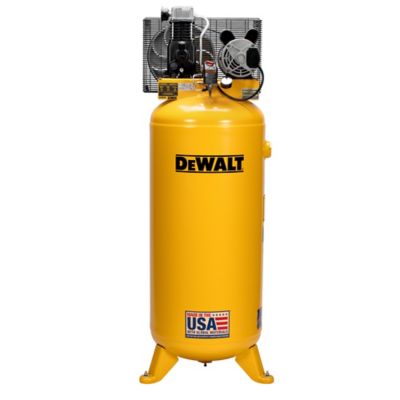
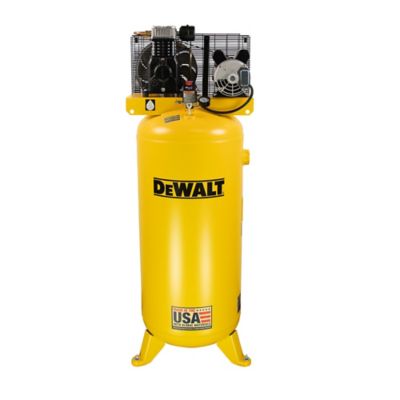
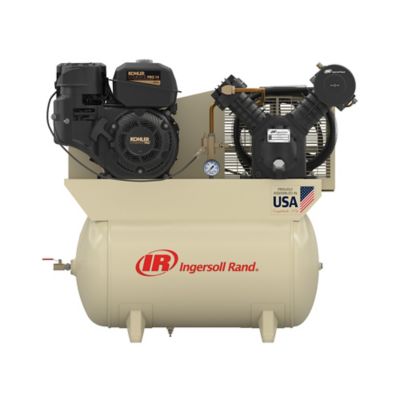
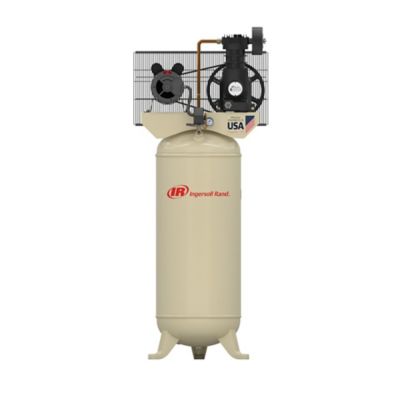
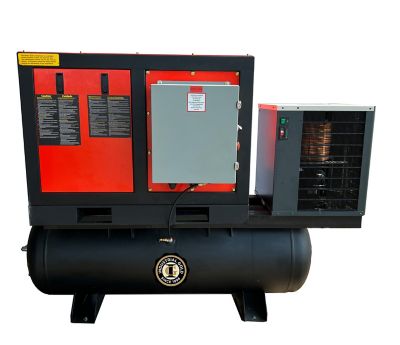
A reciprocating air compressor turns the back-and-forth motion of a piston into compressed air for tools, tire inflation and everyday shop work. A crankshaft drives the piston inside a cylinder, drawing air through an inlet valve, squeezing it under pressure and sending it through a discharge valve toward the receiver tank. That stored air gives a nailer its punch, helps an impact wrench loosen stubborn fasteners and keeps an inflator ready for the next trailer tire. These piston-driven compressors fit a wide range of settings, from a home garage and woodworking shed to a farm repair shop with several jobs lined up. Single-stage compressors bring air to the required pressure in one compression stage, making them a practical match for many intermittent tasks. Two-stage compressors compress air in one cylinder, cool it between stages and compress it again in a second cylinder, supporting higher pressure requirements and heavier workloads when their output ratings match the job. Stage count alone does not tell the whole story, though. Airflow, measured in cubic feet per minute, determines how well a compressor can keep pace with a tool, while pounds per square inch describes air pressure. A compressor’s CFM rating needs to meet the tool’s demand at the required operating PSI; airflow figures measured at different pressures are not direct comparisons. A framing nailer takes short bursts of air, while a grinder or spray gun may draw air steadily. Running two tools together adds to the airflow requirement. Tank size matters, too, but a larger tank stores more air rather than increasing the pump’s output. It can provide a useful reserve for brief bursts, while recovery time depends on how quickly the pump replenishes that reserve. The duty-cycle rating completes the picture by describing allowable running time within a stated period. Even a two-stage machine needs to stay within its rated duty cycle, so the best fit comes from matching the compressor’s full specifications to the way work actually happens around the shop.
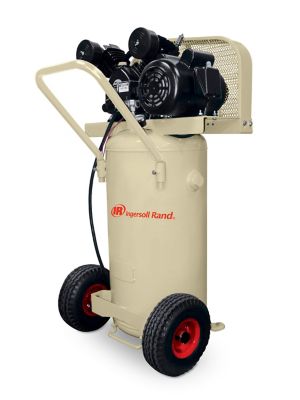
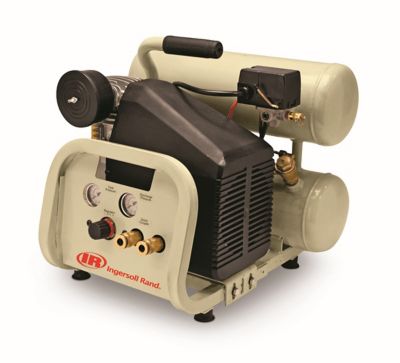
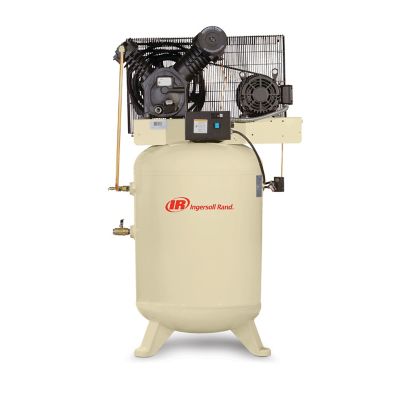
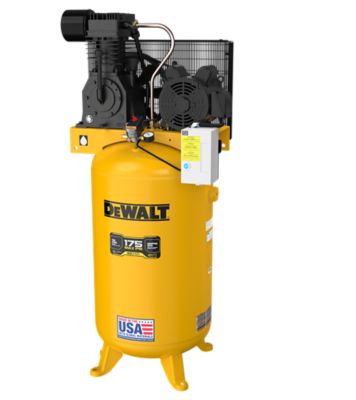
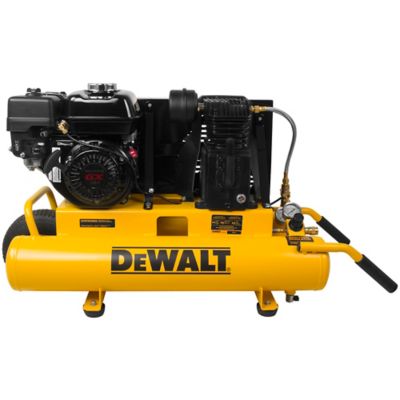
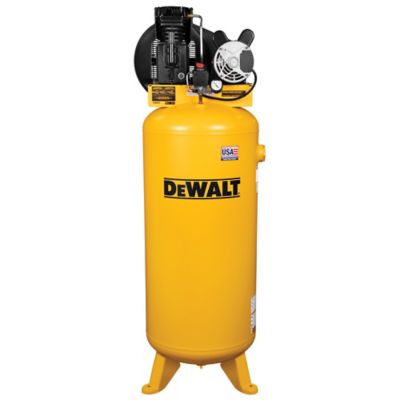
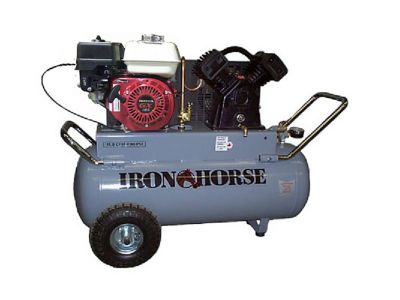
The space around a reciprocating air compressor matters nearly as much as the work at the end of the hose. Portable designs suit jobs that move between a garage bay, shed and nearby work area, with wheels, handles and overall weight affecting how easily the machine travels. A stationary compressor makes more sense where pneumatic tools have a regular home and the air system serves an established workbench or repair bay. For shops where floor space is tight,
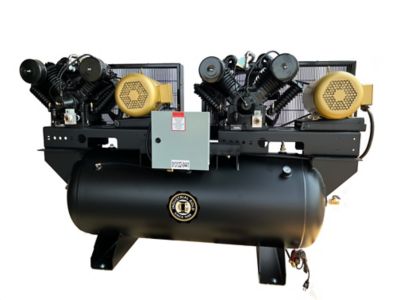
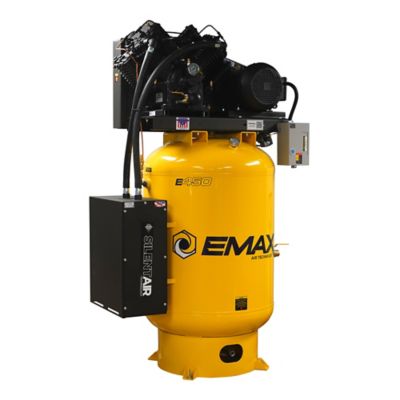
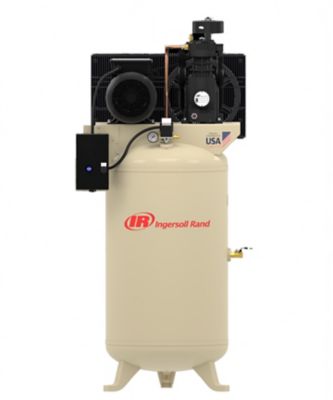
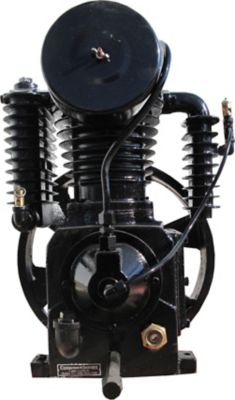
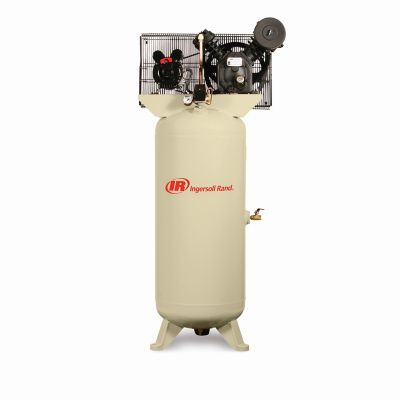
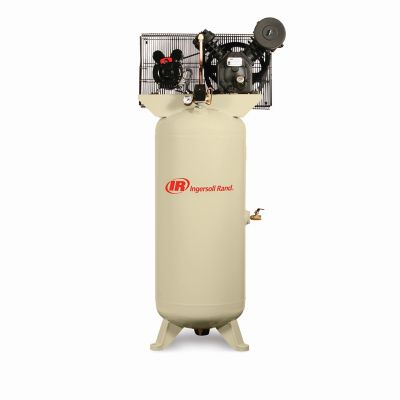
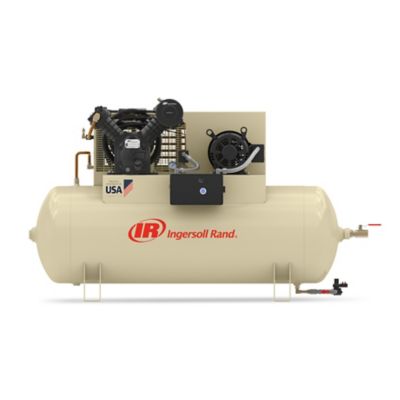
Vertical Air Compressors place the receiver upright, leaving more room alongside benches, shelving and parked equipment. That smaller footprint still needs room for ventilation, service access and safe clearance around moving or hot components. Horizontal tanks have a lower profile, which may fit better beneath certain shop layouts or on equipment platforms designed for that purpose. Pump construction also affects the ownership experience. Cast-iron cylinders are common in pumps intended for repeated shop work, while aluminum components can help reduce weight and shed heat. Belt-driven layouts often allow the pump to turn more slowly than the motor, although sound levels and service needs depend on the complete design. Oil-lubricated pumps require the specified lubricant and routine oil checks; oil-free pumps eliminate crankcase oil service but still need attention to filters, drains and other maintenance points. Electrical fit is another practical consideration. Motor voltage, phase, circuit requirements and starting load must match the installation, especially when moving beyond a household receptacle to a dedicated shop circuit. Horsepower alone does not establish air output or confirm that a circuit can support the motor. Engine-driven compressors offer another arrangement for work away from electrical service, with operation outdoors and away from openings essential because of exhaust. Across these layouts, accessible controls, readable gauges, protected belts and a reachable tank drain make a difference when the compressor becomes part of the daily routine.
Long service life starts with a compressor that fits the workload and has room for regular care. Air carries moisture, and that moisture can collect inside the receiver as compressed air cools. Draining the tank according to the manufacturer’s instructions helps limit internal corrosion and keeps accumulated water from taking up storage space. Intake filters need attention in shops where sawdust, hay dust or grinding debris tend to settle, and oil-lubricated pumps need the correct oil level and scheduled changes. Belts, guards, fittings and hoses also deserve routine inspection, with power disconnected and pressure released as directed before maintenance. A small air leak can make the pump cycle more often even when no tool is running, adding noise and running time without getting any work done. Properly sized hoses and couplers help air reach the tool without an unnecessary pressure drop, particularly across a long repair bay or from a compressor tucked into a separate work area. Tool pressure belongs at the regulator setting specified for that tool, not automatically at the tank’s maximum pressure. Air treatment depends on the task: a tire chuck and an impact wrench have different needs from a spray gun, where moisture or oil carryover can spoil a finish. Filters, separators and dryers address different contaminants, and an oil-free pump by itself does not guarantee dry or contaminant-free air. Painting and pneumatic-tool branches may also need different lubrication arrangements. For the person maintaining tractors, repairing fencing equipment or handling projects in the garage, these details turn a compressor into a more useful part of the workspace. Clear access to service points, suitable air delivery and a layout that keeps hoses out of walkways matter long after the first job. A well-matched reciprocating air compressor supports those ordinary but important tasks: airing up a utility trailer, driving fasteners into a workbench project or powering the tools that help get equipment back to work.