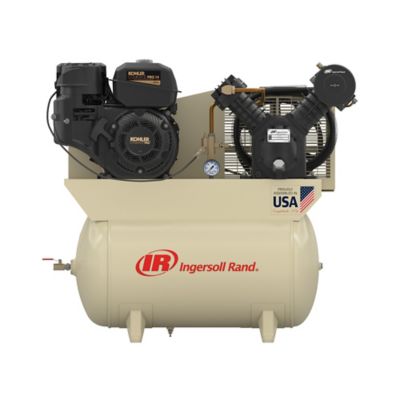
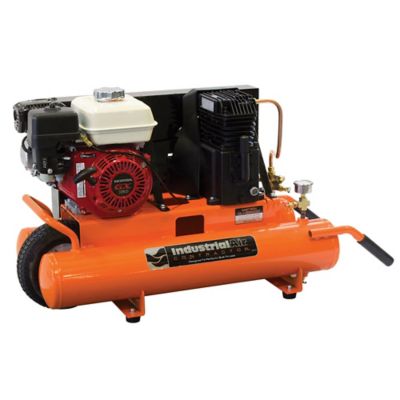
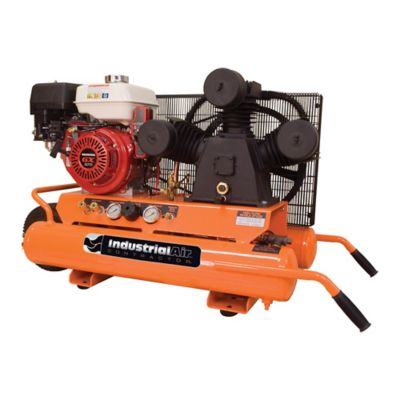
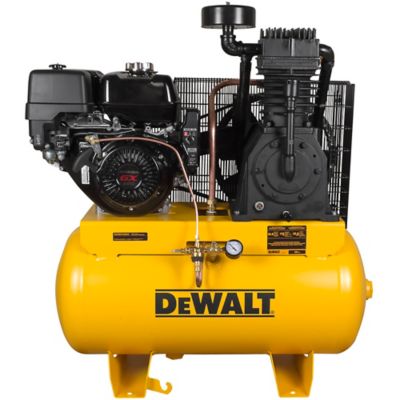
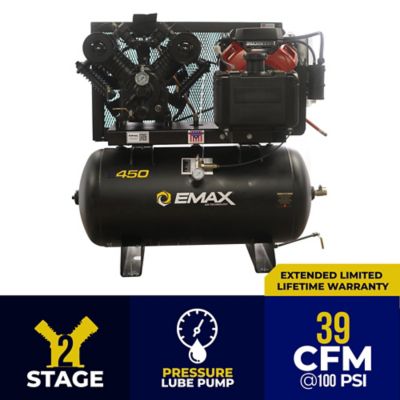
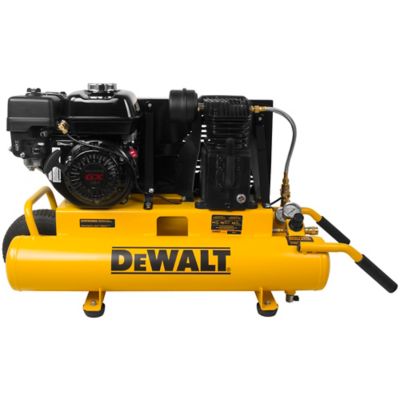
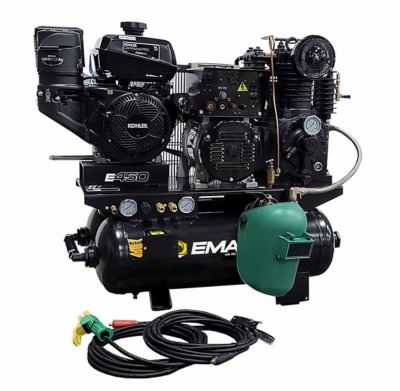
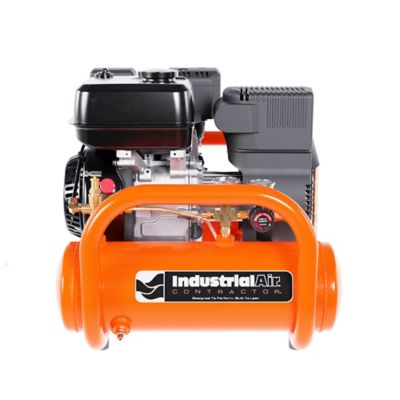
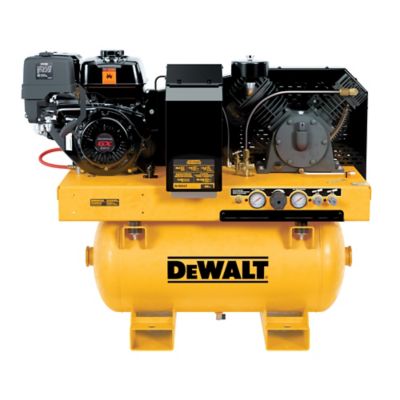
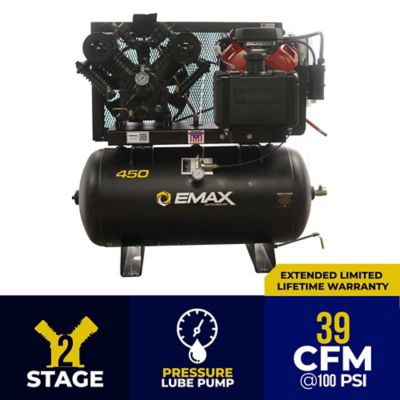
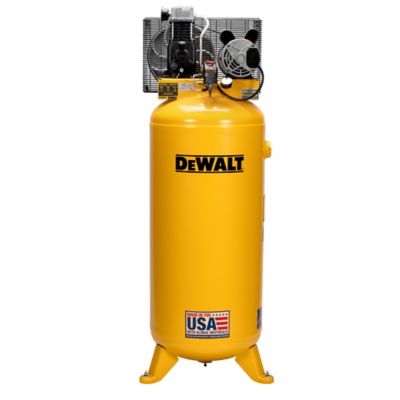
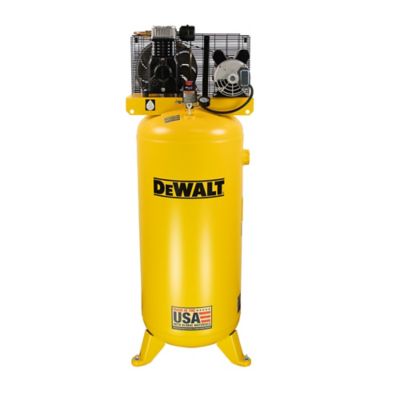
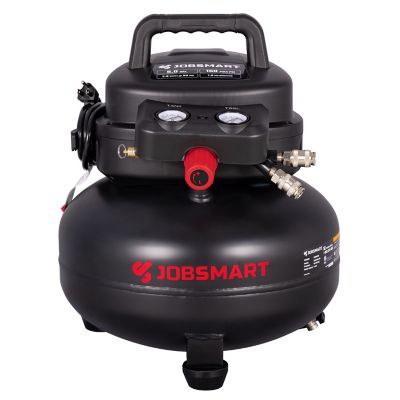
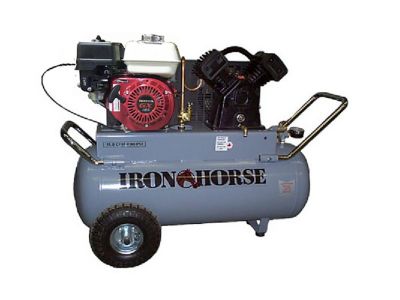
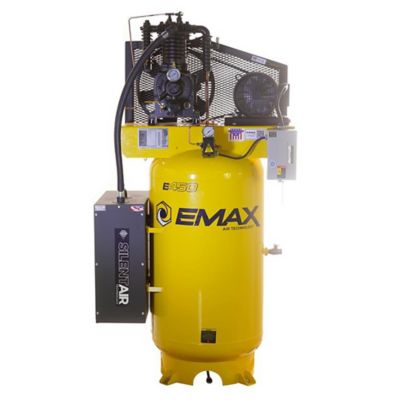
Pneumatic air compressors turn mechanical power into stored energy by drawing in outside air, compressing it, and holding that pressurized air in a tank until it is needed. When a tool is connected, the air moves through the outlet and pressure regulator at a controlled level. That steady stream of compressed air can run pneumatic nailers, staplers, impact wrenches, ratchets, die grinders, blow guns and other shop equipment, while a tire inflator can put useful air back into trailer, tractor, truck, ATV and lawn equipment tires. Inside the compressor, an electric motor or gas engine drives a piston or rotary mechanism that reduces the air’s volume and raises its pressure. The tank stores that energy, and the regulator helps match the outlet pressure to the tool’s safe operating range. This makes a pneumatic air compressor a handy addition to a farm shop, home garage, construction trailer, maintenance shed or small business. A compact unit may be a good fit for topping off tires, cleaning dust from work surfaces and handling occasional fastening jobs, while a larger compressor can better support automotive repairs, framing, roofing, fencing and other work that calls for repeated tool use. If floor space is limited,
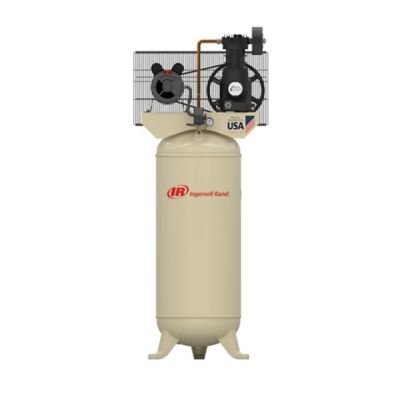
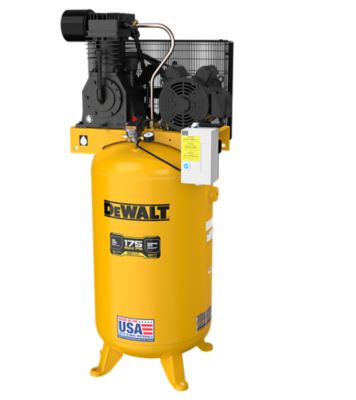
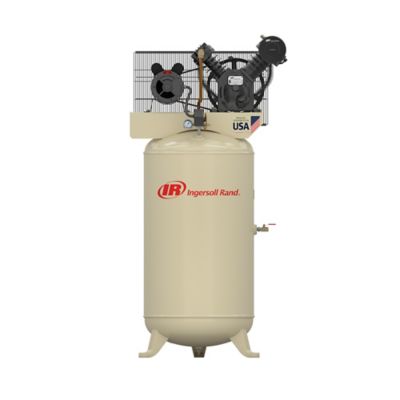
Vertical Air Compressors can make good use of unused wall-side space while keeping the tank upright and accessible. For a rural household, a compressor often earns its keep in several different ways: one afternoon it may help install fence boards, and the next it may power an impact wrench while servicing a mower or trailer.
The most important purchase consideration is matching the compressor to the tools you plan to use. Look at both PSI, or pounds per square inch, and CFM, or cubic feet per minute. PSI describes the pressure the compressor can produce, while CFM describes the volume of air it can deliver over time. A nailer or stapler may need relatively little air, but a die grinder, impact wrench, sander or spray gun can use air quickly and may require a compressor with a higher CFM rating. Check the tool manufacturer’s requirements and compare them with the compressor’s delivered CFM at the appropriate pressure, rather than relying only on the maximum PSI number. Choosing a compressor with some extra capacity helps reduce long recovery times and keeps the motor from running constantly. Tank size matters, too. A smaller tank can be easier to move and may suit short bursts of work, while a larger tank provides a reserve of air for repeated fastening, inflation or wrenching. Keep in mind that a bigger tank does not automatically mean a stronger compressor; the motor, pump design, CFM output and duty cycle all play a part. Duty cycle indicates how long a compressor can run within a given period before it needs time to cool, which is especially important for extended shop work. Electric compressors are convenient for garages, barns and workshops with a suitable outlet, and many are simple to start and maintain. Gas-powered models can offer more freedom around a property or job site where electrical service is not close by, but they require outdoor operation, fuel and proper ventilation. Noise may also influence the best choice. If the compressor will sit near a house, tack room or enclosed work area, look for a design and location that make conversation and routine work more comfortable.
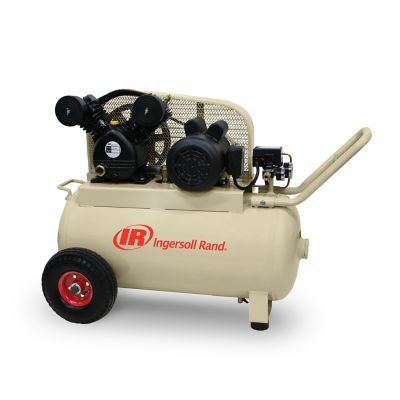
Consider the jobs you do most often, the tools you already own, and how easy the compressor will be to move, store and service. A wheeled unit with a sturdy handle can be helpful when the work moves from the garage to the livestock area, while a stationary unit may be a better fit for a dedicated shop with permanent air lines. Vertical tanks use less floor space, and horizontal designs can offer a lower profile for certain work areas. Make sure the power requirements match the outlet and extension cord, if one is needed, and avoid undersized cords that can cause voltage drop or overheating. Useful accessories may include an air hose, couplers, fittings, a tire chuck, blow gun, nailer, stapler, filter or water separator. Compressed air naturally collects moisture as it cools, particularly in humid conditions, so draining the tank as directed helps limit rust and keeps water out of hoses and tools. A filter or separator can be helpful for spray finishing and other jobs where clean, dry air matters. Follow the owner’s instructions for oil checks, air filter cleaning, belt inspection and tank draining, and never use a tank that shows serious corrosion, damage or an unreadable safety label. Wear eye protection when using a blow gun or air tool, keep loose clothing and hair away from moving parts, and use only accessories rated for the pressure involved. Pneumatic air compressors can also make practical gifts for a new homeowner, a do-it-yourself mechanic, a farmer building a better shop setup or someone who enjoys restoring equipment. They are the kind of gift that may start with inflating a tire and soon become part of weekend projects, seasonal repairs and everyday upkeep. As the weather shifts and outdoor chores change, a dependable source of compressed air can help with equipment maintenance, fastening, cleaning and repairs from the first cool mornings through the colder stretch of the year.