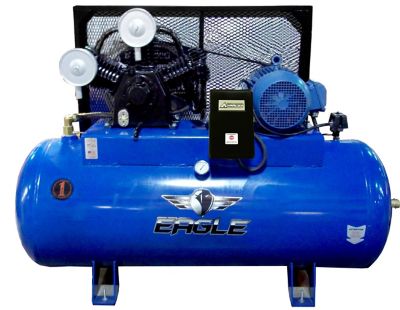
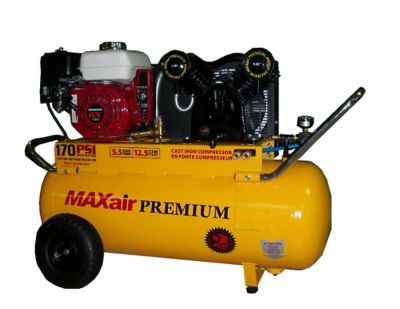
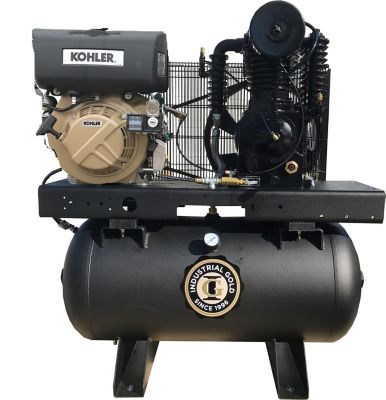
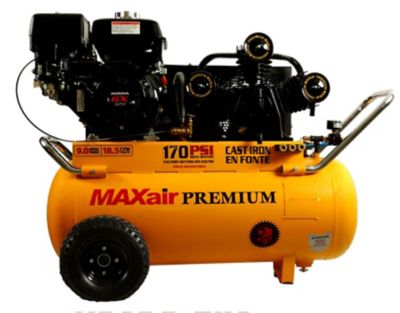
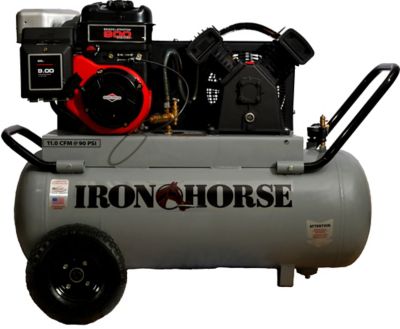
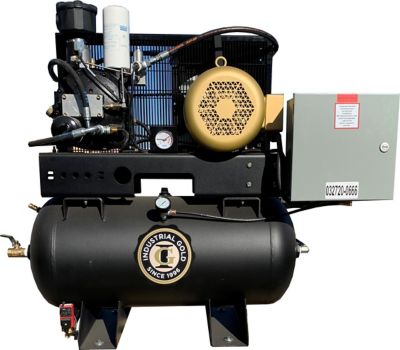
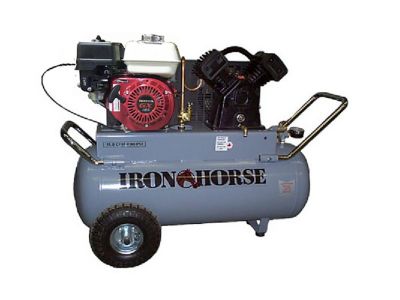
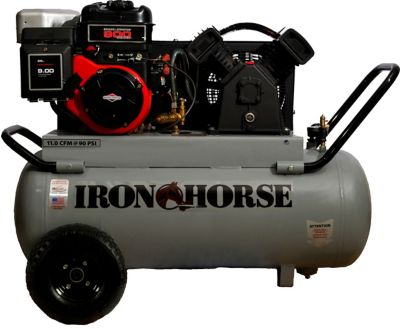
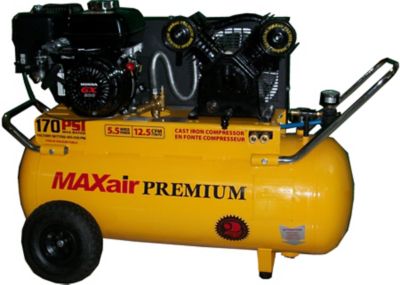
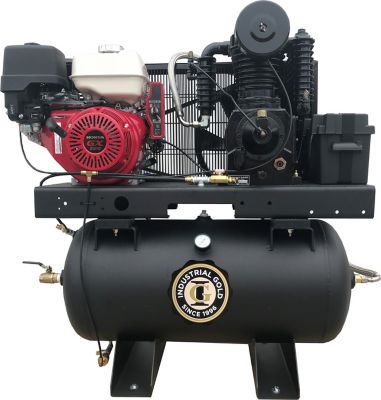
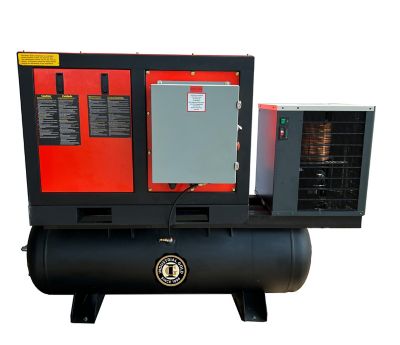
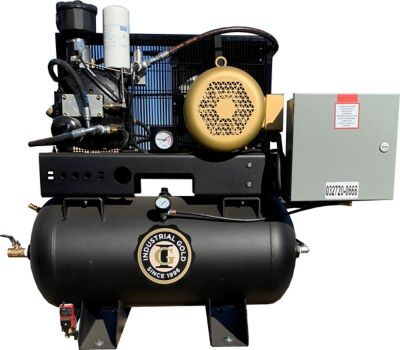
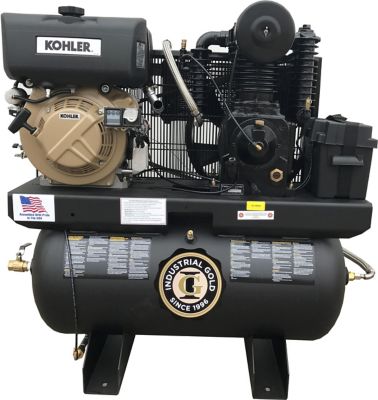
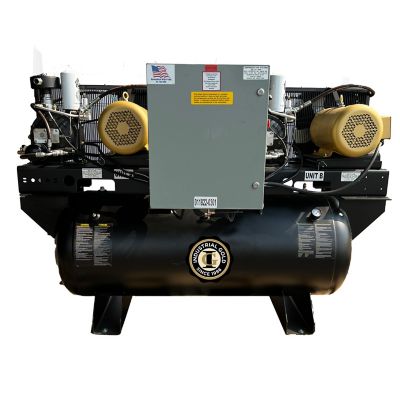
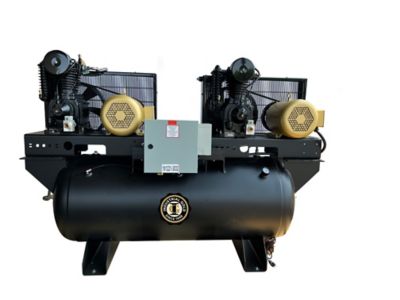
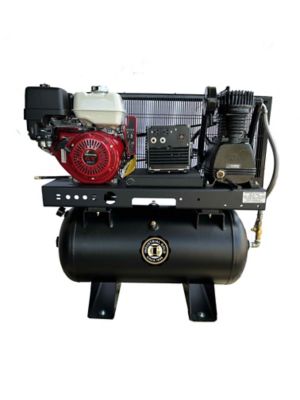
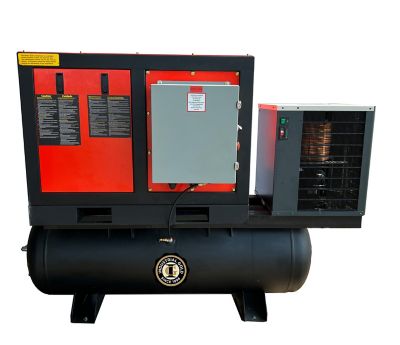
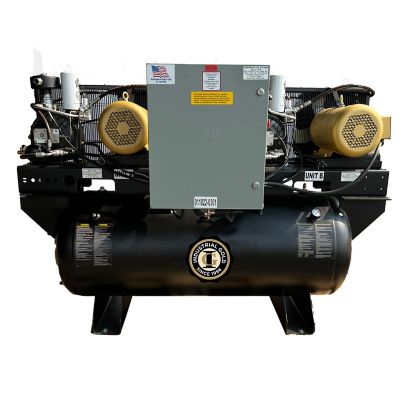
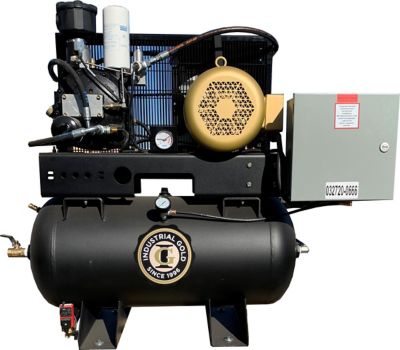
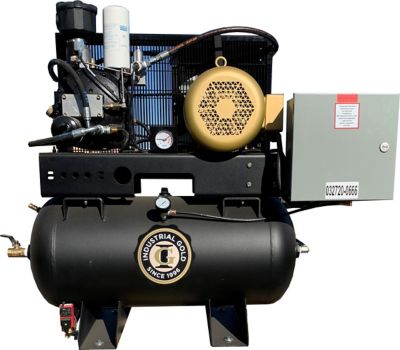
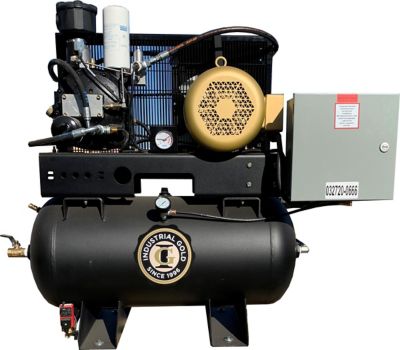
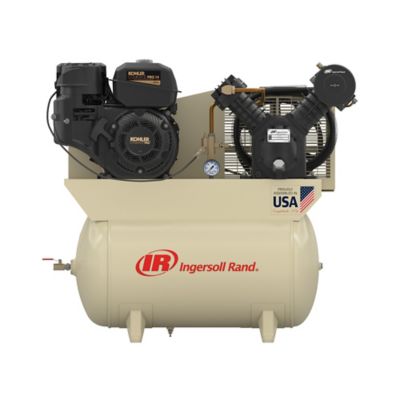
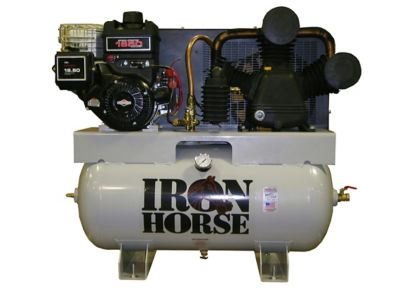
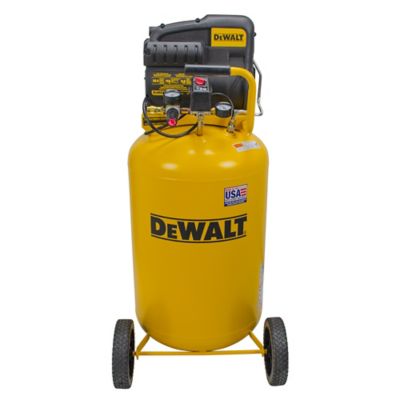
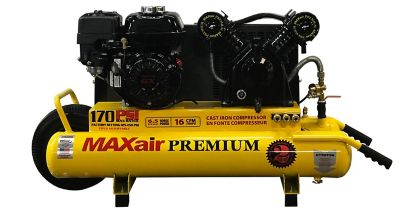
Horizontal air compressors store compressed air in a tank that sits lengthwise rather than upright, giving the unit a lower profile for garages, farm shops, sheds, and work areas where overhead space is limited. That layout can make a compressor easier to position beneath suitable open shelving or alongside a workbench, provided the installation leaves the ventilation and service clearance required by the manufacturer. A horizontal tank generally takes up more floor length than a vertical tank of similar capacity, so the full footprint matters as much as tank size. Handles, wheels, belt guards, and pump assemblies can extend beyond the tank itself. For someone airing up trailer tires, driving pneumatic fasteners, or working on equipment in the shop, the appeal is straightforward: a supply of compressed air close to the job. Wheeled designs can move between work areas on suitable surfaces, while stationary configurations suit a dedicated spot with properly routed air lines. A low tank position can help keep weight closer to the ground, but stability and vibration also depend on the frame, feet, mounting, and surface beneath the machine. Tank capacities span everything from a few gallons to large shop-sized reservoirs. Smaller tanks, including sizes around 3 to 8 gallons, often suit brief inflation jobs and intermittent tool work when the pump meets the tool’s airflow needs. Tanks in the 15- to 30-gallon range provide more stored air, while larger stationary tanks, including 80 gallons or more, can support a shop system when paired with sufficient pump output. These sizes describe storage, not a promise of performance. Steel air tanks are common, while pump construction may include aluminum components or cast-iron cylinders, depending on the design. The best fit comes from matching that construction, footprint, and air supply to the actual work, whether that means occasional repairs at home or repeated tasks around a working farm.
Airflow is the specification that helps separate a compressor suited to short bursts from one suited to tools that keep drawing air. Cubic feet per minute, or CFM, describes the volume of air delivered over time; pounds per square inch, or PSI, describes pressure. Compare a compressor’s delivered-air rating at the pressure required by the tool, rather than relying on maximum tank pressure or motor horsepower alone. Many pneumatic tool ratings reference 90 PSI, but the tool manufacturer’s requirements should determine the comparison. An impact wrench working through a few wheel nuts draws air differently from a sander running across a broad panel. A larger tank can provide a longer reserve before pressure drops, but it cannot make up for a pump that supplies less air than the job consumes over time. When several tools share a system, their combined demand and likely operating patterns matter, along with enough reserve for pressure losses through hoses, fittings, and filters. Duty cycle is another useful detail: it indicates how much operating time the compressor is designed to handle within a stated period. Someone doing occasional fastening may have very different needs from a shop running air tools through repeated repair jobs. Power requirements also deserve a close look. Electric horizontal air compressors may call for a suitable 120-volt circuit, a 230-volt supply, or, in some larger configurations, three-phase service. Plug shape alone does not establish electrical compatibility; circuit capacity, starting requirements, and the manufacturer’s connection instructions all count. Gas-powered configurations can supply air away from electrical service, but engine exhaust requires outdoor operation away from doors, windows, and other openings. Noise ratings can help with placement, although the stated decibel figure is most meaningful when the measurement conditions are comparable. Oil-free and oil-lubricated pumps have different service requirements, and neither label by itself establishes airflow, noise level, or expected service life. For smaller workspaces or lighter transport needs,
Compact Air Compressors offer another category to consider alongside the horizontal layout.
The details around the tank and pump often shape how well a horizontal air compressor fits into everyday work. A clear pressure gauge, accessible regulator, reachable drain valve, and conveniently positioned air outlet can make routine tasks less awkward, especially when the machine sits beside a crowded bench. Wheels and handles deserve attention if the compressor will travel across a concrete shop floor, while overall weight and lifting instructions matter before loading it into a vehicle. A wheeled compressor is not necessarily suited to gravel, rutted ground, or travel with the tank pressurized. For a stationary installation, the manufacturer’s mounting requirements help determine the right foundation and whether vibration-isolating components are appropriate. Hoses and fittings should carry pressure ratings suitable for the system, and hose diameter and length can affect the pressure reaching a tool. A long, narrow hose stretched from the shop to a trailer may restrict airflow even when the compressor itself has enough capacity. Moisture control matters, too. Compressing air produces condensation that can collect in the tank and travel downstream, so draining the tank as directed and choosing suitable filtration help protect the air system and connected equipment. Painting and finishing work can require additional moisture separation and oil filtration beyond what basic inflation tasks need. Routine care includes checking connections, keeping air intake areas clear, inspecting hoses, and following the specified pump-service schedule. Oil-lubricated designs require the correct lubricant and service intervals; oil-free designs still need inspections and other maintenance listed in their manuals. Before service, the unit should be disconnected from its power source and depressurized as instructed. Tank corrosion, damaged fittings, or a malfunctioning safety valve call for attention before further operation, and a pressure vessel should never be drilled, welded, or altered. For a gift to someone who spends plenty of time fixing equipment or tending a home shop, the recipient’s tools, electrical setup, and storage space matter more than a big tank alone. A well-matched horizontal air compressor brings useful air power to familiar chores without asking the workspace to accommodate more machine than the work requires.