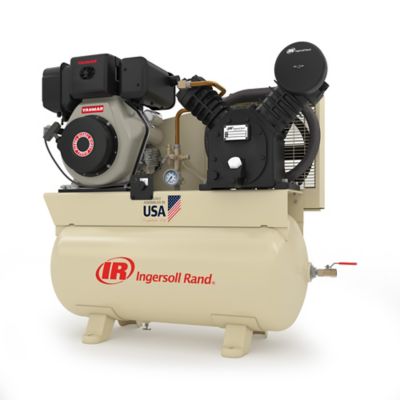
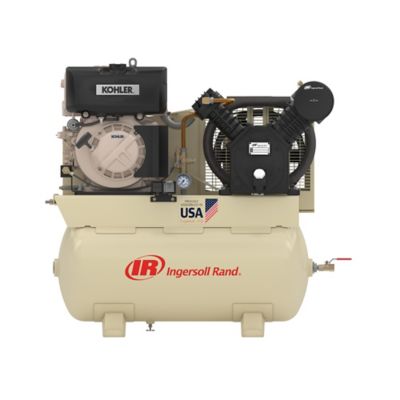
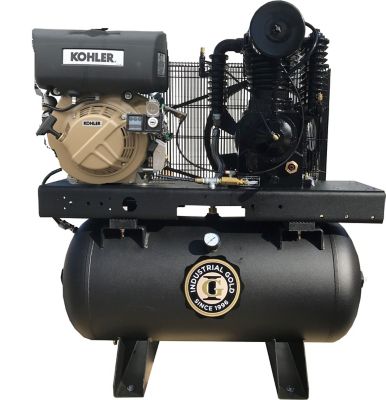
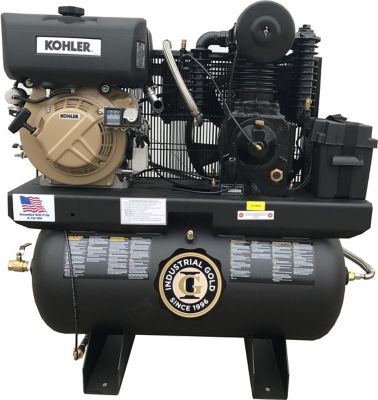
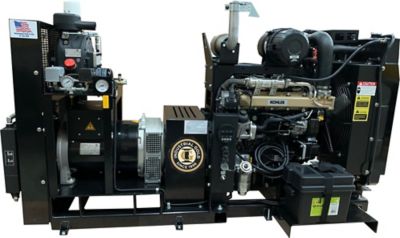
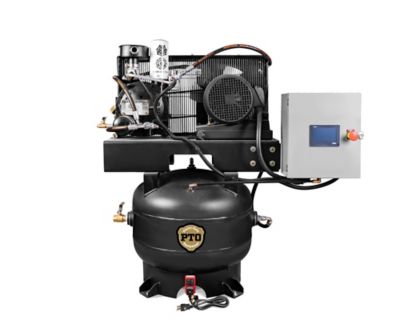
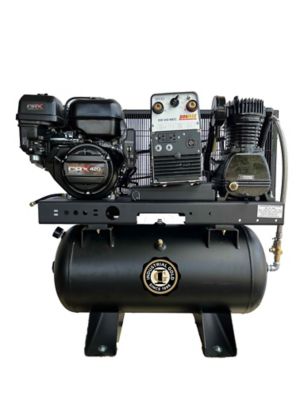
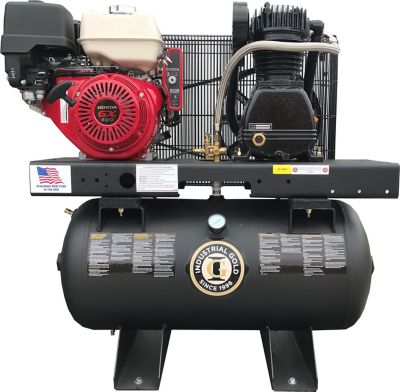
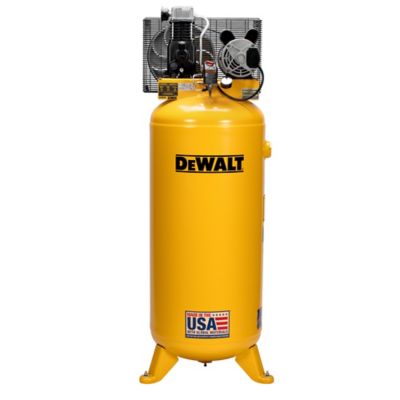
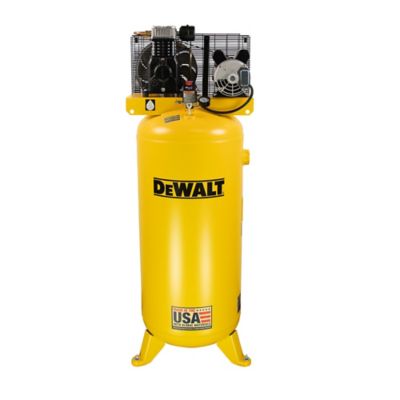
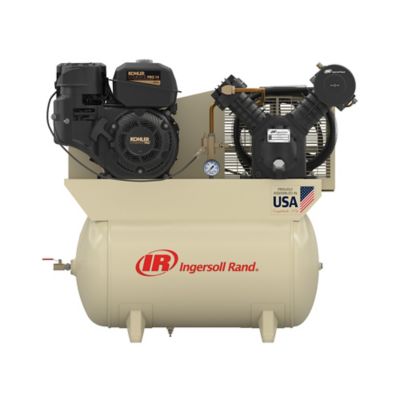
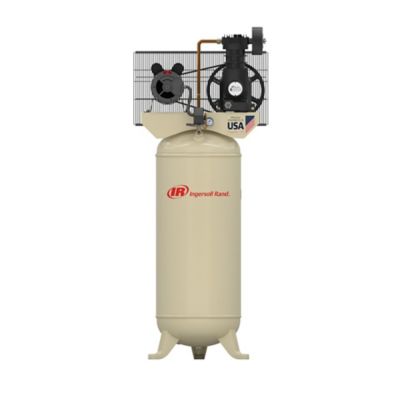
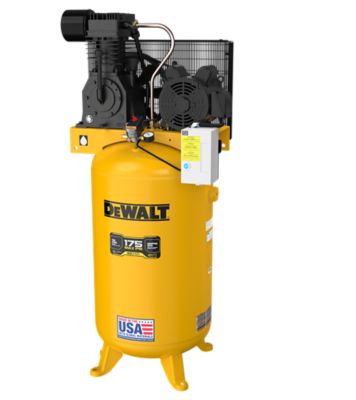
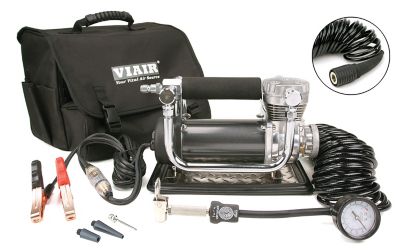
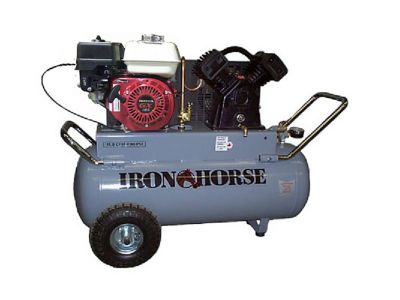
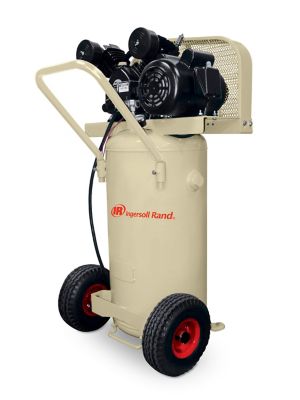
Diesel engine air compressors pair a diesel engine with an air-compressor pump to supply compressed air without depending on an electrical outlet. That makes them a practical fit for farm service trucks, equipment yards, construction sites, and repair work a long way from the shop. A ranch mechanic changing a tractor tire, a crew running pneumatic tools beside a fence line, and a contractor working at an undeveloped site may all need air power that travels with the job. The engine drives either a reciprocating piston pump or a rotary screw air end, depending on the design. Reciprocating compressors often suit work with pauses between tool cycles, while rotary screw models are commonly built for longer periods of steady air demand. The rated duty cycle still matters with either type, since it describes how much running time the equipment can handle within a given period. Two-stage piston designs compress air in successive steps and can support higher working pressures than many single-stage designs. Air delivery, measured in cubic feet per minute, or CFM, tells more about tool-running capacity than engine horsepower alone. Pressure, measured in pounds per square inch, or PSI, describes the force of that air. Those figures belong together: a compressor’s CFM rating at one pressure does not necessarily describe its output at another. Many pneumatic tools carry air-consumption ratings at 90 PSI, but the tool’s own specifications should set the requirement. Impact wrenches need strong bursts of air, while grinders, sandblasting equipment, and some post-driving tools can place a much steadier demand on the compressor. Tank capacity adds another piece to the picture. A larger receiver stores more compressed air and can help cover short bursts of demand, but it does not increase the pump’s sustained output. For work involving several tools, the combined air requirement matters more than the size of the biggest tool alone.
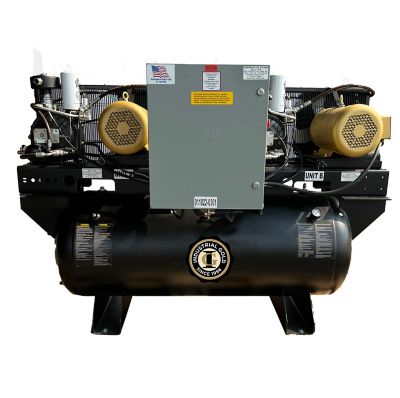
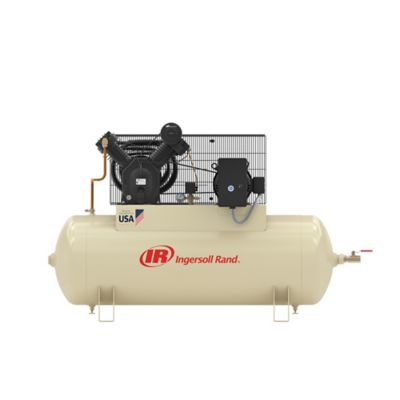
The right physical setup depends on where the compressor will work and how it gets there. Truck-mounted and skid-mounted diesel air compressors make sense for mobile repair work, where the machine rides alongside toolboxes, hose reels, and service equipment. A towable configuration can keep a larger compressor separate from the truck bed and bring substantial air capacity to jobs spread across a property or worksite. Stationary installations serve a different purpose, supporting a dedicated work area with an approved outdoor location for the diesel engine and suitable air distribution. Footprint, overall weight, mounting provisions, and access to service points all affect fit. On a service truck, the compressor’s weight counts toward payload limits along with fuel, tools, parts, and the people in the cab. A clear path to the oil fill, filters, controls, and tank drain can make a real difference when the bed is already packed for a day of repairs. Towable equipment also brings hitch compatibility, trailer weight, lighting, tires, and applicable road requirements into the decision. Construction details vary by compressor type. Cast-iron cylinders appear on many reciprocating pumps, while other assemblies may incorporate aluminum components, steel frames, and steel air receivers. Frame design, vibration control, guarded moving parts, and protected fittings matter when equipment spends its working life around gravel yards and busy repair areas. Belt-driven designs need room for inspection and adjustment, and every layout needs the airflow and clearances specified by its manufacturer. Hose length and inside diameter deserve attention, too. A long, narrow hose or restrictive coupling can reduce pressure at the tool even when the compressor itself has enough capacity. Properly rated hoses, fittings, regulators, and distribution lines help carry the air from the machine to the work. For a mechanic reaching across a machinery shed or a crew operating farther down a jobsite, that complete air path is part of matching the equipment to the task.
For shoppers comparing
Professional Air Compressors, diesel-powered equipment is especially relevant when electrical service is missing, limited, or too far from the work. The best match comes from the demands of the job rather than simply choosing the largest engine or tank. A mobile repair setup may call for manageable mounting dimensions, convenient hose access, and enough air delivery for a heavy impact wrench. A crew operating air-hungry equipment for extended stretches needs sustained output and a duty rating suited to that workload. Air treatment matters as well. Compressed air can carry moisture, and oil-lubricated compressor systems may introduce oil carryover, so filtration, separation, or drying equipment may be necessary for the tools and processes involved. Air suitable for an impact wrench is not automatically suitable for spraying finishes or other contamination-sensitive work. Ordinary shop compressed air is not breathing air. Day-to-day care also shapes how well a diesel compressor serves over time. Engine oil, compressor lubricant where applicable, intake filters, belts, cooling surfaces, and fuel-system components each have service requirements. Dust from a gravel lane or an equipment yard makes intake-filter inspection particularly important, while keeping cooling passages clear supports proper operation under load. Receiver tanks need condensate management according to the manufacturer’s instructions, and air leaks deserve attention because they make the compressor work without getting more done at the tool. Inspection and service should follow the equipment manual, including shutdown, pressure-release, and isolation procedures. Diesel engines must operate outdoors, away from doors, windows, and air intakes, with exhaust directed away from people; an open garage door does not make indoor operation safe. Secure mounting, intact guards, working pressure-relief devices, and hearing protection also belong in the working setup. With air output, mounting, service access, and tool requirements matched to the job, a diesel engine air compressor can bring useful pneumatic power to the places where repairs and hard work happen.