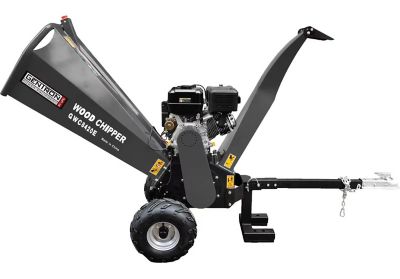
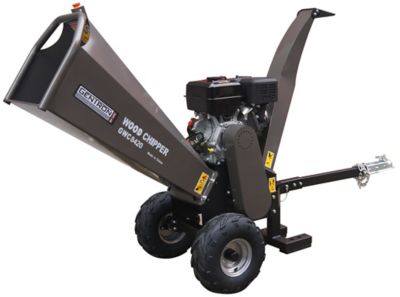
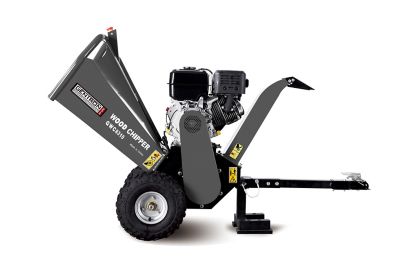
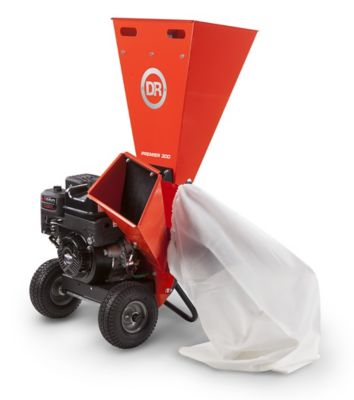
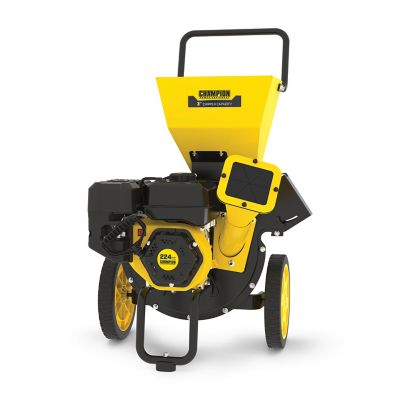
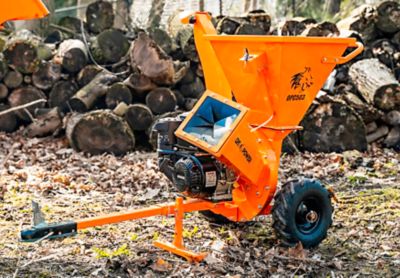
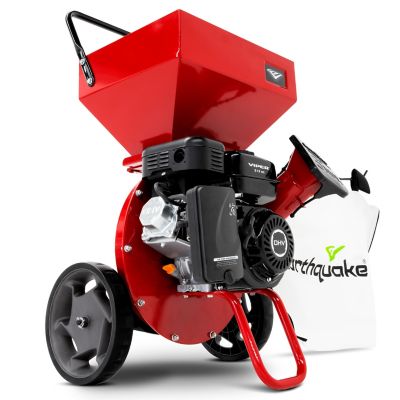
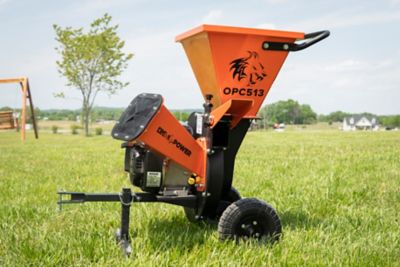
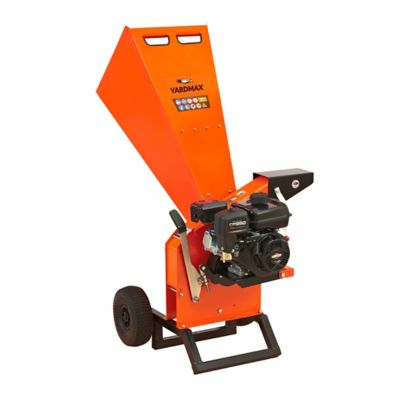
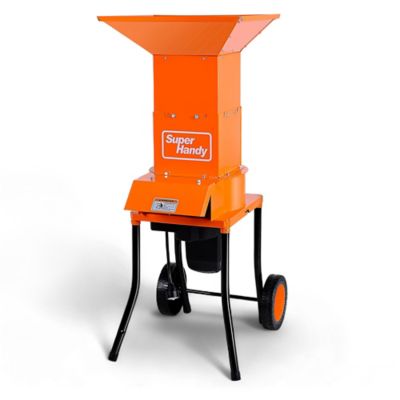
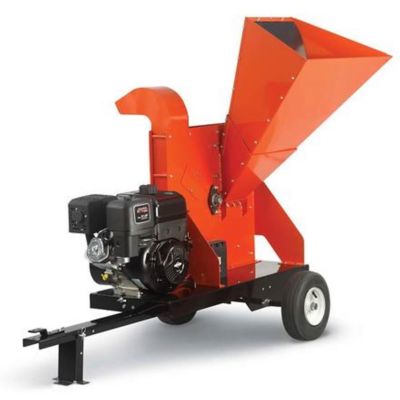
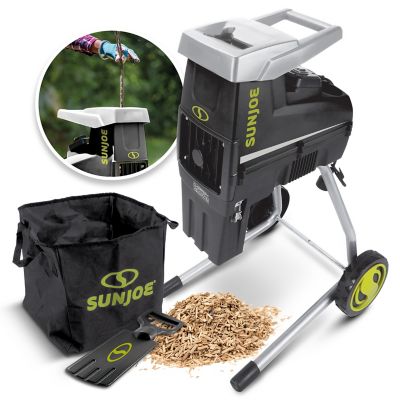
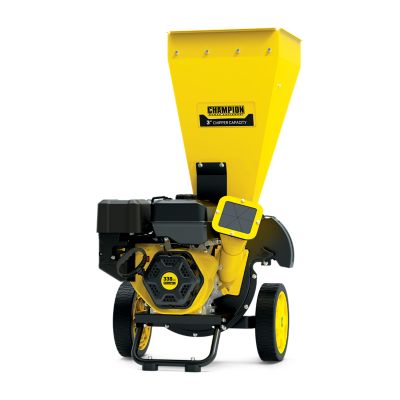
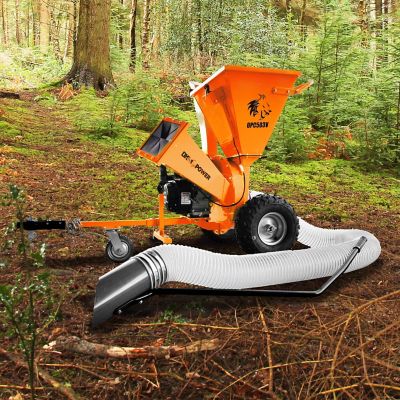
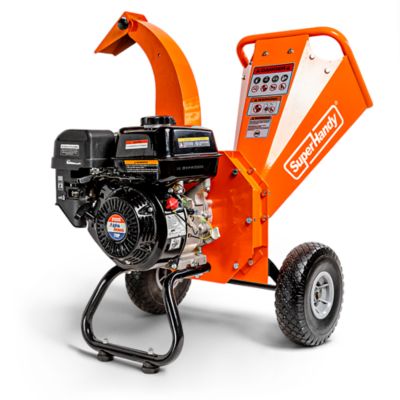
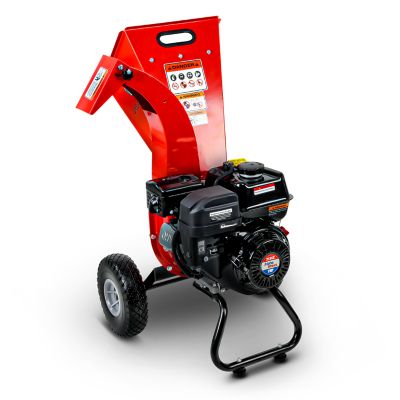
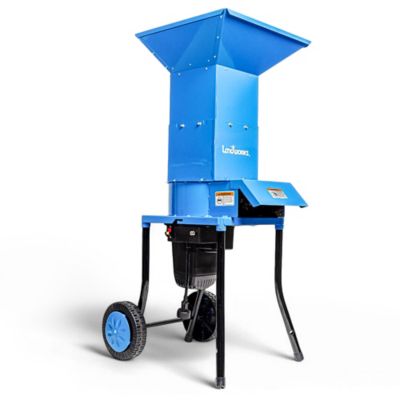
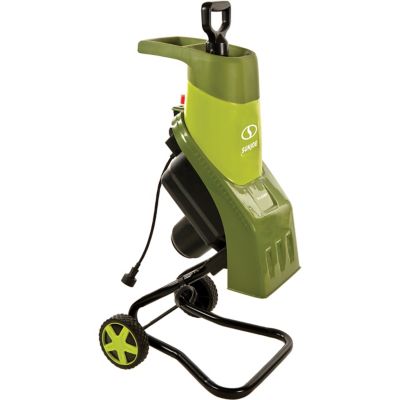
A professional garden shredder is built for the kind of cleanup that goes well beyond a few handfuls of leaves. These heavy-duty machines are designed to process large volumes of branches, brush, wood, and organic yard debris, turning bulky material into a more manageable stream of chips or mulch. They can be a practical fit for landscapers, grounds crews, tree service workers, orchard owners, property managers, municipalities, and rural homeowners who regularly maintain wooded acreage. During the warmer growing season and into the cooler months, fallen limbs, storm damage, pruning piles, and overgrown brush can collect faster than a light-duty machine can handle. A professional garden shredder helps keep those piles from taking over the edge of a driveway, barn lot, pasture, or worksite. The finished material may be used for pathways, erosion control, garden mulch, or general property maintenance, depending on the type of wood and the machine’s output. For shoppers comparing options, the listings on this page provide a starting point for finding equipment suited to demanding cleanup jobs, while the broader selection of
Gardening Machines can help round out a property maintenance setup.
Power and capacity are two of the first details to review. Many professional machines use high-performance gas engines in the 14 HP to 18 HP range, giving them the muscle needed for sustained work away from an electrical outlet. Chipping capacity varies, but heavy-duty models may handle branches measuring roughly 5 to 6 inches in diameter, while other machines are intended for smaller limbs and lighter brush. A self-feeding or hydraulic auto-feed system can make a noticeable difference when a job includes a steady pile of branches. Instead of forcing each limb into the hopper by hand, feed rollers pull suitable material toward the cutting mechanism, helping maintain a more consistent pace and reducing some of the strain that comes with repeated loading. Electric start systems are another useful feature for crews and landowners who value a simpler startup, especially when equipment has been stored between jobs or during cooler weather. Look closely at engine type, fuel capacity, cutting dimensions, feed opening size, and the manufacturer’s recommended material limits. A machine rated for thick, straight branches may not be intended for tangled vines, dirt-covered roots, rocks, or oversized timber. Keeping those limits in mind helps protect the cutting system and makes it easier to match equipment to the work waiting around your property.
Construction, mobility, and output also matter when choosing a professional garden shredder. A high-speed disc, knives, hammers, or a combination of cutting components can reduce branches into chips at a useful reduction ratio, but the right setup depends on the material being processed and how you plan to use the finished debris. If you are clearing an old hedgerow, maintaining a farm lane, or cleaning up after routine tree trimming, a large hopper and steady feed rate may save considerable time. For work spread across several acres, look for practical mobility features such as a tow bar, sturdy frame, and properly rated tires. Some units are built for easier movement between work areas, while others are better suited to staying near a central cleanup zone. Towable equipment should be moved only with the appropriate vehicle, hitch setup, and operating precautions, and road use requires attention to applicable equipment and DOT requirements. Protective clothing, eye and hearing protection, sound footing, and careful material inspection are important parts of responsible operation; branches with nails, wire, stones, or other hidden debris can damage blades and create dangerous conditions. A professional shredder is usually a serious investment, with heavy-duty gas-powered, self-feeding units often falling in a price range from about $2,600 to nearly $6,000, depending on engine power, capacity, feed system, mobility, and included features. It is not usually a casual gift, but it can be a thoughtful choice for a working landscaper, small farm operator, acreage owner, or family member who spends every season keeping a large property in shape. The best match is the one that fits the volume, branch diameter, terrain, storage space, transport needs, and regular workload—not simply the machine with the biggest engine.