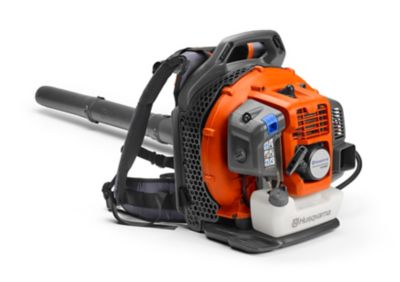
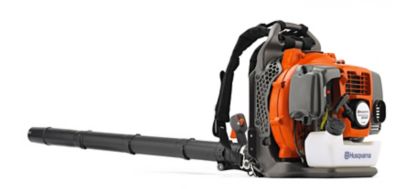
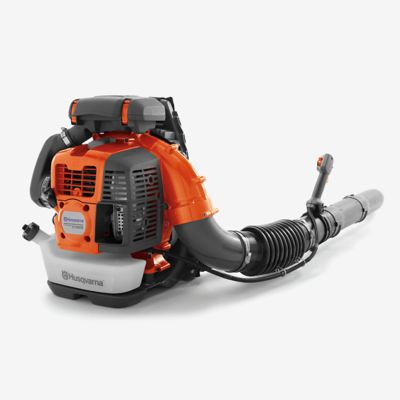
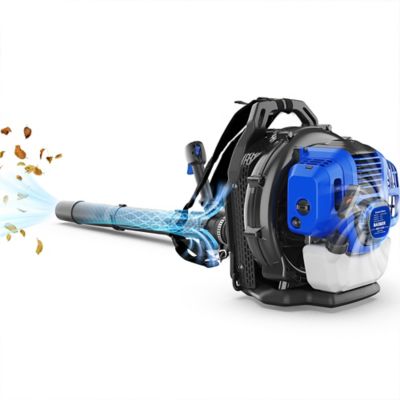
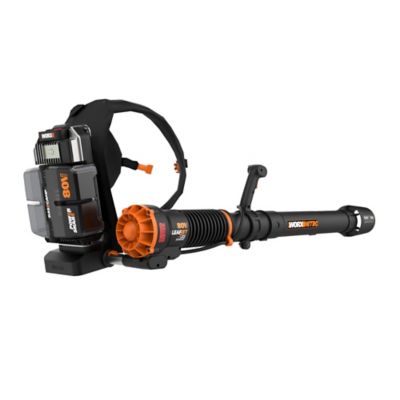
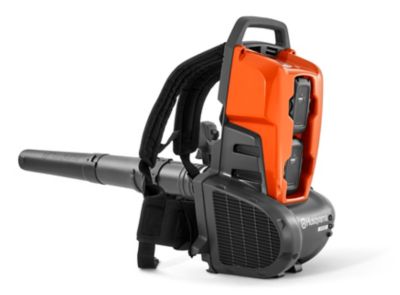
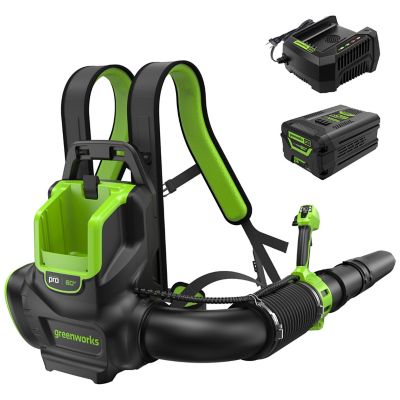
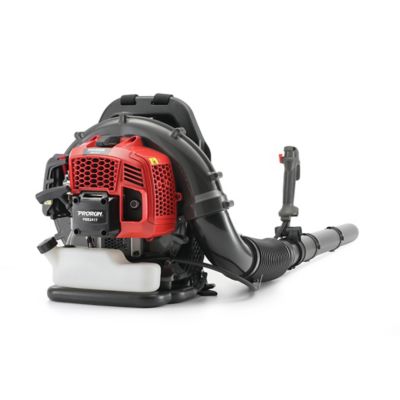
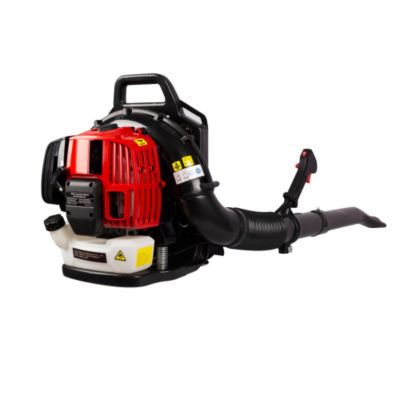
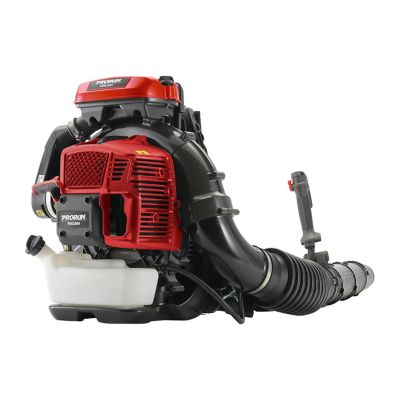
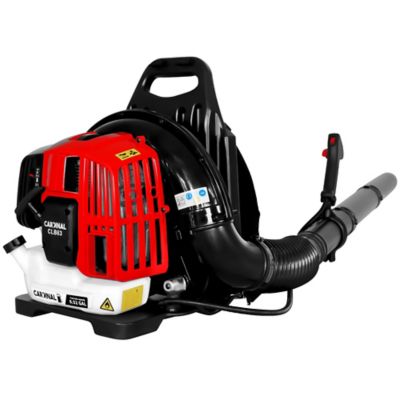
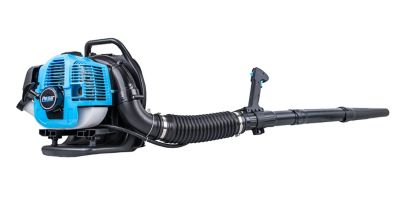
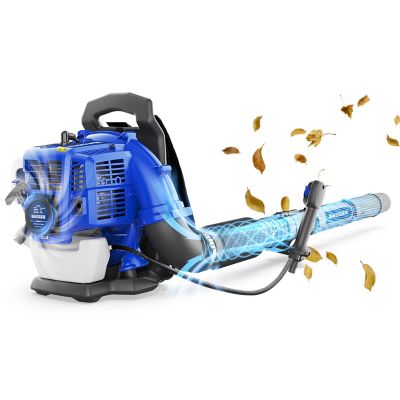
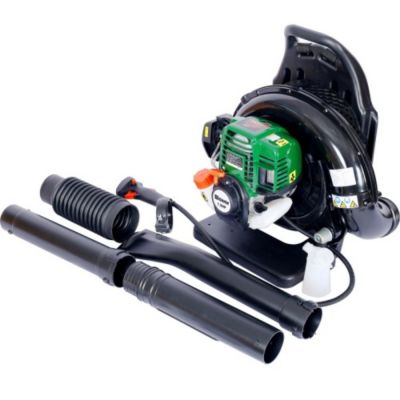
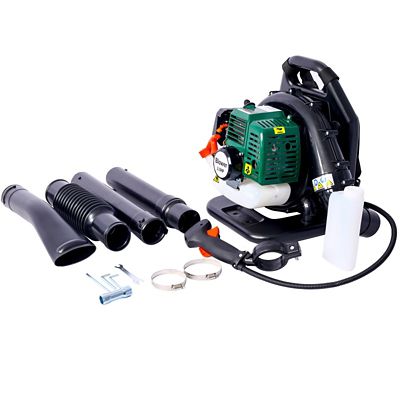
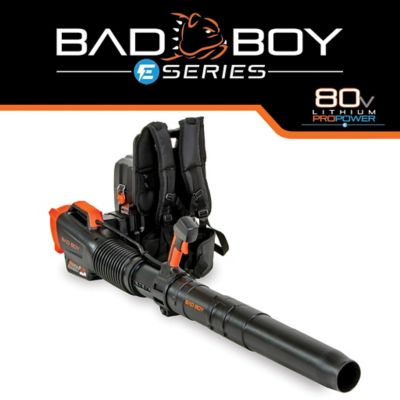
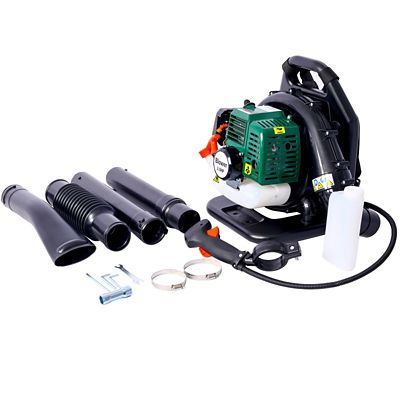
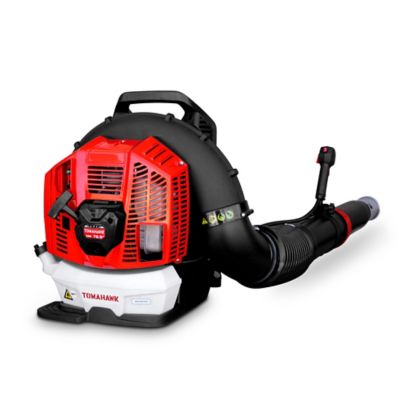
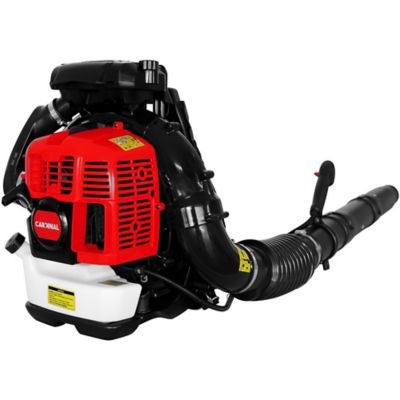
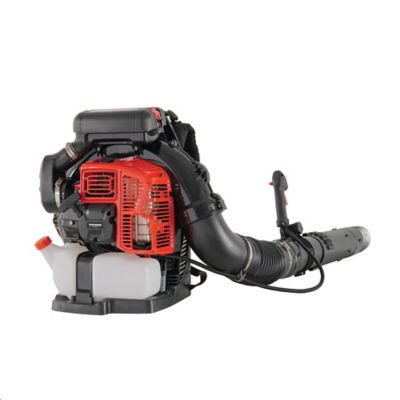
Backpack leaf blowers are handy for keeping lawns, driveways, walkways, barns and outbuildings looking tidy when leaves, grass clippings and light yard debris start collecting. Instead of carrying the full weight of the blower in one hand, a backpack design spreads the load across padded shoulder straps and a supportive back panel, making it easier to work across larger areas. That extra comfort can make a real difference on a rural property, where a cleanup job may stretch from the front steps to the garden fence, equipment shed or livestock area. A blower can help clear dry leaves from around trees, move clippings away from a freshly mowed path, sweep dust from a garage floor or gather loose debris into manageable piles for hauling away. During the warmer part of the year, it can also help tidy up after trimming and mowing, while the cooler months often bring heavier leaf cleanup and damp piles along driveways and property edges. Backpack blowers are a practical choice for homeowners with larger yards, landowners maintaining acreage, landscapers, grounds crews and anyone who regularly handles more cleanup than a handheld blower can comfortably manage. They can also make a thoughtful gift for a new homeowner, a parent who enjoys caring for the yard or a handy person who takes pride in keeping outdoor spaces neat.
When comparing backpack leaf blowers, start by considering the size and layout of the area being maintained. A compact yard with a few planting beds may call for a lighter unit that is easy to store and maneuver, while a broad lawn, long driveway or wooded lot may benefit from longer runtime, stronger airflow and a more supportive harness. Air volume, measured in cubic feet per minute, gives an idea of how much material the blower can move, while air speed, measured in miles per hour, helps describe how forcefully that air leaves the tube. Both numbers matter, but neither tells the whole story. Dry leaves may move easily with moderate airflow, while wet leaves, pine needles, small twigs and packed-down grass clippings generally take more power and patience. Variable-speed controls are useful when working around flower beds, gravel, mulch or porches, since a gentler setting can clear debris without scattering everything in the wrong direction. A higher setting can help push a stubborn line of leaves across open lawn. Look closely at the harness, waist belt, back padding and adjustment points, especially if more than one person will use the blower. A comfortable fit keeps the blower steadier and helps reduce strain during longer cleanup sessions. Weight, balance, starting method, tube controls and storage requirements are also worth checking before making a choice. People who prefer cord-free yard tools may want to compare backpack options with
Electric Leaf Blowers, while those maintaining large properties may place a higher value on extended operating time and easy refueling. Noise level can matter around homes, neighbors, livestock and quiet rural roads, so it is smart to review local rules and choose a reasonable time for outdoor cleanup.
A little preparation helps a backpack leaf blower work more safely and efficiently. Before starting, walk the area and pick up stones, wire, sticks, toys and other objects that could become airborne. Keep people, pets and farm animals at a safe distance, and wear eye protection, hearing protection, sturdy shoes and clothing suited to the work. Gloves can improve grip, especially when the controls or straps need adjusting. Direct the airflow at a low angle rather than straight down, using smooth passes to roll leaves into a pile instead of sending them back across the yard. Start near the edges of a driveway or lawn and work toward the collection area, taking advantage of fences, buildings and natural boundaries to contain the debris. On gravel or loose soil, use a lighter setting and keep the tube moving so dust and small stones do not scatter. Damp leaves may need to loosen and dry before they move easily, and packed piles are often best handled in smaller sections. Backpack blowers are not intended to replace every cleanup tool; a rake, tarp, shovel or yard waste bag may still be useful for finishing the job. After use, inspect the tube, air intake, straps and controls, remove debris from the housing and store the blower in a dry, protected place. Follow the manufacturer’s instructions for fuel, batteries, charging, maintenance and seasonal storage. With the right fit and a little practice, a backpack leaf blower can turn a long afternoon of sweeping and raking into a more manageable pass around the property, leaving lawns, paths and work areas ready for the next chore.