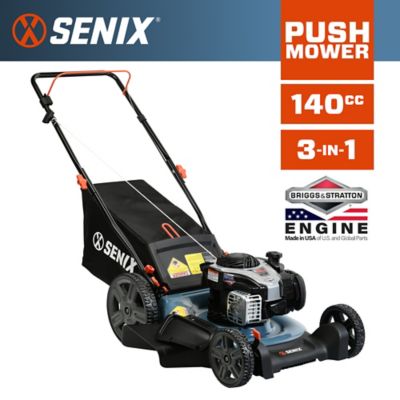
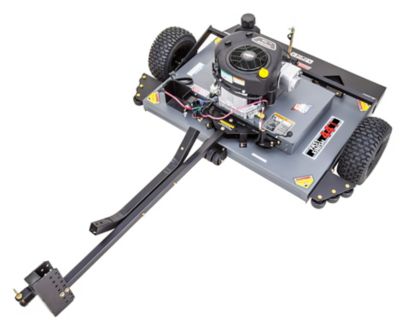
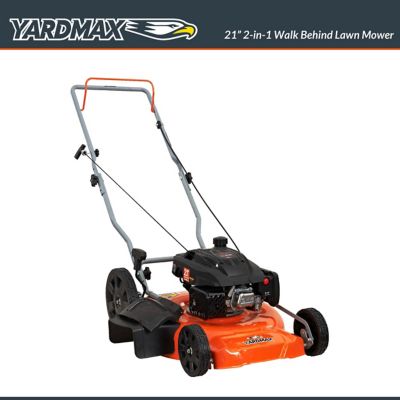
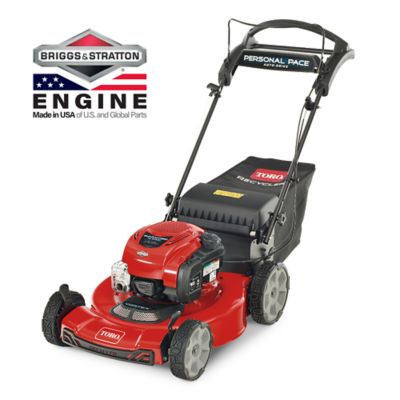
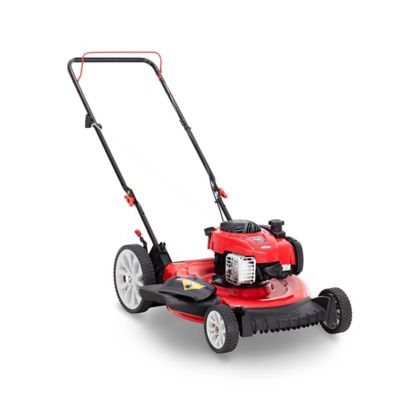
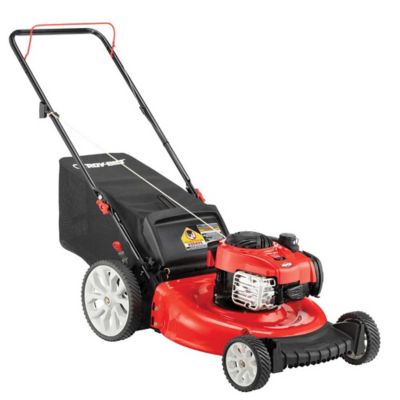
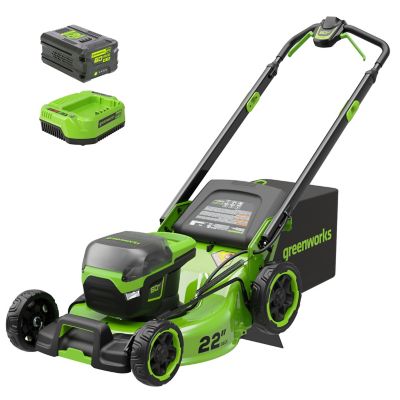
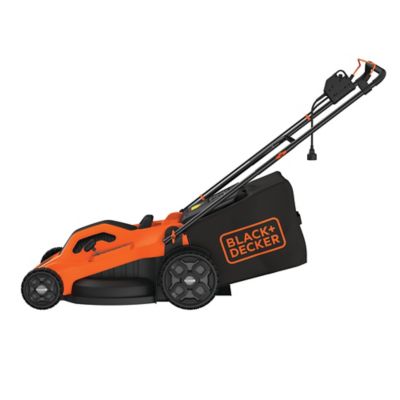
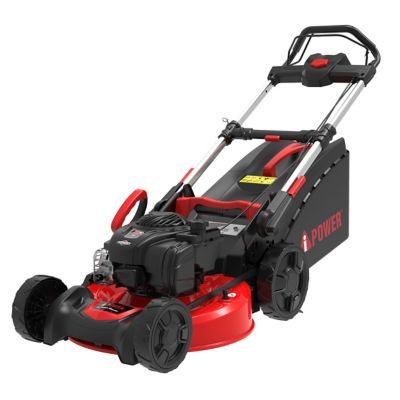
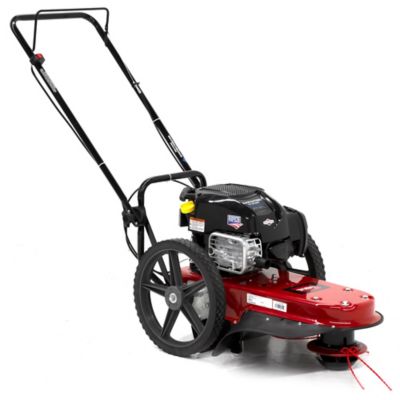
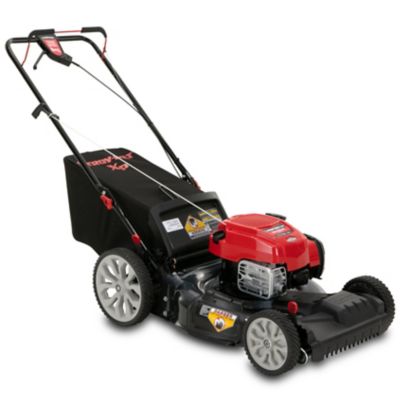
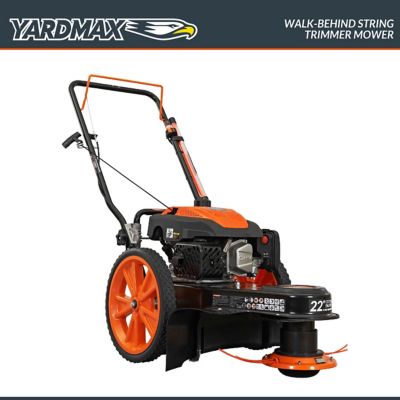
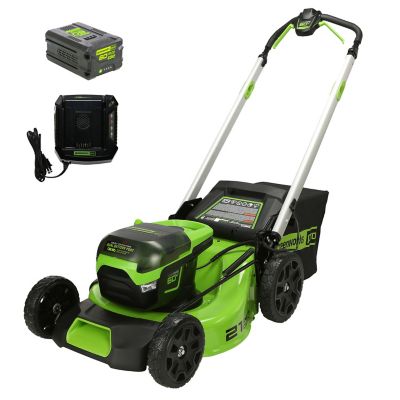
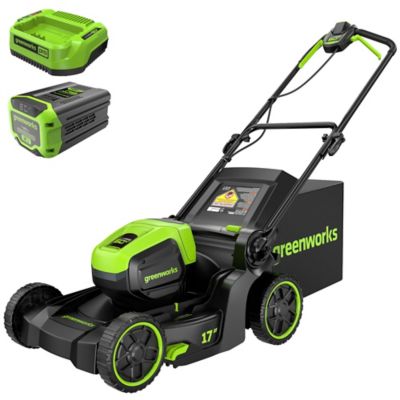
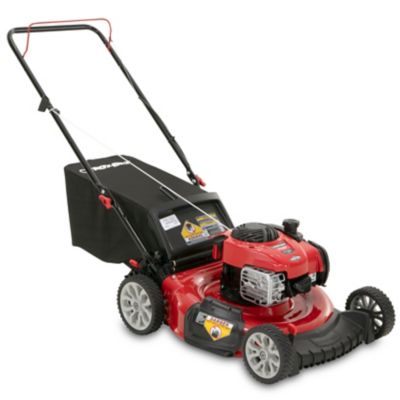
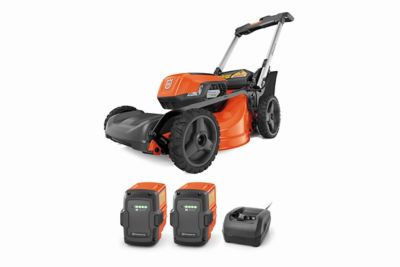
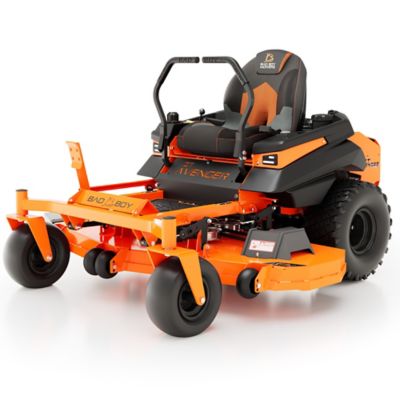
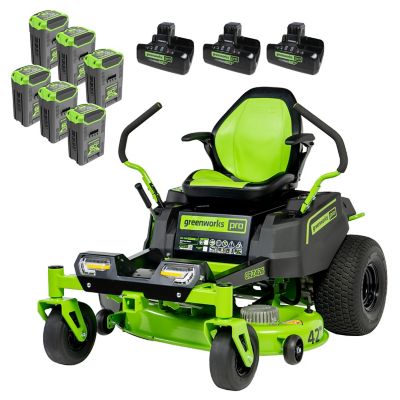
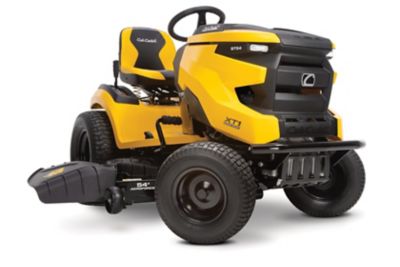
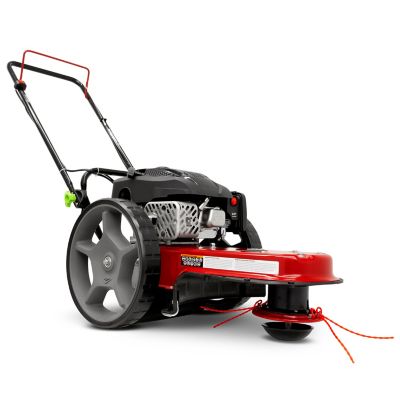
A lawn mower for tall grass needs cutting power, deck clearance, and traction that match the growth and ground it will cover. Longer grass can overwhelm a mower built mainly for frequent lawn trimming, especially when thick stems pile up beneath the deck faster than the blades can clear them. Mowers intended for high grass generally provide a combination of higher cutting settings, a capable drive system, and a deck designed to move substantial clippings. A field and brush mower takes that work further, handling coarse vegetation and, on equipment rated for it, woody stems within the manufacturer’s stated limits. Those distinctions matter around a country home, acreage, or farmstead, where the grass beside the house may be nothing like the growth along an access lane. A conventional walk-behind mower can suit a smaller lawn with grass that has gotten ahead of the regular mowing schedule, provided the growth stays within its operating limits. Self-propelled designs reduce the pushing effort across larger stretches, while riding mowers can make sense where there is enough open ground to put their cutting width to work. A dedicated high-grass or field mower is a better match for rougher areas that are not maintained as a finished lawn. Grass height alone does not tell the whole story: a thin stand of long grass presents a different load than a dense patch of coarse stems at the same height. The intended finish matters, too. A neatly trimmed yard calls for different cutting characteristics than an orchard aisle or a walking path through a field. Cutting-height adjustment helps match the mower to that job without expecting a lawn machine to serve as land-clearing equipment. For property owners, groundskeepers, and folks maintaining larger home places, the right category comes down to the vegetation, the amount of ground, and how closely that area needs to be cut.
Deck construction, blade design, and the way clippings leave the mower all play a part in tall-grass performance. Steel decks are common, with stamped and fabricated construction offering different designs for weight, reinforcement, and airflow. Metal thickness, bracing, weld placement, and protection around exposed edges are worth considering alongside overall deck size. A wider deck covers more ground per pass, but it also needs power to manage the material entering the cutting chamber. More width is not automatically a better fit for a narrow gate, a closely planted yard, or a path between outbuildings. Side-discharge decks can move long clippings away from the cutting area, while mulching performance depends on the mower’s design and the amount of grass being processed. Heavy growth can exceed a mulching setup’s capacity, and bagging long grass can mean frequent stops to empty the catcher. A mower’s stated cutting capabilities matter more than assuming one discharge arrangement will handle every patch. Where coarse weeds mingle with the grass, the
Lawn Mower for Thick Grass and Weeds selection offers a related starting point for comparing equipment suited to mixed growth. Engine displacement, motor output, blade speed, and travel speed work together; no single power figure guarantees the same result across different machines. Gas-powered designs involve fuel storage and engine service, while battery-powered designs call for attention to battery capacity, charging access, and runtime under heavier cutting loads. Published runtime can vary with grass density and operating conditions. Drive controls that allow a slower ground speed can help the cutting system keep pace with thicker growth. Large wheels may roll more easily over uneven ground, and tread patterns affect grip, but neither feature makes a mower suitable for every slope. Manufacturer-rated terrain limits remain essential, particularly near banks, ditches, and drop-offs. Turning space and the mower’s full dimensions, including its discharge chute, also affect whether it fits the property.
Operator fit and everyday upkeep matter just as much as cutting capacity when the job stretches beyond a quick trip around the yard. On walk-behind equipment, handle height, grip shape, and the effort needed to operate drive controls can affect comfort over a long stretch. On riding equipment, seat adjustment, foot placement, control reach, and clear sightlines help the operator stay comfortably positioned and aware of the cutting path. Steering layout and turning radius become especially noticeable around fence corners, trees, and buildings. Tall grass can hide wire, rocks, holes, and abandoned objects, so visibility and access to the area deserve attention before mowing begins. No mower should be expected to cut through hidden debris, and guards, shields, and discharge components need to remain in place as specified by the manufacturer. Eye protection, appropriate footwear, and hearing protection where required belong with the job, along with keeping people and animals away from the cutting area. For longer service life, practical features include accessible maintenance points, replaceable wear parts, and a deck layout that allows cleaning according to the owner’s manual. Sharp, correctly fitted blades support cleaner cutting and reduce unnecessary strain, while damaged or mismatched blades can affect performance and safety. Engine oil service, air-filter care, belt inspection, and tire-pressure checks apply where specified for the machine; battery equipment has its own charging, storage, and inspection requirements. Cleaning or servicing calls for the power source to be shut down and isolated as directed, not simply a pause in mowing. Storage space is another everyday consideration, especially when a mower shares a shed with feed, tools, and other equipment. A mower that fits through the door, leaves room for service, and matches the property’s real workload is easier to live with. For tall grass, the strongest match is equipment built for the vegetation at hand, with controls that suit the operator and a maintenance routine that fits life around the place.